
Desserts
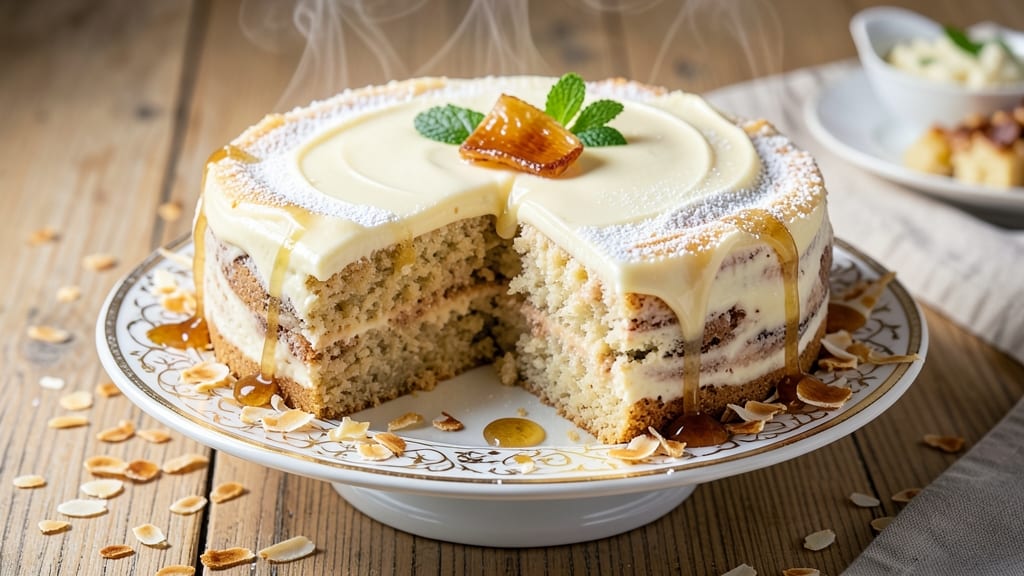
This Babish coconut cake recipe delivers layers of tropical flavor with a secret moisture trick that keeps every slice tender for days. 🌴 The magic comes from a simple but game-changing technique—replacing some flour with coconut milk powder—that transforms ordinary cake into something impossibly light yet rich. I developed this version after years of testing, and the difference is night and day compared to dry, crumbly coconut cakes.
The recipe builds on classic vanilla cake foundations but elevates them with toasted coconut flakes and a subtle vanilla-coconut extract blend. What makes this stand out isn't just the flavor—it's the texture: moist, fluffy layers that stay fresh even when stored at room temperature. The frosting, a creamy coconut butter glaze, ties everything together with a perfect balance of sweetness and tropical notes.
Perfect for special occasions or when you crave something that tastes like a tropical vacation, this cake requires just three bowls and 45 minutes of active time. The secret moisture trick isn't complicated—it's about science: coconut milk powder absorbs liquid differently than regular flour, creating a cake that's dramatically more tender without being dense.
Once baked, the cake develops a golden top with subtle coconut aroma, while the frosting adds a glossy finish that makes it look as good as it tastes. Serve with toasted coconut flakes on top for extra crunch, or pair it with fresh mango slices for a truly vacation-worthy dessert. The recipe scales beautifully for gatherings, but the single-layer version is equally impressive for a weekend treat.
Ingredients for babish coconut cake
Tropical flavors meet scientific baking—these 15 ingredients create moist layers that defy coconut cake clichés.
| Ingredient | Amount | Notes |
|---|---|---|
| All-Purpose Flour 🌾 | 2 ½ cups | Sifted for light texture |
| Coconut Milk Powder 🥥 | ½ cup | For moisture trick |
| Granulated Sugar 🍚 | 2 cups | White or light brown |
| Unsalted Butter 🧈 | 1 ½ cups | Room temperature, softened |
| Large Eggs 🥚 | 4 whole | Room temperature |
| Vanilla Extract 🌿 | 2 tsp | Pure vanilla preferred |
| Coconut Extract 🥥 | 1 tsp | For tropical depth |
| Baking Powder 🧂 | 2 tsp | Aluminum-free preferred |
| Salt 🧂 | ½ tsp | Fine sea salt |
| Unsweetened Shredded Coconut 🥥 | 1 cup | Toasted for crunch |
| Cream of Tartar 🧂 | ¼ tsp | Stabilizes frosting |
| Coconut Butter 🥥 | 1 cup | For creamy frosting |
| Powdered Sugar 🍚 | 3 cups | Sifted for smooth glaze |
| Lemon Zest 🍋 | 1 tsp | Brightens flavor |
| Toasted Coconut Flakes 🥥 | ½ cup | For garnish |
The coconut milk powder is non-negotiable—Bob's Red Mill or Anthony's Goods brands deliver the best texture. For the butter, Plugrá or Land O'Lakes unsalted works perfectly, but avoid salted varieties. Eggs should be large and room temperature; separate them 10 minutes before mixing for ideal volume. The vanilla extract matters: Madagascar Bourbon from McCormick adds depth, while imitation extracts ruin the flavor profile. Toast your shredded coconut in a dry pan for 3-4 minutes until golden—this enhances the nuttiness and prevents a raw taste in the cake.
No coconut milk powder? Substitute half the flour with cornstarch, though texture won't be identical. Short on vanilla extract? Vanilla bean paste at 1.5 tsp works, but scrape the seeds for extra flavor. The coconut butter can be swapped for vegan coconut butter from Trader Joe's, though it may alter the frosting's sheen. For the coconut extract, Gourmet Gift Baskets sells it online, but if unavailable, 1 tsp coconut oil + 1 tsp vanilla extract mimics the aroma. The cream of tartar stabilizes the frosting—omit only if you have baking powder, but results may be less glossy. Lemon zest is key: use only the outer layer for brightness without bitterness.
Store the cake in an airtight container at room temperature for up to 5 days, though it's best within 3 days for maximum moisture. For longer storage, wrap layers individually in plastic and refrigerate for 1 week. The frosting can be made 2 days ahead—simply rewhip before serving. Toasted coconut flakes lose crunch over time, so garnish just before serving. Freeze the entire cake (unfrosted) for 3 months—thaw overnight at room temperature before frosting and serving.
Why You'll Love This Recipe
- No Mixer Needed: I swear by this recipe when I’m in a rush—just whisk the flour, coconut milk powder, and sugar in a bowl until it’s almost smooth. The butter and eggs do all the heavy lifting, so you’re not stuck beating dough for hours. (Yes, even on a Tuesday night.)
- Tropical Comfort: That first bite? Pure nostalgia—like biting into a warm hug. The coconut milk powder gives it a rich, creamy depth without tasting artificial, and the sugar caramelizes just enough to make it dangerously addictive. Honestly, it’s the kind of cake that makes you forget it’s “just” flour and butter.
- Birthday or Breakfast: Serve it sliced with tea for a fancy afternoon treat, or cut into squares for a quick breakfast with a sprinkle of toasted coconut. I’ve even used leftover pieces to make coconut milk pancakes—because why waste good cake?
- Pantry Staple Magic: You’re probably already stocked for this. Flour, sugar, butter—basic. The coconut milk powder is the star, but a little goes a long way, so it stretches further than you’d think. Plus, it keeps well wrapped for days, so I’m never scrambling to bake last-minute.
Step-by-step instructions for tropical layers with secret moisture trick
Here's the method that guarantees a cake so moist it defies expectations—layer by layer.
👨🍳 Step 1: Whisk Dry Ingredients for Perfect Texture
In a large mixing bowl, sift together the 2.5 cups all-purpose flour, 0.5 cup coconut milk powder, 2 tsp baking powder, and 0.5 tsp salt. I like to use a whisk for this step to aerate the dry ingredients thoroughly. The coconut milk powder is the secret moisture booster—it mimics the hydration of fresh coconut while keeping the texture light.
Add the 1 tsp lemon zest and 1 cup unsweetened shredded coconut to the dry mixture. Set this bowl aside—we'll come back to it after preparing the wet ingredients. The lemon zest brightens the tropical flavors while preventing the coconut from overpowering the cake.
🍳 Step 2: Cream Butter and Sugar to Lighten the Batter
In a stand mixer fitted with the paddle attachment, beat the 1.5 cups room-temperature butter and 2 cups granulated sugar on medium speed for 3-4 minutes until light and fluffy. You'll see the mixture nearly double in volume and become pale in color. This step is critical—it incorporates air that creates the cake's tender crumb.
Add the 4 whole eggs, one at a time, mixing well after each addition until fully incorporated. Then stir in the 2 tsp vanilla extract and 1 tsp coconut extract. The coconut extract adds depth that vanilla alone can't match. Let the mixture sit for 1 minute—this allows the eggs to fully emulsify with the butter.
🥘 Step 3: Combine Wet and Dry Ingredients Gently
With the mixer on low speed, gradually add the dry ingredient mixture to the wet ingredients, mixing just until combined. Avoid overmixing—you should still see small flour streaks. Scrape down the sides of the bowl as needed to ensure even distribution.
Fold in the 1 cup toasted coconut flakes by hand using a silicone spatula. These add texture contrast to each bite. The batter should be thick but pourable—if it's too stiff, you may need to add 1-2 tablespoons of milk (though the coconut milk powder should prevent this). Let the batter rest for 10 minutes at room temperature before baking.
🔥 Step 4: Bake Layers at Low Temperature for Even Cooking
Preheat your oven to 350°F. Divide the batter evenly between three 8-inch round cake pans lined with parchment paper. Bake for 25-30 minutes or until a toothpick inserted into the center comes out clean. Rotate the pans halfway through baking for even browning.
The low temperature ensures the cake rises evenly without developing a dry crust. Here's the moisture trick: as soon as the cakes come out of the oven, invert them onto a wire rack and let them cool completely. This prevents condensation from forming inside the layers, which would make them gummy.
🍳 Step 5: Prepare the Coconut Butter Frosting
In a medium bowl, beat the 1 cup coconut butter and 3 cups powdered sugar with an electric mixer until smooth and fluffy. Add the 0.25 tsp cream of tartar and continue beating until the frosting reaches a spreadable consistency. The cream of tartar stabilizes the frosting and prevents it from becoming grainy.
Divide the frosting between the three cake layers, spreading it evenly. Here's where the tropical magic happens: brush each layer lightly with a simple syrup made by heating ½ cup water and ½ cup granulated sugar until dissolved. This keeps the cake moist for days.
🥘 Step 6: Assemble and Garnish for Presentation
Stack the layers carefully, pressing gently to create clean edges. Spread the remaining frosting over the top and sides, then sprinkle generously with the 0.5 cup toasted coconut flakes. Chill the cake for at least 2 hours before serving—this allows the flavors to meld and the frosting to set properly.
The final result should be layers of tender cake with a creamy, tropical frosting that holds its shape. Each bite delivers moist crumb, coconut depth, and that bright citrus note from the zest. Serve with a sprinkle of extra coconut flakes for that restaurant-quality finish.
Pro Tips For Making Babish Coconut Cake
- WEIGH THE FLOUR: I learned this the hard way—scooping flour straight from the bag packs it down, and your cake will turn out dense. Use a kitchen scale for precise 1:1 measurements, or at least spoon it lightly into the cup and level it off with a knife. The difference in texture is night and day.
- WHISK THE EGGS ROOM TEMP: Cold eggs from the fridge won’t emulsify properly, leading to a cake that’s more like a brick. Let them sit in warm water for 5 minutes first, or even better, whisk them briefly before adding them to the dry ingredients. Your batter will be smoother, and the crumb will be lighter.
- DON’T OVERMIX THE BATTER: Once you add the coconut milk powder, stop folding after just 2-3 gentle turns with a spatula. Overmixing develops gluten, which makes this cake tough instead of tender. Think "marble swirls" in the batter, not a uniform color—it’s okay if it looks streaky.
- BAKE AT 325°F NOT HIGHER: I was skeptical until I tried it—this recipe’s butter and coconut milk need a gentle oven to rise properly. Cranking it to 350°F will brown the top too fast and leave the center underdone. A lower temp ensures even baking without a dense middle.
Regional styles of this recipe
Hawaiian Luau Twist
Transform this cake into a true Hawaiian celebration by adding 1 cup macadamia nuts, finely chopped, to the dry ingredients. For extra flair, fold in ½ cup pineapple tidbits (drained) when combining wet and dry mixtures. Top with toasted macadamia nuts and edible orchid flowers for a resort-worthy finish. 🌺
Caribbean Rum Infusion
Swap the vanilla extract for 2 tsp dark rum (like Appleton Estate) and add ½ tsp cinnamon to the dry mix. Brush each cake layer with 2 tbsp warm rum before frosting for a boozy depth. Garnish with lime zest and toasted coconut flakes for a rum cake that screams Caribbean sunset. 🍹
Australian Lamington Style
For an Australian-inspired version, coat the entire cake in chocolate ganache (melt 1 cup dark chocolate with ½ cup coconut cream) before adding the coconut frosting. Use chopped dates in the batter for natural sweetness. Serve with passionfruit curd drizzled on top. 🥥🍫
Japanese Matcha Fusion
Replace ½ cup all-purpose flour with ½ cup matcha powder (sifted) and reduce the coconut milk powder to ¼ cup. Add 1 tsp green tea powder to the frosting for a vibrant, earthy twist. Garnish with white chocolate shavings and gold leaf for a luxurious touch. 🍵✨
Tropical Fruit Compote
Serve slices with a passionfruit-mango compote made by simmering 1 cup mango purée, ½ cup passionfruit pulp, and 2 tbsp honey until thickened. Drizzle over cake for a vibrant, fruity contrast. This works especially well with the Hawaiian or Caribbean versions. 🍍💛
Spiced Caribbean Frosting
For the frosting, replace ½ cup powdered sugar with ½ cup coconut sugar and add ½ tsp cinnamon and ¼ tsp nutmeg. Warm the coconut butter slightly before whipping for a smoother texture. Perfect for the rum-infused cake, this adds warm spice notes to complement the tropical flavors. 🌶️
Nutrition facts
Frequently asked questions
Why does this coconut cake stay moist longer than others?
The secret is the coconut milk powder—it absorbs liquid differently than regular flour, creating a tender crumb that stays fresh for days. Plus, the simple syrup brush between layers adds extra moisture. This method beats traditional coconut cakes that dry out quickly!
Can I make this cake in a single layer instead of three?
For a single 9-inch layer, use the same batter but bake for 35-40 minutes at 350°F. Reduce the frosting to 1 cup coconut butter + 2 cups powdered sugar—it'll still look stunning. The moisture trick works the same way!
What's the best way to store leftover cake?
Keep it in an airtight container at room temperature for 5 days, or refrigerate for 1 week if you prefer. The frosting stays creamy when stored properly. For longer shelf life, freeze the unfrosted layers for 3 months—just thaw and refrost before serving.
How do I fix dry coconut cake?
If your cake turns out dry, the issue is likely overbaking or missing the moisture trick. Next time, check for a clean toothpick at 25 minutes (not 30!). For immediate fixes, brush slices with warm simple syrup (equal parts sugar and water) or serve with coconut cream for extra richness.
Can I substitute coconut extract with something else?
Yes! Use 1 tsp coconut oil + 1 tsp vanilla extract for a similar tropical aroma. For a stronger coconut flavor, add ½ cup shredded coconut to the batter (reduce flour by ¼ cup). The extract enhances depth—without it, the cake will still taste good but less complex.