
Desserts
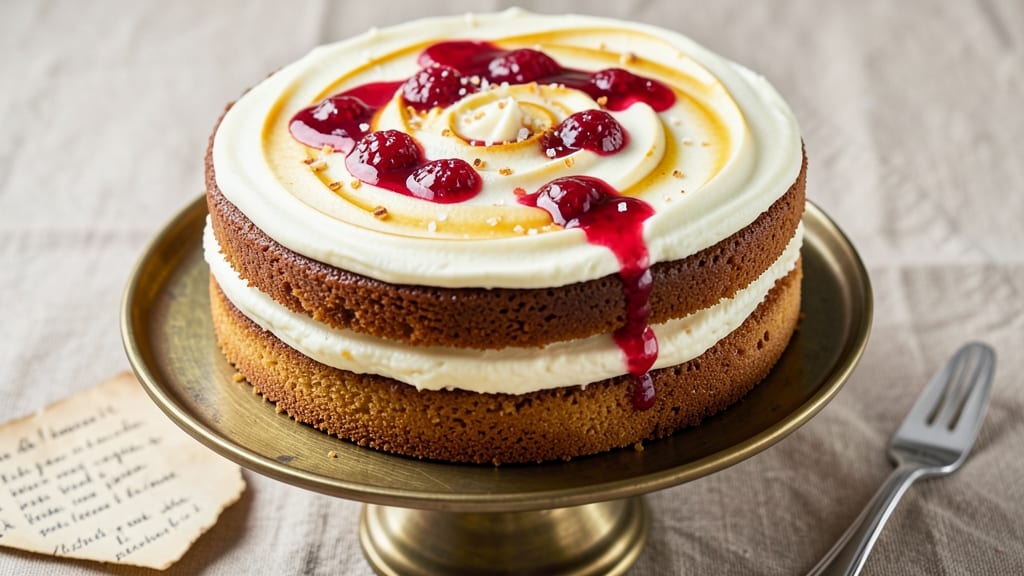
This awesome pound cake recipe delivers the perfect balance of buttery richness and velvety moisture—every slice is a testament to classic baking done right. The secret lies in creaming butter and sugar properly, ensuring a tender crumb that stays moist for days. I’ve baked this version countless times, and it never disappoints, whether served plain or topped with fresh berries.
What sets this recipe apart is the precise technique: room-temperature ingredients, gentle folding, and a 350°F oven for even baking. No overmixing here—just a light, airy texture that melts in your mouth. The cake rises beautifully, with a golden crust and a crumb so fine it practically dissolves. This is the kind of dessert that feels indulgent yet effortless to make.
By the time it emerges from the oven, you’ll have a cake that’s moist without being dense, rich without being heavy, and perfect for slicing into generous portions. Serve it warm with whipped cream or dusted with powdered sugar, or let it cool slightly for a glaze that adds an extra layer of sweetness. The possibilities are endless, but the foundation is foolproof.
This recipe scales perfectly for gatherings or keeps well for leftovers, making it ideal for holidays, brunches, or whenever you crave a classic dessert. Let’s get baking—your taste buds will thank you.
Ingredients for awesome pound cake
Twelve essential ingredients create this legendary pound cake with velvety texture and buttery richness.
| Ingredient | Amount | Notes |
|---|---|---|
| Unsalted Butter 🧈 | 1 lb | Room temperature for creaming |
| Granulated Sugar 🍚 | 2 cups | Superfine preferred for smoothness |
| All-Purpose Flour 🌾 | 2 cups | Sifted, spooned lightly |
| Large Eggs 🥚 | 4 whole | Room temperature for even mixing |
| Vanilla Extract 🌿 | 2 tsp | Pure Madagascar preferred |
| Baking Powder 🍞 | 1 tsp | Aluminum-free for tender crumb |
| Salt 🧂 | ½ tsp | Diamond Crystal kosher |
| Milk 🥛 | ½ cup | Whole milk for richness |
| Lemon Zest 🍋 | 1 tbsp | From 1 organic lemon |
| Powdered Sugar 🍚 | ¼ cup | For dusting, optional |
| Fresh Berries 🍓 | 1 cup | For topping, optional |
The butter is non-negotiable—European-style unsalted with at least 82% fat content for optimal flavor and moisture. Plugrá or Kerrygold are my go-to brands, but any high-quality brand works. Room temperature is critical; if it's too cold, the cake won't cream properly. For the flour, King Arthur or Gold Medal are reliable choices, but any all-purpose will suffice if sifted properly. The sugar should be superfine for a smoother texture, though granulated works in a pinch if pulsed briefly in a food processor. The baking powder must be fresh—test by mixing with water; if it fizzes vigorously, it's good to go.
No vanilla extract? Vanilla bean paste at half the amount adds depth, or 1 tbsp vanilla sugar works in a bind. The milk can be swapped for heavy cream for extra richness, though the texture will be slightly denser. For a citrus twist, orange zest replaces lemon at the same quantity. If you're baking at high altitude, reduce the baking powder by one-quarter teaspoon and add 1.5 tablespoons extra flour. The lemon zest should come from organic lemons when possible—the thicker the peel, the more flavorful the zest. And if you're feeling fancy, infuse the butter with lemon peel before creaming for an extra layer of flavor.
Store the cake in an airtight container at room temperature for up to 5 days, though it's best enjoyed within the first 24 hours. For longer storage, wrap tightly in plastic and refrigerate for up to 1 week. Freezing is also an option—slice the cake, wrap each piece individually, and freeze for up to 3 months. To revive a slightly stale cake, warm it briefly in a 300°F oven for 5-10 minutes. The cake reheats beautifully and pairs perfectly with a dusting of powdered sugar or a fresh berry compote. Portioning into individual slices makes it ideal for holiday gatherings or office treats.
Why You'll Love This Recipe
- Five-Minute Mix: I swear, the only measuring I do is dumping butter, sugar, and eggs into the bowl—no sifting, no folding, no stress. That creaming step? Just two minutes with a hand mixer, and you’re already halfway there.
- Vanilla Butter Bliss: Rich, buttery layers with that deep vanilla punch? It’s the kind of cake that makes you pause mid-slice to savor the texture—moist but never gummy, with a crumb so tender it melts in your mouth.
- Crowd-Pleaser Base: Serve it plain for breakfast, frost it for birthdays, or cube it into trifles—this cake is the blank canvas of desserts. Honestly, I’ve turned it into French toast, bread pudding, and even a quick tiramisu. It never lets me down.
- Budget-Friendly Staples: Four ingredients? That’s it. No specialty flours, no pricey extracts—just good old butter and sugar doing their magic. And because it keeps for days, I’m always baking one, knowing I’ll have backup for snack attacks or last-minute guests.
Step-by-step instructions for perfect pound cake
This method delivers a tender, moist crumb with rich buttery flavor that stays fresh for days.
Cream Butter and Sugar to Lighten the Mixture
In a stand mixer fitted with the paddle attachment, beat the 1 lb unsalted butter and 2 cups granulated sugar on medium speed for 5-7 minutes. You're looking for a pale, fluffy texture that nearly doubles in volume—this incorporates air that creates the cake's signature tender crumb. I press down with my spatula occasionally to ensure everything is fully combined.
Here's the thing—superfine sugar works best for smoothness, but if you're using regular granulated, pulse it briefly in a food processor first. The creaming process is critical; if you rush it, you'll end up with a dense cake instead of that classic pound cake texture. Let the mixture sit at room temperature for 1 hour before proceeding to ensure even mixing with the eggs.
Add Eggs and Flavorings Gradually
Add the 4 whole large eggs, one at a time, mixing on low speed after each addition until fully incorporated. This prevents the eggs from breaking or splattering. After the eggs are combined, add the 2 tsp vanilla extract and 1 tbsp lemon zest, mixing just until smooth. The lemon zest adds a bright citrus note that balances the richness of the butter.
I always use room-temperature eggs for this recipe—they blend more easily and help create a lighter batter. If your eggs are cold, warm them gently in a bowl of warm water for 5 minutes. The mixture should now be thick and ribbon-like when you lift the paddle.
Combine Dry Ingredients and Fold Gently
In a separate bowl, whisk together the 2 cups all-purpose flour, 1 tsp baking powder, and 0.5 tsp salt. Sift the flour mixture directly into the wet ingredients, then gently fold in using a spatula—this prevents overmixing, which develops gluten and makes the cake tough. Add the 0.5 cup milk and mix just until combined; you should still see some dry flour streaks.
The key here is to avoid overworking the batter. Overmixing creates a dense, cakey texture instead of that signature pound cake tenderness. The batter should be thick but pourable—like heavy pudding. If it looks too stiff, add 1-2 tablespoons more milk to achieve the right consistency.
Bake in a Preheated Oven for Even Cooking
Preheat your oven to 350°F and grease a 9x5-inch loaf pan generously with butter or line it with parchment paper. Pour the batter into the prepared pan and smooth the top. Bake for 50-60 minutes, or until a toothpick inserted in the center comes out clean. The cake should spring back slightly when pressed in the center.
I like to tent the pan loosely with foil after 30 minutes to prevent over-browning on top. The internal temperature should reach 205-210°F at the center. If the edges brown too quickly, rotate the pan halfway through baking. Remove from the oven and let the cake cool in the pan for 15 minutes before transferring to a wire rack to cool completely.
Dust with Powdered Sugar and Top with Berries (Optional)
Once the cake is completely cool, dust the top with 0.25 cup powdered sugar using a fine-mesh sieve for an elegant finish. For extra flair, arrange the 1 cup fresh berries on top or serve them on the side. The berries add a fresh contrast to the rich, buttery cake.
This cake stays moist for 3-4 days when stored in an airtight container at room temperature. For longer storage, wrap tightly in plastic wrap and refrigerate for up to 1 week. The secret to its moisture is the butter-to-flour ratio—equal parts by weight, which gives it that classic pound cake density without being heavy.
Pro Tips For Making Awesome Pound Cake
- SOFTEN THE BUTTER: I learned this the hard way—cold butter makes for a dense, greasy cake. Let that unsalted butter sit at room temperature for at least 2 hours (or microwave it in 10-second bursts if you’re impatient). You want it to be soft but not melted—press your finger into it; if it leaves a slight indent, it’s ready.
- WEIGH YOUR FLOUR: Scooping flour from the bag packs it down, and that changes the ratio. Use a kitchen scale for precise measurements—this cake relies on the balance of ingredients. If you’re stuck with cups, spoon the flour into the measuring cup and level it off with a knife. Trust me, your cake will thank you.
- DON’T OVERMIX THE BATTER: After adding the flour, mix just until combined—maybe 10-12 strokes. Overmixing develops gluten, which turns your tender pound cake into a tough, chewy mess. The batter will look slightly streaky, and that’s exactly what you want.
- BAKE IT LOW AND SLOW: Pound cake needs patience. Bake it at 325°F (not 350°F) for the full time—no peeking! The center should read 190°F on an instant-read thermometer. Rushing it leads to a dry cake; let it set properly. (Yes, even if you’re staring at the oven like it’s a ticking bomb.)
Creative variations of awesome pound cake
Citrus Twist Variations
Brighten up your pound cake with zesty citrus flavors. Swap the lemon zest for orange zest (use 1 tbsp from a blood orange for extra depth) or add ½ tsp grated lime zest for a tropical vibe. For a bold twist, infuse the butter with 1 tbsp orange peel before creaming—simmer the peel in ½ cup milk for 5 minutes, then strain and use the flavored milk in the batter. 🍊
Spiced Chai Version
Warm up your cake with aromatic spices. Add 1 tsp ground cardamom, ½ tsp cinnamon, and ¼ tsp ginger to the dry ingredients. For extra richness, replace ½ cup milk with ½ cup chai tea concentrate (steep 2 chai tea bags in ½ cup hot milk, cool, then strain). The spices pair beautifully with a dusting of powdered sugar and a drizzle of caramel sauce.
Coconut Lime Delight
Transform your cake into a tropical treat by replacing ½ cup milk with ½ cup coconut milk and adding ½ cup shredded coconut to the batter. Boost the flavor with 1 tsp lime zest and a splash of 1 tbsp lime juice. Top with toasted coconut flakes and fresh lime slices for a refreshing finish. This variation works especially well when served with mango slices on the side. 🥥
Chocolate Chip Twist
For a decadent twist, fold in 1 cup chocolate chips (semi-sweet or dark) after adding the milk. Use King Arthur chocolate chips for a smoother melt or chopped Ghirardelli squares for extra richness. Press extra chocolate chips into the top before baking for a marbled effect. Pair with a dusting of powdered sugar and a side of vanilla ice cream for the ultimate indulgence. 🍫
Almond Joy Fusion
Create a nostalgic Almond Joy-inspired cake by adding ½ cup chopped toasted almonds and ½ cup shredded coconut to the batter. Fold in ½ cup white chocolate chips for a sweet contrast. After baking, drizzle with melted white chocolate and sprinkle with extra toasted almonds. This variation is perfect for holiday gatherings and pairs wonderfully with a scoop of vanilla bean ice cream**.
Nutrition facts
Frequently asked questions
Why does this recipe use a 1:1 butter-to-flour ratio?
This classic ratio creates the signature pound cake texture—rich, moist, and tender without being dense. The butter provides unmatched richness while the equal parts flour keep it light. Traditional pound cakes were named for this exact weight ratio (1 lb butter, 1 lb flour, 1 lb sugar, 1 lb eggs), though modern versions often adjust slightly for lighter results.
Can I make this cake in a different pan shape?
Yes! For a 9-inch round layer cake, reduce baking time by about 10 minutes (check at 45 minutes). For a 9x13-inch sheet pan, spread batter evenly and bake 35-40 minutes. Adjust oven racks to middle position for even baking in any pan. Always use parchment paper for easy removal.
What's the best way to test for doneness?
Insert a long toothpick into the center—it should come out with a few moist crumbs (not wet batter) and the cake should spring back when pressed gently. The internal temperature should reach 205-210°F. Overbaking dries out the cake, so err on the side of slightly underdone if in doubt.
How do I prevent a cracked top?
Cracking often happens when the cake bakes too quickly. Preheat your oven fully, place a metal pan on the lower rack to create steam, and tent the cake with foil after 30 minutes. Avoid opening the oven door during baking. For extra insurance, chill the batter 30 minutes before baking in a hot oven.
Can I substitute butter with oil?
Not recommended for this recipe—the butter's fat content creates the signature tender crumb. However, if you must, use 1 cup melted coconut oil (not vegetable oil) and reduce milk by 2 tablespoons. The texture will be slightly denser, but still delicious. For best results, stick with butter for that classic pound cake experience.