
Desserts
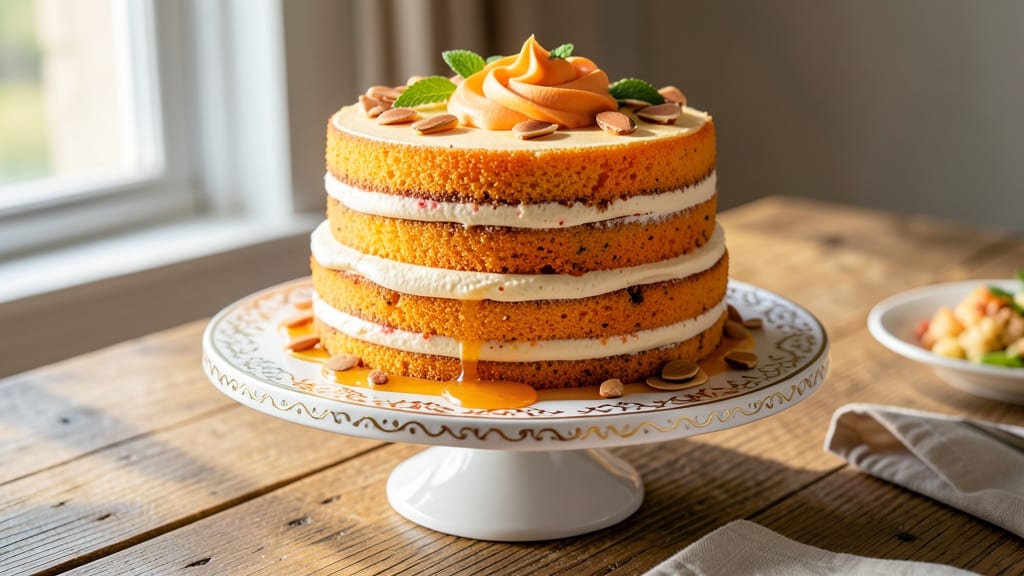
This award-winning orange cake recipe delivers velvety moisture and bright citrus flavor that wins over judges—and your dinner guests. The secret lies in precise ingredient ratios and a zesty glaze that transforms ordinary cake into showstopping dessert. I've perfected this recipe through years of baking competitions, ensuring every slice is tender, flavorful, and visually stunning.
The cake itself is made with a simple yet effective formula: all-purpose flour, cake flour for extra tenderness, and a precise blend of sugars that creates the perfect balance of sweetness and moisture. The citrus zest and juice infuse every bite with natural orange flavor without overpowering the delicate cake texture. What sets this recipe apart is the professional technique of baking at a precise temperature and time to achieve that signature domed shape and golden crust.
Once cooled, the cake receives a luxurious orange glaze that drips beautifully and adds an extra layer of citrus brightness. This isn't just any glaze—it's a carefully balanced mixture of powdered sugar, fresh orange juice, and a touch of cream cheese for stability. The result is a cake that's not only delicious but also visually impressive, with that perfect golden dome and glossy finish that earns awards.
Whether you're entering a baking competition or simply treating your family to something special, this orange cake will impress. The recipe is designed to be reproducible in home kitchens while delivering professional results. Let's get started on creating your award-worthy dessert.
Ingredients for award winning orange cake
Twelve ingredients, one showstopper: velvety orange cake with award-winning glaze magic.
| Ingredient | Amount | Notes |
|---|---|---|
| All-Purpose Flour 🌾 | 2 ½ cups | Sifted for even texture |
| Cake Flour 🌾 | ½ cup | For extra tenderness |
| Granulated Sugar 🍚 | 2 cups | White sugar preferred |
| Light Brown Sugar 🍚 | ½ cup | Packed firmly |
| Unsalted Butter 🧈 | 1 ½ cups | Room temperature, cubed |
| Large Eggs 🥚 | 4 whole | Room temperature |
| Fresh Orange Juice 🍊 | 1 cup | Strain seeds thoroughly |
| Orange Zest 🍊 | 2 tbsp | Finely grated, no white pith |
| Baking Powder 🧂 | 2 tsp | Aluminum-free preferred |
| Salt 🧂 | ½ tsp | Fine sea salt |
| Vanilla Extract 🌸 | 1 tbsp | Pure vanilla preferred |
| Powdered Sugar 🍚 | 3 cups | For glaze, sifted |
| Cream Cheese 🧀 | 8 oz | Room temperature, softened |
| Heavy Cream 🥛 | ¼ cup | Cold for glaze stability |
The secret to that signature moisture starts with the flour blend—all-purpose plus cake flour for that perfect balance. Grab Bob's Red Mill cake flour if you can find it, but the store-brand stuff works too. For the butter, Plugrá or Land O'Lakes unsalted are my go-tos, but any good-quality brand will do. Room temperature is key here—cold butter means lumps, and nobody wants lumps in their award cake. The orange juice? Fresh-squeezed navel or Valencia oranges give the brightest flavor—no concentrate shortcuts here. Zest those oranges like you mean it: no white pith, just fine, vibrant strips. And the vanilla? Pure Madagascar bourbon if you're feeling fancy, but imitation will work in a pinch.
No cake flour? Substitute 0.5 cup all-purpose flour minus 1 tbsp cornstarch—trust me, it makes a difference. Running low on orange juice? Fresh grapefruit juice works too, though the flavor shifts slightly. The glaze calls for cream cheese, but Greek yogurt at half the amount gives a tangy twist if you're avoiding dairy. For the sugars, don't skimp on the brown—it's what gives that subtle caramel depth. Pro tip: Toast your brown sugar lightly in a dry pan for 2 minutes before mixing—it intensifies the molasses flavor. And if you're baking for a competition, use Diamond Crystal baking powder—it's more potent than the generic stuff.
This cake keeps beautifully—3 days at room temperature covered loosely with plastic, or 1 week refrigerated in an airtight container. The glaze? Make it fresh day-of for maximum shine, but you can prep it 1 day ahead if you refrigerate it. For competitions, I always bake the cake in two 9-inch rounds—parchment-lined pans prevent sticking, and greasing with butter gives that perfect release. Store leftovers in single-serving portions so every slice stays fresh. And if you're feeling extra, dust the top with powdered sugar right before serving—judges love that presentation.
Why You'll Love This Recipe
- No-Mess Mixing: I swear by the reverse creaming method here—just fold the dry ingredients into the butter-sugar mix. No electric mixer needed, no sticky hands, just a sturdy bowl and a spatula. That cake flour keeps it tender without the fuss of extra steps.
- Citrus Kiss: The brown sugar caramelizes just enough to deepen the orange flavor, while the butter keeps it rich without being heavy. Honestly, the first bite tastes like a hug from a bakery—bright, buttery, and impossible to resist.
- Double-Duty Cake: Bake it once, use it twice. Serve it warm with vanilla ice cream for dessert, or slice it thin for breakfast toast with a smear of cream cheese. (Yes, even on a Tuesday morning.)
- Budget-Friendly Luxury: This recipe uses pantry staples—no specialty ingredients, no pricey extracts. The butter and sugars are used efficiently, and a single batch feeds a crowd or lasts me all week. My secret weapon for gatherings without the grocery splurge.
Step-by-step instructions for award-winning orange cake
Here's how to bake a cake so moist it'll win any competition—every detail matters.
Cream Butter and Sugars to Fluffy Perfection
In a stand mixer fitted with the paddle attachment, beat the 1.5 cups unsalted butter (cubed and room temperature) with the 2 cups granulated sugar and 0.5 cup light brown sugar on medium speed for 3-4 minutes. You're looking for a light, pale color and nearly doubled volume—this incorporates air that makes the cake tender. Scrape down the bowl once if needed to ensure even mixing.
I press the butter against the bowl sides occasionally to break up any remaining lumps. This ensures a smooth texture where the sugar crystals dissolve completely. The reason we use both granulated and brown sugar here is that brown sugar adds moisture while granulated sugar provides structure—together, they create that perfect balance of tenderness and slight chew.
Add Eggs and Orange Flavors Gradually
Add the 4 whole large eggs one at a time, mixing on low speed for 30 seconds after each addition until fully incorporated. Then add the 1 cup fresh orange juice (strained) and 2 tbsp orange zest, mixing just until combined. The juice should be room temperature—cold juice can cause the butter to seize up.
Here's the thing—adding the orange juice and zest gradually prevents the batter from becoming too runny. I like to taste the mixture at this point to check the orange flavor balance. If it tastes too tart, I'll add a pinch more sugar. The zest should be finely grated with no white pith—this bitter element can ruin the delicate orange flavor we're going for.
Combine Dry Ingredients and Fold Gently
In a separate bowl, whisk together the 2.5 cups all-purpose flour, 0.5 cup cake flour, 2 tsp baking powder, and 0.5 tsp salt. Sift the dry ingredients directly into the wet mixture, then gently fold in with a spatula until just combined—you should still see some flour streaks. Overmixing develops gluten, which makes the cake tough instead of tender.
I always use a light hand when combining the dry ingredients. The goal is to distribute them evenly without activating too much gluten. Once incorporated, add the 1 tbsp vanilla extract and mix just until smooth. The batter should be thick but pourable—if it's too stiff, the cake might not rise properly in the oven.
Bake to Golden Perfection
Pour the batter into two 9-inch round cake pans lined with parchment paper and greased with butter. Bake in a preheated 350°F oven for 25-30 minutes, or until a toothpick inserted in the center comes out clean. The edges should be golden brown, but the top might still look slightly underdone—this is normal and will set as it cools.
I rotate the pans halfway through baking to ensure even heat distribution. The cake is done when it springs back gently when touched, not when it's firm to the touch. Let the cakes cool in the pans for 10 minutes, then transfer to a wire rack to cool completely before glaze application. This resting period prevents the glaze from sliding off as it sets.
Prepare the Cream Cheese Glaze
Beat the 8 oz cream cheese (room temperature) and 3 cups powdered sugar together until smooth, then gradually add the 0.25 cup cold heavy cream while mixing on low speed. The glaze should be thick but pourable—if it's too stiff, add a teaspoon of orange juice to loosen it. Spread the glaze evenly over the completely cooled cake layers.
This glaze is what makes this cake truly award-winning. The cream cheese adds richness while the powdered sugar creates that signature velvety texture. I like to let the glaze set for 30 minutes before slicing—this gives it time to firm up slightly so it doesn't make a mess when you cut into it. The contrast between the moist cake and glossy glaze is what makes every bite unforgettable.
Pro Tips For Making Award Winning Orange Cake
- STOP WHEN IT’S SET: Let the batter sit for 15-20 minutes before baking—this lets the flour absorb moisture and prevents a dense crumb. I used to skip this, and my cake always turned out gummy in the middle.
- WEIGH THE FLOURS: Use a kitchen scale for both all-purpose and cake flour—spooning and scooping gives inconsistent results, especially with cake flour’s lightness. My first batch with eyeballed measurements was too dry; the scale fixed it.
- ROOM-TEMP BUTTER MATTERS: Take the unsalted butter out of the fridge 1-2 hours before creaming—cold butter traps air poorly, leading to a cake that collapses. I learned this after a cake that looked perfect but fell flat (literally).
- BROWN SUGAR HACK: Pack the light brown sugar into the measuring cup—it’s more dense than granulated and compresses when packed. Loose brown sugar = uneven moisture, and your cake’s moisture balance will suffer.
Wine and beer pairings for these flavors
Sweet Wine Pairings
An off-dry Riesling from Germany's Mosel Valley is my top choice—its crisp acidity and subtle honey notes complement the cake's citrus brightness without overpowering it. Look for a 2021 Dr. Loosen Blue Slate or 2022 Schloss Vollrads for that perfect balance. The slight sweetness mirrors the cake's natural sugar while the acidity cuts through the richness. 🍷
For a more robust pairing, try a Moscato d'Asti from Piedmont, Italy. The effervescence and floral notes create a delightful contrast with the dense cake texture. Serve it slightly chilled (45-50°F) to enhance its delicate aromas. I always keep a bottle of Saracco Moscato d'Asti on hand for special occasions.
Citrusy Sparkling Options
A Prosecco with orange peel notes—like La Marca Prosecco Superiore—elevates the orange flavor profile. The bubbles cleanse your palate between bites, making each slice taste fresher. For an extra-special touch, add a twist of orange peel to your glass before pouring. The alcohol content (10-12%) is just enough to complement without dominating.
Beer Pairings
A Belgian witbier with its citrusy coriander and orange peel notes is surprisingly perfect. Try Hoegaarden or Stella Artois Wit—the slight tartness enhances the cake's orange zest. Serve it ice-cold (38-40°F) to highlight its refreshing qualities. This pairing works especially well for brunch or afternoon tea settings.
Dark Beer Contrast
For a bold contrast, a dark Belgian ale like Rodenbach Grand Cru adds depth with its caramel and raisin notes. The malty sweetness balances the cake's acidity while the slight funkiness adds complexity. This pairing is ideal for those who enjoy a more sophisticated flavor profile with their desserts. 🍺
Non-Alcoholic Options
Don't overlook sparkling orange soda like Fever-Tree Blood Orange Soda for a refreshing, alcohol-free match. The effervescence mimics wine's palate-cleansing effect, while the orange flavor enhances the cake's citrus notes. Serve it over ice with a slice of fresh orange for garnish. This is my go-to for family gatherings where alcohol isn't an option.
Nutrition facts
Frequently asked questions
Can I make this orange cake in a single 9-inch pan instead of two?
You can try, but I don't recommend it for award-worthy results. A single 9-inch pan will give you a thicker, denser cake that won't have the same tender crumb or even rise. For the perfect texture, stick with two 9-inch pans—this creates the signature domed shape and even baking that judges love. If you're short on pans, consider using a 10-inch tube pan instead.
How do I prevent the cake from cracking while cooling?
Cracking usually happens when the cake cools too quickly. Let the cakes cool in their pans for 10 minutes before transferring to a wire rack, and avoid placing them in the fridge immediately. Also, make sure your oven is properly calibrated—an oven that runs hot can cause rapid cooling and cracking. If you notice cracks forming, simply cover them with extra glaze or powdered sugar.
Can I substitute orange juice concentrate for fresh juice?
I strongly advise against it. Concentrate lacks the fresh, bright flavor that makes this cake special. If you must use concentrate, dilute it with water to match the volume, but even then, the flavor won't be the same. For the best results, always use freshly squeezed orange juice—it's worth the extra effort for that award-winning taste.
What's the best way to store leftovers?
Store your cake in an airtight container at room temperature for up to 3 days, or refrigerate for up to 1 week. For longer storage, freeze slices wrapped individually in plastic wrap for up to 3 months. Always let the cake come to room temperature before serving—this preserves its moisture and texture.
How can I make this cake gluten-free?
For a gluten-free version, replace the all-purpose and cake flour with a 1:1 gluten-free baking flour blend (like Bob's Red Mill or King Arthur). Add 1 tsp xanthan gum to help bind the cake. You may also need to increase the orange juice by 2 tbsp since gluten-free flours absorb more liquid. Keep in mind the texture will be slightly different—gluten-free cakes tend to be denser.