
Main Courses
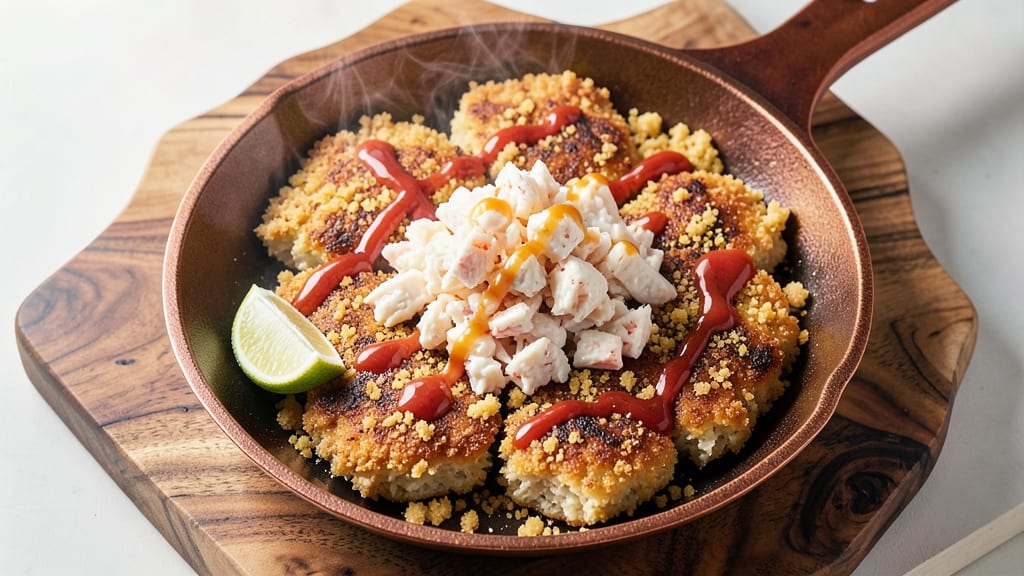
This award-winning Maryland crab cake recipe delivers the crispy golden crust and sweet crab filling that make it a Chesapeake Bay classic. The secret lies in using fresh lump crabmeat and Old Bay seasoning, combined with a perfectly balanced binder that keeps the cakes tender yet sturdy. I’ve refined this recipe over years of testing—each bite should crackle with texture while melting with sweet, briny crab flavor.
The key to award-worthy crab cakes is the technique: lightly breading the cakes for a crisp exterior while keeping the center moist and flavorful. We’ll use a mix of panko and cornmeal for extra crunch, and a touch of Dijon mustard in the batter to bind everything together without overpowering the crab. This recipe serves four, with each cake packed with just the right amount of Old Bay for that signature Maryland tang.
What you’ll end up with is a plate of crispy golden crab cakes that look and taste like they belong in a waterfront seafood shack. The exterior will be perfectly browned, the interior tender with pockets of sweet crab, and the crust so satisfying it’ll disappear before you can say “Chesapeake Bay.” Serve with lemon wedges and a side of tartar sauce for the full experience.
Whether you’re hosting a summer gathering or craving a taste of the East Coast, these crab cakes are foolproof and always impressive. The recipe includes tips for frying or baking, so you can choose the method that works best for your kitchen. Let’s get started—your taste buds will thank you.
Ingredients for award winning maryland crab cake
Fresh crabmeat, crispy crust, and that signature Old Bay tang—here's what makes these crab cakes shine.
| Ingredient | Amount | Notes |
|---|---|---|
| Fresh Lump Crabmeat 🦀 | 1 ½ lb | Backfin preferred, no shell pieces |
| Large Eggs 🥚 | 2 whole | Cold, beaten for binding |
| All-Purpose Flour 🌾 | ¼ cup | For light coating |
| Panko Breadcrumbs 🍞 | ½ cup | Japanese-style for extra crunch |
| Yellow Cornmeal 🌽 | ¼ cup | For texture contrast |
| Dijon Mustard 🍯 | 1 tbsp | Mild for subtle tang |
| Old Bay Seasoning 🌶️ | 1 ½ tbsp | Classic Maryland blend |
| Mayonnaise 🥫 | ¼ cup | For moisture binding |
| Fresh Lemon Juice 🍋 | 1 tbsp | Brightens crab flavor |
| Unsalted Butter 🧈 | 2 tbsp | Melted for frying |
| Vegetable Oil 🫒 | ½ cup | For frying alternative |
| Salt 🧂 | ½ tsp | Adjust to taste |
| Black Pepper 🌶️ | ¼ tsp | Freshly cracked |
| Lemon Wedges 🍋 | 4 whole | For serving garnish |
The crabmeat is everything. Backfin lump is the gold standard—no shell pieces, just sweet, meaty chunks. Grab it fresh from the seafood counter (or frozen if you're not near the coast) and let it sit at room temperature for 10 minutes before handling. Chesapeake Bay Seafood or your local fishmonger will have the best quality. If you're using frozen, thaw it overnight in the fridge—never under running water or it'll turn rubbery. The Old Bay? Don't skimp—it's what gives these crab cakes their signature Maryland flavor. McCormick's is the classic brand, but any quality spice blend will work if you can't find it.
No panko? Regular breadcrumbs plus a pinch of baking powder for lift works in a pinch. Short on cornmeal? Semolina or extra flour gives similar texture. The mayo is non-negotiable for binding—it keeps the cakes tender without making them soggy. If you're avoiding mayo, Greek yogurt at half the amount works too (though purists will notice the difference). The butter for frying? European-style has a higher smoke point, but regular unsalted works fine. And that lemon juice? Fresh is a must—bottled just won't cut it. The eggs need to be cold when you mix them in, or they'll cook before the crabmeat does.
These keep best if you make them fresh, but you can prep the batter ahead and refrigerate for up to 6 hours. For frying, keep the oil at 350°F—too hot and they'll burn before cooking through. The cakes will stay crispy for about 20 minutes after frying, so serve immediately. Leftovers? 3 days in the fridge, but honestly, they won't last that long. The best part? The crispy crust reheats beautifully in a 350°F oven for 5-10 minutes—just watch them like a hawk or they'll dry out.
Why You'll Love This Recipe
- No-Fuss Assembly: I swear, these come together faster than ordering takeout. Just mix the crabmeat with egg, flour, and a pinch of Old Bay—no fancy techniques, no stress. The panko and cornmeal give that perfect crunch without extra work.
- Ocean in Every Bite: That first crispy crackle gives way to sweet, buttery crabmeat—it’s like Maryland’s coastline in your mouth. The cornmeal adds a subtle sweetness that balances the briny crab, and the panko? Pure texture magic.
- Weeknight to Party Ready: Serve them with lemon aioli for a lazy Tuesday dinner or pile them high on a platter for a summer shindig. They freeze like a dream too, so I always make a double batch—because why not have crab cakes on demand?
- Leftovers That Don’t Suck: Unlike most fried foods, these stay crispy when reheated (air fryer is your friend). And honestly? The second batch is always the best—because nobody resists seconds when they’re this good. Budget-friendly too, since a little crab goes a long way with the right binder.
Step-by-step instructions for award-winning Maryland crab cakes
Here's how to achieve that legendary Maryland crab cake texture—crispy golden crust with tender, sweet crab filling.
Prepare the Crab Mixture
In a large bowl, gently fold together the 1.5 lb fresh lump crabmeat, 2 whole large eggs, 0.25 cup mayonnaise, 1 tbsp fresh lemon juice, 1 tbsp Dijon mustard, 1.5 tbsp Old Bay seasoning, 0.5 tsp salt, and 0.25 tsp black pepper. I use a rubber spatula for this—be gentle to avoid breaking the crab lumps. You want just enough mixing to combine everything without overworking the delicate crab.
Here's the thing—don't skip the lemon juice. It brightens the crab flavor and helps bind the mixture. The Old Bay seasoning is non-negotiable; it's what gives Maryland crab cakes their signature zing. If your crabmeat feels dry, add another 1 tsp lemon juice—this keeps the filling moist while baking.
Build the Crispy Coating
In a separate shallow bowl, combine the 0.25 cup all-purpose flour, 0.5 cup panko breadcrumbs, and 0.25 cup yellow cornmeal. I like to mix these dry ingredients first so they're evenly distributed when coating. The panko gives that perfect crunch, while the cornmeal adds a subtle texture contrast that makes these crab cakes stand out.
Working with half the crab mixture at a time, roll each portion gently between your palms to form 4 equal patties (about ½-inch thick). Then dredge each patty through the flour mixture, pressing lightly to adhere. Don't press too hard or the coating will crumble. Place the coated patties on a parchment-lined plate and repeat with the remaining crab mixture.
Chill the Crab Cakes
Cover the coated crab cakes with plastic wrap and refrigerate for at least 30 minutes. This step is crucial—it lets the coating set and prevents the crab cakes from falling apart when you fry them. I usually chill them for up to 2 hours if I have time; this gives you more control when frying and ensures a perfect sear.
While they're chilling, here's a pro tip: if your kitchen gets warm, pop them in the freezer for 15 minutes instead. The cold temperature helps solidify the coating even faster. Just make sure they're completely cold before frying—warm crab cakes will release too much moisture and steam instead of crisping.
Fry to Golden Perfection
Heat 2 tbsp unsalted butter and 0.5 cup vegetable oil in a large skillet over medium heat until the butter melts and the oil shimmers (around 350°F). You want the oil hot enough to sizzle when you add the crab cakes but not so hot that it burns the coating. Test it by dropping in a small piece of crab cake—it should sizzle gently and turn golden in 2-3 minutes.
Carefully add the chilled crab cakes to the skillet, working in batches if needed so you don't overcrowd the pan. Fry for 3-4 minutes per side until they're deep golden brown and the coating is crispy. Real talk: don't walk away. The coating burns fast, and you want that perfect balance of crispy outside and tender inside. Use a fish spatula to flip them gently—crab cakes are delicate!
Serve with Zesty Lemon
Transfer the fried crab cakes to a paper towel-lined plate to drain any excess oil. Let them rest for 2-3 minutes—this helps the coating set even more. Serve immediately with the 4 whole lemon wedges on the side. The lemon brightens every bite and cuts through the richness of the crab and butter.
For the ultimate Maryland experience, serve these crab cakes with a side of tartar sauce or a simple remoulade. The crispy exterior should shatter slightly when you bite in, revealing that tender, sweet crab filling underneath. That's the hallmark of an award-winner! If you're making these ahead, fry them just before serving—they're best enjoyed fresh and crispy.
Pro Tips For Making Award Winning Maryland Crab Cake
- CHILL THE CRAB: I used to skip this, but after watching my first batch turn into a sad, greasy mess, I learned: dump that lump crab into an ice bath for 10 minutes before mixing. Keeps the meat firm and prevents it from turning to mush when you add the wet ingredients—especially crucial if your kitchen’s warmer than a Maryland summer.
- DRY YOUR PANKO: That panko-cornmeal crust won’t stick worth a damn if your breadcrumbs are damp. Spread them on a baking sheet and microwave for 30 seconds before mixing—yes, even if they look dry. I tried toasting them in the pan later, but by then the crab mixture was already in there, and the crust just turned to paste. Trust me, do it upfront.
- PAT THEM FLAT: Don’t just eyeball it. Press those cakes down to ½-inch thickness with your palm or a glass—no thicker than that, or they’ll steam instead of sear. I once made a batch that looked perfect but ended up dense and undercooked inside. The secret’s not just heat; it’s surface area. Make them even, or you’re fighting the recipe.
- SALTY BUTTER TEST: Use unsalted butter for frying, but here’s the thing: don’t skimp on salt. Taste the melted butter before adding it to the pan—if it’s bland, add a pinch. I learned this after a batch tasted like it was missing something, even though I’d salted everything else. The butter’s the glue holding that crust together, and it needs flavor too.
Storing and reheating this dish
Refrigerator Storage
Store any leftover crab cakes in an airtight container with parchment paper between layers to maintain crispiness. They’ll keep in the fridge for up to 3 days, but honestly, they won’t last that long—they’re too good! The key is to let them cool completely before storing, or condensation will make the coating soggy. I like using glass containers with tight-sealing lids—they keep the texture better than plastic. 🥫
Freezer Prep Tips
For longer storage, freeze the uncooked crab cake mixture (before shaping) in a freezer-safe bag for up to 3 months. Portion it into individual ½-inch thick patties on a parchment-lined tray, freeze solid, then transfer to a bag. This prevents freezer burn and makes thawing easier. When ready to cook, thaw in the fridge overnight—never microwave, or the crab will turn rubbery. 🧊
Reheating Crispy Perfection
To revive the crispy crust, place crab cakes on a wire rack over a baking sheet and bake at 350°F for 5-10 minutes until golden again. Avoid microwaving—it’ll turn them soggy. For extra crunch, spray the tops with cooking oil before reheating. I also like adding a lemon wedge while warm—it brightens the flavors and reminds me of that fresh-from-the-fryer taste. 🔥
Frying Leftovers
If you prefer frying, heat 2 tbsp butter in a skillet over medium heat until melted. Add the crab cakes and cook for 2-3 minutes per side until golden. The secret is to keep the heat consistent—too hot and they’ll burn, too low and they’ll steam. A candy thermometer helps monitor the temperature. Serve immediately with tartar sauce for that classic Maryland touch. 🍽️
Make-Ahead Mixture
Prep the crab cake batter ahead and store it in the fridge for up to 6 hours before shaping. This saves time on busy days. Just keep the mixture cold until ready to coat and fry—warm batter will make the cakes fall apart. I’ve even made the batter the night before and shaped them in the morning, then fried right before serving. The flavor develops beautifully over time, especially with the Old Bay. 💫
Nutrition facts
Frequently asked questions
Why does Maryland crab cake batter need to chill before frying?
Chilling the batter for 30 minutes to 2 hours lets the coating set and prevents the crab cakes from falling apart when frying. The cold temperature helps the flour and panko adhere better, creating that signature crispy crust while keeping the crab filling intact. Pro tip: if your kitchen is warm, a 15-minute freezer chill works even better!
Can I bake these crab cakes instead of frying?
Preheat your oven to 400°F and bake the coated crab cakes for 12-15 minutes until golden brown. For extra crispiness, broil for 1-2 minutes at the end. Baking uses 1 tbsp olive oil sprayed on top instead of butter/oil for frying. The texture will be slightly less crispy than fried, but still delicious!
What's the best way to handle crabmeat with shell pieces?
If your crabmeat has shell pieces, pick them out carefully using a tweezers or small fork before mixing with the batter. Shell pieces can make the crab cakes dense. For the best texture, use Backfin lump crabmeat which is pre-picked. If you're using frozen crabmeat, thaw it overnight in the fridge—never under running water, or it'll turn rubbery.
How do I make these crab cakes gluten-free?
Replace the flour with ½ cup gluten-free all-purpose flour and use ½ cup gluten-free panko for coating. The cornmeal can stay as-is. For binding, use ½ cup gluten-free mayo or Greek yogurt. The texture will be slightly different but still delicious. Just make sure all your ingredients are certified gluten-free to avoid cross-contamination.
Can I use imitation crab instead of fresh?
While not traditional, you can use imitation crab in a pinch—but expect a different texture. Drain it well and pat dry to remove excess moisture. Add 1 extra tbsp lemon juice to the batter to compensate for the lack of natural sweetness. For the best flavor, stick with fresh lump crabmeat whenever possible—it makes all the difference in an award-winning dish!