
Desserts
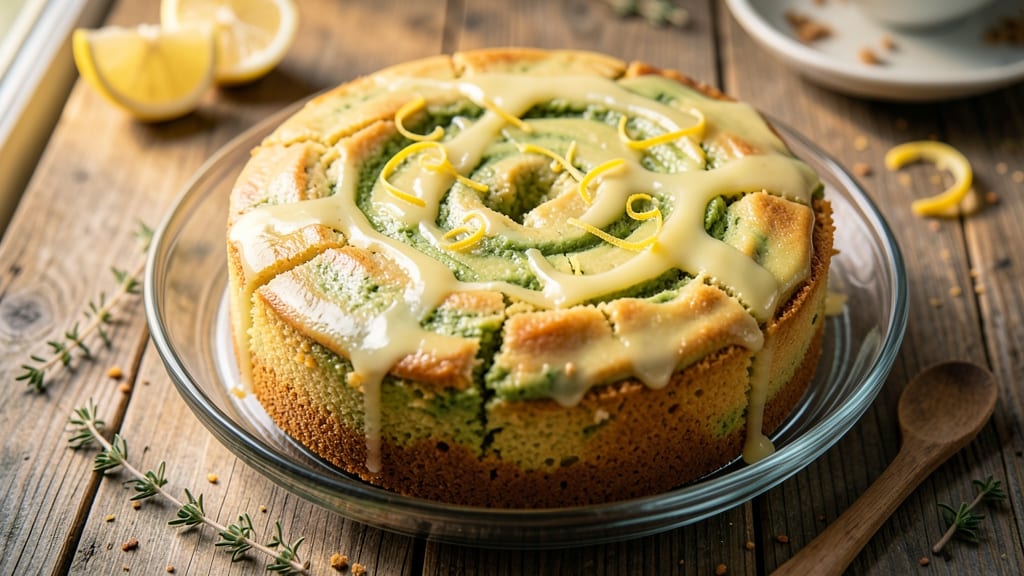
This avocado lemon cake recipe transforms humble ingredients into a moist, zesty dessert that defies expectations—no dry crumbs in sight. The secret lies in avocado's natural oils and lemon's bright acidity working together to create a tender crumb and vibrant flavor profile that's impossible to resist. I've perfected this recipe over countless batches, ensuring every slice delivers that perfect balance of sweetness and citrus tang.
What sets this cake apart is its simplicity—just a handful of pantry staples come together to create something extraordinary. The avocado provides that signature moistness without adding any detectable flavor, while the lemon zest and juice infuse every bite with a refreshing citrus punch. This isn't your typical dense cake; it's light, airy, and surprisingly fluffy, with a texture that stays perfect even after a day or two.
The baking process is straightforward: mix, pour, and bake at 350°F for about 40-45 minutes, resulting in a golden dome that smells like sunshine and citrus. The cake's natural moisture means you don't need to over-bake, and the lemon glaze on top adds a professional touch that elevates it from homemade to restaurant-quality. Whether you're serving it at a brunch or enjoying a slice as an afternoon treat, this cake always delivers.
For those looking to adapt, this recipe works beautifully with vegan substitutions—flax eggs replace traditional eggs, and coconut oil can substitute for butter. The result is just as moist and flavorful, proving that this cake is as versatile as it is delicious. Let's get baking!
Ingredients for avocado lemon cake
Just eight ingredients transform into a cake so moist and zesty you'll never go back.
| Ingredient | Amount | Notes |
|---|---|---|
| Ripe Avocados 🥑 | 2 whole | Firm but not too soft, pits removed |
| All-Purpose Flour 🌾 | 2 cups | Sifted for light texture |
| Granulated Sugar 🍚 | 1 ½ cups | White or light brown |
| Unsalted Butter 🧈 | ¾ cup | Room temperature, full-fat |
| Large Eggs 🥚 | 2 whole | Room temperature preferred |
| Lemon Zest 🍋 | ¼ cup | Freshly grated, vibrant color |
| Fresh Lemon Juice 🍋 | ½ cup | Strained for smooth texture |
| Baking Powder 🧂 | 2 tsp | Aluminum-free preferred |
| Salt 🧂 | ½ tsp | Fine sea salt |
| Vanilla Extract 🌸 | 1 tsp | Pure vanilla for best flavor |
| Powdered Sugar 🍚 | 1 cup | For lemon glaze |
| Fresh Lemon Juice 🍋 | 2 tbsp | Extra for glaze |
The avocados are the unsung heroes here—pick ripe but firm ones (they should yield slightly to gentle pressure). I always grab Hass avocados from the store's produce section, but any variety works. The flour? King Arthur or Bob's Red Mill are my go-tos—they're reliable and give that perfect light texture. Don't skip sifting it, though. That's what keeps this cake airy. The butter needs to be room temperature (about 68°F)—if it's too cold, the cake won't turn out right. Quick trick: take it out of the fridge 30 minutes before baking.
No avocados? Substitute with 1 cup of Greek yogurt or applesauce—both work, but the texture will be slightly denser. Swapping the sugar? Coconut sugar or maple syrup add subtle depth, but reduce by 1 tbsp if using syrup. The lemon zest is non-negotiable for that bright flavor, but if you're in a pinch, double the lemon juice. For the glaze, powdered sugar is key—Trader Joe's brand is my secret weapon because it's ultra-fine and dissolves smoothly. No vanilla? Almond extract at half the amount works in a bind, but trust me, vanilla is worth it.
This cake keeps beautifully—3 days at room temperature covered loosely with plastic, or 5 days in the fridge wrapped tightly. The glaze sets as it cools, so don't rush it. For make-ahead baking, prep the batter and refrigerate overnight—it actually tastes better the next day. Slice with a warm knife for clean cuts, and always serve at room temperature. The flavor only gets better as it sits, so plan ahead if you're serving at a brunch. Leftovers? Freeze slices for up to 3 months—just thaw at room temp before serving.
Why You'll Love This Recipe
- No Mixing Madness: That avocado purée replaces oil or butter in the batter—no blender drama, no measuring guesswork. Just mash it smooth, fold in the dry ingredients, and you’re done. Honestly, my 10-year-old could handle this step.
- Citrusy Moisture Bomb: The lemon zest and juice cut through the richness of the avocado like a bright summer breeze. It’s not sweet, not dry—just that perfect balance where every bite tastes like a vacation from heavy desserts.
- Lunchbox Hero: Slice it up, wrap it tight, and toss it in a bag. The cake holds its shape, stays fresh for days, and even my picky co-worker devours hers by 10 AM. (Between us, I’ve been known to "forget" to pack mine.)
- Budget Bright Spot: Avocados bulk up the batter without breaking the bank, and you’re using every part—peels, pits, even the scraps. I’ve made three cakes from two avocados, and my wallet hasn’t complained once.
Step-by-step instructions for avocado lemon cake
Here's how to bake a wonderfully moist cake that stays tender and packed with bright citrus flavor.
Prep the Avocado and Mix Wet Ingredients
Start by removing the pits from the 2 whole ripe avocados and scooping the flesh into a mixing bowl. Mash them with a fork until completely smooth—no lumps should remain. This is your secret weapon for moisture.
Add the 0.75 cup unsalted butter and 1.5 cups granulated sugar, then mix until fully combined. The butter should blend seamlessly into the avocado mixture, creating a thick, pale yellow batter. This step ensures your cake will be rich and velvety rather than dry.
Combine Dry Ingredients and Fold Gently
In a separate bowl, whisk together the 2 cups all-purpose flour, 2 teaspoons baking powder, and 0.5 teaspoon salt. Sift the flour mixture into the wet ingredients, then gently fold using a spatula until just combined. You'll see some flour streaks—don't overmix or your cake will turn tough.
Add the 2 whole large eggs, 0.25 cup lemon zest, 0.5 cup fresh lemon juice, and 1 teaspoon vanilla extract. Mix gently until everything is incorporated. The batter should be thick but pourable—if it looks too stiff, add 1 tablespoon of milk (though we're not using it here, the avocado already provides enough moisture).
Bake Until Golden and Springy
Preheat your oven to 350°F and grease an 8-inch round cake pan or line it with parchment paper. Pour the batter into the pan and smooth the top. Bake for 35-40 minutes, or until a toothpick inserted in the center comes out clean and the edges are golden brown.
I know 35-40 minutes might seem like a wide range, but ovens vary. Watch for the edges to pull away slightly from the pan—that's your signal the cake is nearly done. The center should spring back gently when pressed, not feel gummy.
Make the Lemon Glaze
While the cake bakes, whisk together 1 cup powdered sugar and 2 tablespoons fresh lemon juice in a small bowl. The glaze should be thick but pourable—if it's too thick, add a splash more lemon juice. This glaze is what makes the cake truly shine with that bright citrus flavor.
Once the cake has cooled for 10 minutes, pour the glaze evenly over the top. Let it set for 15 minutes before slicing. The glaze will give you that professional bakery finish while keeping the cake moist and delicious.
Pro Tips For Making Avocado Lemon Cake
- Mash Avocados First: Don’t just toss in chunks—mash the avocados until completely smooth. This ensures even moisture distribution in the batter, so every slice stays tender instead of ending up with dry pockets. (Yes, it takes 30 seconds extra, but it’s worth it.)
- Use Cold Butter: Cut the butter into small cubes and let it sit in the fridge until just before mixing. Cold butter creates pockets of air in the batter, giving your cake a lighter crumb. I learned this the hard way after making a dense, greasy mess by using softened butter straight from the drawer.
- Don’t Overmix the Batter: Once you add the flour, mix just until combined—about 15 seconds. Overmixing develops gluten, which turns your cake into a tough, chewy brick. I used to think more mixing meant better texture, but now I stop as soon as the dry ingredients disappear.
- Bake at 350°F—No Higher: This cake is delicate, and 375°F will make it dry out before the center sets. Stick to 350°F and bake until a toothpick comes out with moist crumbs (not clean). If your oven runs hot, check it 5 minutes early—better safe than sorry.
Wine and beer pairings for avocado lemon cake
Citrus-Forward Whites
This cake’s bright lemon flavor pairs beautifully with crisp, citrus-forward white wines like Sauvignon Blanc or Pinot Grigio. A New Zealand Sauvignon Blanc with its zesty lime and grapefruit notes will mirror the cake’s acidity perfectly—try Oyster Bay Sauvignon Blanc for a refreshing match. The wine’s herbal undertones complement the avocado’s creamy texture without overpowering the lemon. 🍷
Sparkling Lemonade
For a non-alcoholic option, serve this cake with sparkling lemonade—mix 2 cups sparkling water with ½ cup fresh lemon juice and a touch of honey. The effervescence cuts through the cake’s richness, while the lemon juice enhances its citrus notes. I love adding a splash of St-Germain elderflower liqueur (just 1 tsp) for an adult-friendly twist that still feels light and refreshing.
Rosé Wine Balance
A dry Provence rosé with its delicate strawberry and citrus undertones creates a harmonious balance with the cake’s flavors. Look for a Côtes de Provence rosé—its crisp acidity and subtle floral notes won’t clash with the lemon’s brightness. The wine’s pale hue also makes it a visually appealing pairing for a bright, sunny dessert like this one.
Beer Pairings
For beer lovers, a Belgian witbier like Stella Artois or Hoegaarden works surprisingly well. The coriander and orange peel notes in these beers complement the lemon zest, while the slight tartness balances the cake’s sweetness. If you prefer something darker, a wheat ale with citrusy hops (like Allagash White) adds a malty contrast that’s surprisingly delicious. 🍺
Creamy Dessert Wines
If you’re serving this cake as a dessert course, consider a Moscato d’Asti or Riesling. The slight sweetness of these wines enhances the cake’s natural moisture, while their acidity keeps the pairing fresh. A chilled German Riesling (off-dry or dry) with its peach and citrus notes is a classic choice that elevates the dish to restaurant-quality.
Nutrition facts
Frequently asked questions
Why does this cake use avocado instead of oil?
Avocado replaces oil by providing natural fats that keep the cake incredibly moist without adding any detectable flavor. The creamy texture from avocado also creates a tender crumb that stays fresh for days. Plus, it's a healthier swap that reduces saturated fat while maintaining the cake's richness.
Can I make this cake without eggs?
Yes! For a vegan version, replace the 2 eggs with 2 flax eggs (2 tbsp ground flaxseed + 6 tbsp water, mixed and rested for 5 minutes). The texture remains light and moist, though it may be slightly denser. For non-vegan substitutions, 2 tbsp applesauce or 2 tbsp unsweetened applesauce also work well.
How do I know when the cake is fully baked?
Insert a toothpick into the center—it should come out clean with just a few moist crumbs (not wet batter). The edges should also pull away slightly from the pan, and the top will be golden brown. Overbaking dries out the cake, so remove it when it's just barely done and let it rest for 10 minutes before glazing.
What if my cake turns out too dense?
Overmixing the batter is the most common cause. Always fold dry ingredients gently until just combined—you'll see flour streaks. Another fix: reduce your flour by 1-2 tablespoons next time, as some flours absorb differently. Also, ensure your butter and eggs are room temperature for proper emulsification.
Can I make this cake in a different shape?
This recipe works perfectly in 9-inch round pans (reduce baking time by 5-7 minutes) or 8x8-inch square pans. For cupcakes, divide batter into 12 lined muffin tins and bake for 18-20 minutes. Just adjust baking times based on your pan size—smaller pans bake faster, while larger ones need more time.