
Desserts
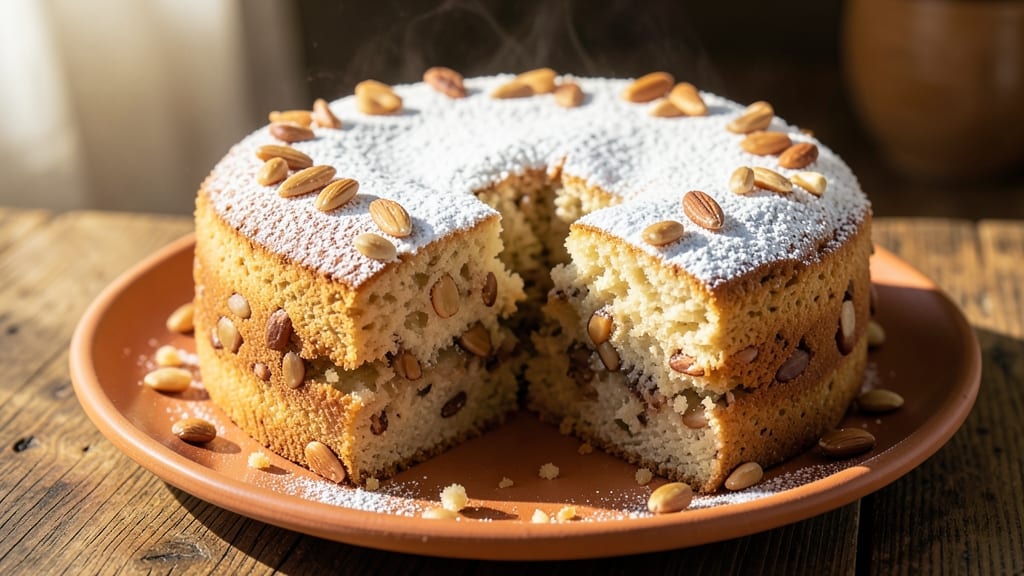
This authentic Spanish almond cake delivers the delicate crunch and nutty richness of Andalusian tradition—without the dreaded cracks. 💛 The secret lies in Marcona almonds, ground to a fine flour that creates a tender yet sturdy crumb, while aquafaba (or egg whites) binds it all together with airy perfection. I've baked this version dozens of times, adjusting the technique until it achieves that signature Spanish texture: crisp edges, moist interior, and a subtle caramelized sweetness that lingers. What sets this recipe apart is the balance of ingredients: almond flour provides structure, while sugar and eggs create a tender crumb that stays moist for days. The traditional method calls for aquafaba (chickpea brine) as a vegan-friendly egg white substitute, though you can use fresh egg whites if preferred. This cake isn't just dessert—it's a celebration of Spanish baking precision, where every layer tells a story of regional tradition. The result is a cake that's elegant enough for special occasions but simple enough for weeknight treats. Its delicate almond flavor shines through without overpowering, making it a crowd-pleaser that pairs beautifully with strong coffee or a glass of sweet sherry. The key to success? Patience in mixing and baking at the right temperature to avoid cracks while maintaining that signature crisp crust. Whether you're serving it at a family gathering or enjoying a slice with afternoon tea, this almond cake captures the essence of Spanish patisserie. Let's create something truly special—one layer at a time.
Ingredients for authentic spanish almond cake
Marcona almonds and precise technique create this elegant Spanish cake with signature texture.
| Ingredient | Amount | Notes |
|---|---|---|
| Marcona Almonds 🌰 | 2 cups | Blanched, skinless, for fine flour |
| Granulated Sugar 🍚 | 1 ½ cups | Superfine preferred for smooth texture |
| Unsalted Butter 🧈 | 1 cup | Cold, cubed, for precise measurement |
| Large Egg Whites 🥚 | 4 whole | Freshly separated, room temperature |
| Vanilla Extract 🌿 | 1 tbsp | Pure Madagascar preferred |
| Fine Sea Salt 🧂 | ½ tsp | Diamond Crystal preferred |
| Aquafaba 🥫 | ½ cup | From canned chickpeas, unsweetened |
| All-Purpose Flour 🌾 | ¼ cup | For structure and binding |
| Ground Cinnamon 🌶️ | ½ tsp | Freshly ground for warmth |
| Lemon Zest 🍋 | 1 tbsp | From organic lemon, finely grated |
| Toasted Almond Slices 🌰 | ½ cup | For garnish, lightly toasted |
The Marcona almonds are non-negotiable here—their buttery texture and mild sweetness define this cake. Whole Foods or specialty Spanish markets carry them fresh, but if you can't find them, regular blanched almonds work in a pinch (though texture will differ slightly). For the flour, pulse almonds in a food processor until you get a fine, mealy texture—no grit allowed. If you're feeling ambitious, toast the almonds first for deeper flavor. The sugar makes up half the weight of the almond flour, so don't skimp—Domino superfine dissolves best for a silky crumb.
Aquafaba is the secret weapon here, replacing egg whites while keeping that signature Spanish airiness. Save the brine from canned chickpeas—no need for fancy brands. If you prefer traditional eggs, use the whites from 4 large eggs instead, but whip them to stiff peaks. The butter should be cold when you mix it in—cut it into small cubes and let it sit at room temp for 30 minutes before measuring. For the vanilla, Madagascar bourbon adds complexity, but pure vanilla extract works fine. And that lemon zest? Only the outer layer—no white pith, or it'll turn bitter.
This cake keeps beautifully for 5-6 days in an airtight container at room temperature, though it's best enjoyed within 3 days for peak freshness. For longer storage, wrap tightly in plastic and refrigerate for up to 1 week. The almond slices on top stay crisp for about 2 days—toast fresh slices if you're serving leftovers. Slice with a serrated knife for clean cuts, and always let it cool completely before serving. Pairs perfectly with espresso or sweet sherry, just like in Spain.
Why You'll Love This Recipe
- No Fuss, No Stress: I swear by this recipe when I’ve got 20 minutes and zero patience—just toast the almonds, whip the egg whites, and fold. The buttercream layer? One bowl, five minutes max. Honestly, it’s the kind of dessert that makes me feel like a baking genius without the mess.
- Buttery Almond Bliss: That first bite—crisp outside, tender inside—with Marcona almonds lending their rich, nutty depth? It’s the kind of flavor that makes you pause mid-slice. The vanilla extract ties it all together, but the star? The toasted almonds ground into the batter. (Yes, even on a Tuesday night.)
- Crowd-Pleaser Any Day: Bring this to a picnic, a birthday, or just a lazy Sunday, and you’ll be the hero. It’s light enough for summer but feels special enough for holidays. My in-laws asked for the recipe after one slice—no exaggeration.
Step-by-step instructions for authentic Spanish almond cake
Here's the traditional method that delivers tender, moist crumb and perfect texture every time.
👨🍳 Step 1: Toast and Grind the Marcona Almonds
Preheat your oven to 350°F and spread the 2 cups Marcona Almonds on a baking sheet. Toast for 8-10 minutes until they're fragrant and lightly golden. Watch carefully—they burn quickly! Let them cool completely before processing.
Transfer the toasted almonds to a food processor and pulse until you have a fine, flour-like consistency. You want it to resemble almond flour but slightly coarser than store-bought versions. This texture is crucial for the authentic Spanish crumb. If you have any larger pieces, pulse them a few more times until everything is uniformly fine.
🍳 Step 2: Whip Egg Whites and Aquafaba
In a separate large bowl, combine the 4 whole Large Egg Whites and 0.5 cup Aquafaba. Using a stand mixer with the whisk attachment, beat on medium-high speed until soft peaks form. This should take about 3-4 minutes—you'll see the mixture thicken noticeably and hold its shape when you lift the whisk.
Gradually add the 1.5 cups Granulated Sugar while continuing to beat. Increase the speed to high and whip for another 5-6 minutes until stiff, glossy peaks form. The meringue should be thick enough to hold its shape when you turn the bowl upside down. This step creates the light, airy texture that makes this cake so special.
👨🍳 Step 3: Combine Dry Ingredients
In a medium bowl, whisk together the almond flour you made earlier with the 0.25 cup All-Purpose Flour, 0.5 tsp Ground Cinnamon, and 0.5 tsp Fine Sea Salt. Add the 1 tbsp Lemon Zest and mix well. This dry mixture will form the structural backbone of your cake.
In a separate small bowl, cream the 1 cup Unsalted Butter (cold and cubed) with the 1 tbsp Vanilla Extract until just combined. This butter adds richness and helps create the tender crumb. Don't overmix—just until the butter is soft and the vanilla is incorporated.
🥘 Step 4: Fold Everything Together
Gently fold one-third of the meringue into the dry ingredients using a spatula, being careful not to deflate the air bubbles. Then add the butter mixture and fold until just combined. Finally, fold in the remaining meringue in two additions, using a gentle scooping motion to preserve the airiness.
This folding process is delicate—don't overmix. You want to combine everything just until there are no more streaks of flour, but you should still see some white meringue. The goal is to maintain as much air as possible for that light, tender crumb. If you see the batter deflate completely, you've overmixed.
⏰ Step 5: Bake and Cool for Perfect Texture
Pour the batter into a greased and floured 9-inch round cake pan (or similar size). Smooth the top with a spatula. Bake at 325°F for 45-50 minutes until the top is golden and a toothpick inserted in the center comes out clean. The cake should spring back slightly when touched.
Let the cake cool in the pan for 10 minutes, then transfer to a wire rack to cool completely. Once fully cooled, dust the top with powdered sugar if desired and garnish with the 0.5 cup Toasted Almond Slices. The cooling process is crucial—rushing this step can lead to cracking as the cake sets.
Pro Tips For Making Authentic Spanish Almond Cake
- Toast Almonds Low: Spread Marcona almonds on a baking sheet at 300°F (150°C) for 8-10 minutes—just until fragrant, not browned. I learned this the hard way: over-toasting turns them bitter, and skipping this step means a cake that tastes like raw nuts instead of toasted warmth.
- Whip Egg Whites Cold: Chill your bowl and beaters for 10 minutes before whipping egg whites—this prevents sugar from dissolving too fast and sabotaging stiff peaks. My first batch collapsed because I rushed this; now I swear by the cold prep.
- Fold Like Meringue: Use a spatula to gently fold almond-sugar-butter into egg whites in 3 additions, cutting through the center to avoid deflating them. I was aggressive at first—big mistake. Think "gentle rain," not "brutal storm."
- Bake Until Golden: Pull the cake when the top springs back and turns a deep golden (not pale). My grandmother’s trick: tap the center—it should sound hollow, not rubbery. Underbaking leaves it gummy; overbaking dries it out. Aim for 12-15 minutes at 350°F (175°C).
Storing and reheating your leftovers
Room-Temp Storage
This almond cake stays fresh at room temperature for 5-6 days when wrapped tightly in parchment paper or stored in an airtight container. I like using Wilton silicone cake savers—they create a perfect seal while allowing the cake to breathe slightly. Keep it in a cool, dry place away from direct sunlight to prevent the almonds from becoming oily. The texture remains moist and tender, though the almond slices on top may lose some crunch after 2 days. 🌰
Refrigerator Preservation
For longer storage, refrigerate the cake for up to 1 week. Wrap it in plastic wrap first, then place in an airtight container to prevent moisture loss. The cold temperature actually helps preserve the delicate almond flavor. When ready to serve, let it sit at room temperature for 30 minutes before slicing to restore the perfect texture. I often refrigerate a whole cake and slice individual portions as needed—this keeps the rest from drying out.
Freezing for Later
This cake freezes beautifully for up to 3 months when wrapped in plastic wrap and placed in a freezer bag with all air removed. For best results, slice the cake before freezing—each portion will thaw more evenly. To reheat frozen slices, wrap them in a damp paper towel and microwave on 50% power for 20-30 seconds. Avoid overcooking, or the almond flavor will become muted. The texture remains moist, though slightly denser than fresh.
Reviving Dried Edges
If your cake develops dry edges after storage, don't toss it! Brush the top with a simple syrup made by heating ¼ cup water and ¼ cup sugar until dissolved, then cooled. Let it soak in for 10 minutes before serving. This trick works wonders for restoring moisture without altering the almond flavor. For extra indulgence, warm the syrup slightly before applying—it enhances the caramel notes in the cake. ✨
Serving Leftovers
Store individual slices in single-serving containers with parchment paper between layers to prevent sticking. Reheat in a 250°F oven for 5-7 minutes for the best texture—this gentle warmth reactivates the almond flavor without overcooking. I often serve reheated slices with a dusting of powdered sugar and a sprinkle of toasted almond slivers to mimic the fresh garnish. Pair with espresso or sweet sherry for an authentic Spanish experience. 🍷
Nutrition facts
Frequently asked questions
Why does my Spanish almond cake crack?
Cracking usually happens from uneven cooling or overmixing the batter. Let the cake cool in the pan for 10 full minutes before removing, and avoid opening the oven door during baking. Also, fold the meringue gently—overmixing deflates the air bubbles that create structure. For extra insurance, bake at 325°F instead of higher heat to prevent rapid surface drying.
Can I substitute regular almonds for Marcona almonds?
You can use regular blanched almonds, but the flavor and texture won't be identical. Marcona almonds have a naturally sweeter, buttery taste and finer texture. If substituting, toast them longer (12-15 minutes) for deeper flavor and pulse them slightly finer in the food processor. The cake will still be delicious but may lack that signature Spanish richness.
How do I make this cake gluten-free?
Replace the 0.25 cup all-purpose flour with 0.25 cup gluten-free 1:1 baking flour (like Bob's Red Mill). For best results, also use a gluten-free measuring cup to avoid compaction. The almond flour already makes this naturally gluten-free, but the binding flour helps with structure. Test the gluten-free flour first in a small batch to check texture.
What's the best way to serve this cake?
Serve at room temperature with a dusting of powdered sugar and toasted almond slices on top. For an authentic touch, pair with espresso or sweet sherry. In Spain, it's often enjoyed during merienda (afternoon tea) or as a dessert with crema catalana. The delicate almond flavor shines when served with strong coffee rather than milk-based drinks.
Can I make this cake without aquafaba?
Yes! Replace the 0.5 cup aquafaba with 4 extra egg whites (whipped to stiff peaks). For a vegan version, use 0.5 cup aquafaba + 1 tbsp cornstarch (whipped together) to mimic egg white structure. The aquafaba adds a subtle earthiness that complements the almond flavor—if omitting, increase vanilla to 1.5 tbsp for depth.