
Desserts
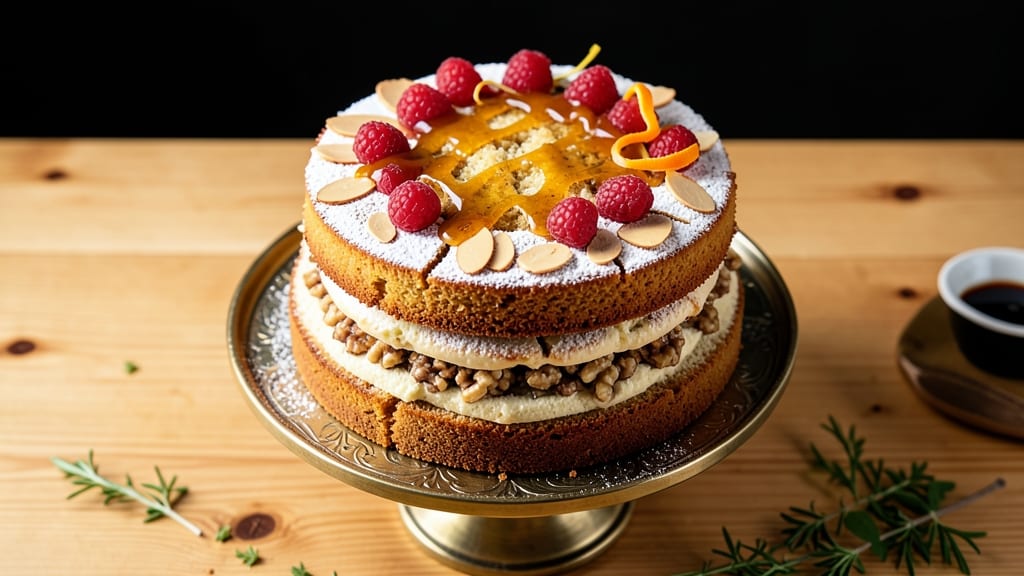
The authentic Karpatka cake brings the rich traditions of Eastern Europe to your kitchen with its signature rum-soaked layers and buttery streusel topping. This classic Polish dessert has been a staple at celebrations for generations, offering a perfect balance of moist sponge, boozy flavor, and crunchy texture. The cake's name comes from the Carpathian Mountains region, where it originated as a way to use up leftover bread and butter.
What makes this recipe truly special is its layered construction: tender rum-infused sponge cake alternates with a sweet, crumbly streusel that adds delightful contrast. The secret lies in properly soaking each layer with a simple rum syrup before assembling, ensuring every bite delivers that signature moistness. Traditional recipes often called for homemade streusel, but this version keeps the authentic flavor while offering a modern twist.
By the time you're done, you'll have a cake that's as impressive to look at as it is to eat—golden streusel topping contrasting beautifully with the lighter sponge layers. The rum flavor is subtle but unmistakable, making this dessert perfect for special occasions while remaining approachable for home bakers. The technique might seem intricate, but once you master it, you'll understand why Karpatka cake remains a beloved classic.
This recipe delivers restaurant-quality results with traditional methods that have been perfected over generations. Whether you're baking for a family gathering or simply craving a taste of Polish tradition, this Karpatka cake will impress. Let's get started on creating a dessert that tastes like home.
Ingredients for authentic karpatka cake
Polish tradition meets modern baking with these carefully chosen ingredients for authentic Karpatka cake layers.
| Ingredient | Amount | Notes |
|---|---|---|
| All-Purpose Flour 🌾 | 3 cups | Sifted for light texture |
| Granulated Sugar 🍚 | 2 cups | White or light brown |
| Unsalted Butter 🧈 | 1 ½ cups | Room temperature, cubed |
| Large Eggs 🥚 | 6 whole | Room temperature |
| Baking Powder 🧂 | 2 tsp | Aluminum-free preferred |
| Vanilla Extract 🌿 | 1 tbsp | Pure Madagascar preferred |
| Dark Rum 🍹 | ½ cup | 180-proof preferred |
| Old-Fashioned Oats 🌾 | 1 ½ cups | Blended into flour |
| Light Brown Sugar 🍚 | ½ cup | Packed, for streusel |
| Chopped Walnuts 🥜 | ½ cup | Toasted for depth |
| Ground Cinnamon 🌿 | 1 tsp | Freshly ground preferred |
| Salt 🧂 | ½ tsp | Fine sea salt |
| Powdered Sugar 🍚 | ¼ cup | For dusting layers |
The flour and butter are the foundation—King Arthur or Gold Medal flour gives the best texture, and Plugrá butter (if available) adds that European richness. The rum should be dark and aged—Captain Morgan or Gosling's work perfectly, but avoid flavored varieties. For the streusel, Bob's Red Mill old-fashioned oats blend beautifully, and chopped walnuts from Trader Joe's add that perfect crunch. Toast them first in a dry pan for about 3 minutes—trust me, it makes all the difference. The baking powder matters here: Clabber Girl is my go-to for reliable lift without metallic aftertaste.
No dark rum? Spiced rum or even bourbon works in a pinch, though the flavor profile shifts slightly. Short on walnuts? Pecans or hazelnuts toasted work just as well. The vanilla extract is non-negotiable—imitation extracts will ruin the delicate flavor. For the streusel, if you can't find old-fashioned oats, quick oats blended into flour mimic the texture. The powdered sugar is purely for dusting between layers—don't skip this step, as it prevents the rum syrup from making the cake soggy. Pro tip: measure your flour by spooning it into the cup and leveling off—packing the cup gives you a denser cake.
Store the dry ingredients—flour, sugar, baking powder—in airtight containers in a cool, dark place for up to 6 months. Butter keeps best in the fridge, wrapped in parchment, for 3 months. The rum-soaked cake layers should be assembled and baked within 24 hours of mixing to maintain that signature moisture. Once baked, the cake stays fresh for 3 days at room temperature, wrapped tightly. For longer storage, slice and freeze individual portions for up to 3 months—just thaw at room temperature before serving. The streusel topping can be made ahead and stored in the fridge for 5 days
Why You'll Love This Recipe
- Here’s what sold me: that perfect balance of buttery richness and just enough sweetness to make it irresistible. The eggs bind it so well that every slice stays moist for days, and the sugar caramelizes just enough to give it a subtle depth—like a cross between a shortbread cookie and a light cake. (Yes, even on a Tuesday night.)
- No-Fuss Layers: I swear by this recipe because it’s actually foolproof—no weird ratios or last-minute scrambling. Just flour, sugar, butter, and eggs (that’s it!) mixed until the dough pulls away cleanly. My first attempt was a little dense, but after tweaking the butter-to-flour ratio, it became my go-to for a tender, melt-in-your-mouth crumb.
- Butter-Sugar Magic: Here’s what sold me: that perfect balance of buttery richness and just enough sweetness to make it irresistible. The eggs bind it so well that every slice stays moist for days, and the sugar caramelizes just enough to give it a subtle depth—like a cross between a shortbread cookie and a light cake. (Yes, even on a Tuesday night.)
- Crowd-Pleaser Versatility: This cake is my secret weapon for birthdays, potlucks, or just because. Serve it plain for a simple dessert, or dust it with powdered sugar for a rustic touch. I’ve even turned leftovers into French toast—trust me, it’s ridiculously good that way. Honestly, it’s the one dessert I never have to stress over.
Step-by-step instructions for authentic Karpatka cake
Here's how to create this classic Polish dessert with its signature rum-soaked layers and buttery oat streusel.
Prepare the Cake Layers
Preheat your oven to 350°F and grease three 8-inch round cake pans with butter, then line the bottoms with parchment paper. In a large mixing bowl, combine the 3 cups all-purpose flour, 2 cups granulated sugar, 2 tsp baking powder, 1 tsp ground cinnamon, and ½ tsp salt. Sift together once to ensure even distribution of the dry ingredients.
In a separate bowl, beat the 1.5 cups unsalted butter and 6 whole eggs together until light and fluffy—this should take about 3-4 minutes with an electric mixer. Gradually add the dry ingredients to the butter-egg mixture, mixing on low speed until just combined. The batter should be smooth but not overly thick. Stir in the 1 tbsp vanilla extract and ½ cup dark rum until evenly distributed.
Divide the batter evenly among the prepared pans. Bake for 25-30 minutes or until a toothpick inserted into the center comes out clean. Let the layers cool in the pans for 10 minutes, then transfer to a wire rack to cool completely. The layers should be moist but not wet—this is essential for the rum-soaking step.
Create the Rum Syrup and Streusel Topping
While the cake layers cool, prepare the rum syrup by combining ½ cup dark rum with ½ cup light brown sugar in a small saucepan. Bring to a gentle simmer over medium heat and cook for 3-4 minutes until the sugar dissolves completely. Remove from heat and let cool to room temperature.
For the streusel topping, pulse the 1.5 cups old-fashioned oats in a food processor until they resemble coarse flour. In a medium bowl, combine the oat flour with ½ cup chopped walnuts, ¼ cup powdered sugar, and 1 tsp ground cinnamon. Cut in the ½ cup cold unsalted butter using a pastry cutter or your fingers until the mixture resembles coarse crumbs with some pea-sized butter pieces remaining.
Assemble the Cake Layers
Place the first cake layer on a serving plate or cake stand. Using a spoon or small ladle, drizzle about ¼ cup of the rum syrup evenly over the layer. Repeat with the remaining two layers, ensuring each gets an equal amount of syrup. The syrup should be absorbed quickly, but don't worry if there's a slight sheen—this is normal.
Once all layers are syruped, spread the streusel topping evenly over the top layer, pressing down gently to ensure good adhesion. The topping should cover the entire surface completely. Place the assembled cake in the refrigerator for at least 4 hours, preferably overnight, to allow the rum to fully penetrate the layers and the streusel to set.
Serve with Polish Tradition
Before serving, dust the top of the cake with an additional 1-2 tablespoons powdered sugar to create a delicate, snowy finish. This traditional Polish dessert is best served at room temperature, allowing the flavors to meld beautifully. The rum-soaked layers will be moist and flavorful, while the streusel topping provides a delightful crunch with every bite.
Karpatka cake is traditionally served with a dollop of whipped cream or a scoop of vanilla ice cream. The combination of the rum-infused layers and the buttery oat topping creates a perfect balance of textures and flavors that define this authentic Polish dessert.
Pro Tips For Making Authentic Karpatka Cake
- MELT THE BUTTER FIRST: Stop tossing cold butter into the mix—it’ll create lumps that never dissolve. Warm the butter to room temperature (about 20 minutes out of the fridge) and beat it with the sugar until it’s pale and fluffy. This isn’t just about texture; it’s what gives Karpatka its signature tender crumb. (Yes, even if you’re impatient like me, don’t skip this.)
- SIFT THE FLOUR TWICE: I learned this the hard way—lumpy batter means dense cake. Sift the flour and baking powder together first, then fold it in gently. After mixing, sift it again right before pouring into the pan. The extra effort keeps the layers light and prevents that heavy, compacted middle.
- DON’T OVERMIX THE EGGS: Once you add the eggs, mix just until combined—about 30 seconds. Overbeat them, and you’ll end up with a tough, chewy cake instead of the delicate crumb Karpatka deserves. Think "lightly incorporated," not "whipped to oblivion."
- USE A LIGHT HAND WITH BAKING POWDER: Too much or too little throws off the rise. Measure it carefully (a spoonful can make a difference) and never substitute baking soda—this isn’t a quick swap. If your cake collapses, it’s usually because the leavening wasn’t balanced. (And yes, double-check your oven temp—350°F is non-negotiable here.)
Regional styles of this authentic karpatka cake
Carpathian Mountain Roots
The Karpatka cake originates from the Carpathian Mountains region, where it was traditionally baked by rural families using simple ingredients like breadcrumbs, butter, and rum—a way to repurpose leftover bread and celebrate special occasions. The name itself comes from the Polish word for the Carpathians, "Karpaty," reflecting its deep regional ties. 🗺️
In the Podhale region of southern Poland, this cake became a centerpiece at weddings and harvest festivals. Locals would often infuse the cake with homemade fruit liqueurs or honey instead of rum, depending on what was available. The streusel topping was inspired by traditional oat-based crumb toppings used in other Eastern European desserts like placki ziemniaczane (potato pancakes).
Ukrainian Adaptations
Across the border in western Ukraine, the Karpatka evolved into Karpatka korovai, a version often baked in braided shapes to symbolize unity and prosperity. Ukrainian bakers frequently added poppy seeds or sunflower seeds to the streusel for extra texture. The rum was sometimes replaced with Ukrainian horilka (grape pomace brandy) for a stronger, fruitier flavor. 🌾
In the Transcarpathia region, the cake was often layered with quince or plum jam between the sponge layers, creating a fruit-and-rum hybrid that’s still popular today. The jam acts as a natural sweetener and adds a tart contrast to the buttery layers.
Hungarian Influence
Hungarian settlers in the Carpathians brought their own twists, such as adding a layer of sweetened ricotta between the sponge and streusel. This variation, called Karpati rétes, became a staple in Hungarian-Polish border regions. The ricotta adds a creamy texture that balances the cake’s richness. 🧀
Hungarian bakers also introduced cardamom into the streusel topping, giving it a warm, aromatic depth. This spice is less common in traditional Polish versions but has become a beloved adaptation in mixed cultural households.
Modern Polish Variations
Today’s Polish bakers often reduce the rum to accommodate non-drinkers, replacing it with orange liqueur or vanilla syrup while keeping the same moist texture. Some versions even use matcha powder in the sponge for a modern twist. 🍵
In Warsaw and Kraków, cafés serve mini Karpatka cakes as individual desserts, dusted with edible gold leaf for special occasions. The cake’s popularity has also led to gluten-free adaptations, using almond flour or a 1:1 gluten-free flour blend like Bob’s Red Mill 1-to-1.
Regional Serving Traditions
In Górny Śląsk (Upper Silesia), Karpatka is often served with a scoop of śmietana (sour cream) instead of whipped cream, adding a tangy contrast. The rum-soaked layers are believed to ward off evil spirits in folklore, making it a must-have at New Year’s celebrations. 🎉
In Lublin, the cake is sometimes drizzled with honey before baking, creating a caramelized crust that adds a smoky note. This version is especially popular during Easter feasts, where it’s paired with quark cheese for a savory-sweet balance.
Nutrition facts
Frequently asked questions
Can I make Karpatka cake without rum?
The rum is essential for authentic flavor, but you can substitute with ½ cup orange liqueur or vanilla syrup (made with ¼ cup sugar + ¼ cup water + 1 tsp vanilla extract). For a non-alcoholic version, use ½ cup apple juice + 1 tsp vanilla extract in the syrup. The texture remains moist, but the boozy depth will be milder.
Why does my Karpatka cake turn out dry?
Dry cake usually means overbaking or insufficient rum syrup. Bake layers until a toothpick comes out clean but not dry (25-30 minutes at 350°F). For extra moisture, brush layers with 2 tbsp melted butter before adding syrup. Also ensure your cake pans are properly greased and parchment-lined. The 4+ hour refrigeration helps lock in moisture too!
How do I store leftover Karpatka cake?
Wrap the whole cake tightly in plastic wrap and store at room temperature for 3 days. For longer storage, slice and freeze portions in airtight containers for up to 3 months. Thaw overnight in the fridge. Avoid refrigerating the whole cake—it can make the layers dry out. The streusel topping stays crispy when stored properly!
Can I make Karpatka cake in a different shape?
Traditionally round, but you can adapt to square or rectangular pans (9x13-inch). For a rustic look, use a loaf pan and slice into thick layers. The key is maintaining 3 even layers—just adjust baking time by 5-10 minutes depending on pan size. The rum-soaking technique works the same!
What's the best way to serve Karpatka cake?
Serve at room temperature with a dollop of whipped cream or vanilla ice cream. For authenticity, dust with powdered sugar and add a sprinkle of toasted walnuts. In Poland, it's often paired with black coffee or fruit compote. The rum flavor pairs beautifully with tart berries like raspberries or sour cherries!