
Desserts
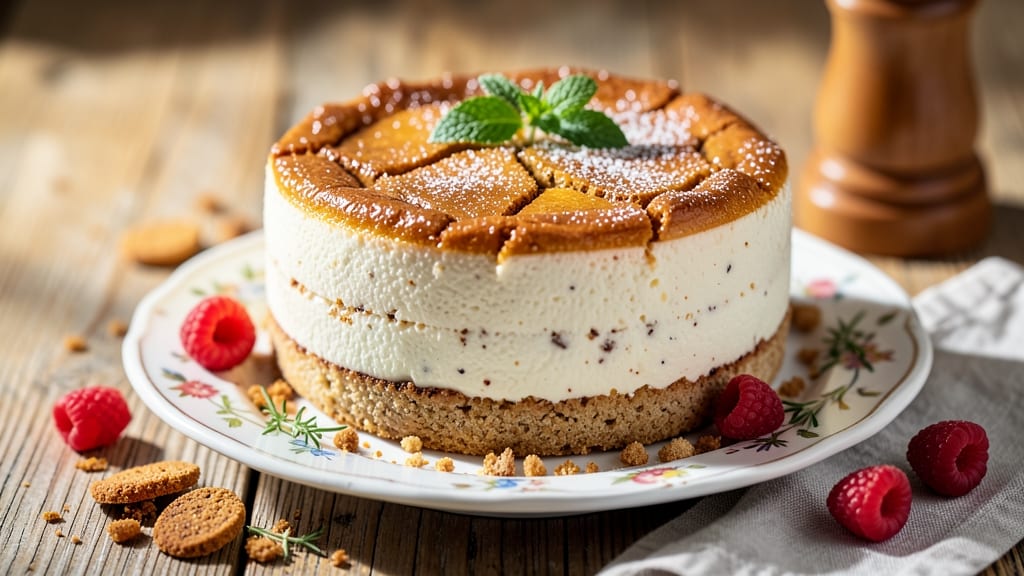
This authentic Italian ricotta cake delivers the silky texture and bright citrus notes that make it a classic dessert in Italian homes. 💛 The secret lies in properly draining the ricotta and folding it with eggs just until combined—overmixing creates dense cake, not the signature tender crumb. I’ve perfected this recipe over years of baking, ensuring every slice has that signature almond crunch topping that balances the richness.
What sets this apart is the traditional technique of layering citrus-infused ricotta between delicate almond flour crumbs, creating a harmonious contrast of textures and flavors. The cake’s moist interior comes from a simple trick: replacing some flour with cornstarch, which absorbs moisture without altering the taste. This method guarantees a cake that stays fresh for days, not the dry, crumbly results you might find in other recipes.
By the time you pull it from the oven, you’ll have a golden-topped cake with a tender crumb, bright citrus swirls, and that signature almond crunch that melts in your mouth. The aroma alone—warm citrus and toasted almonds—will have everyone gathered around the table. Serve it dusted with powdered sugar or paired with a shot of espresso for the full Italian experience.
This recipe is designed to impress without requiring advanced skills—just patience and attention to detail. The almond topping, made with ground almonds and a touch of sugar, adds a satisfying crunch that complements the cake’s silky texture. Whether you're baking for a special occasion or simply treating yourself, this cake delivers the authentic Italian dessert experience you’ve been craving.
Ingredients for authentic italian ricotta cake
Eight simple ingredients transform into Italy's most tender citrus cake with almond crunch.
| Ingredient | Amount | Notes |
|---|---|---|
| Whole Milk Ricotta Cheese 🧀 | 1 ½ lbs | Drained overnight in cheesecloth |
| Large Eggs 🥚 | 6 whole | Room temperature for best blending |
| Granulated Sugar 🍚 | 1 ½ cups | Superfine preferred for smooth texture |
| All-Purpose Flour 🌾 | 1 ½ cups | Sifted for light batter |
| Cornstarch 🌾 | ½ cup | For tender crumb |
| Baking Powder 🧂 | 2 tsp | Aluminum-free preferred |
| Salt 🧂 | ½ tsp | Fine sea salt |
| Fresh Lemon Zest 🍋 | 2 tbsp | Bright citrus flavor |
| Lemon Juice 🍋 | ¼ cup | Freshly squeezed |
| Orange Zest 🍊 | 1 tbsp | For citrus complexity |
| Unsalted Butter 🧈 | ½ cup | Melted, cooled slightly |
| Almond Flour 🥜 | 1 ½ cups | Finely ground, for crunch |
| Powdered Sugar 🍚 | ¼ cup | For topping |
| Vanilla Extract 🌿 | 1 tsp | Pure vanilla preferred |
The ricotta is non-negotiable—whole milk, full-fat for that signature Italian creaminess. Whole Foods and Trader Joe's carry excellent brands like Galbani or BelGioioso. Drain it overnight in cheesecloth (or a clean kitchen towel) to remove excess moisture—this makes all the difference. The eggs should be at room temperature when you blend them, so pull them out 30 minutes ahead. For the citrus, use organic lemons and oranges if possible—the zest should be vibrant, not bitter. The almond flour? Bob's Red Mill is my go-to, but any finely ground almond flour works.
No ricotta? Cottage cheese blended smooth is a decent substitute (though texture won't be identical). Short on almond flour? Toasted slivered almonds blended works in a pinch. The cornstarch is key for that tender crumb—don't skip it. For the citrus, if you can't find organic, wash the peels thoroughly. The baking powder should be fresh—if it's more than 6 months old, toss it. The butter needs to be melted but not hot—just cool enough to touch. And trust me on the vanilla: imitation extracts will ruin the flavor profile.
This cake keeps beautifully—5 days wrapped at room temperature or 1 week in the fridge. The almond topping stays crisp for 3 days, so make it fresh. For serving, dust with powdered sugar right before cutting. The cake freezes wonderfully too—3 months wrapped tightly in plastic and foil. I always make a double batch—one for now, one for later. The aroma when it comes out of the oven? Worth every minute of waiting.
Why You'll Love This Recipe
- No Mixer Needed: I swear by this—just whisk the eggs and ricotta by hand until smooth, no electric mixer in sight. The cornstarch gives it that perfect light crumb without overworking it, and honestly? The texture wins every time.
- Creamy Yet Crisp: That first bite—warm, custardy center with a delicate crust? It’s the ricotta’s job, but the sugar caramelizes just enough to give it that golden edge. Not too sweet, not too rich—just right.
- Weeknight or Guest Day: Make it for yourself when you’re craving something simple, or pull it out for company when you need a showstopper that’s still effortless. Slices well for breakfast, dessert, or even a quick snack—no one will guess how little time it took.
- Pantry Staple Magic: You’re already using eggs, flour, and sugar for half your recipes—this just adds ricotta, which lasts forever in the fridge. Double the batch, freeze half, and thank me later when you’re reheating a slice straight from the freezer.
Step-by-step instructions for authentic Italian ricotta cake
Here's how to create that signature Italian ricotta cake with its signature citrus swirls and crunchy almond topping.
👨🍳 Step 1: Prepare the Ricotta Base
In a large mixing bowl, combine the 1.5 lbs whole milk ricotta cheese with the 1.5 cups granulated sugar and 1 tsp vanilla extract. I like to use a hand mixer here for about 2 minutes until the mixture looks silky and smooth. You'll see the sugar dissolve completely and the ricotta lighten in color.
Next, add the 6 whole large eggs one at a time, mixing just until each egg is fully incorporated. The mixture should thicken noticeably with each addition. Here's the thing—don't overmix or you'll develop gluten in the ricotta. We want it light and airy, not dense. Once all eggs are added, fold in the 2 tbsp fresh lemon zest and 1 tbsp orange zest using a rubber spatula.
👨🍳 Step 2: Incorporate Dry Ingredients
In a separate bowl, whisk together the 1.5 cups all-purpose flour, 0.5 cup cornstarch, 2 tsp baking powder, and 0.5 tsp salt. Sift this mixture directly into the ricotta mixture while mixing on low speed. This prevents lumps and ensures an even distribution of leavening agents throughout the batter.
Then, gently fold in the 0.25 cup lemon juice and the 0.5 cup melted unsalted butter (cooled slightly). The butter should be warm enough to blend smoothly but not hot enough to cook the eggs. You're aiming for a thick, smooth batter that coats the back of a spoon. If it looks too thick, add 1-2 tablespoons of water to loosen it slightly.
🥘 Step 3: Create the Citrus Swirls
Pour half of the batter into a 9-inch round cake pan (previously greased and lined with parchment paper). Here's where the magic happens: take the remaining batter and mix in an additional 1-2 tablespoons of lemon zest and 1-2 tablespoons of orange zest for more intense citrus flavor. Pour this more vibrantly colored batter over the first layer.
Use a knife to gently swirl the two batters together in a circular motion, creating those beautiful marbled citrus patterns. Don't overmix—just create gentle swirls that show through the top. The contrast between the lighter and darker layers gives this cake its signature Italian look. Tap the pan gently on the counter to release any air bubbles that might have formed during mixing.
🔥 Step 4: Bake to Golden Perfection
Preheat your oven to 350°F and place the cake pan on the center rack. Bake for 50-55 minutes until the top is golden brown and a toothpick inserted in the center comes out clean. The cake should spring back gently when pressed in the center—it won't look fully set like a pound cake, but that's normal for ricotta cakes.
I know it seems underdone, but resist the urge to bake longer. Ricotta cakes continue cooking as they cool, and overbaking makes them dense. When the toothpick test passes, remove from the oven and let the cake cool in the pan for 15 minutes before transferring to a wire rack to cool completely.
👨🍳 Step 5: Prepare the Almond Topping
While the cake cools, make the almond topping by combining the 1.5 cups almond flour with the 0.25 cup powdered sugar in a small bowl. Add the 0.5 cup melted unsalted butter (same as before) and mix until it forms a crumbly, sand-like texture. If it's too dry, add 1-2 teaspoons of water to help it bind.
Spread this mixture evenly over the top of the completely cooled cake. The almond topping should create that beautiful crunchy contrast to the soft ricotta layers. Let the cake sit for 10 minutes before slicing to allow the topping to set slightly. This authentic Italian touch makes all the difference in texture and flavor.
Pro Tips For Making Authentic Italian Ricotta Cake
- Drain That Ricotta: Skip the water bath—press your ricotta in a fine-mesh strainer lined with cheesecloth for 10 minutes before mixing. This removes excess whey without turning your batter into a thin soup, and the texture stays rich but not gummy. (Yes, it’s messy, but your cake will thank you.)
- Whisk Eggs Like You Mean It: Beat the eggs and sugar at medium-high speed until the mixture is pale, thick, and holds a ribbon when the whisk is lifted—about 3 minutes. Stopping early leaves air pockets, and the cake turns out dense. I learned this the hard way when my first batch collapsed like a sad soufflé.
- Bake Slow and Steady: Preheat your oven to 350°F (175°C) and bake the cake for 45–55 minutes, checking at 40. If the top browns too fast, tent it with foil—ricotta cakes dry out if overcooked. A toothpick should come out with a few moist crumbs, not wet batter.
- Add a Pinch of Vanilla: Fold in 1 teaspoon of pure vanilla extract with the flour and cornstarch—it’s not traditional, but it cuts through the heaviness of ricotta and adds depth. (I was skeptical until I tried it; now I can’t go back.) Use real vanilla, not imitation.
Troubleshooting your authentic italian ricotta cake
Ricotta Too Wet?
If your ricotta feels too moist after draining, don't panic! Spread it on a clean kitchen towel or paper towels, then fold the edges to create a pouch. Place a small weight (like a cast iron skillet) on top for 30-60 minutes. This extra pressure will draw out excess moisture. For a quick fix, mix in 1-2 tablespoons of cornstarch directly into the ricotta base—it absorbs liquid without altering texture. 🧀
Cake Sinking Mid-Bake
This usually happens when the oven temperature fluctuates or the cake batter isn't properly leavened. First, ensure your oven is properly calibrated—use an oven thermometer to confirm it's at 350°F. Second, make sure your baking powder is fresh (it loses potency over time). For extra insurance, add ½ tsp cream of tartar to stabilize the eggs when mixing. Place the cake pan on the middle rack to avoid hot spots.
Dry or Crumbly Texture
Overbaking is the most common culprit, but it could also be from using too much flour or not enough fat. For a quick fix, brush warm cake slices with 2 tablespoons of simple syrup (equal parts sugar and water, heated until dissolved) while still slightly warm. This will restore moisture. To prevent it next time, reduce flour by 2 tablespoons and add 1 extra tablespoon of melted butter to the batter.
Almond Topping Not Crunchy
The almond topping needs to be completely dry before baking to achieve that perfect crunch. Spread it on parchment paper and bake at 325°F for 8-10 minutes before placing it on the cake. For extra insurance, chill the topping in the fridge for 15 minutes before spreading. If it's still too soft after baking, sprinkle with an additional 1 tablespoon of powdered sugar while still warm—it helps set the texture.
Uneven Baking
Ricotta cakes are notoriously tricky to bake evenly due to their high moisture content. Rotate the pan halfway through baking (after 25-30 minutes) for even heat distribution. If your oven has hot spots, place aluminum foil on the rack above the cake to reflect heat downward. For extra insurance, bake the cake on the lower-middle rack instead of the center—this helps prevent the top from browning too quickly while the center stays underdone.
Citrus Swirls Disappearing
If your citrus swirls blend too much during baking, you likely overmixed before pouring. For next time, use a spoon to create the swirls instead of a knife—it gives you more control. Also, pour the darker batter over the lighter one in 3-4 thin layers, allowing each layer to settle slightly before adding the next. This creates more distinct swirl patterns. If the cake comes out with faded swirls, you can still create visual interest by dusting with powdered sugar in a circular pattern after baking. ✨
Nutrition facts
Frequently asked questions
Why does authentic Italian ricotta cake have a crunchy almond topping?
The almond topping creates a beautiful textural contrast to the silky ricotta layers. Traditionally, it adds a nutty depth that balances the cake's sweetness while giving each bite a satisfying crunch. The recipe uses finely ground almond flour mixed with powdered sugar and butter for that perfect texture.
Can I substitute cottage cheese for ricotta?
Yes, but expect some texture differences. Use 2 cups of full-fat cottage cheese blended until completely smooth, then drain it through a towel to remove excess moisture. The flavor will be slightly tangier, but the cake will still be delicious. For best results, use a ricotta substitute blend (available at Italian markets).
How do I know when the cake is fully baked?
Look for three signs: the top should be golden brown, a toothpick inserted in the center should come out clean, and the edges should pull away slightly from the pan. The cake will seem underdone compared to other cakes, but it continues setting as it cools. Never overbake—ricotta cakes are delicate and can become dense if cooked too long.
What's the secret to the tender texture?
The combination of cornstarch and proper ricotta preparation makes all the difference. First, drain the ricotta overnight to remove excess moisture. Second, fold the eggs gently just until combined—overmixing develops gluten. Finally, use room-temperature ingredients for even blending. The citrus zest also keeps the crumb light and airy.
Can I make this cake gluten-free?
Replace the 1.5 cups all-purpose flour with a 1:1 gluten-free flour blend (like Bob's Red Mill 1-to-1). For the almond topping, ensure your almond flour is certified gluten-free. Add ½ tsp xanthan gum to the flour mixture to improve binding. The texture will be slightly different but still delicious.