
Breakfast & Brunch
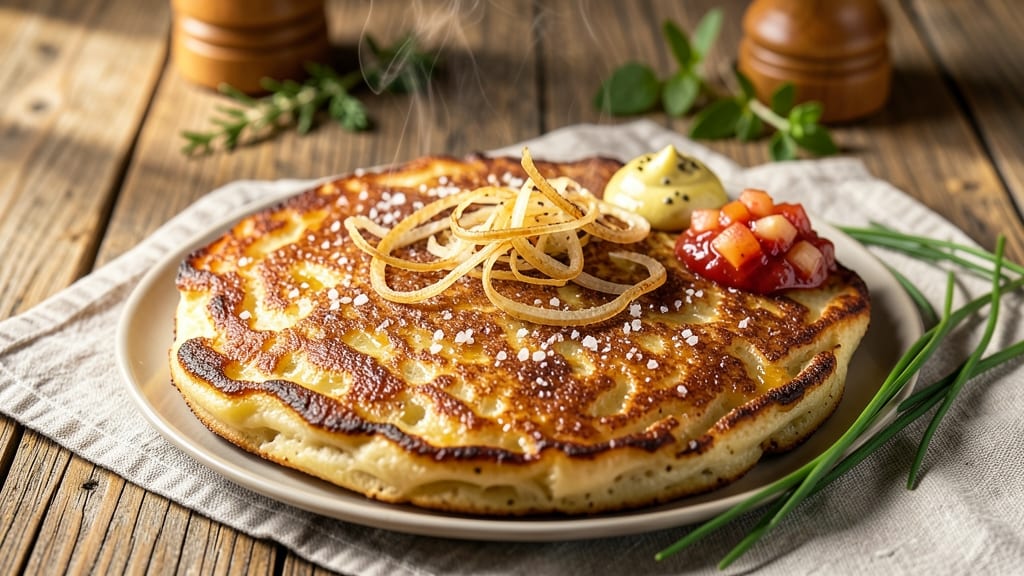
This authentic German potato pancake recipe delivers the perfect balance of crispy edges and fluffy centers that make Reibekuchen a beloved comfort food. 💛 The secret lies in freshly grated potatoes, a light egg and flour binder, and careful frying that creates golden, lacy layers while keeping the interior tender. Unlike many American versions, this recipe stays true to German tradition with no added potatoes or fillers—just simple, wholesome ingredients that shine.
What sets these potato pancakes apart is the technique: potatoes are grated immediately before cooking to preserve their moisture, then mixed with just enough egg and flour to hold together. Frying in small batches ensures even cooking, while traditional toppings like applesauce, sour cream, or fresh chives add the perfect finishing touch. This dish isn’t just a breakfast staple—it’s a nostalgic taste of German home cooking that’s perfect for brunch, dinner, or even a festive side.
The result is a dish with crispy edges that shatter slightly when bitten, giving way to a warm, fluffy interior that’s never greasy. The aroma of sizzling potato pancakes fills the kitchen, creating a cozy atmosphere that’s hard to resist. Whether you’re serving them as a hearty breakfast or a comforting side, these Reibekuchen bring authentic German flavor to your table without any shortcuts.
Serve them warm with classic toppings or enjoy them plain—they’re that good. This recipe captures the essence of German comfort food while keeping the process straightforward. Let’s get started on creating your own batch of restaurant-quality potato pancakes at home.
Ingredients for authentic german potato pancake
Freshly grated potatoes, crispy edges, and fluffy centers—this is the authentic German way.
| Ingredient | Amount | Notes |
|---|---|---|
| Russet Potatoes 🥔 | 2 ½ lb | Freshly grated, skin on for texture |
| Large Eggs 🥚 | 2 whole | Room temperature for even mixing |
| All-Purpose Flour 🌾 | ¼ cup | Lightly spooned, not packed |
| Salt 🧂 | 1 ½ tsp | Kosher or sea salt preferred |
| Black Pepper 🌶️ | ½ tsp | Freshly ground for best flavor |
| Vegetable Oil 🫒 | 2 cups | High smoke point, like canola |
| Fresh Chives 🌿 | ¼ cup | Chopped, for garnish |
| Sour Cream 🥛 | ½ cup | Full-fat for creaminess |
| Applesauce 🍎 | ½ cup | Unsweetened, for serving |
| Butter 🧈 | 2 tbsp | Unsalted, for frying |
| Onion Powder 🧅 | ½ tsp | For subtle depth |
| Lemon Juice 🍋 | 1 tbsp | Freshly squeezed, optional |
The potatoes are everything. Russet potatoes have the perfect starch-to-moisture ratio for Reibekuchen, but Yukon Golds work too. Grab a box of organic Russets from Trader Joe's if you want to splurge—they're less waxy and grate smoother. Grating them right before cooking is non-negotiable; pre-grated potatoes release too much moisture and turn mushy. Use a box grater with medium holes, and keep a bowl of cold water nearby to rinse the potatoes as you grate—this removes excess starch and keeps them crispy. I always double-check my grater is clean because potato starch can make things gummy if it's not fresh.
No fresh chives? Green onions or parsley work in a pinch, though they won't be as authentically German. Short on sour cream? Greek yogurt or vegan sour cream keeps the tang. The applesauce can be swapped for chopped apples or caramelized onions if you want something different. For the oil, canola or sunflower oil are ideal—they're neutral and stay crispy when hot. If you're feeling fancy, add a pinch of nutmeg or cardamom to the flour mix for that classic German spice touch. And trust me on the butter—unsalted butter in the oil makes the pancakes taste like home. Use a thermometer if you're nervous about the oil temperature; it should be around 350°F (175°C).
These pancakes reheat beautifully—just pop them in a 350°F (175°C) oven for 5-7 minutes until crispy again. Store leftovers in the fridge for up to 3 days, separated by parchment paper so they don't stick. For longer storage, freeze them on a tray first, then transfer to a bag—they keep for 2 months this way. The secret to serving them right? Freshly fried is best, but if you're making ahead, keep the toppings separate until serving. And here's a pro tip: if your pancakes aren't crispy enough, fry them a little longer next time—they crisp up as they cool, but you want that satisfying crunch right away.
Why You'll Love This Recipe
- Four-Ingredient Magic: I swear by this combo—just potatoes, eggs, flour, and salt. No fancy pantry trips, no last-minute grocery runs. That’s it. The simplicity is what makes it work every time.
- Crispy-Creamy Perfection: The secret’s in the grated potatoes—raw, never boiled—so they render just enough moisture for golden edges while staying tender inside. Honestly, that first bite is chef’s kiss.
- Weeknight & Weekend Star: Serve it with applesauce for a quick breakfast or pile it high with smoked salmon for a weekend brunch. My kids beg for it after soccer practice, and my in-laws ask for seconds at holiday dinners.
- Budget-Friendly Leftovers: A single bag of Russets stretches for days, and the pancakes reheat beautifully. I make a double batch on Sundays—half for dinner, half for lunches—no waste, all flavor. Plus, eggs and flour? Always affordable.
Step-by-step instructions for authentic German potato pancakes
Here's how to achieve that perfect balance of crispy golden edges and fluffy interiors every time.
👨🍳 Step 1: Grate and Squeeze the Potatoes
Start by grating the 2.5 lb Russet Potatoes using the large holes of a box grater—this gives you the right texture for those classic shreds. Place the grated potatoes in a clean kitchen towel and squeeze out every last drop of moisture. I press down hard and twist the towel to get it as dry as possible—this is crucial for crispy pancakes. Any remaining moisture will steam the pancakes instead of crisping them.
For maximum authenticity, I leave the potato skins on. They add wonderful texture and flavor, plus they're packed with nutrients. Transfer the squeezed potatoes to a large bowl and set aside. The drier you get them now, the better your final result will be. If you're worried about the texture, don't worry—we'll fix that in the next step.
👨🍳 Step 2: Mix the Binder and Seasonings
In a separate bowl, whisk together the 2 whole Large Eggs, 0.25 cup All-Purpose Flour, 1.5 tsp Salt, 0.5 tsp Black Pepper, and 0.5 tsp Onion Powder. The eggs act as the binder that holds everything together, while the flour helps create that perfect crispy crust. I like to use room temperature eggs—they mix more smoothly and create a lighter batter.
Now gently fold the wet ingredients into the grated potatoes using a silicone spatula. Be careful not to overmix—just combine until everything is evenly distributed. The mixture should look like coarse, wet sand. Here's the thing—don't be tempted to add extra flour. The potatoes already contain enough starch to create that beautiful golden crust when fried.
🔥 Step 3: Fry Until Golden and Crispy
Heat 2 cups Vegetable Oil in a large skillet over medium heat until it reaches 350°F. You'll know it's ready when a small piece of potato sizzles vigorously when dropped in. Portion the potato mixture into 4 equal-sized patties (about ½-inch thick each) and carefully slide them into the hot oil.
Fry for 3-4 minutes per side until they're deep golden brown and crispy. I press down gently on each pancake during the first minute—this prevents them from curling and ensures even contact with the oil. The key is patience here. If you turn them too soon, they'll be pale and doughy inside. You want that beautiful contrast of crispy outside and fluffy inside.
🍳 Step 4: Finish with Butter and Lemon
Once golden brown, transfer the pancakes to a paper towel-lined plate to drain excess oil. While they're still hot, brush each one with 1 tablespoon Butter (half the total amount) and a light drizzle of 1 tbsp Lemon Juice. This step adds that authentic German touch—tangy, rich, and completely irresistible. The butter melts into the crispy exterior while the lemon brightens the flavors.
Let the pancakes rest for 2-3 minutes to firm up slightly. This resting period helps them hold their shape better when you serve them. The lemon juice also helps prevent the butter from making them soggy—it's a little trick I learned from my grandmother.
🥘 Step 5: Serve with Traditional Accompaniments
Arrange the pancakes on a serving platter and sprinkle with the 0.25 cup Fresh Chives. For an authentic German presentation, serve them with 0.5 cup Sour Cream and 0.5 cup Applesauce on the side. The sour cream adds a cooling contrast to the crispy pancakes, while the applesauce provides a sweet, fruity complement that balances the savory flavors.
Here's where it gets fun—watch your guests dip the pancakes into both the sour cream and applesauce. The combination of textures and flavors is what makes these potato pancakes so special. And trust me, they'll disappear faster than you think. These are the kind of pancakes that taste even better the second time around!
Pro Tips For Making Authentic German Potato Pancake
- GRATE POTATOES COLD: Russet potatoes release more starch when cold, so slice them after a 30-minute fridge rest. I used to rush this and ended up with gummy pancakes—now they’re crispy on the outside, fluffy inside.
- PRESS OUT EXCESS MOISTURE: Wrap grated potatoes in a clean towel and squeeze hard for 5 minutes. Skipping this step means your batter will be watery, and the pancakes won’t hold together. (Yes, it’s tedious, but it works.)
- USE A THIN BATTER LAYER: Spread the potato-egg-flour mix in a ¼-inch-thick circle on the pan, not a thick glob. Thick batter steams instead of browning—you want caramelization, not soggy centers.
- FRIEZE THE PAN FIRST: Chill your skillet in the freezer for 2 minutes before adding oil. The cold surface helps the pancakes set immediately, preventing them from sticking or spreading into greasy puddles. (Trust me, it’s worth the wait.)
Creative variations of these flavors
Regional German Styles
In Bavaria, Reibekuchen often include grated apples or onions mixed into the potato batter, creating a sweeter, more rustic version. I’ve made this variation using ½ cup finely grated tart apple folded into the potato mixture—it adds a lovely fruity depth that pairs beautifully with the crispy edges. The Bavarians also tend to serve them with a side of sweet mustard instead of applesauce, which cuts through the richness. 🍏
Meanwhile, in Northern Germany, you’ll find a simpler, heartier style where the pancakes are thicker and served with brown butter instead of vegetable oil. The butter’s nutty flavor enhances the potato’s natural sweetness. For this version, I fry the pancakes in 2 tbsp melted butter per cup of oil—just enough to infuse flavor without overpowering. This style is especially popular during Christmas markets, where vendors serve them with a sprinkle of coarse sea salt on top.
Sweet Variations
For a dessert-like twist, try adding 1 tbsp cinnamon and 2 tbsp brown sugar to the flour mixture. This creates a cinnamon-sugar potato pancake that’s perfect for breakfast or a light snack. I’ve even topped these with a drizzle of honey and a sprinkle of toasted walnuts for extra crunch. The warmth of the cinnamon balances the crispy texture, making it a crowd-pleaser at brunch gatherings. 🍯
Another sweet favorite is the apricot-glazed version, where you brush the finished pancakes with a mixture of 2 tbsp apricot jam and 1 tsp lemon juice. The jam’s tanginess complements the pancakes’ savory notes while adding a touch of sweetness. Serve these with a dollop of vanilla yogurt for a lighter, fruit-forward dish that feels like dessert.
Savory Upgrades
Craving something heartier? Add ½ cup finely diced bacon or sautéed onions to the potato mixture. The bacon adds a smoky depth, while the onions caramelize slightly during frying, creating layers of flavor. I like to crisp the bacon first, then mix it into the potato batter—this ensures it stays crispy even after frying. For an extra boost, sprinkle the finished pancakes with crumbled feta cheese and a dash of smoked paprika. 🥓
For a cheesy twist, fold in ½ cup grated Gruyère or Emmental cheese into the batter. The cheese melts slightly during frying, creating pockets of gooey goodness inside. This version is a hit with kids and adults alike—just be sure to use a sharp cheese grater for even distribution. Pair it with a spicy mustard sauce for a bold, savory bite that cuts through the richness.
Global Fusion Twists
Want to put a modern spin on Reibekuchen? Try a Korean-inspired version by adding 1 tbsp gochujang (Korean chili paste) and 1 tsp sesame oil to the flour mixture. The gochujang adds a subtle heat and umami depth, while the sesame oil gives a nutty aroma. Serve these with a side of kimchi and a drizzle of sriracha mayo for a fusion dish that’s both familiar and exciting. 🌶️
For a Mediterranean twist, mix in ¼ cup finely chopped sun-dried tomatoes and 2 tbsp chopped kalamata olives into the batter. The tomatoes add a tangy brightness, while the olives bring a briny contrast. Top the finished pancakes with a sprinkle of feta cheese and fresh oregano for a dish that feels like a vacation to Greece. This version works beautifully as a side for grilled meats or as a vegetarian main with a tzatziki sauce on the side.
Nutrition facts
Frequently asked questions
Why do German potato pancakes need to be so dry?
The dryness is key for authentic texture! Freshly grated potatoes release moisture that would make your pancakes steam instead of crisp. Squeezing them in a towel removes excess starch and liquid, giving you that perfect crispy exterior and fluffy interior. Think of it like wringing out a sponge—you want to remove as much water as possible before frying.
Can I make these pancakes ahead of time?
Yes, but with a trick! Fry them as directed, then let them cool completely. Store in an airtight container for up to 3 days—they'll stay crispy if you separate layers with parchment paper. For longer storage, freeze them on a tray first (to prevent sticking), then transfer to a bag for up to 2 months. Reheat in a 350°F (175°C) oven for 5-7 minutes until crispy again.
What's the best way to keep them crispy?
Fry in small batches over medium heat (not high!) and press down gently during the first minute to prevent curling. Use a thermometer to maintain 350°F (175°C) oil temperature—they crisp up as they cool, but starting with the right heat ensures maximum crunch. Keep fried pancakes on a wire rack (not paper towels) to let air circulate. And always serve immediately—they soften quickly!
Are there vegetarian-friendly variations?
The classic recipe is already vegetarian. For extra flavor, try adding ½ cup sautéed mushrooms or caramelized onions to the batter. Swap the butter for olive oil and serve with tzatziki or vegan sour cream instead of dairy options. The traditional toppings of applesauce and chives work perfectly too—just make sure your applesauce is unsweetened.
Why do some German potato pancakes taste sweeter?
Regional variations explain this! In Bavaria, it's common to mix in grated apples or onions for natural sweetness, while Northern Germany versions focus on heartier flavors with brown butter. For a sweeter version at home, add 1 tbsp cinnamon and 2 tbsp brown sugar to the flour mix. The sweetness balances the crispy texture beautifully—just don't overdo it!