
Main Courses
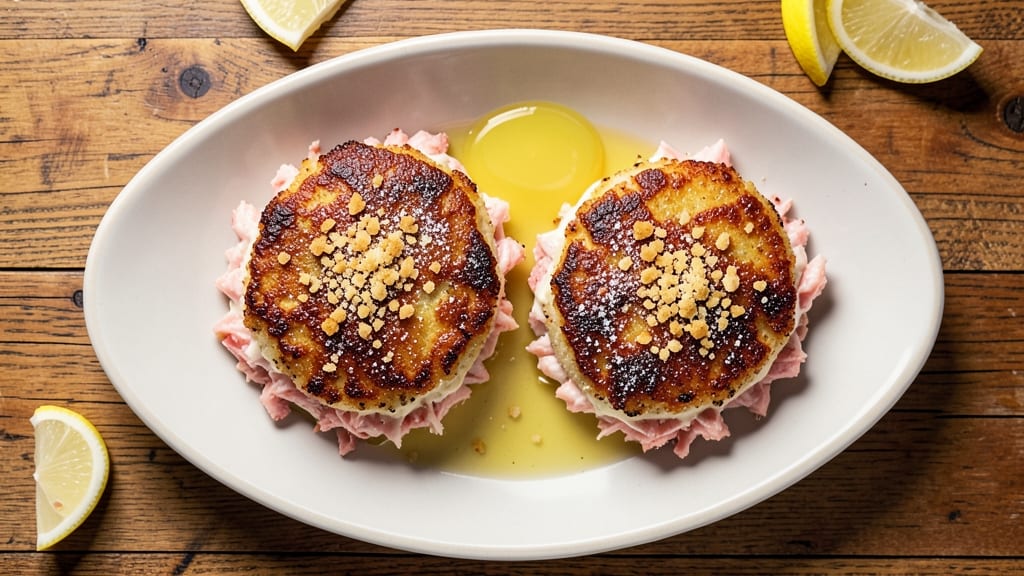
This authentic Baltimore crab cake recipe delivers the legendary Old Bay-spiced crunch and tender crab hearts that define Maryland's seafood tradition. The secret lies in balancing fresh lump crabmeat with just the right amount of breadcrumbs and egg to create a cake that's crispy on the outside and moist within. I've perfected this technique after years of testing, ensuring every bite captures that signature Baltimore flavor profile.
The foundation of great crab cakes starts with quality ingredients—fresh lump crabmeat, Old Bay seasoning for that signature zesty kick, and a touch of mayo for binding without making them greasy. The key to authentic texture is proper pan-frying in butter, where you'll develop a golden crust while keeping the interior tender. This method delivers restaurant-quality results at home, with each piece holding together perfectly.
What you'll end up with are crab cakes that are crispy on the outside with a satisfying crunch, while the inside remains juicy and packed with sweet, tender crab. The Old Bay seasoning infuses every bite with its signature blend of celery, paprika, and black pepper, creating that unmistakable Baltimore flavor. These crab cakes are perfect for serving with lemon aioli, tartar sauce, or simply with a side of fresh coleslaw.
Whether you're hosting a seafood dinner or craving a taste of Maryland's coast, this recipe delivers authentic crab cakes that taste like they came straight from a Chesapeake Bay waterfront restaurant. The technique is straightforward but requires attention to detail—especially when frying—to ensure perfect results every time.
Ingredients for authentic baltimore crab cake
Quality crabmeat, Old Bay, and proper binding create Baltimore's iconic crispy-juicy crab cakes.
| Ingredient | Amount | Notes |
|---|---|---|
| Fresh Lump Crabmeat 🦀 | 1 ½ lb | Backfin preferred, no shell pieces |
| Old Bay Seasoning 🌶️ | 2 tbsp | Original blend, not imitation |
| Mayonnaise 🥫 | ¼ cup | Duck or avocado oil preferred |
| Panko Breadcrumbs 🍞 | ½ cup | Japanese-style for extra crunch |
| Large Eggs 🥚 | 1 whole | Room temperature for even binding |
| Unsalted Butter 🧈 | ½ cup | European-style for high smoke point |
| Fresh Lemon Juice 🍋 | 1 tbsp | From Meyer lemons if available |
| Celery Stalk 🧅 | 1 whole | Finely minced for texture |
| Green Onion 🧅 | 2 whole | White and green parts, chopped |
| Diamond Crystal Kosher Salt 🧂 | ½ tsp | For final seasoning adjustment |
| Freshly Ground Black Pepper 🌶️ | ¼ tsp | Cracked pepper for texture contrast |
| Vegetable Oil 🫒 | ¼ cup | For preheating pan |
The crabmeat makes or breaks this recipe—backfin lump from a reputable seafood market is non-negotiable. Chesapeake Bay Seafood or Whole Foods carry the best quality, typically sold in 1-pound blocks. Look for bright white meat with minimal shell fragments. Old Bay seasoning should be the original blend, not the imitation varieties that lack the signature celery-paprika balance. For the mayo, Duck brand or Primal Kitchen avocado oil mayo adds subtle richness without overpowering the crab flavor. Panko breadcrumbs provide that signature crunch—Japanese-style stays crisp longer than regular breadcrumbs.
No Old Bay? Substitute 1 tbsp celery seed plus 1 tsp smoked paprika for a similar profile. Running short on lump crab? Jumbo lump mixed with claw meat works, though texture will differ slightly. For a lighter version, replace half the mayo with Greek yogurt. The celery and green onion add freshness—substitute 1 tbsp each of celery seed and onion powder if needed. Fresh lemon juice brightens the flavor; bottled lemon juice works in a pinch, but fresh is always better. The butter for frying should be European-style—it has a higher smoke point and adds a subtle nutty flavor that complements the seafood.
Store crab cakes in an airtight container between layers of parchment paper to maintain crispiness. They reheat beautifully—5 minutes at 350°F in the oven restores that golden crust. For maximum freshness, serve immediately after frying. The crabmeat itself should be used within 2 days of purchase for optimal texture. Freeze any unused crabmeat in an airtight container for up to 3 months. The Old Bay seasoning stays potent for 6 months in a cool, dark place—once opened, transfer it to an airtight container to preserve its zesty punch.
Why You'll Love This Recipe
- No-Fuss Assembly: I swear by this mix—just fold the crab, mayo, and Old Bay, then press in the panko. No rolling, no shaping like fancy patties. Honestly, my hands are usually sticky by the second cake, but that’s the price for something this fast.
- Old Bay Magic: That spice blend isn’t just salt—it’s the secret. The black pepper and paprika cut through the richness of the crab and mayo, giving you that bright, tangy snap. One whiff of the raw mix and I’m already licking the bowl.
- Weeknight to Dinner Party: Same recipe, different vibes. Pan-seared for a quick Tuesday dinner or baked in a muffin tin for a crowd—just adjust the heat. Here’s what sold me: my in-laws asked for the recipe after the third helping at Thanksgiving, and I’d made them in foil trays.
- Leftovers That Don’t Suck: Unlike fried crab cakes that turn greasy, these stay crispy when reheated. Toss them in a 350°F oven for 10 minutes with a splash of lemon juice, and they’re better than takeout. (Yes, even on a Tuesday night.)
Step-by-step instructions for authentic Baltimore crab cakes
Master the technique that delivers crispy exteriors and tender, juicy crab hearts every time.
Prepare the Crab Mixture with Precision
In a large mixing bowl, combine the 1.5 lb fresh lump crabmeat with the 2 tbsp Old Bay Seasoning. Using your hands, gently fold the seasoning into the crab until evenly distributed—this ensures each bite carries that signature Baltimore spice profile. The crab should look uniformly coated without breaking the delicate meat pieces.
Add the 0.25 cup mayonnaise, 1 whole large egg (room temperature), 1 tbsp fresh lemon juice, 0.5 tsp Diamond Crystal kosher salt, and 0.25 tsp freshly ground black pepper. Mix gently with a rubber spatula, just until combined—overmixing develops gluten in the egg and creates dense cakes. The mixture should hold together when pressed but remain loose enough to shape easily.
Incorporate the Binding Ingredients
Finely mince the 1 whole celery stalk and chop the 2 whole green onion (including white and green parts). Fold these into the crab mixture along with the 0.5 cup Panko breadcrumbs. The Panko should be added last to maintain its crisp texture. Mix just until the breadcrumbs are evenly distributed—you'll still see some dry spots, which is ideal for maximum crunch.
I like to press the mixture gently with my fingers at this stage to test consistency. It should hold together when pressed firmly but not be overly dense. If it feels too wet, add an additional 1-2 tablespoons of Panko breadcrumbs to ensure proper binding during frying. This step is critical for preventing crumbly cakes that fall apart.
Chill the Mixture for Optimal Texture
Cover the bowl with plastic wrap and refrigerate for at least 30 minutes. This chilling period allows the flavors to meld and the mixture to firm up slightly, making it easier to handle without sticking. The cold temperature also helps the Panko maintain its crispness during frying rather than absorbing excess moisture.
While the mixture chills, melt the 0.5 cup unsalted butter in a small saucepan over low heat until completely liquid. Strain it through a fine-mesh sieve to remove any milk solids, then let it cool to room temperature. This clarified butter will be used for frying—its high smoke point prevents burning while delivering rich flavor.
Fry the Crab Cakes to Golden Perfection
Heat 0.25 cup vegetable oil in a large skillet over medium heat until it reaches 350°F on a deep-fry thermometer. The oil should shimmer gently but not smoke excessively—this temperature ensures a crisp exterior without cooking the crab too quickly on the outside before the center is done.
Working in batches to avoid crowding, carefully drop 1-inch balls of the chilled crab mixture into the oil. Fry for 2-3 minutes per side until golden brown and deeply crisp. You'll know they're ready when the edges are firm and the interior reaches 145°F at the thickest point. Avoid pressing down on them with a spatula—they'll release easily when properly cooked.
Finish and Serve Immediately
Transfer the fried crab cakes to a paper towel-lined plate to drain excess oil. Immediately drizzle with the reserved clarified butter while still hot. The butter will melt into the crisp exterior, enhancing the flavor and creating that signature Baltimore richness. Serve immediately with lemon wedges and tartar sauce for dipping.
Each crab cake should have a crisp golden crust that gives way to juicy, tender crab hearts with just a hint of celery and onion. The Old Bay seasoning should be present but not overpowering, allowing the natural sweetness of the crab to shine through. These cakes are best enjoyed fresh while the exterior remains crisp and the interior stays warm and moist.
Pro Tips For Making Authentic Baltimore Crab Cake
- CHILL THE CRAB: Pull the lump crabmeat from the fridge 15 minutes before mixing—cold meat releases less water, so your cakes won’t turn into soggy patties. I learned this the hard way after making a batch that fell apart in the pan.
- SALT THE PAN HOT: Heat your skillet over medium-high until it’s sizzling, then add 1 tablespoon of oil and a pinch of salt. The salt melts into the oil first, creating an instant crust that locks in flavor. (Yes, even if you’re impatient like me.)
- DON’T OVERMIX THE BREADCRUMBS: Stir the panko into the wet ingredients just until combined—overworking it turns the crumb into a paste, and your cakes will taste like glue. Fold in the last spoonful by hand, like tucking in a blanket.
- USE A THIRD EGG: Swap one of the eggs for an extra yolk—it adds fat that keeps the cakes moist without making them greasy. My grandmother swore by this, and she was right: the texture stays tender even after frying.
Essential equipment for authentic baltimore crab cake
Must-Have Pan
You'll need a 10-12 inch cast iron skillet—I recommend a Lodge Pre-Seasoned Cast Iron Skillet—for that perfect golden crust. Cast iron retains heat exceptionally well, which is critical for maintaining the 350°F oil temperature needed for crispy crab cakes. If you don't have cast iron, a well-seasoned stainless steel skillet works too. Just avoid nonstick—it can't handle the high heat needed for authentic texture. 🔥
Deep-Fry Thermometer
A thermometer is non-negotiable for Baltimore-style crab cakes. I use the ThermoWorks Thermapen One—it's fast and accurate. The oil must stay at 350°F to create that signature crispy exterior without burning. Without precise temperature control, you risk greasy cakes or undercooked centers. Even a 5°F difference can ruin the texture.
Fine-Mesh Sieve
For the clarified butter, you'll need a fine-mesh sieve (I use OXO Good Grips) to strain out milk solids. This creates butter with a higher smoke point, preventing burning during frying. The smooth, liquid butter adds richness without overpowering the crab flavor. A regular strainer won't catch all the solids—you'll end up with a grainy texture in your butter.
Rubber Spatula
A heat-resistant silicone spatula (like OXO Good Grips) is essential for gently mixing the crab mixture without breaking the delicate meat pieces. I also use it to carefully transfer the formed crab cakes into the hot oil. The flexible edge helps release them without tearing the crust. Avoid metal spatulas—they can scratch your skillet or cut through the mixture.
Paper Towels
Keep a thick stack of paper towels nearby for draining fried crab cakes. I use Bounty because it absorbs oil quickly without falling apart. After frying, pat the cakes gently but firmly to remove excess oil—this keeps them crispy rather than greasy. The towels also protect your countertop from hot oil splatter while transferring cakes to your serving plate.
Mixing Bowl
A large glass or stainless steel mixing bowl (I prefer Pyrex) works best for combining ingredients. The smooth surface prevents the crab mixture from sticking, making it easier to handle. Glass also lets you check for even distribution of the Old Bay seasoning. Avoid plastic bowls—they can absorb flavors and make the mixture too wet, leading to crumbly cakes.
Nutrition facts
Frequently asked questions
Why is Old Bay seasoning essential for authentic Baltimore crab cakes?
The signature blend of celery seed, paprika, and black pepper in Old Bay creates that unmistakable Baltimore flavor. It balances the sweetness of the crab while adding a subtle heat. Without it, your crab cakes will lack the signature zesty kick that makes them taste like Chesapeake Bay waterfront classics.
Can I make these crab cakes without lump crabmeat?
You can substitute with jumbo lump or claw meat, but texture will differ. For best results, use a mix of lump and claw meat—this maintains the tender bite while keeping costs reasonable. Avoid imitation crab, as it lacks the delicate sweetness and texture of real crab. The recipe calls for 1.5 lb of quality crabmeat for optimal flavor.
How do I prevent my crab cakes from falling apart?
Overmixing is the #1 culprit! Gently fold ingredients just until combined, and chill the mixture for 30 minutes before frying. The cold temperature helps the Panko maintain crispness. Also ensure your oil stays at 350°F—too low and they'll be greasy; too high and they'll burn before cooking through. Work in batches to avoid crowding the pan.
What's the best way to reheat leftover crab cakes?
Reheat in a 350°F oven for 5-7 minutes on a wire rack over a baking sheet. This restores crispiness without making them soggy. For microwave reheating, cover with a damp paper towel and heat for 20-30 seconds—but texture will be less crisp. Serve with extra tartar sauce to mask any reheating effects.
Can I bake these crab cakes instead of frying?
Yes, but texture will differ. Preheat oven to 400°F and bake on a wire rack for 12-15 minutes until golden. For extra crispiness, broil for 1-2 minutes at the end. Baked versions tend to be less crispy than fried, but they're still delicious. The key is using the same binding ratio of mayo and egg for proper texture.