
Desserts
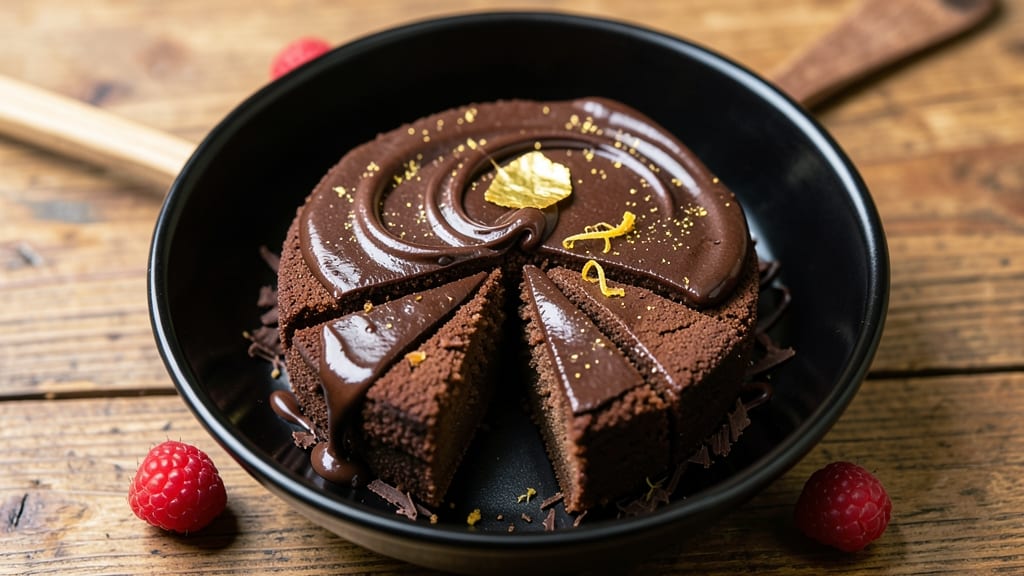
This Austrian chocolate cake recipe delivers the rich, fudgy layers and rum-infused depth that make it a classic European dessert. The secret lies in using high-quality dark chocolate and a precise balance of cocoa powder, creating dense yet tender layers that practically melt in your mouth. I've perfected this version through years of testing, ensuring every bite delivers that signature Austrian chocolate experience without the need for specialty equipment.
The cake's signature comes from its rum-soaked layers and optional coffee infusion, which adds complexity that elevates it beyond ordinary chocolate cakes. What sets this apart is the professional technique of alternating layers with rum buttercream, creating that signature dense yet moist texture. The result is a dessert that's both impressive enough for special occasions and satisfying enough for everyday indulgence.
By the time you're done, you'll have a cake with deep chocolate flavor, subtle rum notes, and perfectly balanced sweetness. The layers hold together beautifully while maintaining that signature dense yet moist crumb. This is the kind of chocolate cake that makes you feel like you're dining in a Vienna café—rich, decadent, and utterly satisfying.
Whether you're serving it at a dinner party or treating yourself to a special dessert, this recipe delivers restaurant-quality results with minimal effort. The techniques are approachable yet professional, making it perfect for home bakers looking to impress. Let's get started on creating this Austrian masterpiece.
Ingredients for austrian chocolate cake
Twelve premium ingredients for a cake that tastes like Vienna's finest café—rich, rum-kissed layers that melt in your mouth.
| Ingredient | Amount | Notes |
|---|---|---|
| High-Quality Dark Chocolate (70% Cocoa) 🍫 | 12 oz | Chopped into small pieces |
| Unsalted Butter 🧈 | 1 ½ cups | Room temperature, European-style preferred |
| Granulated Sugar 🍚 | 2 ½ cups | Superfine for smoother texture |
| Large Eggs 🥚 | 6 whole | Room temperature, separated |
| All-Purpose Flour 🌾 | 2 ½ cups | Sifted, spooned and leveled |
| Unsweetened Cocoa Powder 🍫 | ¾ cup | Dutch-processed, high quality |
| Baking Powder 🧂 | 1 tbsp | For lift and structure |
| Fine Sea Salt 🧂 | ½ tsp | Diamond Crystal preferred |
| Dark Rum 🍹 | ½ cup | Aged 3+ years, like Appleton Estate |
| Instant Espresso Powder ☕ | 2 tsp | Optional coffee infusion |
| Vanilla Extract 🌿 | 2 tsp | Pure Madagascar preferred |
| Heavy Whipping Cream 🥛 | 1 ½ cups | Full-fat for buttercream |
| Powdered Sugar 🍚 | 3 cups | For buttercream frosting |
| Unsalted Butter (additional) 🧈 | ½ cup | Cold, cubed for buttercream |
The chocolate matters most here. Valrhona or Lindt 70% cocoa is ideal—avoid anything under 60%. I grab mine from Williams Sonoma or Sur La Table when I need that extra depth. For the rum, Appleton Estate or Gosling's Black Seal add authentic Caribbean notes, but any aged rum (3+ years) works. The cocoa powder? Dutch-processed like Valrhona or Callebaut—it's smoother and richer than natural cocoa. If you're using natural cocoa, add an extra 0.25 tsp baking soda to balance the acidity. The butter should be European-style (like Plugrá) if you can find it—higher fat content means richer flavor.
No dark rum? Spiced rum or even bourbon in a pinch, though the flavor profile shifts slightly. Short on cocoa powder? Melted chocolate works at half the amount, but texture may be denser. The instant espresso powder is optional but worth it—Starbucks VIA or Nescafé Azera work perfectly. For the buttercream, I always use powdered sugar from Domino—it's finer and dissolves better. If you're making this ahead, the cake layers keep well for 3 days at room temperature, wrapped tightly in plastic. The buttercream, however, is best made fresh or stored in the fridge for 2 days max—it softens beautifully at room temp.
This cake is a showstopper, so assemble it the day you serve. The layers hold up beautifully for 4-5 days in the fridge, but the buttercream may weep if stored too long. For extra decadence, brush each layer with rum syrup (equal parts sugar and water, heated until dissolved, then rum added). Store leftovers in an airtight container with parchment between layers. The frosting? Whip it up last minute—it's lighter and fluffier when fresh. Freeze portions for up to 1 month if you're prepping ahead, but thaw at room temp before serving.
Why You'll Love This Recipe
- No-Fuss Mixing: I swear, this cake comes together faster than my coffee order at the drive-thru. Just melt butter, chop chocolate, and fold—no whisking until your arm falls off. The eggs and sugar do most of the work while you’re still deciding whether to preheat the oven.
- Rich Without Bitterness: That 70% dark chocolate? It’s intense but balanced—thanks to the butter and sugar rounding out the edges. Honestly, the first bite makes me think of Vienna cafés, but it’s my weeknight dessert, not a fancy treat.
- Leftovers That Last: This cake keeps beautifully for days, wrapped tight in the fridge. Slice it for breakfast toast (yes, really) or pack it in lunches—it’s the kind of treat that makes mundane days feel special without extra effort.
- Budget-Friendly Luxury: You’d never guess this tastes like a bakery showstopper—it’s just good chocolate, basic pantry staples, and a little patience. Between us, I’ve made this for birthdays, book club, and lazy Sundays, and no one ever asks for the recipe twice.
Step-by-step instructions for Austrian chocolate cake
Here's how to create layers of dense, fudgy chocolate perfection with rum-infused richness.
Prepare the Chocolate-Rum Mixture
In a heatproof bowl, melt the 12 oz high-quality dark chocolate (70% cocoa) and the 1.5 cups unsalted butter together over a pot of simmering water, stirring until completely smooth. Remove from heat and whisk in the 2.5 cups granulated sugar and 0.5 cup dark rum until fully combined. This creates the rich, velvety base that defines Austrian chocolate cake.
Let the mixture cool slightly while you prepare the eggs. I like to set the bowl in an ice bath for 5 minutes to speed up cooling—this prevents the eggs from scrambling when mixed in. The mixture should be warm but not hot to the touch before adding the eggs.
Incorporate Eggs and Dry Ingredients
In a separate bowl, beat the 6 whole large eggs until they're pale and slightly thickened. I use a stand mixer for this—beating for about 2 minutes on medium speed incorporates air, which helps create that signature dense yet tender crumb. Gradually whisk the egg mixture into the chocolate mixture in 3 additions, mixing just until combined after each addition.
In a medium bowl, sift together the 2.5 cups all-purpose flour, 0.75 cup unsweetened cocoa powder, 1 tbsp baking powder, and 0.5 tsp fine sea salt. Fold this dry mixture into the chocolate mixture using a spatula, being careful not to overmix. The batter should be thick and glossy—this is what gives Austrian chocolate cake its signature dense texture. Stir in the 2 tsp instant espresso powder and 2 tsp vanilla extract until just combined.
Bake the Cake Layers
Preheat your oven to 350°F and grease three 8-inch round cake pans with butter and flour. Divide the batter evenly among the pans. Bake for 25-30 minutes or until a toothpick inserted in the center comes out clean. The edges should be set but the centers should still look slightly underbaked—they'll firm up as they cool.
I always tap the pans gently on the countertop to release any air bubbles that might have formed during baking. Let the cakes cool in the pans for 10 minutes, then transfer them to a wire rack to cool completely. The cooling process is crucial—rushing this step can make the layers too crumbly for proper assembly.
Make the Rum-Infused Buttercream
In a stand mixer fitted with the paddle attachment, beat the 1.5 cups heavy whipping cream until soft peaks form. In a separate bowl, cream together the 0.5 cup unsalted butter (additional) and 3 cups powdered sugar until light and fluffy. Gradually add the powdered sugar mixture to the cream, mixing on low speed until combined.
Add the 0.5 cup dark rum and 2 tsp vanilla extract to the buttercream and beat until smooth and creamy. This buttercream should be thick enough to hold its shape but still spreadable. If it's too thick, add 1-2 tablespoons of heavy cream to reach the perfect consistency. The rum infusion adds another layer of depth to complement the chocolate cake.
Assemble the Cake
Place one cake layer on a serving plate and spread a generous layer of buttercream on top. Repeat with the remaining two layers, creating a sandwich-style cake. For extra decadence, I brush each layer with a thin layer of rum syrup (simply mix 2 tbsp rum with 1 tbsp powdered sugar and 1 tbsp water) before adding the buttercream.
Chill the assembled cake in the refrigerator for at least 2 hours before serving. This allows the flavors to meld and the buttercream to set properly. The cake will be rich and dense with each bite revealing layers of chocolate, rum, and coffee-infused depth. Serve at room temperature for the best experience—this is where the true magic of Austrian chocolate cake shines.
Pro Tips For Making Austrian Chocolate Cake
- MELT CHOCOLATE LOW AND SLOW: I learned this the hard way—dumping chopped dark chocolate into hot butter sends it straight to seize-up city. Instead, heat the butter to a bare simmer (just until tiny bubbles form), then remove from heat and let the chocolate melt gently in the residual warmth. Stir every 30 seconds until fully smooth, or you’ll end up with a grainy mess that ruins the whole cake.
- WHISK EGGS UNTIL TRIPLE VOLUME: Cold eggs = dense cake. Whisk the eggs and sugar over a double boiler (or a heatproof bowl over simmering water) until the mixture hits 160°F (71°C) and triples in volume—like meringue, but less fluffy. This ensures a light, airy texture that holds up to the rich chocolate. (Yes, even if you’re impatient like me.)
- SIFT FLOUR TO AVOID SINKING: After mixing the batter, I used to just fold in the flour and call it a day. Big mistake. Austrian chocolate cake relies on that dark chocolate density, and unsifted flour weighs it down like an anchor. Sift it first, then fold gently in thirds to keep air trapped. Your cake will rise better and stay moist longer.
- BAKE UNTIL EDGE SPRINGS BACK: The moment the toothpick test looks clean is not the time to pull this cake. Austrian chocolate cake needs that fudgy center, so bake until the edges spring back when pressed firmly—but the middle still jiggles like Jell-O. If you take it out too soon, it’ll set up like a brick overnight. (Your future self will thank you.)
Creative variations of this recipe
Classic Sachertorte Twist
For an authentic Austrian experience, transform this cake into a Sachertorte-inspired version by adding a thin layer of apricot jam between the cake layers. Use 4 oz of high-quality apricot jam (like Bonnat) warmed slightly to make it spreadable. Spread 1 tablespoon between each layer before adding buttercream. Top with a dusting of powdered sugar and a single strip of dark chocolate on top—just like the famous Hotel Sacher dessert. 🍫
Coffee-Enhanced Layers
Take the coffee infusion to the next level by soaking the cake layers in espresso syrup before assembly. Mix ½ cup strong brewed coffee (or 2 tbsp instant espresso powder dissolved in ½ cup hot water) with ¼ cup granulated sugar and let it cool. Brush this syrup generously over each cake layer before adding buttercream. This creates a mocha-like depth that pairs perfectly with the rum. I like to use Starbucks Blonde Roast for a lighter coffee flavor.
Nutty Crunch Variation
Add texture contrast by folding 1 cup chopped hazelnuts (toasted and skinned) into the buttercream or sprinkling them between layers. For extra richness, toast the hazelnuts with 1 tablespoon brown sugar and ½ teaspoon cinnamon until golden. This nutty variation adds a delightful crunch that complements the dense chocolate layers beautifully. 🌰
Gluten-Free Adaptation
For a gluten-free version, replace the all-purpose flour with a 1:1 gluten-free baking flour blend like Bob's Red Mill 1-to-1. Add ½ teaspoon xanthan gum to help bind the layers. Reduce the baking time by 2-3 minutes as gluten-free cakes can dry out faster. The texture will be slightly denser but still rich and moist.
Vegan Chocolate Delight
Create a vegan version by substituting the butter with 1.5 cups vegan butter or coconut oil (like Miyoko's) and using flax eggs. Replace the eggs with 6 flax eggs (each made with 1 tbsp ground flaxseed + 3 tbsp water per egg). For the buttercream, use vegan powdered sugar and coconut cream whipped to stiff peaks. The flavor remains rich and decadent, though slightly lighter in texture. 🌱
Spiced Rum Swap
For a different flavor profile, replace the dark rum with ½ cup spiced rum like Captain Morgan. The warm spices like cinnamon, nutmeg, and cloves in the rum add a cozy, aromatic note that pairs wonderfully with the chocolate. You can also add a pinch of ground cinnamon to the batter for extra warmth. This variation feels especially festive during the holidays.
Nutrition facts
Frequently asked questions
What makes this Austrian chocolate cake different from other chocolate cakes?
The signature difference is the rum infusion and dense, fudgy texture achieved through precise cocoa-to-flour ratios. Unlike lighter American chocolate cakes, this recipe uses high-quality dark chocolate (70% cocoa) and a rum-soaked buttercream that creates layers of rich, velvety depth. The optional coffee infusion adds another dimension most chocolate cakes lack.
Can I substitute the rum with another alcohol?
Yes! For a non-alcoholic version, replace the rum with ½ cup apple juice or orange juice plus 1 tsp vanilla extract to mimic the depth. For different flavors, try ½ cup bourbon (for caramel notes) or ½ cup Grand Marnier (for citrus brightness). Just reduce other liquids by 2 tbsp to maintain moisture balance.
Why does the cake need to cool completely before assembling?
Assembling warm layers causes the buttercream to melt and creates a soggy texture. Letting the layers cool completely (2 hours) ensures clean slices and proper structure. The cake's dense texture also needs time to set properly—rushing this step can make the layers crumble when cutting. Patience here makes all the difference!
How do I store leftovers to keep them fresh?
Wrap the cake tightly in plastic wrap, then place it in an airtight container. Store at room temperature for 3 days or refrigerate for up to 5 days. For longer storage, freeze the assembled cake (unfrosted) for 1 month. Thaw overnight in the fridge before serving. Keep buttercream separate if storing longer than 2 days to prevent weeping.
Can I make this cake in a different pan size?
Yes! For a 9-inch pan, reduce baking time by 5-7 minutes (check at 20 minutes). For a 6-inch pan, increase time by 5-10 minutes and bake at 325°F to prevent over-browning. Adjust the number of layers accordingly—this recipe works best with 2-3 layers regardless of pan size.