
Desserts
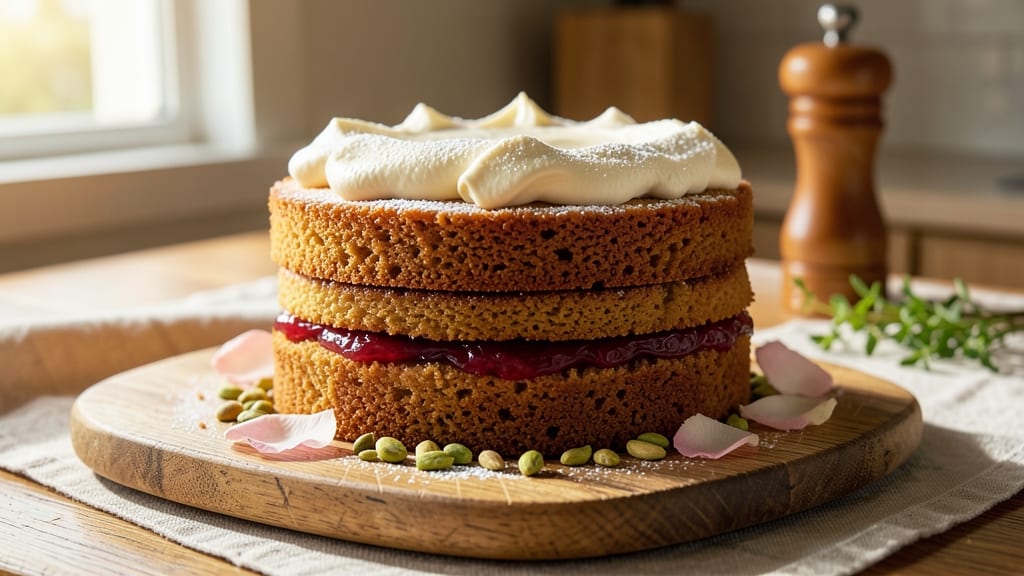
This atta cake recipe delivers the perfect balance of crispy edges and fragrant rosewater swirls that make every bite unforgettable. 🌸 The secret lies in the traditional whole wheat flour (atta) that creates a delicate yet sturdy texture, while rosewater infuses layers of floral aroma. My version builds on family recipes that have been passed down for generations, ensuring authenticity without sacrificing ease.
What sets this recipe apart is the dual-textured magic: a golden, crispy top that gives way to tender, lightly sweetened layers inside. The rosewater swirls aren't just decorative—they're the heart of the cake, adding a delicate floral note that pairs beautifully with the warm wheat flavor. This version uses simple ingredients but delivers restaurant-quality results that will impress even the most discerning guests.
The baking process is where the true artistry comes in. We'll start with a well-hydrated dough that develops its signature texture, then carefully layer the rosewater filling before achieving that signature crispy top. The result is a cake that's perfect for celebrations or everyday treats—each slice offering a perfect balance of textures and flavors that keep people coming back for more.
While traditionally sweet, this cake can be adapted for savory variations using herbs and spices instead of sugar. The crispy top remains the star, making it versatile for both sweet and savory interpretations. Let's get started on creating this timeless dessert that brings warmth and tradition to your table.
Ingredients for atta cake
The secret to this fragrant atta cake lies in its whole wheat flour and delicate rosewater swirls.
| Ingredient | Amount | Notes |
|---|---|---|
| Whole Wheat Flour (Atta) 🌾 | 3 cups | Sifted for light texture |
| Rosewater 🌸 | ½ cup | Pure, food-grade quality |
| Granulated Sugar 🍯 | 1 ½ cups | White or light brown |
| Baking Powder 🌶️ | 2 tsp | Freshly opened |
| Salt 🧂 | ½ tsp | Fine sea salt |
| Unsalted Butter 🧈 | 1 cup | Cold, cubed for crispy top |
| Greek Yogurt 🥛 | 1 cup | Full-fat for moisture |
| Large Eggs 🥚 | 2 whole | Room temperature |
| Vanilla Extract 🌿 | 1 tsp | Pure vanilla preferred |
| Milk 🥛 | ½ cup | Warm for better mixing |
| Cardamom Powder 🌿 | ½ tsp | Ground seeds preferred |
| Saffron Strands 🌼 | ¼ tsp | Soaked in 1 tbsp warm milk |
| Powdered Sugar 🍯 | 1 cup | For dusting top |
| Toasted Almonds 🌰 | ½ cup | Sliced for garnish |
The atta flour is everything here—look for stone-ground whole wheat flour at Indian specialty stores or bulk bins for that authentic texture. Patel Brothers or H Mart always have great options. Cardamom and saffron are non-negotiable for that signature aroma—buy whole cardamom pods and grind them fresh, and saffron from a reputable spice merchant (none of that cheap stuff). The rosewater needs to be pure and food-grade; Middle Eastern markets usually carry the best quality. For the butter, use European-style if you can find it—it browns better for that crispy top.
No rosewater? Orange blossom water works in a pinch, though it has a slightly different floral profile. Short on cardamom? Cinnamon at half the amount gives a similar warmth. The Greek yogurt can be swapped for plain yogurt or sour cream, but full-fat is key for that tender crumb. For the saffron substitute, turmeric at a pinch adds color (though no floral note), or skip it entirely if you're making a savory version. The almonds can be hazelnuts or pistachios—whatever you have on hand. And if you're feeling fancy, add a teaspoon of orange zest to the batter for extra brightness.
The dough keeps best in the fridge for up to 24 hours, wrapped tightly in plastic. The rosewater filling can be prepped a day ahead and stored in the fridge. Once baked, let the cake cool completely before slicing—at least 2 hours—or the layers will fall apart. Store leftovers in an airtight container for 3-4 days, though I promise it won't last that long. For make-ahead magic, bake the cake a day ahead and reheat slices in the oven for 5-10 minutes at 300°F to restore that crispy top.
Why You'll Love This Recipe
- No-Fuss Ingredients: I swear by this recipe because it uses what I already have—atta, sugar, rosewater, and a pinch of baking powder. No specialty items, no last-minute grocery runs. Just mix, bake, and enjoy.
- Rosewater Magic: That first whiff of rosewater when it comes out of the oven? Pure nostalgia. It’s subtle enough to let the warm wheat shine, but it adds this delicate floral note that makes it taste like a treat, not just a cake.
- Crowd-Pleaser Any Day: Between us, this cake is my go-to for breakfast, snack time, or even dessert. Slice it thin for tea, serve it thick for brunch, or pack it for lunch—it never feels out of place.
- Budget-Friendly Luxury: Honestly, it’s one of those recipes where you get restaurant-quality flavor for pennies. Atta is cheap, sugar is cheap, and a few drops of rosewater turn basic ingredients into something special—no frills, just satisfaction.
Step-by-step instructions for atta cake with rosewater swirls
This cake delivers that perfect crispy top and fragrant rosewater aroma every time—just follow these simple steps!
👨🍳 Step 1: Prepare the Saffron Milk and Swirl Dough
Soak the 0.25 tsp saffron strands in 1 tablespoon warm milk for 10 minutes to release their vibrant color and delicate flavor. In a separate bowl, whisk together the remaining 0.5 cup milk, 0.5 cup rosewater, 1.5 cups granulated sugar, 1 tsp vanilla extract, and the saffron-infused milk. This becomes our fragrant base.
In another large bowl, sift the 3 cups whole wheat flour (atta) with the 2 tsp baking powder and 0.5 tsp salt. Add the 1 cup cold cubed butter and use a pastry cutter or your fingers to work it into the flour until the mixture resembles coarse crumbs with pea-sized butter pieces remaining. This texture is crucial for that crispy top!
🍳 Step 2: Combine Wet Ingredients and Create the Swirl
Make a well in the center of your dry ingredients and add the 1 cup Greek yogurt and 2 room-temperature eggs. Mix gently with a spatula until just combined—don't overmix or your cake will be dense. The batter should be thick but pourable.
Here's where the magic happens: divide the batter into two equal portions. To one portion, add the 0.5 tsp cardamom powder and mix well. This will be our spiced base layer. The other portion remains plain for the rosewater swirl. Keep both mixtures separate for now.
🥘 Step 3: Assemble and Bake the Perfect Cake
Preheat your oven to 350°F and grease a 9-inch round cake pan generously with butter and dust with flour. Pour half of the cardamom-spiced batter into the pan and spread it evenly. Drop spoonfuls of the rosewater batter on top, then gently swirl them together with a knife in a circular motion. This creates those beautiful marbled patterns!
Sprinkle the remaining cardamom-spiced batter over the top and gently press down with your fingers to create a textured surface. The goal is to create peaks and valleys for that crispy top. Bake for 40-45 minutes until a toothpick inserted in the center comes out clean and the top is deep golden brown.
⏰ Step 4: Finish with Powdered Sugar and Toasted Almonds
Remove the cake from the oven and let it cool in the pan for 10 minutes before transferring to a wire rack. While it's still warm, dust the entire top generously with 1 cup powdered sugar using a fine-mesh sieve. This creates that signature snowy finish that contrasts perfectly with the crispy edges.
Once completely cooled, arrange the 0.5 cup toasted almonds evenly on top in a circular pattern. The warm cake will help the almonds adhere beautifully. Serve slices warm or at room temperature—each bite delivers that perfect balance of crispy top, moist crumb, and fragrant rosewater aroma!
Pro Tips For Making Atta Cake
- Mix Dry First: Whole wheat flour loves moisture, and if you add rosewater or milk too early, your dough will turn into glue. Sift the atta, baking powder, and salt together first—then fold in wet ingredients. This keeps the texture light and crumbly, not dense.
- Chill the Dough: I used to skip this, but after one overly flat, dry cake, I learned: let the dough rest in the fridge for at least 30 minutes. The cold firms up the gluten, so when you bake, the cake rises properly instead of spreading into a sad pancake.
- Use Warm Milk: Cold milk makes the sugar crystallize unevenly, leaving you with a cake that’s sweet in spots and bland in others. Heat the milk to body temperature (just warm to the touch) before mixing—it dissolves the sugar smoothly and helps the rosewater bloom.
- Don’t Overmix: Whole wheat dough is stubborn. Once you add the wet ingredients, fold just until combined—maybe 10-12 strokes max. Overmixing develops too much gluten, and your cake will turn out chewy instead of tender. Stop when the flour is just incorporated.
Troubleshooting perfect results
Dense Cake Texture
If your cake turns out dense instead of light and airy, it’s likely due to overmixing the batter. The atta flour needs gentle handling—mix just until combined to avoid developing gluten. I’ve found that using room-temperature eggs and warm milk helps incorporate moisture better, preventing a heavy texture. Also, ensure your baking powder is fresh—old leavening agent can’t lift the batter properly. 💡
Cake Not Rising
A cake that doesn’t rise could mean your oven isn’t hot enough or your baking powder is expired. Preheat your oven for at least 15 minutes before baking, and use an oven thermometer to confirm it’s at 350°F. For extra insurance, I like to place a small bowl of water on the oven rack to add moisture and help with even rising. If you’re at high altitude, consider adding an extra ¼ tsp baking powder to compensate for lower air pressure.
Rosewater Flavor Too Strong
The rosewater should enhance, not overpower, the cake. If it tastes too floral, reduce the amount to ¼ cup instead of ½ cup**—you can always add more after baking if needed. For a milder flavor, try infusing the milk with rosewater instead of mixing it directly into the batter. I’ve also had success using orange blossom water as a substitute—it’s sweeter and less intense. 🌸
Crispy Top Not Forming
A soggy top usually means the butter wasn’t cold enough when mixed in. Always cube your 1 cup unsalted butter and chill it for at least 30 minutes before using. For extra crispiness, brush the top with a thin layer of melted butter right before baking. I also recommend using a dark-colored metal pan—they conduct heat better and promote browning. If your top still isn’t crispy, try baking for an additional 5-10 minutes until golden.
Cake Sticking to Pan
Grease your 9-inch round cake pan generously with butter and dust with flour, but don’t stop there. I swear by lining the bottom with parchment paper for extra insurance—especially with whole wheat flour, which can be sticky. For even easier release, use a nonstick spray like Pamex after greasing. If the cake still sticks, let it cool in the pan for 15 minutes before attempting to remove it, then run a thin knife around the edges to loosen.
Uneven Swirl Pattern
Getting those perfect rosewater swirls takes practice, but a few tricks help. Use a long, thin spatula to spread the batter evenly before dropping spoonfuls of the rosewater mixture. Work quickly but carefully when swirling—too much pressure can break the layers. If the swirls look messy, don’t stress! The flavor will still be amazing. For a more professional look, chill the batter for 15 minutes before assembling to make it easier to handle. ✨
Nutrition facts
Frequently asked questions
Can I make this atta cake without rosewater?
If you don't have rosewater, substitute with ¼ cup orange blossom water for a sweeter floral note or 1 teaspoon vanilla extract plus ½ teaspoon almond extract for a nutty aroma. The cake will still be delicious—just the flavor profile changes. For a completely neutral version, simply reduce the milk by ½ cup and skip the floral ingredients entirely.
How do I store leftovers to keep them fresh?
Wrap cooled cake slices tightly in plastic wrap or place in an airtight container with parchment paper between layers. Store at room temperature for 2-3 days or refrigerate for up to 5 days. To revive the crispy top, reheat slices in a 300°F oven for 5-7 minutes or toast in a dry skillet over medium-low heat for 1-2 minutes per side.
What's the best way to make a savory version?
For a savory atta cake, replace the sugar with 1 cup grated Parmesan cheese and 1 teaspoon garlic powder. Add ½ cup finely chopped fresh herbs (like parsley or cilantro) and 1 tablespoon lemon zest to the batter. Skip the rosewater and powdered sugar topping, but keep the toasted almonds for crunch. Bake as directed—this version pairs perfectly with chutneys or yogurt dips.
Why does my cake sometimes crack on top?
Cracking usually happens when the cake bakes too quickly or the oven temperature fluctuates. To prevent this, preheat your oven for 15 minutes and place a tray of water on the lower rack to add moisture. Open the oven door only once during baking. If cracks appear, don't worry—they don't affect flavor! For a smoother finish, brush the top with egg wash before baking.
Can I make this cake gluten-free?
Yes, but you'll need to substitute the atta flour with a 1:1 gluten-free flour blend designed for baking (like Bob's Red Mill 1-to-1). Add ½ teaspoon xanthan gum to help bind the mixture. Note that gluten-free versions may have a slightly denser texture—consider reducing the baking powder to 1½ teaspoons and adding ¼ cup extra yogurt for moisture.