
Desserts
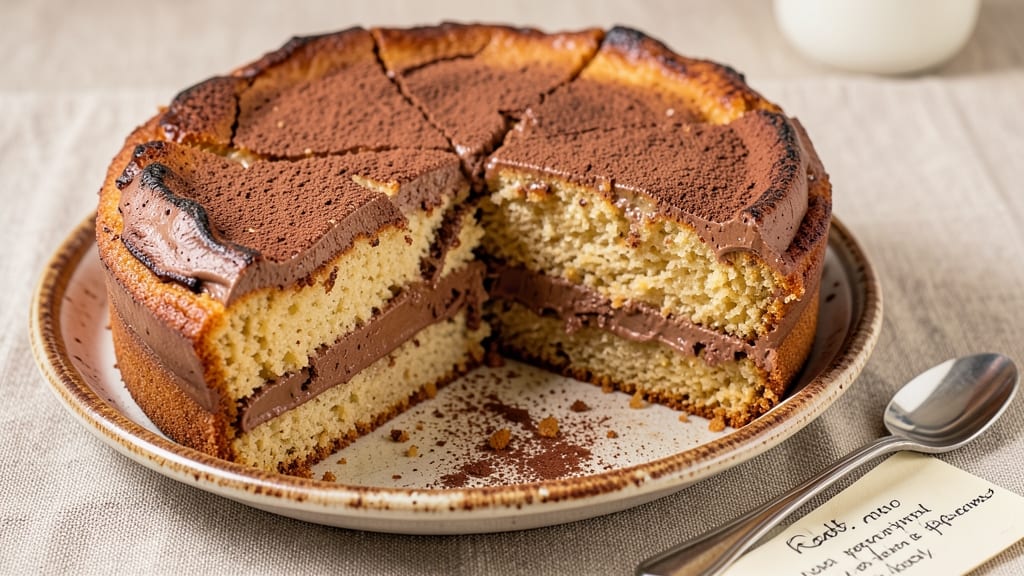
This Asian coffee cake recipe delivers layers of rich, moist crumb and swirls of coconut cream that taste like a café in Bali. The secret lies in a blend of instant espresso powder and toasted coconut, creating bold java notes with tropical sweetness—no fancy equipment required. I’ve perfected this version after years of experimenting with Asian-inspired desserts, and it’s become a crowd favorite for brunch or dessert.
The recipe starts with a tender coffee cake base, infused with espresso for depth, then topped with a luscious coconut cream swirl that stays gooey in the center. A simple glaze ties everything together, giving it that glossy finish you’d expect from a bakery. The best part? It bakes in one bowl, making it foolproof for home bakers.
By the time it emerges from the oven, you’ll have a cake with moist, tender layers and pockets of coconut cream that melt at the first bite. The aroma of freshly brewed coffee and toasted coconut will fill your kitchen, making it impossible to resist. This is the kind of dessert that feels special enough for guests but simple enough for a weekday treat.
Serve it warm with a dusting of powdered sugar or a scoop of vanilla ice cream for the full experience. The recipe also works beautifully with matcha or pandan for a flavor twist. Let’s get baking!
Ingredients for asian coffee cake
Coffee lovers, gather these tropical ingredients for a cake that tastes like Bali.
| Ingredient | Amount | Notes |
|---|---|---|
| All-Purpose Flour 🌾 | 2 ½ cups | Sifted for lighter texture |
| Granulated Sugar 🍚 | 1 ½ cups | White or light brown |
| Instant Espresso Powder ☕ | 2 tbsp | For bold coffee flavor |
| Baking Powder 🧂 | 2 tsp | Aluminum-free preferred |
| Salt 🧂 | ½ tsp | Fine sea salt |
| Unsalted Butter 🧈 | 1 cup | Room temperature, softened |
| Large Eggs 🥚 | 2 whole | Room temperature |
| Vanilla Extract 🌸 | 1 tbsp | Pure vanilla preferred |
| Shredded Coconut 🥥 | 1 ½ cups | Sweetened, unsweetened works too |
| Sweetened Condensed Milk 🥛 | 14 oz | Standard 14 oz can |
| Cream of Coconut 🥥 | 1 cup | For swirl, chilled |
| Powdered Sugar 🍚 | ½ cup | For glaze |
| Milk 🥛 | ½ cup | Any kind, room temperature |
The espresso powder is non-negotiable here—Starbucks VIA or Nescafé Azera are my go-tos, but any instant works. For the coconut, Trader Joe's sweetened shredded is my secret weapon, but unsweetened works too if you prefer. The condensed milk? Store-brand cans are just as good as name brands, but check the expiration date—old cans taste flat. Butter should be room temperature when you mix it, so take it out 30 minutes before baking. The cream of coconut is key for that authentic tropical flavor—Goya or Coco López are my favorites, but any brand will do.
No espresso powder? Strong brewed coffee cooled works in a pinch (about 1/4 cup), but instant is easier. Out of sweetened condensed milk? Mix 1 cup evaporated milk with 1 cup sugar, but it won't be exactly the same. For the coconut cream swirl, if you can't find cream of coconut, coconut milk blended with powdered sugar is a decent substitute. The vanilla extract can be imitation, but pure vanilla has a better flavor. Pro tip: Toast the shredded coconut in a dry pan for 2 minutes before adding it to the batter—it adds a nutty depth that changes the game.
This cake keeps for 3 days at room temperature wrapped in plastic, but it's best the first day. For longer storage, freeze the whole cake for up to 3 months, then thaw at room temperature. The glaze sets quickly, so have your powdered sugar and milk measured out before you pull it from the oven. I like to dust with extra shredded coconut on top right after baking—it adds crunch and looks gorgeous. Leftovers? Slice and reheat in the microwave for 10 seconds to bring back that gooey coconut swirl.
Why You'll Love This Recipe
- No Mixer Needed: I swear by this recipe when my hands are full or my energy’s low—just stir the dry ingredients, fold in the wet, and pour. That instant espresso powder? It dissolves in seconds, no measuring spoons or fancy tools required.
- Coffee Lovers’ Dream: The moment that cake hits your plate, you’ll get why I keep a bag of instant espresso in my pantry. That deep, caramelized coffee note from the powder doesn’t just taste like coffee—it smells like a Vietnamese café, and the sugar keeps it from being bitter. Honestly, my morning coffee’s lost some of its magic since I discovered this.
- Breakfast or Dessert: Between us, this cake is my go-to for lazy weekend brunches or when I need a sweet fix after dinner. Toast a slice for a buttery, crumbly coffee croissant vibe, or serve it warm with a drizzle of condensed milk—no judgment either way.
- Pantry Staple Magic: I’ve made this with flour I had left over, sugar from a half-empty jar, and even reused coffee grounds (yes, really). It’s the kind of recipe that turns basic ingredients into something special without breaking the bank. Plus, slices stay fresh for days, so I can bake one batch and enjoy it all week.
Step-by-step instructions for Asian coffee cake with coconut swirl
Here's how to create a moist coffee cake with bold espresso flavor and a creamy coconut swirl—no shortcuts, just perfect technique.
Cream Butter and Sweeteners for Light Texture
In a stand mixer fitted with the paddle attachment, beat the 1 cup unsalted butter and 1.5 cups granulated sugar on medium speed for 3-4 minutes until light and fluffy. You'll see the mixture nearly double in volume and turn pale—this incorporates air that creates the cake's signature tender crumb.
Add the 2 tbsp instant espresso powder and mix for 30 seconds until fully dissolved. The espresso powder will darken the mixture slightly, but don't worry—this is what gives the cake its rich, coffee-forward flavor. Scrape down the sides of the bowl with a rubber spatula to ensure even mixing.
Add Eggs and Vanilla for Moisture and Flavor
Add the 2 whole large eggs, one at a time, mixing on low speed for 30 seconds after each addition. This gradual incorporation prevents the eggs from scrambling in the butter mixture. After both eggs are incorporated, add the 1 tbsp vanilla extract and mix for another 10 seconds until just combined.
The mixture should be smooth and slightly thick—like a thick batter but not stiff. If it looks too thin, don't panic; the dry ingredients will thicken it up. Here's the thing—room temperature eggs blend more easily, so if they're straight from the fridge, let them sit at room temperature for 10-15 minutes before using.
Combine Dry Ingredients for Even Distribution
In a separate bowl, sift together the 2.5 cups all-purpose flour, 2 tsp baking powder, and 0.5 tsp salt. Sifting ensures no lumps remain and guarantees an even rise. Gently fold this dry mixture into the wet ingredients using a rubber spatula, mixing just until combined—you should still see some flour streaks. Overmixing develops gluten, which can make the cake dense.
Fold in the 1.5 cups shredded coconut by hand using a spatula. You want the coconut evenly distributed throughout the batter, but don't worry if it's not perfectly uniform. The swirl step later will create those beautiful coconut pockets. Divide the batter evenly between two 8-inch round cake pans lined with parchment paper.
Prepare the Coconut Swirl Filling
In a small bowl, combine the 14 oz sweetened condensed milk and 1 cup cream of coconut. Stir until smooth—this mixture will create the cake's signature swirl. The condensed milk adds richness, while the cream of coconut gives that tropical twist.
For the swirl, divide the filling evenly between the two cake pans. Pour it into the center of each pan, then use a butter knife to gently swirl it outward toward the edges. You want the filling to create a spiral pattern, but don't overwork it—just enough to create pockets of coconut cream throughout the cake.
Bake Until Golden and Springy
Preheat your oven to 350°F. Place the cake pans on the middle rack and bake for 30-35 minutes, or until a toothpick inserted into the center comes out clean. The edges should be golden brown, and the top should spring back when gently pressed.
I like to check the cake at the 25-minute mark—sometimes ovens run hot, and you don't want to overbake. If the top browns too quickly, tent the pans with foil. Once baked, let the cakes cool in the pans for 10 minutes, then transfer to a wire rack to cool completely.
Glaze and Serve Warm
While the cakes are still warm, prepare the glaze by whisking together the 0.5 cup powdered sugar and 0.5 cup milk until smooth. Pour the glaze evenly over the top of each cake and let it drip slightly down the sides—this adds that professional bakery finish.
Serve the coffee cake warm for the best experience. The glaze will be slightly runny at first, but it sets as it cools. Each slice should be moist, with pockets of creamy coconut swirl and a hint of espresso flavor in every bite. Pair it with a cup of hot coffee or chai tea for the ultimate indulgence.
Pro Tips For Making Asian Coffee Cake
- STOP SIFTING DRY FLOUR: Mix the instant espresso powder directly into the sugar before adding it to the wet ingredients—this keeps the coffee flavor evenly distributed instead of clumping. I used to sift it into the flour, and half the time it ended up pooling in one spot, making the cake taste uneven.
- WEIGH YOUR FLOUR: Scooping flour from the bag packs it too tightly, and this cake hates extra density. Use a kitchen scale for accuracy—240 grams of all-purpose flour is the sweet spot for a tender crumb. (Yes, even if your measuring cups are "clean.")
- BAKE UNTIL 205°F: Pull the cake out when the center hits 205°F (96°C)—not when it looks done. Espresso powder can make the cake set unevenly, so trust the thermometer over your eyes. I learned this after cutting into a still-raw middle that tasted like wet cardboard.
- SWAP BUTTER FOR OIL: Skip the butter and use melted coconut oil or neutral oil instead—it keeps the cake moist longer and adds a subtle richness without making it greasy. (Just don’t overmix after adding it, or you’ll end up with a tough cake.)
Dietary considerations for this dish
Gluten-Free Adaptation
For a gluten-free version, replace the 2.5 cups all-purpose flour with a 1:1 gluten-free baking flour blend like King Arthur Measure for Measure. Add 1 tsp xanthan gum to help bind the texture. You may need to increase the milk by 2 tbsp since gluten-free flours absorb more liquid. Bake as directed, but check for doneness at 25 minutes—gluten-free cakes can dry out faster. 💫
Dairy-Free Options
Swap the 1 cup unsalted butter for 1 cup dairy-free butter like Miyoko's or Earth Balance. Use 14 oz coconut condensed milk (found in Asian markets) instead of dairy condensed milk, and 1 cup full-fat coconut milk for the swirl filling. The flavor stays rich and tropical, just without dairy. Always check labels for hidden dairy in baking powder.
Lower Sugar Version
Reduce the 1.5 cups granulated sugar to 1 cup and use 1 cup monk fruit sweetener blended with ½ cup coconut sugar for a lower-glycemic option. Cut the condensed milk to 12 oz and add 1 tbsp honey to the swirl filling for moisture. The cake will still taste sweet but with natural sweetness and fewer refined carbs. 🌱
Nut-Free Considerations
This recipe is naturally nut-free, but always double-check your shredded coconut and cream of coconut brands for cross-contamination warnings. For extra caution, use unsweetened coconut flakes toasted in a dry pan instead of pre-shredded coconut. Store all ingredients in sealed containers to prevent accidental mixing with nut products in your pantry.
Vegan Substitutions
Replace the 2 eggs with 2 tbsp ground flaxseed mixed with 6 tbsp water (let sit for 5 minutes to gel). Use 1 cup dairy-free butter and 14 oz coconut condensed milk. For the swirl, blend 1 cup coconut milk with ½ cup powdered sugar until smooth. The texture stays moist, though it may be slightly denser than the original. 🌿
Nutrition facts
Frequently asked questions
Can I make this cake without an instant espresso powder?
Yes! If you don't have instant espresso powder, use ¼ cup strong brewed coffee (cooled) instead. The flavor will be slightly different but still delicious. For a stronger coffee taste, you can even add ½ tsp vanilla bean paste to enhance the depth.
How do I prevent the coconut swirl from leaking out during baking?
To keep the coconut filling contained, make a small well in the center of each cake pan before adding the batter. Pour the filling into the well, then gently swirl it with a knife. Avoid overmixing—just 2-3 swirls are enough. Also, don't overfill the pans; the batter should come ¾ of the way up the sides.
Can I bake this in a single 9-inch round pan instead of two 8-inch pans?
Yes, but you'll need to adjust the baking time. Divide the batter and filling evenly between the single pan, spreading it to 1-inch thickness. Bake at 350°F for 40-45 minutes, checking for doneness at 35 minutes. The cake may take slightly longer to bake evenly in a larger pan.
Why did my cake turn out dense instead of moist? Dense cake usually happens from overmixing the batter or overbaking.
Can I use this recipe for a coffee cake loaf instead of rounds?
Transfer the batter and filling to a 9x5-inch loaf pan greased with butter. Bake at 350°F for 50-55 minutes, or until a toothpick comes out clean. The loaf version works great for breakfast slices, and the coconut swirl will create beautiful pockets throughout. The baking time may vary slightly, so check at 45 minutes.