
Desserts
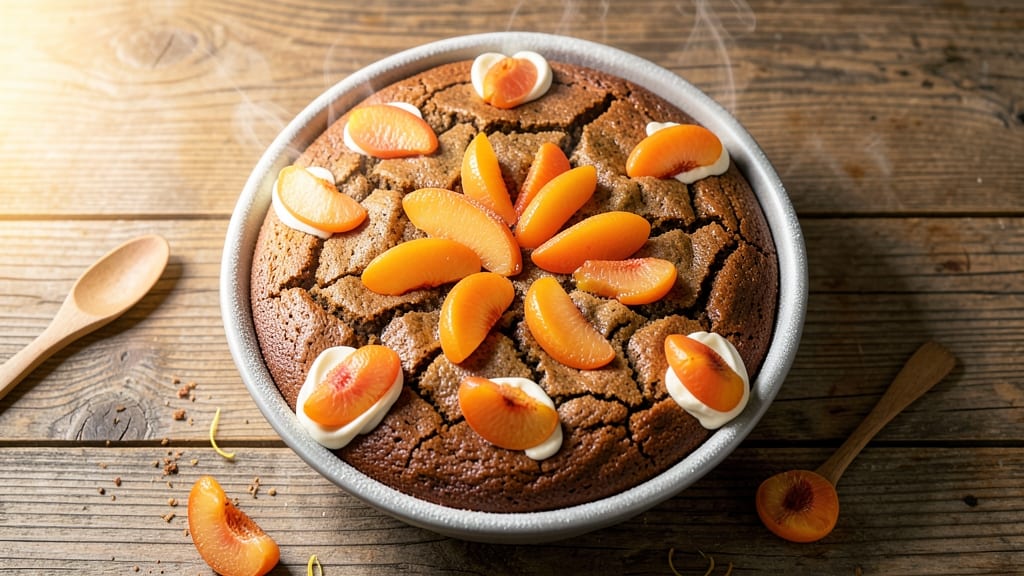
This apricot tea cake recipe transforms a classic dessert into something bright and irresistible with a zesty citrus twist. The secret lies in infusing Earl Grey tea into the batter, creating layers of floral aroma that pair perfectly with the jammy sweetness of apricots—whether fresh, dried, or as a luscious preserve. I developed this recipe after years of baking tea cakes, determined to balance richness with a refreshing lift that keeps every bite feeling special.
The result is a moist, tender cake with a subtle tea-infused depth and bursts of apricot flavor that cut through the sweetness beautifully. The citrus zest in the batter adds a bright, almost effervescent quality, while the apricot filling or glaze ties everything together with natural fruitiness. This isn’t just another tea cake—it’s a dessert that feels like a sophisticated afternoon treat without requiring fancy techniques.
Perfect for brunch gatherings or a cozy weekend dessert, this cake layers well with a simple apricot glaze or fresh berries on top. The texture stays moist for days, making it ideal for meal prep if you want to enjoy slices throughout the week. Whether you’re serving it warm with tea or at room temperature, the flavors shine in every bite.
What makes this recipe truly special is how the tea and apricot complement each other—earthy, floral, and fruity all at once. The instructions are straightforward, with tips to ensure your cake rises evenly and stays moist. Let’s get baking!
Ingredients for apricot tea cake
Bright citrus and floral tea create this irresistible apricot tea cake with just 13 ingredients.
| Ingredient | Amount | Notes |
|---|---|---|
| All-Purpose Flour 🌾 | 2 ½ cups | Sifted for light texture |
| Granulated Sugar 🍚 | 1 ½ cups | White or light brown |
| Earl Grey Tea Leaves ☕ | 2 tbsp | Loose leaf preferred |
| Unsalted Butter 🧈 | 1 cup | Cold, cubed for creaming |
| Large Eggs 🥚 | 2 whole | Room temperature |
| Milk 🥛 | 1 cup | Whole or 2% preferred |
| Lemon Zest 🍋 | 1 tbsp | Freshly grated |
| Vanilla Extract 🌸 | 1 tsp | Pure vanilla preferred |
| Baking Powder 🧂 | 2 tsp | Diamond Crystal brand |
| Salt 🧂 | ½ tsp | Fine sea salt |
| Apricot Preserve 🍑 | 1 cup | Unsweetened preferred |
| Powdered Sugar 🍚 | 1 cup | For glaze |
| Fresh Apricots 🍑 | ½ cup | Sliced for garnish (optional) |
The Earl Grey tea leaves are non-negotiable for that signature floral depth—loose leaf (not bags) makes all the difference. Grab a small bag from Whole Foods or Trader Joe's if you want to splurge, but regular grocery store brands work too. For the flour, King Arthur is my go-to for consistent results, but any all-purpose will do. The butter? Cold and cubed is key—don’t let it soften too much before creaming. And that lemon zest? Use a microplane—it’s the only way to get fine, fragrant strips without bitter pith. Fresh apricots are ideal for garnish, but dried or canned work in a pinch if you’re not in season.
No Earl Grey? English Breakfast tea works in a bind, but you’ll lose some floral notes. The apricot preserve can be swapped for apricot jam (reduce sugar if it’s very sweet). For extra brightness, add 1 tsp lemon juice to the batter. The glaze is simple—just powdered sugar and apricot preserve—but if you want to get fancy, add 1 tsp milk to thin it out. And if you’re feeling ambitious, fold 1 tbsp apricot jam into the batter for extra fruit pockets. The cake tastes even better the next day, so always bake ahead if you can—it’s perfect for meal prep.
Store the cake in an airtight container at room temperature for up to 3 days, or in the fridge for 5 days if you’re prepping ahead. The glaze keeps it moist, but cover it with plastic wrap if you’re storing it longer than a day. Freeze for up to 3 months—just thaw at room temperature before serving. I like to slice and wrap individual portions for easy grab-and-go treats. And if anyone asks, this cake tastes even better with a cup of the same Earl Grey tea you used in the batter—like a dessert that hugs you back.
Why You'll Love This Recipe
- Tea-Infused Magic: I swear by the Earl Grey in the batter—it’s not just flavoring, it’s transformation. That bergamot-kissed depth turns a basic cake into something sophisticated, like a cozy hug in dessert form.
- One-Bowl Wonder: Honestly, this recipe is my lazy-day hero. Mix everything in one bowl, fold in the apricots, and bake. No fancy layers, no stress—just a tender crumb and juicy fruit that feels like a treat, not a chore.
- Office Picnic Ready: Between us, these slices disappear at work potlucks. The tea flavor keeps them interesting, and the apricots add a sweet-tart pop that’s way more exciting than store-bought. Pack them the night before—no one will guess they’re homemade.
- Budget Bake: Butter and eggs make it rich, but the rest? Pantry staples. A box of flour, sugar, and tea leaves stretch into multiple batches, and those apricots? Canned or fresh, they’re cheaper than half the bakery options. Good taste shouldn’t break the bank.
Step-by-step instructions for apricot tea cake
Here's how to bake a moist, fragrant tea cake with a citrusy twist that'll impress anyone.
Prepare the Tea-Infused Dough
Preheat your oven to 350°F and grease an 8-inch round cake pan or line it with parchment paper. In a small bowl, steep the 2 tbsp Earl Grey tea leaves in ¼ cup hot water for 5 minutes to infuse the flavor. Let it cool completely before using.
In a large mixing bowl, cream together the 1 cup unsalted butter and 1.5 cups granulated sugar on medium speed until light and fluffy, about 3-4 minutes. Add the 2 whole eggs one at a time, mixing well after each addition. Stir in the cooled tea infusion, 1 tbsp lemon zest, and 1 tsp vanilla extract until combined.
Combine Dry Ingredients and Fold in Wet
In a separate bowl, whisk together the 2.5 cups all-purpose flour (sifted for light texture), 2 tsp baking powder, and 0.5 tsp salt. Gradually add the dry ingredients to the wet mixture, mixing on low speed just until combined. Avoid overmixing—you should still see small flour streaks.
Pour in the 1 cup milk and mix until the batter is smooth and well incorporated. The batter should be thick but pourable. Fold in 1 cup apricot preserve using a spatula, being careful not to overmix. The preserve will add moisture and a subtle sweetness that pairs beautifully with the tea and citrus.
Bake Until Golden and Springy
Pour the batter into the prepared cake pan and smooth the top with a spatula. Bake in the preheated oven for 40-45 minutes, or until a toothpick inserted into the center comes out clean and the top is golden brown. The cake should spring back slightly when pressed gently in the center.
I like to check the cake at the 35-minute mark—if the top is browning too quickly, tent it loosely with aluminum foil to prevent over-browning while ensuring it's fully cooked inside. Once done, remove from the oven and let it cool in the pan for 10 minutes before transferring to a wire rack to cool completely.
Glaze and Garnish for Finishing Touches
While the cake cools, make the glaze by whisking together the 1 cup powdered sugar and 2-3 tbsp milk (or the tea infusion if you prefer extra flavor) until smooth. Drizzle the glaze evenly over the top of the cooled cake, letting it drip slightly over the sides for a decorative look.
For garnish, slice the 0.5 cup fresh apricots into thin wedges and arrange them decoratively on top of the glaze. The fresh apricots add a beautiful contrast to the golden cake and a hint of tartness that balances the sweetness. Let the glaze set for 15-20 minutes before slicing to ensure it holds its shape.
Pro Tips For Making Apricot Tea Cake
- Steep Tea, Don’t Drown It: I learned this the hard way—soaking the Earl Grey leaves in hot milk for 10 minutes (not boiling) extracts just enough flavor without turning your batter into tea. Strain it twice through a fine sieve if you’re lazy about removing every speck, or you’ll get gummy cake.
- Cream Butter Cold, Then Warm: Beat the butter and sugar until it’s pale and fluffy, but don’t overdo it—this isn’t a meringue. Once the mixture looks like wet sand, let it sit at room temp for 10 minutes before adding eggs. The butter will soften just enough to emulsify properly without turning greasy.
- Skip the Overmixing: Fold in the apricot puree (or chopped fruit) gently—think marbling, not blending. Overmixing develops gluten, and your cake will turn out dense instead of tender. If the batter looks streaky, that’s fine; it’ll even out in the oven.
- Bake Until Golden, Not Dry: The cake’s done when the edges pull away from the pan and a toothpick comes out with moist crumbs, not wet batter. If your oven runs hot, rotate the pan halfway and tent with foil at 15 minutes—this keeps the top from burning while the center sets.
Dietary considerations for these flavors
Gluten-Free Adaptation
For a gluten-free version, replace the 2.5 cups all-purpose flour with a 1:1 gluten-free baking flour blend like King Arthur Measure for Measure or Bob’s Red Mill. Add 1 tsp xanthan gum to help bind the cake—this is crucial for structure. The texture will be slightly denser, so reduce baking time by 5 minutes and check for doneness at 35 minutes. 🌾
Dairy-Free Swaps
To make this cake dairy-free, swap the 1 cup unsalted butter for 1 cup dairy-free butter like Miyoko’s or Earth Balance. Replace the 1 cup milk with unsweetened almond milk or oat milk—I prefer oat milk for its neutral flavor. The glaze can stay the same, but use dairy-free milk if needed. The cake will still be moist, though slightly less rich.
Refined Sugar Reduction
Cut the 1.5 cups granulated sugar to 1 cup and replace the remaining ½ cup with coconut sugar or maple syrup for a lower-glycemic option. The cake will still taste sweet but with a deeper caramel note. For the glaze, reduce powdered sugar to ¾ cup and add 1 tsp lemon juice to balance flavors. The texture remains tender, just slightly denser.
Nut-Free Considerations
This recipe is naturally nut-free, but always double-check labels on ingredients like vanilla extract (some brands process in nut facilities) and apricot preserve (check for cross-contamination warnings). If you’re avoiding all potential risks, opt for store-brand vanilla and organic apricot preserves with clear labeling. The cake’s flavor stays bright and intact without nuts.
Lower Sugar Options
For a lighter dessert, reduce the 1 cup apricot preserve to ½ cup and add 1 tsp ground flaxseed mixed with 2 tbsp water (as an egg substitute) to boost fiber. The cake will be slightly denser but with natural sweetness. Pair with fresh berries instead of extra apricots for a lighter garnish. This version works well for breakfast or an early dessert.
Nutrition facts
Frequently asked questions
Can I use dried apricots instead of fresh or preserve?
Yes! For the filling, chop ½ cup dried apricots finely and simmer with ¼ cup water for 5 minutes to soften. Strain and use the liquid in place of apricot preserve, then fold the chopped apricots into the batter. For garnish, rehydrate extra dried apricots in warm water for 10 minutes before slicing. The texture will be slightly chewier but still delicious!
Why does my tea cake turn out dense instead of moist?
Overmixing the batter or underbaking are the most common culprits. Mix just until combined (small flour streaks are fine), and bake until a toothpick comes out clean. Another trick: Whisk the eggs and milk separately before adding to the batter—this creates tiny air pockets for a lighter texture. Also, don’t skip the 10-minute rest in the pan after baking!
What’s the best tea to use if I don’t have Earl Grey?
Any black tea with floral or berry notes works well—try Lapsang Souchong (smoky), Darjeeling (light floral), or even English Breakfast (bold). For herbal options, hibiscus tea adds tangy brightness. Just steep 2 tbsp tea leaves in ¼ cup hot water for 5 minutes and cool completely before using. The flavor will differ slightly but still complement the apricots beautifully.
Can I make this cake in a different shape or size?
For a 9-inch round pan, reduce baking time by 5-7 minutes (check at 35 minutes). For a loaf pan (8x4 inches), bake at 325°F for 50-55 minutes. Divide the batter for cupcakes (bake in 350°F for 18-20 minutes in a muffin tin). Adjust glaze quantities proportionally—cupcakes need about 1 tbsp per cupcake.
How do I store leftovers to keep them fresh?
Store wrapped tightly in an airtight container at room temperature for up to 3 days. For longer storage, refrigerate (up to 5 days) or freeze (up to 3 months). To reheat, warm slices at 300°F for 5-7 minutes or microwave for 10 seconds. The glaze may soften slightly—re-drizzle with a little milk before serving if needed.