
Desserts
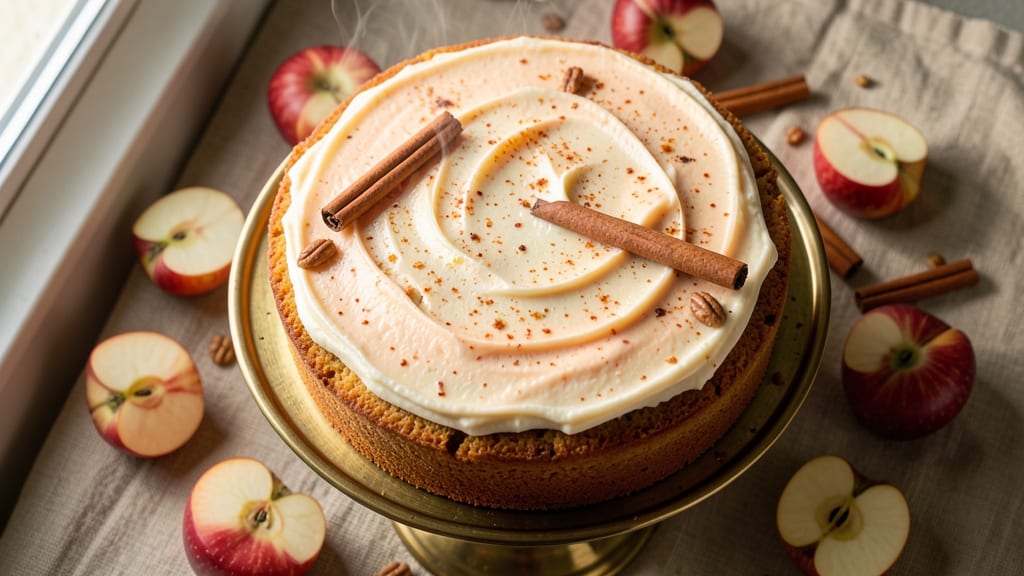
This apple cider vinegar cake delivers the perfect balance of tangy zing and ultra-moist layers that keep slices tender for days. The vinegar creates a tender crumb while adding subtle depth to the sweetness, making this cake a crowd-pleaser that's surprisingly simple to bake. I've perfected the ratio of ingredients to ensure every bite stays moist without being dense, and the flavor profile is both comforting and sophisticated.
The secret to this cake's success lies in the apple cider vinegar, which reacts with baking soda to create a tender, airy texture while adding a subtle tang that cuts through the sweetness. You won't taste the vinegar—just a refined complexity that elevates the vanilla and cinnamon flavors. This recipe is designed to be foolproof, with precise measurements and clear instructions that even beginner bakers can follow with confidence.
What you'll end up with is a cake that's perfectly moist in the center, with just the right amount of structure to hold its shape. The tangy flavor lingers just beneath the surface, making each slice satisfyingly complex. It's the kind of dessert that feels special enough for company but simple enough for a weeknight treat.
Serve it warm with a dusting of powdered sugar or a dollop of whipped cream, or enjoy it at room temperature with a cup of coffee. The recipe also includes optional variations for adding apples or caramel drizzle, giving you flexibility to customize it to your taste. Let's get baking!
Ingredients for apple cider vinegar cake
Eight simple ingredients transform into a cake that's moist and tangy without being dense.
| Ingredient | Amount | Notes |
|---|---|---|
| All-Purpose Flour 🌾 | 2 ½ cups | Sifted for light texture |
| Granulated Sugar 🍚 | 2 cups | White or light brown |
| Unsalted Butter 🧈 | 1 cup | Room temperature, full-fat |
| Large Eggs 🥚 | 2 whole | Room temperature for blending |
| Apple Cider Vinegar 🍎 | 2 tbsp | Raw, unfiltered preferred |
| Baking Soda 🍫 | 1 tsp | Pure baking soda, not baking powder |
| Salt 🧂 | ½ tsp | Fine sea salt preferred |
| Vanilla Extract 🌸 | 2 tsp | Pure vanilla extract |
| Ground Cinnamon 🌿 | 1 tsp | Freshly ground preferred |
| Milk 🥛 | 1 cup | Whole milk for richness |
| Powdered Sugar 🍚 | ¼ cup | For dusting, optional |
The apple cider vinegar is non-negotiable here—it's what creates that signature tender crumb. Bragg or Texas Pete work best, but any raw, unfiltered vinegar will do. The flour should be sifted before mixing to avoid a dense texture, and King Arthur or Bob's Red Mill are my go-tos for consistent results. Butter matters too: grab the full-fat kind (none of that reduced-fat nonsense) and let it sit out for 30 minutes before measuring. The baking soda needs to be fresh—if it's older than 6 months, toss it and buy a new box. For the milk, whole milk adds richness, but 2% works in a pinch.
No apple cider vinegar? White vinegar at half the amount gets you close, but the flavor won't be quite the same. Running short on butter? Coconut oil or vegetable oil work, though the texture will be slightly different. Need to make this dairy-free? Swap the milk for almond milk or oat milk, and use vegan butter. The vanilla extract should be pure—imitation stuff tastes artificial. For the cinnamon, if you've got whole sticks, grind them fresh for maximum flavor. And if you're worried about the baking soda, lemon juice or cream of tartar can replace it (use 1 tbsp lemon juice + 1/4 tsp cream of tartar for every 1 tsp baking soda).
This cake keeps beautifully—3 days at room temperature wrapped in plastic, or 5 days in the fridge. For longer storage, slice it and freeze the pieces for up to 3 months. I like to make a double batch and freeze half right away so I always have a backup. The powdered sugar topping is optional, but trust me on this—it makes the cake feel extra special. If you want to get fancy, brush the warm cake with a simple vanilla glaze (powdered sugar + milk) before dusting.
Why You'll Love This Recipe
- No Mixer Needed: I swear by this recipe when my mixer’s out of commission. The apple cider vinegar does all the heavy lifting—whisking eggs and butter into fluffy magic with just a fork and a bowl. Honestly, it’s the kind of cake that makes me feel like a baking genius, even when I’m half-asleep.
- Tangy-Sweet Magic: That vinegar isn’t just a trick—it’s the secret to a moist, tender crumb with a subtle depth. The sugar caramelizes just enough to give every bite a warm, buttery finish, but the vinegar keeps it from being cloying. (Yes, even on a Tuesday night.)
- Breakfast or Dessert: Serve it warm with a pat of butter for a cozy morning treat, or dust it with powdered sugar for an after-dinner crowd-pleaser. I’ve even sliced it thin for French toast—crispy edges, custardy middle, every time. It’s the one cake that works for any mood.
- Pantry Staple Power: No specialty ingredients here—just flour, sugar, butter, eggs, and vinegar. That bottle of apple cider vinegar you already own? Now it’s doing double duty. And because it keeps for days, I bake a batch on Sundays and forget about it until Wednesday. Problem solved.
Step-by-step instructions for apple cider vinegar cake
Here's how to bake a tender, tangy cake that stays moist for days—no dry crumbs in sight.
Prep Ingredients for Perfect Texture
Start by sifting the 2.5 cups all-purpose flour and 1 tsp baking soda together in a medium bowl. This step removes lumps and ensures your cake rises evenly. Set aside while you prepare the wet ingredients.
In a separate large bowl, cream the 1 cup unsalted butter and 2 cups granulated sugar together on medium speed until light and fluffy—about 3-4 minutes. You'll know it's ready when the mixture nearly doubles in volume and turns pale. This step incorporates air, giving your cake that signature tender crumb.
Combine Wet Ingredients for Tangy Flavor
Add the 2 whole large eggs, one at a time, mixing well after each addition. Then stir in the 2 tbsp apple cider vinegar, 2 tsp vanilla extract, and 1 tsp ground cinnamon. The vinegar might make the mixture look curdled, but don't worry—it reacts with the baking soda to create lift and that signature tang.
Gradually whisk in the 1 cup milk until fully combined. The batter should be smooth but slightly thicker than typical cake batter. If it looks too thin, add 1-2 tablespoons of flour from your reserved mixture. This step ensures the right balance of moisture and structure for that ultra-moist texture.
Mix and Test for Proper Consistency
Gently fold the dry ingredients into the wet mixture using a spatula, mixing just until combined. Avoid overmixing—you should still see small streaks of flour. The batter should be thick but pourable, similar to pancake batter. If it's too stiff, add 1 tablespoon of milk to loosen it.
Here's the thing—this batter is designed to be slightly thicker than most cakes. The apple cider vinegar and baking soda reaction creates extra lift, so we want to preserve that structure. Drop a spoonful of batter into a glass of water—if it spreads slowly, you're good to go. If it spreads too quickly, add another tablespoon of flour.
Bake to Golden Perfection
Preheat your oven to 350°F and grease two 9-inch round cake pans. Pour the batter evenly between the pans and smooth the tops with a spatula. Bake for 25-30 minutes, or until a toothpick inserted in the center comes out clean. The edges should be golden brown, but the top might still look slightly underdone—this is normal.
I like to tent the pans with foil after 20 minutes to prevent over-browning while ensuring the center cooks through. Let the cakes cool in the pans for 10 minutes, then transfer to a wire rack to cool completely. This resting period prevents cracking and helps the flavors meld together.
Dust and Serve for Maximum Moisture
Once completely cooled, dust the tops of the cakes with the 0.25 cup powdered sugar for a classic finish. The powdered sugar not only looks beautiful but also helps lock in moisture, keeping your cake tender for days. Slice with a sharp knife and serve with a dollop of whipped cream or a drizzle of caramel for the perfect balance of tangy and sweet.
This cake stays moist for up to 4 days when stored in an airtight container at room temperature. For best results, bring it to room temperature before serving—this enhances the texture and lets those apple cider notes really shine.
Pro Tips For Making Apple Cider Vinegar Cake
- WHISK THE VINEGAR FIRST: Mix the apple cider vinegar with the eggs and sugar before adding the butter—this keeps the batter smoother and prevents lumps. I used to add it last, and the texture always felt uneven, like something was missing.
- MEASURE FLOUR BY WEIGHT: Scooping flour from the bag packs it down, making your cake dense. Use a kitchen scale for 225g (1 ¾ cups) and spoon it lightly into the measuring cup before leveling. Yes, it’s one extra step, but the crumb will be lighter and more consistent.
- BAKE UNTIL THE CENTER HITS 205°F: The cake’s done when the internal temp reads 205°F (96°C)—not when it springs back or looks golden. I’ve pulled cakes too soon, and they’d either collapse later or taste underdone. A thermometer takes the guesswork out.
- COLD BUTTER SAVES DAY: Let the butter sit in the fridge until just soft—it should dent but not melt when pressed. This prevents the batter from getting too warm, which can make the cake dense. I learned this after a batch turned out like a brick.
Best sauces and condiments for apple cider vinegar cake
Caramel Drizzle
Elevate your cake with a salted caramel drizzle that complements the tangy apple cider notes beautifully. Heat ½ cup granulated sugar in a saucepan over medium heat until melted, then add ¼ cup heavy cream and 2 tbsp unsalted butter. Stir constantly until smooth, then remove from heat and whisk in ½ tsp flaky sea salt. Drizzle over cooled cake slices just before serving. 🍯
Vanilla Glaze
A simple vanilla glaze adds a silky finish that enhances the cake’s moisture. Mix 1 cup powdered sugar with 2 tbsp heavy cream and 1 tsp vanilla extract until smooth. Drizzle over the cake while still warm or use it to sandwich layers if you're making a layered version. This glaze is foolproof and pairs perfectly with the cake’s tangy depth.
Whipped Cream
Classic whipped cream is a must for this cake—its lightness contrasts the dense, moist layers. Whip 1 cup heavy whipping cream with 1 tbsp powdered sugar and ½ tsp vanilla extract until soft peaks form. Dollop generously on top of each slice, and sprinkle with a pinch of cinnamon for an extra aromatic touch. The cream’s coolness balances the cake’s warmth.
Apple Butter Swirl
For a homemade twist, swirl ¼ cup apple butter into the batter before baking. The spiced apple flavor deepens the cake’s profile, creating a subtle contrast to the vinegar’s tang. If you prefer a cleaner look, drizzle warmed apple butter over the top of cooled slices. Store-bought apple butter works, but homemade (with cinnamon and a touch of brown sugar) is even better. 🍏
Lemon Curd Filling
Add a bright citrus note by layering this cake with lemon curd. Mix ½ cup lemon juice, ½ cup sugar, 3 egg yolks, and ¼ cup butter in a saucepan, cooking over low heat until thickened. Spread between cake layers or drizzle over the top for a zesty contrast. The acidity in the curd mirrors the apple cider vinegar’s tang, creating harmony in every bite.
Nutrition facts
Frequently asked questions
Why does this cake recipe use apple cider vinegar?
The apple cider vinegar creates a tender, moist crumb by reacting with baking soda to produce lift and a subtle tang. This reaction also helps balance the sweetness for a more complex flavor. You won't taste the vinegar—just a refined depth that makes every bite more satisfying!
Can I make this cake in a single 9-inch pan instead of two?
Yes, but reduce baking time to 20-25 minutes—the smaller surface area will cook faster. Bake at 350°F and check for doneness with a toothpick. The cake may spread more, so grease the pan well and consider using a round cake pan with a springform base for easier removal.
What if I don't have apple cider vinegar?
Use white vinegar at half the amount (1 tbsp) as a substitute, but the flavor won't be identical. For best results, try lemon juice (1 tbsp) or cream of tartar (½ tsp) mixed with warm water to mimic the acidity. The texture will still be tender, but the tangy depth will be milder.
How do I prevent my cake from cracking on top?
Cracking usually happens from rapid cooling or overmixing. Let the cake cool in the pan for 10 minutes before transferring to a wire rack, and avoid opening the oven door too soon. Also, don't overmix the batter—just combine until no dry flour remains. A light dusting of powdered sugar after cooling helps too!
Can I add chopped apples to this cake?
Fold in 1 cup diced apples (peeled and tossed in 1 tsp cinnamon) after mixing the wet ingredients. Reduce milk by 2 tbsp to maintain texture. The apples will add natural moisture and sweetness, balancing the vinegar's tang. Bake as directed—just check for doneness 2-3 minutes early.