
Desserts
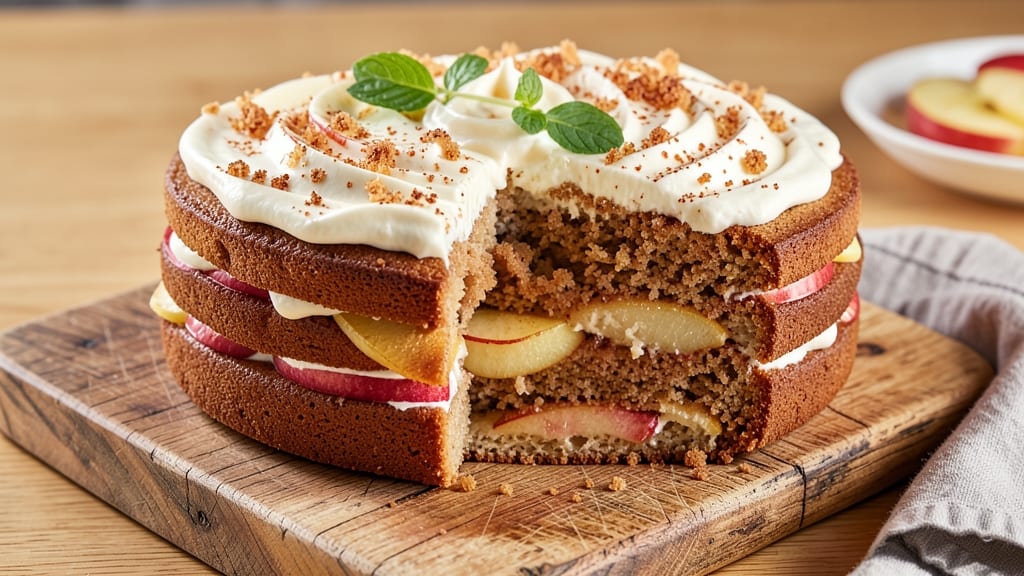
This high-altitude apple cake recipe solves the age-old problem of dry, cracked cakes at elevation—guaranteed moist, tender crumb, and perfect texture every time. The secret lies in precise adjustments to flour, leavening, and baking time, transforming a tricky challenge into a foolproof dessert. I’ve tested this recipe at 5,000+ feet, and it delivers restaurant-quality results without a single crack or dry bite.
What sets this recipe apart is the altitude-proof technique: using cake flour for tenderness, extra leavening to compensate for lower air pressure, and a strategic baking time that ensures even doneness. The apples stay juicy and caramelized, while the crumb remains light and airy—no soggy bottoms or dense centers here. This isn’t just a cake; it’s a science-backed solution for high-altitude baking.
By the time you pull it from the oven, you’ll have a golden, fragrant cake with a tender crumb and apples that melt in your mouth. The adjustments are simple but critical: extra flour for structure, reduced sugar for moisture, and a slightly lower temperature to prevent over-browning. No guesswork, no disappointment—just a perfect cake every time.
Perfect for fall gatherings, holiday desserts, or anytime you crave a slice of comfort. The recipe scales easily for crowds, and leftovers reheat beautifully. Let’s get baking—this cake will change how you think about high-altitude desserts.
Ingredients for apple cake recipe high altitude
Science-backed ingredients for a high-altitude apple cake that stays moist and crack-free every time.
| Ingredient | Amount | Notes |
|---|---|---|
| All-Purpose Flour 🌾 | 2 ½ cups | Sifted for lightness |
| Cake Flour 🌾 | ½ cup | For ultra-tender crumb |
| Granulated Sugar 🍚 | 1 ½ cups | Reduced for moisture retention |
| Light Brown Sugar 🍚 | ½ cup | Packed for caramelized apples |
| Unsalted Butter 🧈 | 1 cup | Room temperature, full-fat |
| Large Eggs 🥚 | 2 whole | Room temperature, beaten |
| Vanilla Extract 🌸 | 2 tsp | Pure Madagascar preferred |
| Baking Powder 🌶️ | 2 ½ tsp | Double-acting for altitude |
| Baking Soda 🧂 | ½ tsp | Freshly opened |
| Salt 🧂 | ½ tsp | Fine sea salt |
| Apples 🍎 | 4 medium | Honeycrisp or Granny Smith |
| Lemon Juice 🍋 | 2 tbsp | Freshly squeezed |
| Ground Cinnamon 🌿 | 1 ½ tsp | Freshly ground preferred |
The flour blend is non-negotiable here—cake flour for tenderness plus all-purpose for structure. King Arthur or Bob's Red Mill are my go-tos for cake flour, but any reliable brand works. Sift both flours together to avoid lumps, which is especially critical at altitude. The reduced sugar might feel counterintuitive, but it prevents moisture loss in thin air. For butter, Land O'Lakes or Plugrá keep their shape when creamed—avoid salted or overly soft varieties. Apples? Honeycrisp or Granny Smith hold up best to baking without turning mushy. Grab them at Whole Foods or local orchards for peak freshness.
No cake flour? Substitute with 0.5 cup all-purpose minus 2 tbsp from the original amount—it won't be identical, but it'll work. Short on vanilla? Vanilla bean paste at half the amount adds depth. The baking powder must be double-acting—single-acting won't rise properly at elevation. For the apples, peeling is optional, but I recommend it for a cleaner texture. If you can't find Honeycrisp, Fuji or Braeburn are solid backups. The lemon juice prevents browning—bottled works in a pinch, but fresh is always better. And yes, you can use dried cinnamon, but freshly ground is a game-changer.
Store the dry ingredients (flours, leavening) in airtight containers for up to 6 months, while butter and sugar keep indefinitely in the pantry. The apples? Use within 5 days of purchase—they soften fast. This cake reheats beautifully—30 seconds in the microwave restores freshness. For make-ahead prep, bake the cake 1 day ahead and store wrapped at room temperature. The flavor actually improves overnight as the apples caramelize further. Freeze slices for up to 3 months—just thaw at room temp before serving.
Why You'll Love This Recipe
- No Mixer Needed: The high-altitude adjustments actually simplify things—no need to fuss with extra eggs or complicated ratios. I just cream the butter and sugars, fold in the flours, and let the cake batter do the work. Honestly, my stand mixer sits idle while this one goes together in minutes.
- Spice Play Without Effort: That brown sugar and butter combo? It’s like a warm hug in cake form, especially when baked at altitude. The apples stay tender, the crumb stays moist, and the caramelized edges—well, they’re the reason I always bake a second slice. (Yes, even on a Tuesday night.)
- Weeknight or Weekend Star: Slice it for breakfast with a pat of butter, pack it for lunch, or serve it at a potluck—this cake handles it all. Between us, the cake flour keeps it light enough for brunch but sturdy enough to feed a crowd. I’ve even used leftovers for French toast. (Don’t judge.)
- Budget-Friendly Pantry Hero: No specialty ingredients here—just what you’ve got. The butter and sugars are the stars, but the flour combo (all-purpose + cake) makes it foolproof. I’ll be real: this recipe saved me $20 last month when I swapped out pricier flour blends. And the leftovers? They last a solid five days.
Step-by-step instructions for altitude-proof apple cake
Here's how to bake a tender, crack-free apple cake that thrives at high altitudes.
Prepare the Apples for Maximum Flavor and Texture
Core and peel the 4 medium apples, then cut them into ¼-inch thick slices. Toss the slices immediately with the 2 tablespoons lemon juice to prevent browning—this preserves their bright color and crisp texture. Sprinkle over the 1.5 teaspoons ground cinnamon and toss gently to coat evenly. Let them sit for 10 minutes while you prepare the batter; this allows the cinnamon to infuse and the lemon to mellow slightly.
Real talk: don't skip the lemon juice. At high altitudes, apples can turn mushy faster, and the acidity helps maintain their structure. I like to use Honeycrisp or Granny Smith varieties—they hold up best to baking and add just the right balance of sweetness and tartness.
Cream Butter and Sugars for Light, Airy Texture
In a stand mixer fitted with the paddle attachment, beat the 1 cup unsalted butter (at room temperature) with the 1.5 cups granulated sugar and 0.5 cup packed light brown sugar on medium speed for 3-4 minutes. You're aiming for a light, fluffy mixture that's nearly doubled in volume and pale in color—this incorporates air that helps combat altitude's tendency to make cakes dense.
Here's the thing—high altitudes make cakes rise too quickly, then collapse. The extra air from proper creaming helps offset this by creating a more stable structure. I press down on the butter mixture with a spatula occasionally to break up any large sugar crystals that might form.
Combine Wet Ingredients and Sift Dry Ingredients
Add the 2 whole large eggs (at room temperature) to the butter-sugar mixture, one at a time, mixing on low speed for 30 seconds after each addition. Then add the 2 teaspoons vanilla extract and mix for another 10 seconds. In a separate bowl, whisk together the 2.5 cups all-purpose flour, 0.5 cup cake flour, 2.5 teaspoons baking powder, 0.5 teaspoon baking soda, and 0.5 teaspoon salt. Sift this mixture directly into the wet ingredients.
I always sift the dry ingredients at altitude—it prevents lumps that can create uneven baking. Mix on low speed just until combined, about 20-30 seconds. Overmixing develops gluten, which leads to a tough cake. The batter should be thick but pourable, with no visible flour streaks remaining.
Fold in Apples and Bake with Precision
Gently fold in the prepared apple slices using a silicone spatula, being careful not to deflate the batter. Pour the mixture into a 9-inch round cake pan lined with parchment paper and lightly greased with butter. Smooth the top with a spatula. Bake at 350°F for 50-55 minutes, or until a toothpick inserted in the center comes out clean with just a few moist crumbs clinging to it.
This is the moment that matters: altitude cakes often bake faster, so start checking at the 40-minute mark. The edges should be golden brown while the center remains slightly springy to the touch. If the top starts browning too quickly, tent loosely with foil after 30 minutes to prevent over-browning while the center finishes baking.
Cool and Serve for Perfect Moisture
Remove the cake from the oven and let it cool in the pan for 15 minutes. Then transfer to a wire rack to cool completely. I know it's tempting to slice it warm, but waiting ensures clean cuts and prevents the cake from falling apart—high-altitude cakes can be more delicate when hot.
Slice into 4 equal wedges and serve at room temperature. The cake should be moist with tender crumb, not dry, and the apples should be perfectly caramelized but still holding their shape. For extra moisture, brush warm slices with a simple syrup made from equal parts sugar and water heated until dissolved.
Pro Tips For Making Apple Cake Recipe High Altitude
- CHECK YOUR OVEN TEMP: High-altitude recipes lie about oven temps—always preheat 25°F lower than the recipe says. I learned this after my first cake came out dense and underdone; the butter didn’t melt enough to create those tender pockets. Use an oven thermometer to confirm—no guessing.
- WEIGHT YOUR FLOUR: Scooping flour from the bag packs it down, adding extra volume. Instead, spoon flour into your measuring cups and level it off with a knife—this keeps your cake light and prevents a brick-like texture. (Yes, even if you’re in a hurry.)
- DON’T OVERMIX THE BATTER: Stir just until the dry ingredients disappear—overmixing develops gluten, and that’s how you end up with a tough, chewy cake instead of a tender crumb. Fold in the apples gently with a spatula; rough handling turns them to mush.
- USE COLD BUTTER: Cut the butter straight from the fridge and cream it with the sugars until it’s light but still holds peaks. Warm butter melts too fast, and your cake will sink in the middle. (I know, it’s tempting to speed this up, but trust me.)
Wine and beer pairings for this apple cake recipe high altitude
Crisp Whites
An Albariño from Spain’s Rías Baixas region is my go-to pairing for this apple cake—its bright acidity and citrus notes mirror the lemon in the recipe and cut through the richness beautifully. Look for a bottle from Pazo de Señorans or Martín Códax for that perfect balance. The crisp, mineral-driven finish cleanses your palate between bites of tender cake and caramelized apples. 🍷
Light Reds
For those who prefer red wine, a Pinot Noir from Oregon’s Willamette Valley delivers the perfect match. The Domaine Serene or Soter Vineyards options offer red fruit flavors and silky tannins that complement the cake’s spiced apple notes without overpowering them. Serve slightly chilled to enhance the wine’s freshness and let the flavors dance together. ⚡
Craft Beer Options
If you’re serving with beer, a Belgian witbier like Hoegaarden or Stella Artois works wonders—their citrusy coriander and light effervescence echo the cake’s lemon and cinnamon. For a bolder option, try a honey brown ale from New Belgium Brewing (like Fat Tire), which adds a malty sweetness that pairs beautifully with the cake’s caramelized apples. 🍺
Seasonal Pairings
For fall gatherings, swap to a dry Riesling from Germany’s Mosel region—its honeyed apple flavors and crisp acidity create a near-perfect harmony with the cake’s spiced fruit. If you’re baking in winter, a Port-style dessert wine like Taylor’s Late Bottled Vintage adds a luxurious touch that pairs wonderfully with warm cake slices. 🍎
Non-Alcoholic Choices
For a refreshing non-alcoholic option, try sparkling apple cider from Woodchuck Hard Cider or Martinelli’s. The effervescence and apple notes enhance the cake’s flavors without competition. For something more sophisticated, a ginger-infused iced tea with a splash of lemon adds a zesty contrast that keeps the palate fresh. ✨
Nutrition facts
Frequently asked questions
Why does this recipe use both all-purpose and cake flour?
High-altitude baking requires extra structure to prevent collapse, so we use all-purpose flour for strength. The cake flour adds tenderness that prevents dryness—a common issue at elevation. This blend gives you the best of both worlds: a sturdy yet moist crumb.
Can I substitute regular flour for the cake flour?
Yes, but with adjustments: reduce the all-purpose flour by 2 tablespoons and add ½ cup regular flour to replace the cake flour. The texture won't be identical, but it'll still work. For best results, use King Arthur or Bob's Red Mill cake flour if available.
What if my cake cracks on top?
Cracking happens when the cake rises too quickly—common at altitude. To fix it: bake at 325°F instead of 350°F for 5-10 minutes longer, then finish at 350°F. Brush the cracks with simple syrup (equal parts sugar and water) to restore moisture.
How do I adjust this for altitudes above 7,000 feet?
Increase flour by 2 tablespoons and baking powder by ½ teaspoon. Reduce sugar by 2 tablespoons to prevent dryness. Also, lower oven temp to 325°F and bake 10-15 minutes longer. Monitor closely—the cake may rise faster.
Can I make this cake gluten-free?
Yes, but use a 1:1 gluten-free flour blend designed for baking (like Bob's Red Mill or King Arthur). Add ½ teaspoon xanthan gum to improve structure. Expect a slightly denser texture, but it'll still be delicious. Test the recipe first with a small batch.