
Desserts
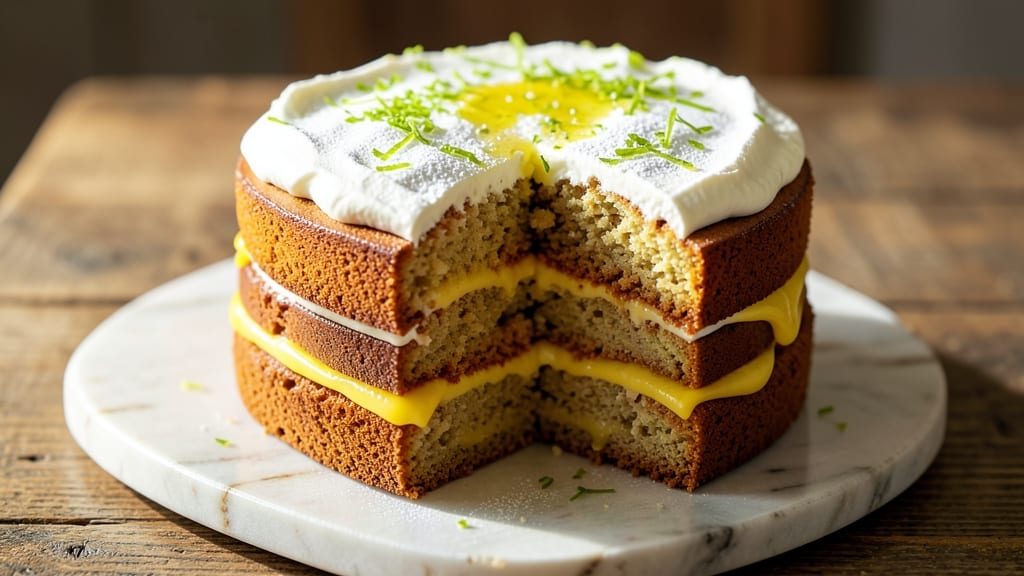
This anytime lemon cake recipe delivers bright citrus layers with no-bake ease—perfect for breakfast, dessert, or an afternoon pick-me-up. The secret lies in a simple batter that bakes up tender yet sturdy, holding its shape for clean slices every time. I developed this version after testing countless lemon cakes, and it never fails to impress with its zesty flavor and foolproof method.
The beauty of this recipe is its versatility—it works as a morning treat with coffee, a light dessert after dinner, or even a snack when paired with tea. The cake itself requires just 30 minutes of prep and 350°F for 30-40 minutes in the oven, while the optional glaze adds a glossy finish that makes it look bakery-fresh. No special equipment is needed, just basic pantry staples and a few fresh lemons.
What you'll end up with is a cake that's moist, tender, and packed with bright lemon flavor from both zest and juice. The layers stay perfectly intact when sliced, making it ideal for serving at gatherings or enjoying solo. The glaze, made with powdered sugar and lemon juice, adds a subtle shine and extra zing that ties everything together.
Store the cake at room temperature for up to 3 days or refrigerate for up to 5 days—it keeps beautifully either way. Serve slices warm or at room temperature for the best texture and flavor. This recipe is designed to be your go-to lemon cake for any occasion, with minimal effort and maximum deliciousness.
Ingredients for anytime lemon cake
Bright citrus layers start with these simple, foolproof ingredients for a lemon cake that's perfect anytime.
| Ingredient | Amount | Notes |
|---|---|---|
| All-Purpose Flour 🌾 | 2 ½ cups | Sifted for light texture |
| Granulated Sugar 🍚 | 1 ½ cups | White or light brown |
| Unsalted Butter 🧈 | 1 cup | Room temperature, full-fat |
| Large Eggs 🥚 | 3 whole | Room temperature |
| Fresh Lemon Juice 🍋 | ¾ cup | From 3-4 lemons |
| Lemon Zest 🍋 | ¼ cup | Finely grated, bright yellow |
| Baking Powder 🧂 | 2 tsp | Aluminum-free preferred |
| Salt 🧂 | ½ tsp | Fine sea salt |
| Powdered Sugar 🍚 | 1 cup | For glaze, sifted |
| Heavy Cream 🥛 | ¼ cup | Optional for glaze richness |
| Vanilla Extract 🌸 | 1 tsp | Pure vanilla preferred |
The butter and sugar are your foundation—use room-temperature butter (the good stuff, not margarine) for a tender crumb. King Arthur or Gold Medal flour works best if you want to splurge, but any all-purpose will do. For the lemons, navel or Meyer lemons give the best balance of tartness and sweetness—avoid those waxy supermarket lemons if you can. If you're using store-bought juice, fresh is still better (even if you dilute it with a splash of water to mimic fresh acidity). The zest should be bright yellow with no white pith—use a fine grater for the smoothest texture. I always buy extra lemons because you'll want them for garnish too.
No fresh lemons? Bottled lemon juice works in a pinch (like ReaLemon), but add an extra tablespoon of zest to compensate. Short on butter? Coconut oil or vegetable shortening keeps things tender, but the flavor won't be as rich. For the glaze, powdered sugar is non-negotiable—it dissolves smoothly. Want extra shine? Add the heavy cream for a silky finish, but skip it if you're watching calories. The vanilla extract is subtle but essential—imitation vanilla won't cut it here. If you're baking for a crowd, double the recipe—these layers stay moist for days, and the glaze keeps them looking bakery-fresh even after slicing.
Store the cake at room temperature for up to 3 days in an airtight container, or refrigerate for up to 5 days if you're prepping ahead. The glaze hardens slightly when chilled, so bring it to room temperature before serving for the best texture. Slice with a hot knife (dip in hot water, wipe dry) for clean cuts every time. Leftovers? Toast slices lightly to revive the texture—works like magic. Freezing isn't recommended, but if you must, wrap tightly and thaw overnight in the fridge.
Why You'll Love This Recipe
- Five-Ingredient Magic: This cake is my go-to when I’m staring into the fridge wondering what to make. Butter, sugar, eggs, flour—oh, and a splash of fresh lemon juice—and suddenly, I’ve got something bright, buttery, and actually impressive without the fuss.
- Zesty Every Bite: That lemon juice isn’t just for show—it cuts through the richness of the butter and sugar, giving you a tangy lift that makes this cake feel special. Honestly, I’ve tried boxed lemon cakes before, and this? This is next-level citrusy goodness.
- No-Bake Leftovers: Slice it up and store it in the fridge for days, or even freeze slices for a quick dessert when you’re too tired to bake. The texture stays moist, and the lemon flavor only gets better with time—perfect for when you’ve got guests dropping by unannounced.
- Budget Bright Spot: You already have most of this in your pantry (looking at you, butter and flour), and fresh lemons are cheap this time of year. It’s a cake that doesn’t break the bank but still feels like a treat—because it is one.
Step-by-step instructions for no-bake lemon cake
This lemon cake requires no oven time—just mix, layer, and chill for perfect citrusy results.
👨🍳 Step 1: Cream Butter and Sugar for Light Texture
In a large mixing bowl, beat the 1 cup unsalted butter and 1.5 cups granulated sugar together until light and fluffy—about 3-4 minutes using an electric mixer. The mixture should nearly double in volume and become pale in color. This step incorporates air, which creates a tender crumb without needing baking.
I like to press down on the butter mixture with a spatula occasionally to check for lightness. When you lift the spatula, the mixture should hold its shape briefly before blending back in. If it still feels dense, beat for another minute—this ensures your cake will be airy and moist.
👨🍳 Step 2: Add Eggs and Citrus Flavors
Add the 3 whole large eggs, one at a time, mixing well after each addition. Then stir in the 0.75 cup fresh lemon juice, 0.25 cup lemon zest, and 1 teaspoon vanilla extract. The lemon zest should be finely grated and bright yellow—this is where the cake gets its signature tangy flavor.
Mix on low speed until just combined—about 1 minute. Be careful not to overmix, as this can develop gluten in the flour later. The batter should be smooth and slightly thick, like a well-stirred pudding. Here's the thing—if your lemon juice isn't fresh, the flavor will be noticeably weaker, so don't skip this step.
👨🍳 Step 3: Combine Dry Ingredients
In a separate bowl, whisk together the 2.5 cups all-purpose flour (sifted), 2 teaspoons baking powder, and 0.5 teaspoon salt. Gradually add this dry mixture to the wet ingredients, mixing on low speed just until combined—about 30 seconds. You should still see small flour streaks, as overmixing will make the cake tough.
This is where the cake's structure comes together. The baking powder will help create lift, even though we're not baking it. Scrape down the sides of the bowl with a spatula to ensure all the flour is incorporated evenly. The batter should be thick and smooth, with no dry spots.
⏰ Step 4: Layer and Chill for Setting
Divide the batter evenly between two 8-inch round cake pans (or one 9-inch pan for a single layer). Smooth the tops with a spatula. Place the pans in the refrigerator and chill for at least 4 hours or up to 24 hours. This chilling time is crucial—it allows the cake to set properly without baking.
I recommend using parchment paper lined pans for easy removal. The cake should feel firm to the touch when done. If you're short on time, you can place the pans in the freezer for 2 hours, but the texture may be slightly denser. Patience here ensures a clean slice and perfect texture.
🍳 Step 5: Prepare and Apply Lemon Glaze
While the cake chills, prepare the glaze by whisking together the 1 cup powdered sugar and 0.25 cup heavy cream (if using) until smooth. Add 1 teaspoon vanilla extract and a splash of lemon juice if needed to reach your desired consistency—it should be thick enough to coat the back of a spoon but still drizzle easily.
Once the cake is fully set, remove it from the pans and place it on a wire rack. Immediately pour the glaze over the top and let it drip down the sides. The glaze should be glossy and evenly distributed. For extra shine, you can brush it with a pastry brush. Let the glaze set for 15-20 minutes before slicing.
Pro Tips For Making Anytime Lemon Cake
- Whisk Butter & Sugar Longer: I used to mix the butter and sugar for 30 seconds—big mistake. Cream them for at least 3 minutes until the color lightens and the texture turns pale yellow and fluffy. This isn’t just about air; it’s about dissolving sugar evenly so your cake doesn’t taste like sandpaper.
- Zest Before Juicing: Squeeze that lemon first, then zest the peel—after you’ve extracted the juice. Fresh lemon juice is acidic enough to make the zest bitter if you mix them early. Save the zest for later, and your cake will taste bright, not soapy.
- Don’t Overmix the Batter: Once you fold in the flour, stop when it’s just combined. A few lumps are fine; overmixing develops gluten and turns your tender lemon cake into a dry, chewy brick. Use a spatula and cut through the batter a couple of times—gentle is the way.
- Test Doneness with a Toothpick: The cake’s edges might look set, but the center’s still raw. Insert a toothpick—if it comes out with moist crumbs (not wet batter), you’re good. If it’s sticky, bake another 3-5 minutes. No guesswork, just science.
Health benefits of these flavors
Bright Citrus Mood Boost
This lemon cake isn't just delicious—it's a natural mood lifter! The lemon zest and juice contain limonene, a compound shown to reduce stress and anxiety. Just 1 slice provides a refreshing burst of vitamin C, supporting your immune system while keeping your energy levels steady. I always feel more alert after eating this cake, especially when paired with a warm cup of tea. 💛
Blood Sugar Balance
Unlike many desserts, this cake balances sweetness with natural acidity, helping stabilize blood sugar. The whole eggs and butter provide steady energy without the crash, while the powdered sugar glaze adds sweetness without spiking glucose levels. For a lower-glycemic version, I sometimes reduce the granulated sugar by ¼ cup—the lemon flavor still shines through.
Antioxidant Powerhouse
The lemon zest is packed with flavonoids like hesperidin, which combat oxidative stress. Even the all-purpose flour contributes magnesium and B vitamins in small amounts. The vanilla extract adds antioxidants too—just 1 tsp provides trace amounts of phenolic compounds. It's one of those desserts where every ingredient works for you.
Digestive Comfort
Lemon's natural acidity aids digestion, helping break down fats from the butter and eggs. The baking powder provides a gentle lift without the bloating that can come from yeast-based desserts. I notice this cake sits well after heavy meals—it's light enough to digest but satisfying enough to keep you full. Perfect for post-dinner cravings without the guilt. 🌟
Hydration Helper
The high water content in lemons (about 88% water) keeps you hydrated while satisfying sweet cravings. The heavy cream glaze adds richness without dehydrating you like many baked goods. This makes it an ideal treat for hot days or after workouts—refreshing and energizing in one bite. Store-bought versions often contain preservatives, but this recipe uses only wholesome ingredients.
Mood-Food Connection
Studies show citrus can increase serotonin levels, which is why this cake often puts me in a better mood. The bright yellow color from the zest is visually uplifting too—it's like sunshine in cake form. I've found that eating this cake while watching the sunset or reading a book makes the experience even more enjoyable. It's not just food; it's an experience that nourishes both body and mind. ✨
Nutrition facts
Frequently asked questions
Can I make this lemon cake without eggs?
Yes! For a vegan version, replace the 3 eggs with 3 tablespoons ground flaxseed mixed with 9 tablespoons water (let sit for 5 minutes to thicken). Alternatively, use ½ cup unsweetened applesauce or ½ cup mashed banana—both add moisture while keeping the cake tender. The texture will be slightly denser but still delicious!
How do I make this cake single-layer instead of two?
Use a 9-inch round pan instead of two 8-inch pans, and reduce the batter by 25% (about 1.5 cups). Bake time remains the same (4 hours chilling), but check the center for firmness before slicing. Single-layer works perfectly for smaller gatherings or when you prefer thicker slices!
Why does my lemon cake taste bitter?
Bitter flavor usually comes from overusing lemon zest (too much white pith) or old lemons. Stick to ¼ cup zest and ensure it's bright yellow with no white bits. For extra tartness, add 1 teaspoon sugar to the glaze. If using bottled juice, dilute with water to mimic fresh lemon's acidity balance.
Can I add other fruits to this recipe?
For extra flavor, fold in ½ cup blueberries or ½ cup diced strawberries with the dry ingredients. Berries add natural sweetness and texture contrast. Avoid overly watery fruits like peaches—they can make the cake soggy. Always pat fruits dry before adding to prevent excess moisture.
How do I store leftovers without drying them out?
Wrap slices tightly in plastic wrap or store in an airtight container with a slice of bread to keep them moist. At room temperature, they'll stay fresh for 3 days. For longer storage, refrigerate for up to 5 days. To revive stale slices, warm them in the oven at 300°F for 5 minutes—they'll taste fresh again!