
Desserts
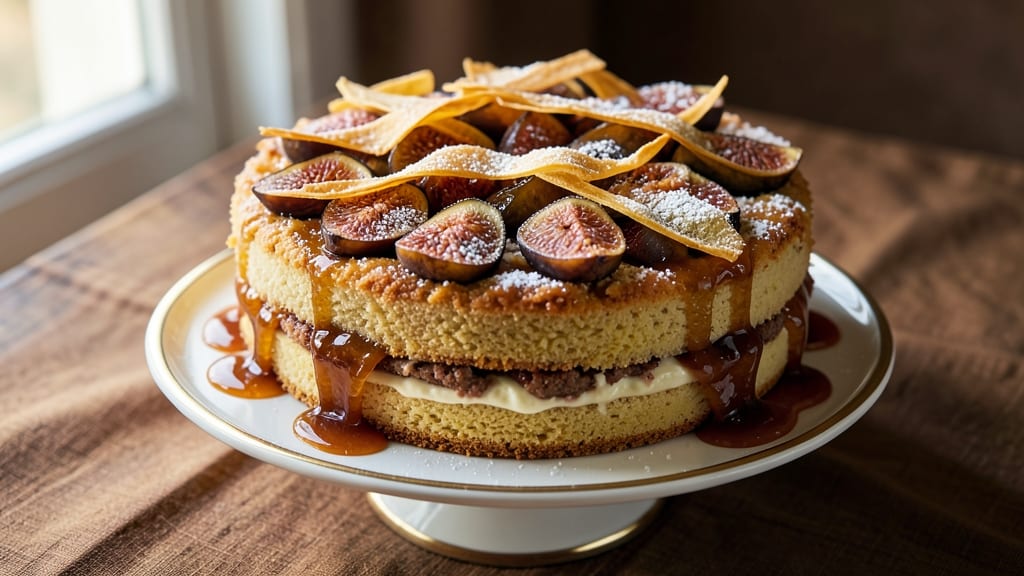
This anjeer cake recipe delivers the perfect balance of moist texture and warm cardamom fragrance, a beloved dessert from Indian and Pakistani kitchens. The secret lies in tender figs that infuse the batter with natural sweetness while keeping the crumb soft and dense. Unlike lighter cakes, this one stays wonderfully moist for days—ideal for celebrations or special occasions.
Traditionally, anjeer (figs) are soaked to soften before blending into the batter, creating a subtle sweetness that reduces the need for excess sugar. Cardamom and nutmeg add aromatic depth, while a touch of baking soda ensures a tender crumb. For modern adaptations, gluten-free flour or vegan butter can easily replace traditional ingredients without sacrificing flavor.
The result is a cake with a velvety texture, studded with plump fig pieces that melt gently with each bite. The warm cardamom notes linger, making it a comforting yet sophisticated dessert. Perfect for tea time or gifting, this recipe is designed to impress while remaining approachable for home bakers.
Whether you're following the classic method or experimenting with substitutions, the key is patience—soaking the figs properly and baking at the right temperature ensures a cake that's as visually appealing as it is delicious. Let's get started on creating this timeless treat.
Ingredients for anjeer cake
These twelve ingredients blend traditional Indian flavors with tender figs for a cake that stays moist for days.
| Ingredient | Amount | Notes |
|---|---|---|
| Fresh Anjeer (Figs) 🍇 | 1 ½ cups | Pitted and soaked in warm water for 30 mins |
| All-Purpose Flour 🌾 | 2 ½ cups | Sifted for light texture |
| Granulated Sugar 🍚 | 1 ½ cups | White or brown preferred |
| Unsalted Butter 🧈 | 1 cup | Softened to room temperature |
| Large Eggs 🥚 | 3 whole | Room temperature for even blending |
| Plain Yogurt 🍶 | ½ cup | Full-fat for moisture |
| Baking Soda 🧂 | 1 tsp | Freshly opened |
| Ground Cardamom 🌿 | 1 ½ tsp | Freshly ground for aroma |
| Ground Nutmeg 🌿 | ½ tsp | Freshly grated preferred |
| Vanilla Extract 🌸 | 1 tsp | Pure extract, not imitation |
| Salt 🧂 | ½ tsp | Fine sea salt |
| Milk 🥛 | ½ cup | Whole milk for richness |
| Almond Extract (optional) 🌰 | ½ tsp | For nutty depth |
The figs are the heart of this cake, so choose ripe, plump anjeer—they should be soft to the touch but not mushy. Soak them in warm water for 30 minutes before processing to break down their natural sweetness. For the best flavor, freshly ground cardamom and nutmeg make all the difference. I recommend buying whole pods and grinding them yourself—Whole Foods or Indian specialty stores carry high-quality varieties. The butter should be unsalted and room temperature for proper emulsification, and the flour must be sifted to avoid a dense crumb.
No fresh figs? Dried figs soaked in warm water for 2 hours work in a pinch, though they’ll be slightly less tender. Substituting the yogurt? Greek yogurt or sour cream at the same quantity maintains moisture. For a gluten-free version, replace the flour with a 1:1 gluten-free blend—just add an extra 0.5 tsp xanthan gum if your blend doesn’t contain it. The baking soda is critical for lift; baking powder can’t substitute here. If you’re avoiding dairy, vegan butter and coconut yogurt work well, though the texture may be slightly denser.
This cake keeps beautifully for 5-6 days at room temperature, wrapped in a cake cover to retain moisture. For longer storage, slice and freeze portions for up to 3 months—they thaw perfectly at room temperature. The figs soften further as the cake sits, so bake it just until a toothpick comes out clean. Serve at room temperature for the best texture, and pair with a cup of masala chai for an authentic experience. Leftovers reheat well in the microwave for 10 seconds to restore freshness.
Why You'll Love This Recipe
- No Chopping Needed: I’ll admit, I used to dread fig prep—sticky hands, pitting, the whole mess. Here, you just blend the fresh anjeer with sugar and butter until it’s smooth. No knives, no stress, just a quick pulse in the food processor.
- Sweet-Savory Magic: That caramelized fig butter? It’s what makes this cake dangerously good. The deep, jammy sweetness of the anjeer balances the buttery richness, and the eggs add just enough structure to keep it moist without being heavy.
- Weeknight or Celebration: Between us, this cake is my go-to for lazy Sundays and holiday gatherings. Serve it warm with a dusting of powdered sugar for a cozy breakfast, or slice it into squares for a no-fuss dessert that still feels special.
- Budget-Friendly Luxury: Fresh figs might sound fancy, but a few pounds stretch far—especially when you’re blending them into batter. The butter and eggs are pantry staples, and the flour? Well, you’re already using it for everything else. It’s like a gourmet treat without the grocery shock.
Step-by-step instructions for anjeer cake
Follow this method for a perfectly moist cake with figs that melt into the batter and warm cardamom notes throughout.
Prepare the Figs and Preheat the Oven
Start by pitting the 1.5 cups fresh anjeer (figs) and soaking them in warm water for 30 minutes. This softens the figs so they blend seamlessly into the batter without adding unwanted texture. Drain and chop them into small pieces—no need for precision here, just rough chunks that will distribute evenly.
Preheat your oven to 350°F and grease an 8-inch round cake pan or line it with parchment paper. I use a combination of butter and flour for greasing—this ensures the cake won't stick, even with its moist texture. The pan should be ready while you prepare the batter, so we can bake immediately without waiting.
Cream Butter and Sugar for Maximum Moisture
In a stand mixer fitted with the paddle attachment, beat the 1 cup softened unsalted butter and 1.5 cups granulated sugar on medium speed for 4-5 minutes. You're looking for a light, fluffy mixture that nearly doubles in volume and becomes pale in color. This step is critical—it incorporates air into the batter, which creates that tender, moist crumb we want in every bite.
If the butter isn't fully softened, you'll end up with a dense cake. Test it by pressing your finger into the butter—it should leave a slight indent but hold its shape. Scrape down the sides of the bowl occasionally to ensure even mixing. The butter should be just warm enough to blend smoothly with the sugar.
Blend Wet Ingredients for Even Distribution
Add the 3 whole large eggs, one at a time, mixing on low speed after each addition until fully incorporated. Then stir in the 0.5 cup plain yogurt, 1 tsp vanilla extract, 0.5 tsp almond extract (if using), and the drained, chopped figs. Mix on low speed for 1-2 minutes until the figs are evenly distributed throughout the wet mixture.
Here's where the figs become part of the cake's soul—their natural sweetness and texture will infuse the batter as it bakes. Avoid overmixing at this stage, as it can develop gluten in the flour we'll add later. The batter should look slightly thick but still pourable. If it seems too stiff, add 1-2 tablespoons of milk to loosen it slightly.
Combine Dry Ingredients for Light Texture
In a separate bowl, sift together the 2.5 cups all-purpose flour, 1 tsp baking soda, 1.5 tsp ground cardamom, 0.5 tsp ground nutmeg, and 0.5 tsp salt. Sifting ensures a light, airy texture and prevents lumps in the final cake. The cardamom and nutmeg will add warmth and depth—don't skip this step, as these spices are essential to the cake's character.
With the mixer on low speed, gradually add the dry ingredients to the wet mixture, alternating with the 0.5 cup milk. Start and end with the dry ingredients to ensure everything is fully incorporated. Mix just until combined—you should still see streaks of flour. Overmixing will make the cake tough, so stop as soon as the batter comes together smoothly.
Bake to Golden Perfection
Pour the batter into the prepared cake pan and smooth the top with a spatula. Tap the pan gently on the counter to remove any air bubbles. Bake in the preheated oven for 45-50 minutes, or until a toothpick inserted into the center comes out clean. The edges should be golden brown, but the top might still look slightly underbaked—this is normal for a moist cake.
I like to tent the cake with aluminum foil after 30 minutes if the top is browning too quickly. This helps the cake bake evenly without drying out. Once the cake is done, transfer it to a wire rack and let it cool in the pan for 15 minutes before removing it completely. This gradual cooling prevents cracking and ensures the figs stay tender and juicy.
Serve Warm for Maximum Moisture
Slice the cake while it's still warm for the best texture—this is when it's at its most moist and flavorful. The figs should be soft and integrated into the cake, not dry or chewy. Serve it with a dusting of powdered sugar or a dollop of whipped cream to complement the warm spices and natural sweetness of the figs.
This cake keeps well at room temperature for 2-3 days, but I find it's best enjoyed fresh. If you prefer, you can store it in the refrigerator and reheat slices in the oven at 300°F for 5-10 minutes to restore its warmth and moisture. The cardamom and nutmeg flavors will deepen as the cake sits, making each slice even more aromatic.
Pro Tips For Making Anjeer Cake
- Prep Figs Like a Pro: Pit and chop fresh anjeer before blending—no one likes chewy surprises in cake. Use a small knife to slice them open lengthwise, scoop out the flesh with a spoon, then pulse in a food processor until smooth. (Yes, even if they’re sticky—just wipe your hands and keep going.)
- Cream Butter Slowly: Beat unsalted butter and sugar at medium speed for 3-4 minutes until pale and fluffy. Rushing this step traps air poorly, and your cake will turn out dense. I learned this the hard way—my first batch tasted like a brick.
- Skip Overmixing Batter: Fold in flour and anjeer purée just until combined—lumpy is fine. Overmixing develops gluten, and your cake will toughen up. Think "gentle swirls, not a blender," and resist the urge to stir like you’re making pancakes.
- Test Doneness with a Toothpick: Insert a toothpick into the center—it should come out with moist crumbs, not wet batter or dry flour. If unsure, check at 5 minutes before the recipe’s suggested time. Anjeer cakes often need less baking than they seem.
Pro cooking tips for great anjeer cake
Fig Soaking Mastery
Never skip soaking your anjeer (figs)—this is the secret to their silky texture in the cake. Soak them in warm water for exactly 30 minutes (no longer, or they'll turn mushy). I like to use a fine-mesh strainer to drain them thoroughly before chopping. For extra flavor, add 1 tsp rose water to the soaking water—it pairs beautifully with cardamom. 🌸
Butter Temperature Check
The butter's temperature makes or breaks your cake's texture. It should be soft but not greasy—press your finger into it; if it holds a slight indent, it's perfect. If it's too cold, your cake will be dense. If it's too warm, the batter may separate. I keep my butter in the fridge until just before mixing, then let it sit at room temperature for 1-2 hours while I prep other ingredients.
Cardamom Infusion
Freshly ground cardamom transforms this cake from good to extraordinary. Buy whole cardamom pods from an Indian grocery store (like Patel Brothers) and grind them yourself—pre-ground spices lose potency quickly. Toast the pods lightly in a dry pan for 30 seconds before grinding to enhance their aroma. Start with 1.5 tsp and adjust to taste; some people find cardamom overpowering at first.
Baking Soda Secret
This isn't a vanilla cake—it needs baking soda, not baking powder, for proper rise. The reaction between baking soda and the yogurt creates lift while keeping the crumb tender. For best results, use fresh baking soda (old baking soda loses effectiveness). If your cake starts browning too quickly, tent it with foil after 30 minutes to prevent over-browning while maintaining moisture.
Fig Distribution Tip
When folding the chopped figs into the batter, work gently to avoid breaking them into a pulp. Use a spatula to fold them in by hand if you're concerned about overmixing. Distribute them evenly throughout the batter—this ensures every slice has that perfect fig surprise. For a marbled effect, reserve 2 tbsp chopped figs and sprinkle them on top before baking. 🍇
Cool Gradually
Let the cake cool in the pan for 15 minutes before transferring to a wire rack. This gradual cooling prevents cracking and helps the figs retain their moisture. I find that cakes cooled too quickly often develop a dry top layer. If you're in a hurry, place the pan on a cooling rack set over a bowl of hot water—this creates a steam bath that keeps the cake moist while it cools.
Nutrition facts
Frequently asked questions
Can I use dried figs instead of fresh anjeer?
Yes, but they need extra soaking time! Soak dried figs in warm water for 2 hours to rehydrate fully before chopping. They'll be slightly less tender than fresh figs but still work well. For best results, use dried mission figs—they're plump and hold up better in baking.
How do I know when the cake is fully baked?
Insert a toothpick into the center—it should come out clean with just a few moist crumbs. The edges should be golden brown, but the top may still look slightly underbaked. For this moist cake, 45-50 minutes at 350°F is ideal. If unsure, check at 40 minutes to avoid overbaking.
Can I make this cake gluten-free?
Replace the all-purpose flour with a 1:1 gluten-free baking blend (like Bob's Red Mill) and add 0.5 tsp xanthan gum if your blend doesn't contain it. The texture will be slightly denser but still moist. For extra flavor, use almond flour (replace 50% of the gluten-free blend) and reduce milk by 2 tbsp.
Why does my anjeer cake taste bland?
Check your spices! Freshly ground cardamom and nutmeg are key—pre-ground spices lose potency. Also, ensure you're using unsalted butter (salted butter can make the cake taste flat). For extra depth, add 0.5 tsp rose water to the batter or a pinch of saffron threads steeped in warm milk.
How can I store leftovers?
Wrap the cake tightly in plastic wrap or store in an airtight container at room temperature for 3-4 days. For longer storage, slice and freeze portions for up to 3 months. To reheat, microwave for 10-15 seconds or warm in a 300°F oven for 5-10 minutes to restore moisture.