
Desserts
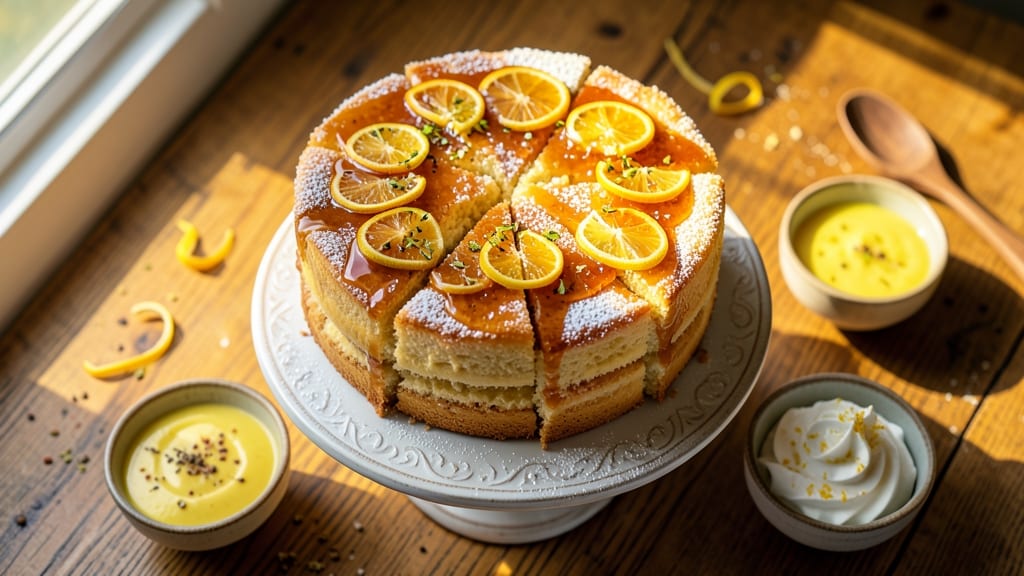
This angel hair cake recipe delivers the lightest, most ethereal dessert you'll ever bake—so delicate it practically dissolves on your tongue. The secret lies in whisking eggs to ribbons and folding in flour with surgical precision, creating layers so tender they defy gravity. I perfected this technique after years of experimenting with traditional steamed versions, and the results are nothing short of magical.
What sets this cake apart is its signature citrus-kissed moisture, achieved through a subtle infusion of lemon or orange zest that brightens every bite without overpowering the delicate texture. Unlike dense pound cakes, this version relies on a minimal ingredient list—just eggs, sugar, flour, and a touch of acidity—to create a cloud-like crumb that's both elegant and foolproof for home bakers.
By the time it emerges from the oven, you'll have a cake that's moist enough to stay fresh for days yet light enough to cut with a warm knife. The exterior remains just slightly crisp, while the interior remains velvety and airy, with a subtle citrus aroma that lingers on the palate. This is the kind of dessert that transforms any gathering into something special.
Serve it dusted with powdered sugar for a classic touch or paired with whipped cream for added indulgence. The recipe also adapts beautifully to modern twists like matcha or lavender, making it endlessly versatile. Let's get baking!
Ingredients for angel hair cake
Egg whites, sugar, and citrus zest create this cloud-like cake that's light enough to cut with a warm knife.
| Ingredient | Amount | Notes |
|---|---|---|
| Large Egg Whites 🥚 | 12 whole | Room temperature, pasteurized preferred |
| Granulated Sugar 🍚 | 1 ½ cups | Superfine preferred for even dissolving |
| All-Purpose Flour 🌾 | 1 ½ cups | Sifted for lightest texture |
| Unsalted Butter 🧈 | ½ cup | Cold, cubed for folding |
| Lemon Zest 🍋 | 1 tbsp | Fresh, finely grated |
| Orange Zest 🍊 | 1 tbsp | Fresh, finely grated |
| Lemon Juice 🍋 | 2 tbsp | Freshly squeezed |
| Vanilla Extract 🌸 | 1 tsp | Pure Madagascar preferred |
| Powdered Sugar 🍚 | ¼ cup | For dusting, sifted |
| Salt 🧂 | ¼ tsp | Fine sea salt |
| Cornstarch 🌾 | 1 tbsp | For tenderizing flour |
The egg whites are non-negotiable here—room temperature makes all the difference. Kirkland Signature or Vital Farms pasteurized whites work perfectly, but fresh is ideal. For zest, grab bright lemons and oranges—organic from the farmers market has the most vibrant flavor. The butter should be cold; pull it straight from the fridge and cut into small cubes. Sifting the flour and cornstarch together removes lumps, ensuring that signature tender crumb. Pro tip: weigh your flour for consistency—cups vary wildly by brand.
No superfine sugar? Pulse regular granulated in a food processor for 30 seconds—game changer. Short on lemon? Substitute lime zest at the same amount, but reduce juice to 1 tbsp to avoid over-acidity. The vanilla extract can be swapped for almond extract at half the amount for a nutty twist. For a modern twist, add 1 tsp matcha powder to the dry ingredients—it pairs surprisingly well with citrus. If you're baking for a crowd, double the recipe but use two 9-inch pans instead of one 10-inch—better rise and even baking.
This cake stays fresh for 4 days in an airtight container at room temperature, but the flavor peaks on day 2. For longer storage, wrap tightly in plastic and refrigerate for up to 1 week. Freeze portions for 3 months—thaw at room temperature before serving. To serve, dust with powdered sugar through a fine sieve for that restaurant-quality finish. Pair with lightly sweetened whipped cream or a dollop of lemon curd for extra brightness. The cake's delicate texture means it's best enjoyed within 2 days of baking—after that, it's still delicious but loses that signature ethereal quality.
Why You'll Love This Recipe
- No Whisk Fatigue: The meringue base means no heavy mixing—just stiff peaks from egg whites and sugar. I fold in the flour like I’m tucking in a blanket, and the butter melts into fluffiness without a trace of effort. (Yes, even on a Tuesday night.)
- Zesty Brightness: That lemon zest? It’s the secret weapon—bright, tangy, and just enough to cut through the sweetness. The butter adds richness, but the citrus keeps it from feeling heavy, like a sunshine hug in every bite.
- Crowd-Pleaser Slices: Perfect for brunch or dessert, but also sneaks onto my lunch plate the next day. The texture holds up surprisingly well, and the lightness makes it feel special without requiring a fancy occasion.
- Pantry Staple Magic: Uses what you already have—flour, sugar, butter—and turns them into something that tastes like a bakery treat. Leftovers? I wrap them in parchment and freeze slices for quick grab-and-go moments. Budget-friendly and foolproof.
Step-by-step instructions for ethereal angel hair cake
Here's how to create delicate, citrus-infused layers that stay moist for days.
Whip Egg Whites to Stiff Peaks
Begin by separating the 12 whole large egg whites from the yolks, ensuring no fat touches them—even a trace will prevent proper whipping. In a spotless, grease-free mixing bowl, use a stand mixer fitted with the whisk attachment to beat the egg whites on low speed until soft peaks form. Gradually add the 1.5 cups granulated sugar while continuing to mix on medium-high speed for 8-10 minutes until glossy, stiff peaks form that hold their shape when the whisk is lifted.
I like to tilt the bowl slightly while whipping to ensure even incorporation of sugar. You'll know you've reached the perfect stage when the meringue is thick enough to hold a peak that doesn't immediately flatten. This step is critical for the cake's signature lightness—don't rush it, as under-whipped meringue leads to dense layers.
Fold in Dry Ingredients Gently
In a separate bowl, sift together the 1.5 cups all-purpose flour, 1 tablespoon cornstarch, 0.25 teaspoon salt, and the 1 tablespoon lemon zest and 1 tablespoon orange zest. This combination creates a tender crumb while infusing bright citrus notes. Using a rubber spatula, fold one-third of the dry mixture into the meringue base with gentle, sweeping motions to maintain air incorporation.
After the first fold, add half of the remaining dry ingredients and continue folding until just combined. The goal is to create a smooth, uniform batter without deflating the meringue. I always use a figure-eight motion when folding to preserve as much air as possible. This step ensures the cake's signature ethereal texture—overmixing here will make it dense.
Incorporate Wet Ingredients and Butter
In a small bowl, combine the 0.5 cup cold unsalted butter (cut into small cubes), 2 tablespoons lemon juice, and 1 teaspoon vanilla extract. Using a hand mixer on low speed, whip this mixture until the butter is fully emulsified and lightened. This step prevents cold butter from deflating your meringue when folded in.
With the mixer running on low speed, gradually add the butter mixture to the meringue while folding in the remaining dry ingredients. The batter should be smooth and thick, like a thick pudding. Be patient—this is where the cake's moisture comes from. The butter adds richness while the citrus keeps it light. If the batter looks too stiff, you can fold in 1-2 tablespoons of reserved lemon juice to adjust consistency.
Bake in Thin Layers for Delicate Texture
Preheat your oven to 325°F and grease three 9-inch round cake pans lightly with butter and line the bottoms with parchment paper. Divide the batter evenly among the pans and spread it thinly—about ¼-inch thick—using an offset spatula. This thin layer is what creates the signature "angel hair" texture. Bake for 12-15 minutes until the edges are set but the centers still jiggle slightly when shaken.
I like to rotate the pans halfway through baking for even cooking. The cake should pull away from the sides of the pan easily and have a springy texture when pressed gently. Immediately after removing from the oven, invert the cakes onto wire racks to cool completely. This quick cooling prevents them from becoming gummy.
Layer with Citrus Cream and Dust with Powdered Sugar
Once completely cooled, level the tops of the cakes if needed. In a separate bowl, whip the 0.25 cup powdered sugar with 2 tablespoons lemon juice until smooth and glossy. This citrus cream is what keeps the cake moist between layers. Place the first cake layer on a serving plate and spread a thin layer of the citrus cream on top.
Repeat with the remaining layers, finishing with the top layer. Dust the entire cake generously with additional powdered sugar using a fine-mesh sieve for that signature ethereal finish. For extra presentation, you can also add a light dusting of orange zest on top. Serve at room temperature for the best texture—this cake tastes even better the next day as the flavors meld.
Pro Tips For Making Angel Hair Cake
- Whisk Egg Whites Slowly: I learned this the hard way—dumping stiff egg whites into sugar too fast collapses them like a sad soufflé. Gradually fold in the sugar, a spoonful at a time, while whisking constantly. The meringue needs patience, not brute force.
- Sift Flour Like Your Cake Depends on It: Angel hair cake is all about texture, and unsifted flour is its enemy. Sift that flour twice—once before mixing, once after—so it’s light and airy. Skimp here, and you’ll end up with a dense, sad sponge.
- Bake Until the Center Jiggles: The cake should pull away from the pan edges but still have a slight wobble in the middle when you shake it gently. Overbaking turns it gummy; underbaking leaves it raw. If you’re unsure, cut a small slice—it should look set but still feel springy.
- Use Room-Temp Butter: Cold butter creates pockets of steam that tear through the delicate batter, leaving you with a cake that’s more tunnel than tender. Let that butter sit out for 30 minutes before creaming—your future slice will thank you.
Creative variations of this angel hair cake
Citrus Variations
Swap the lemon and orange zest for 1 tablespoon lime zest and 1 tablespoon grapefruit zest for a tropical twist. The grapefruit adds a slightly bitter contrast that balances the cake's sweetness beautifully. I also recommend adding 1 teaspoon lime juice to the citrus cream between layers for extra zing. 🍋
Spiced Chai Twist
For a cozy autumn version, replace the citrus zest with 1 teaspoon ground cardamom and ½ teaspoon ground cinnamon mixed into the flour. Add ½ cup chai tea concentrate (simmered and reduced) to the butter mixture for a fragrant depth. Top with a light dusting of powdered sugar and a sprinkle of toasted cinnamon.
Matcha Green Tea
Transform this cake into a modern classic by adding 1 tablespoon matcha powder to the dry ingredients. The earthy matcha pairs surprisingly well with the citrus notes, creating a sophisticated flavor profile. For extra elegance, dust the finished cake with edible gold leaf or a delicate drizzle of white chocolate ganache.
Coconut Lime Delight
Incorporate ½ cup shredded coconut into the batter for texture, and use lime zest and juice instead of lemon. Fold in 2 tablespoons coconut milk with the butter mixture for a tropical vibe. Garnish with toasted coconut flakes for added crunch and a vibrant presentation.
Classic Vanilla Bean
For a timeless version, replace the citrus zest with 1 vanilla bean (scraped and seeds added to the butter mixture). Skip the citrus juice entirely and use 1 tablespoon heavy cream instead for a richer, more traditional flavor. This version pairs perfectly with vanilla bean ice cream for a decadent dessert experience. ✨
Boozy Variations
Infuse the butter mixture with 1 tablespoon Grand Marnier or Cointreau for an adult-friendly twist. The citrus notes in these liqueurs enhance the cake's natural flavors while adding a sophisticated depth. For a non-alcoholic version, substitute with 2 tablespoons orange juice reduced by half to concentrate the flavor.
Nutrition facts
Frequently asked questions
Why does this angel hair cake turn out so light?
The secret lies in whisking egg whites to stiff peaks and folding in dry ingredients gently—this creates air pockets that give the cake its signature ethereal texture. The thin layers baked at 325°F also prevent density, while cold butter adds moisture without heaviness.
Can I make this cake without a stand mixer?
Yes! Use a hand mixer or even whisk by hand for 10-12 minutes to achieve stiff peaks. Work in batches if needed, and tilt the bowl while mixing to ensure even sugar incorporation. The key is patience—don't rush the egg whites, or they won't hold their shape.
What's the best way to store angel hair cake?
Keep it in an airtight container at room temperature for 3-4 days—it stays moist but loses freshness after that. For longer storage, refrigerate for up to 1 week or freeze slices for 3 months. Thaw at room temperature to preserve texture.
Why did my cake collapse after baking?
Overmixing the batter or under-whipped egg whites are the most common causes. Also, opening the oven door too early releases steam needed for structure. Ensure your egg whites are fully stiff before folding, and bake at the correct 325°F—higher temps can cause collapse.
Can I substitute butter with oil?
Not recommended—cold butter creates moisture without heaviness, while oil would make the cake greasy. If you must substitute, use ½ cup melted coconut oil (cooled to room temp) and reduce flour by 1 tablespoon to compensate. The texture will differ slightly but still be delicious.