
Desserts
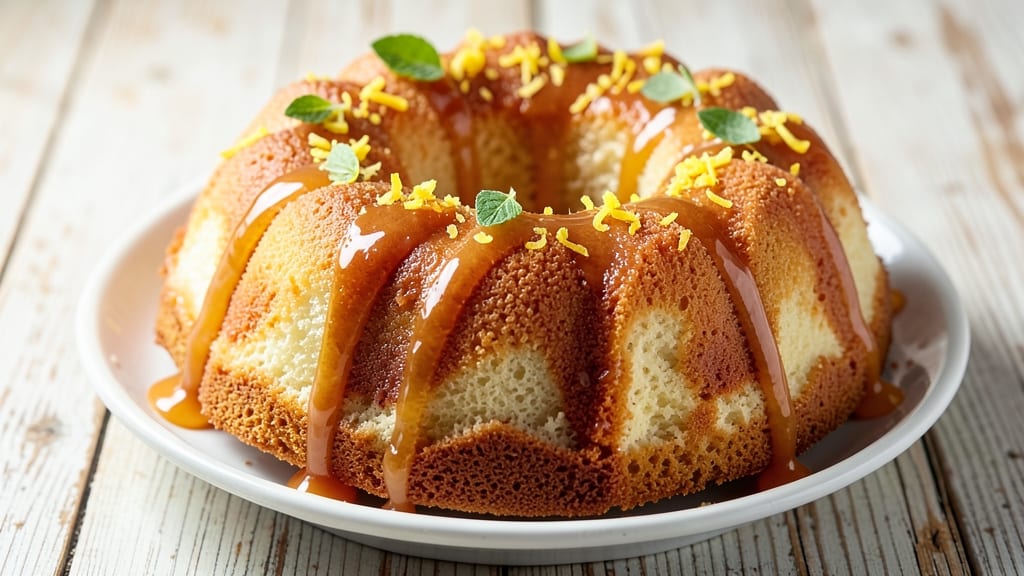
This angel food bundt cake recipe delivers the perfect balance of light, airy texture and bright citrus flavor—no heavy ingredients or complicated steps required. The secret lies in properly folded egg whites and a touch of lemon zest, creating a dessert that’s as impressive as it is effortless. I’ve perfected this version to rise beautifully in a bundt pan, with just the right crispness at the edges and tender crumb throughout.
The beauty of angel food cake is its simplicity—just eggs, sugar, and flour, with citrus adding that refreshing zing. Unlike traditional cakes, this one bakes without butter or oil, making it naturally lighter and lower in fat. The key technique? Folding the egg whites just until combined to maintain that signature fluffiness. Baking at 350°F ensures even cooking, while the bundt pan creates stunning ridges without extra effort.
Once baked, the cake cools quickly, ready to be topped with fresh berries, whipped cream, or a dusting of powdered sugar. The citrus notes brighten every bite, making it ideal for brunch, afternoon tea, or a special dessert. With no mixing bowls to wash and minimal prep time, this recipe proves that elegant desserts don’t require hours in the kitchen.
For extra flair, serve slices with a dollop of lemon curd or a sprinkle of toasted coconut. The possibilities are endless, but the foundation—light, fluffy, and foolproof—remains the same. Let’s get baking!
Ingredients for angel food bundt cake
Simple ingredients for a cake that's light as air and bursting with citrus brightness.
| Ingredient | Amount | Notes |
|---|---|---|
| Large Egg Whites 🥚 | 12 whole | Room temperature, separated carefully |
| Granulated Sugar 🍚 | 1 ½ cups | Superfine preferred for smooth texture |
| All-Purpose Flour 🌾 | 1 ½ cups | Sifted, no substitutions |
| Fresh Lemon Zest 🍋 | 1 tbsp | From organic lemons, no pith |
| Fresh Lemon Juice 🍋 | 2 tbsp | Freshly squeezed, strained |
| Salt 🧂 | ½ tsp | Fine sea salt preferred |
| Vanilla Extract 🌿 | 1 tsp | Pure vanilla, not imitation |
| Unsalted Butter 🧈 | ¼ cup | Cold, cubed for greasing pan |
| Powdered Sugar 🍚 | ¼ cup | For dusting finished cake |
| Blueberry Preserves 🫐 | ½ cup | Optional, for filling (optional) |
| Fresh Blueberries 🫐 | ½ cup | Optional, for topping (optional) |
The egg whites are non-negotiable here—room temperature is key for proper volume. Store-bought cartons work fine, but if you're using fresh eggs, separate them carefully to avoid any yolk contamination. For the sugar, superfine dissolves faster, but regular granulated works if you pulse it in a food processor first. The flour? King Arthur or Bob's Red Mill brands are my go-to for consistent results. And that lemon zest? Organic lemons have more vibrant flavor—skip the pith, it's bitter. If you can't find organic, regular lemons still work, just zest more aggressively.
No superfine sugar? Pulse regular sugar in a blender for 30 seconds—it'll work in a pinch. Short on lemon juice? Lime juice at half the amount adds a different twist, though traditionalists will argue about the purity. The vanilla extract should be pure—imitation will ruin the delicate flavor profile. For the optional filling, Mott's or Bonne Maman preserves are reliable, but homemade works too. If you're skipping the filling, dust the cake with powdered sugar instead—Confectioners' sugar is best, but regular sugar sifted works if you're in a bind.
This cake bakes best at 350°F—don't overmix the batter, just fold until combined. Once baked, it cools quickly, so invert it immediately. The butter for greasing should be cold and cubed—no melted butter here. Store leftovers in an airtight container for 2-3 days, though it's best enjoyed fresh. Freeze slices wrapped tightly for up to 1 month. The citrus flavors intensify slightly overnight, so if you can, bake it the day before serving—trust me on this.
Why You'll Love This Recipe
- No Mixer Needed: I swear by this trick—just whip those egg whites with a hand mixer until they’re glossy and hold peaks. No stand mixer? A sturdy whisk and your arm muscles will do the job. The flour folds in like butter, and honestly, the process is almost meditative once you get the rhythm.
- Lemon Brightness: That burst of fresh lemon zest and juice cuts through the sweetness in the best way. It’s not overpowering—just enough to make every bite taste like a sunny afternoon. The citrus keeps it light, so it’s never cloying, even when stacked with whipped cream.
- Weekday Magic: Slice it for breakfast toast, crumble it over yogurt, or serve it as-is with a drizzle of honey. The leftovers stay fresh for days, and I’ve even packed slices in lunchboxes. It’s my go-to when I need something special but don’t want to spend all day baking.
- Budget Baking: Egg whites and sugar are cheap staples, and you only need a handful of other ingredients. No butter or oil means no greasy mess, and the cake itself is so light it feels luxurious. Plus, the Bundt pan makes it feel fancy without the fancy price tag.
Step-by-step instructions for angel food bundt cake
Here's how to create a perfectly light, citrus-infused Bundt cake with fluffy texture every time.
Prepare the Bundt Pan and Separate Egg Whites
Generously butter the entire interior of a 10-12 cup Bundt pan using the ¼ cup unsalted butter, making sure to coat every crevice thoroughly. Sprinkle evenly with ½ teaspoon salt and tap out any excess. This salting step prevents weeping and enhances the citrus flavors later.
In a large, spotless mixing bowl, separate the 12 large egg whites carefully, ensuring no yolks remain. Any trace of fat will prevent proper whipping. Place the bowl in your freezer for 5 minutes—this chills the egg whites slightly, helping them whip to stiffer peaks more easily.
Whip Egg Whites and Gradually Add Sugar
Using a stand mixer fitted with the whisk attachment, beat the chilled egg whites on low speed until soft peaks form. This usually takes about 1-2 minutes. Gradually add 1 cup of the granulated sugar while mixing on medium-high speed until the mixture becomes thick and glossy.
Continue whipping until the meringue reaches stiff peaks—when you lift the whisk, the peaks should stand straight up and hold their shape. This process takes about 5-7 minutes total. The meringue should be thick enough to hold its shape when the bowl is inverted. Avoid overmixing, which can cause the cake to deflate.
Fold in Dry Ingredients and Citrus Flavors
In a separate bowl, sift together the 1½ cups all-purpose flour with the remaining ½ cup granulated sugar. Gently fold one-third of the flour mixture into the meringue using a spatula, cutting through the center to deflate slightly. Add the 1 tablespoon lemon zest and 2 tablespoons lemon juice at this stage to distribute the citrus flavors evenly.
Fold in the remaining flour mixture in two additions, being careful not to overmix. The batter should be thick and smooth, with no visible streaks of flour. Add the 1 teaspoon vanilla extract and mix gently just until combined. The final batter should hold its shape when spooned, but still be pourable.
Bake to Perfect Lightness
Preheat your oven to 350°F with the rack positioned in the lower third of the oven. Quickly pour the batter into the prepared Bundt pan, tapping gently on the counter to release any air bubbles. Bake for 50-55 minutes, until the top springs back when pressed lightly and a toothpick inserted comes out clean.
Here's the key: open the oven door slightly after 45 minutes to let any steam escape. This prevents a soggy cake and helps the top set properly. The cake is done when the edges pull away from the pan and the internal temperature reaches 205°F on an instant-read thermometer.
Cool and Assemble with Optional Fillings
Immediately invert the cake onto a wire rack to cool completely. This step is crucial—cooling upside down prevents the cake from collapsing. Once fully cooled, you can optionally create a filling by warming the ½ cup blueberry preserves in a small saucepan until smooth, then brushing it over the cake's center.
For the topping, dust the cake generously with ¼ cup powdered sugar using a fine-mesh sieve. Add the ½ cup fresh blueberries around the base if desired, arranging them neatly. Serve slices immediately to maintain that signature angel food cake lightness and airy texture.
Pro Tips For Making Angel Food Bundt Cake
- WHIP WHITES TO STIFF PEAKS: I learned this the hard way—under-whipped egg whites fold into a dense, sad cake. Use a stand mixer and whip until the meringue forms stiff peaks that hold their shape when you lift the beaters. If you’re hand-whipping (I know, I know), your arms will ache, but keep going until the peaks don’t flop.
- SIFT FLOUR LIKE YOUR CAKE DEPENDS ON IT: Angel food cake is all about lightness, and unsifted flour is its enemy. Sift the flour with the lemon zest and salt first, then fold it into the meringue gently—just until combined. Overmixing deflates the air bubbles you worked so hard to create, and that’s a cake with a heavy heart.
- BAKE UNTIL COOLER THAN YOU THINK: The cake’s done when the center springs back when pressed and the top is golden, but resist the urge to pull it early. I used to cut into it too soon, only to find a gummy middle. Let it cool in the pan for 10 minutes, then invert immediately—no waiting. The longer you linger, the more the structure collapses.
- LEMON ZEST FIRST, JUICE LATER: Grated lemon zest packs more flavor punch than juice, so add it to the flour before folding. Save the juice for the final mix—it’s heavier and can weigh down the meringue if added too early. A splash of juice brightens the flavor without sabotaging the airy texture. (And yes, fresh zest matters—dried just won’t cut it.)
Troubleshooting your angel food bundt cake
Cake Stuck in Pan
If your cake refuses to release from the bundt pan, it’s likely due to insufficient butter or overbaking. First, ensure you used ¼ cup cold butter and coated every crevice thoroughly. For stubborn cakes, run a thin knife around the edges while the cake is still warm, then tap the pan gently on the counter. If all else fails, place a cooling rack over the pan and invert carefully—sometimes the cake releases better when fully cooled. 🔥
Dense or Flat Texture
A dense or flat cake usually means the egg whites weren’t whipped enough or were overmixed. Start by ensuring your egg whites are room temperature and chilled for 5 minutes before whipping. Use a stand mixer and whip until stiff peaks form—this takes about 5-7 minutes. When folding in the flour, do so gently in three additions to avoid deflating the meringue. If the cake still turns out dense, try whipping the egg whites to even higher peaks next time. ✨
Weeping or Soggy Cake
Weeping occurs when moisture escapes during cooling, often from improper salting or overbaking. The trick is to sprinkle ½ tsp salt in the buttered pan before adding the batter—this helps absorb excess moisture. Also, avoid opening the oven door during the first 45 minutes of baking, as steam release can cause sogginess. If your cake weeps, try baking it for a shorter time (around 50 minutes) and cooling it upside down immediately. 💡
Uneven Baking
For an unevenly baked cake, check your oven’s temperature accuracy with an oven thermometer—many ovens run hot or cold. Place the bundt pan on the lower third rack for even heat distribution. If the top browns too quickly, tent the cake with aluminum foil after 30 minutes. Rotate the pan halfway through baking if your oven has hot spots. A properly baked cake should have a golden-brown top and edges that pull away from the pan. 🌡️
Collapsed Cake
A collapsed cake is usually the result of overmixing the batter or opening the oven door too early. To prevent this, fold the flour into the meringue just until combined—no more than 15 gentle strokes. Avoid opening the oven door during the first 45 minutes of baking, as the sudden temperature drop can cause the cake to sink. If your cake collapses, try baking it at 325°F instead of 350°F next time for a slower rise. 💪
Bitter or Off Taste
If your cake tastes bitter, it’s likely from over-zesting the lemons or using old ingredients. Stick to 1 tbsp lemon zest and ensure it’s fresh—no pith! Also, check your vanilla extract; imitation can add a harsh aftertaste. For a brighter flavor, use organic lemons and store-bought egg whites (they’re pasteurized and fresher). If the taste is still off, try reducing the zest to ½ tbsp next time. 🍋
Nutrition facts
Frequently asked questions
Why does this recipe use only egg whites?
Angel food cake relies solely on egg whites for its signature light, airy texture. The proteins in egg whites create stable foam when whipped, trapping air that expands during baking. This creates a cake with no butter or oil, making it naturally lower in fat while staying incredibly fluffy. The citrus and sugar enhance the natural sweetness without adding heaviness.
Can I make this cake without a bundt pan?
Yes! Transfer the batter to a 9-inch round or tube pan (greased and floured) for a traditional angel food cake shape. For a different look, try a loaf pan or even individual ramekins. Just reduce baking time by 10-15 minutes—check doneness with a toothpick. The texture will still be light, but the presentation changes.
How do I store leftovers?
Keep slices in an airtight container at room temperature for 2 days maximum. For longer storage, wrap individual slices tightly in plastic wrap and freeze for up to 1 month. Thaw overnight in the fridge—never at room temperature. The cake's texture holds best when fresh, but reheating slices at 300°F for 5 minutes restores moisture.
What if I don't have superfine sugar?
Pulse regular granulated sugar in a food processor for 30 seconds to break it down into superfine particles. This mimics the texture and dissolves faster during whipping. If you're in a hurry, use 1 cup granulated sugar and add ½ cup powdered sugar to the dry ingredients—it'll still work but may be slightly grainier.
Can I add other flavors besides citrus?
Swap the lemon for 1 tbsp orange zest + 2 tbsp orange juice for a tropical twist. For a neutral base, omit the citrus entirely and add 1 tsp almond extract or ½ tsp coconut extract. Just remember: angel food cake's lightness comes from the egg whites, so heavy flavors should be used sparingly to avoid overpowering the delicate texture.