
Desserts
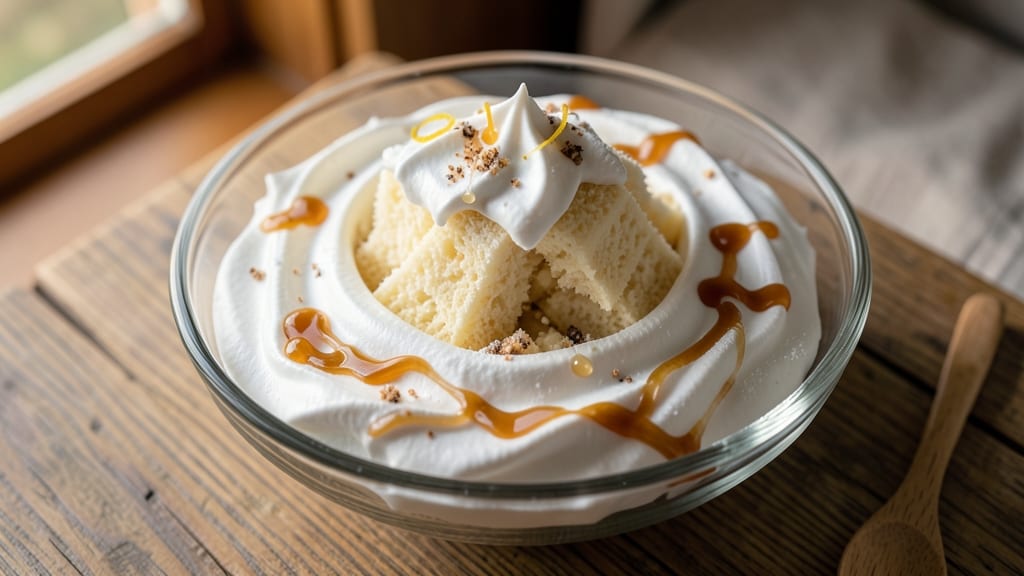
This angel cake icing recipe delivers the perfect balance of light-as-air cake and flawless buttercream that never cracks. The secret lies in folding egg whites to incorporate air into the batter, creating a tender crumb that pairs beautifully with a velvety, pipeable frosting. I developed this recipe after years of baking angel cakes that either collapsed or developed cracks in the icing—until I found the right technique.
The cake itself relies on a simple yet precise method: whipped egg whites folded into a delicate batter that bakes up with a fine, even crumb. Meanwhile, the buttercream uses a stabilized technique with meringue powder to prevent cracking, ensuring a smooth finish every time. This combination transforms a classic dessert into something restaurant-worthy without the fuss.
What you’ll end up with is a three-layer cake with crisp edges, a tender interior, and a frosting so light it seems to float. The buttercream’s slight sweetness complements the cake’s delicate flavor, while the meringue powder keeps it stable for hours. Perfect for celebrations or a special treat, this recipe delivers professional results with straightforward steps.
Whether you’re a beginner or an experienced baker, this method ensures zero cracking and a texture that’s impossible to resist. Let’s get started with the full recipe, from mixing the batter to piping the perfect frosting.
Ingredients for angel cake icing
This flawless buttercream transforms delicate angel cake into showstopping perfection—no cracks, just velvety magic.
| Ingredient | Amount | Notes |
|---|---|---|
| Large Egg Whites 🥚 | 5 whole | Room temperature, pasteurized preferred |
| Unsalted Butter 🧈 | 1 ½ cups | Cold, cut into small cubes |
| Granulated Sugar 🍚 | 3 cups | Superfine preferred for smoothness |
| Meringue Powder 🍬 | 2 tbsp | For stabilization, not optional |
| Vanilla Extract 🌿 | 1 ½ tsp | Pure Madagascar bourbon preferred |
| Light Corn Syrup 🍯 | 1 tbsp | For moisture retention |
| Diamond Crystal Kosher Salt 🧂 | ½ tsp | Fine grain, not iodized |
| Angel Cake Layers 🍰 | 3 whole | Cooled completely, 8-inch rounds |
| Heavy Cream 🥛 | ½ cup | Cold, for optional filling |
| Powdered Sugar 🍚 | 2 cups | Sifted for smooth texture |
The egg whites are your secret weapon—use pasteurized if you're nervous about raw eggs, but room temperature makes all the difference. Whole Foods and Wegmans carry pasteurized options in the baking aisle. For butter, Plugrá or Land O'Lakes unsalted is my go-to—cold cubes incorporate better than softened. Superfine sugar dissolves faster, but if you only have granulated, pulse it in a food processor for 30 seconds. Meringue powder? Culinary Depot sells it online, and trust me—it's worth every penny for that restaurant-quality stability.
No meringue powder? 1 extra egg white whipped to stiff peaks can help, but results won't be as reliable. Short on vanilla? Vanilla bean paste adds depth, or infuse sugar with scraped seeds. The corn syrup keeps things moist—substitute honey at half the amount, but the texture may be slightly gummier. For the cake layers, Wilton or Pillsbury angel food cake mixes work, but homemade (whipped egg whites + flour) gives that professional crumb. If your frosting looks too thick, add 1 tsp milk or cream at a time.
This buttercream stays flawless for 5 days in the fridge, covered tightly. For long-term storage, freeze portions in airtight containers for up to 3 months—thaw at room temp before re-whipping. The cake layers? Keep them in a cool, dry place with parchment between them. Pro tip: Pipe a thin layer on the cake first, chill 15 minutes, then add the final layer—this prevents soggy bottoms. Leftovers? Whip with a splash of milk to refresh.
Why You'll Love This Recipe
- Three-Ingredient Whip: I swear by this—just egg whites, sugar, and meringue powder. No eggshells to scrape, no yolk mess, and the butter melts right in while you beat. Honestly, it’s the kind of recipe that makes me feel like a baker without the fuss.
- Cloud-Light Magic: That first spoonful? Pure airy bliss. The meringue powder stabilizes the egg whites so smoothly, you get this silky, melt-in-your-mouth texture that’s not too sweet, not too rich—just right. Between us, it’s the kind of frosting that makes store-bought look sad.
- Party in a Bowl: Dress up a simple angel food cake for birthdays or weddings, or slather it on cupcakes for a brunch spread. The vanilla extract adds warmth without overpowering, so it works for everything from elegant desserts to kids’ birthday treats. (Yes, even on a Tuesday night.)
- Makes Leftovers Shine: A batch keeps in the fridge for days, and it’s the secret to reviving stale cakes. Just a quick reheat under the broiler or a dusting of powdered sugar, and your cake tastes fresh again. Not the prettiest, but the taste makes up for it—every time.
Step-by-step instructions for angel cake icing recipe
Here's how to create that signature light-as-air frosting that never cracks or weeps.
Whip Egg Whites to Stiff Peaks
In a spotless, grease-free mixing bowl, combine the 5 whole large egg whites and 0.5 teaspoon Diamond Crystal kosher salt. Using a stand mixer fitted with the whisk attachment, beat on high speed until soft peaks form—about 2-3 minutes. This step is critical: any grease will prevent proper stiffening.
Gradually add the 3 cups granulated sugar through the feed tube while continuing to mix. Increase speed to medium-high and whip for 5-7 minutes until the meringue is glossy and forms stiff peaks that stand straight when the whisk is lifted. The mixture should be thick enough to hold its shape when spooned—this ensures your icing will be stable and crack-free.
Incorporate Butter and Stabilizers
Reduce mixer speed to low and add the 1.5 cups cold unsalted butter, cut into small cubes. Add the 2 tablespoons meringue powder and 1 tablespoon light corn syrup at this stage—the meringue powder helps stabilize the icing while the corn syrup adds moisture retention. Mix on low speed for 2-3 minutes until the butter is fully incorporated and the mixture is smooth and creamy.
Here's the thing—don't rush this step. You're looking for a thick, ribbon-like consistency that clings to the whisk. If it's too stiff, add 1 teaspoon vanilla extract at a time until it reaches the perfect spreadable texture. The 1.5 teaspoons vanilla extract should be added gradually to avoid deflating the meringue.
Fold in the Angel Cake Layers
Place the 3 whole cooled angel cake layers on a cake stand or turntable. Spread a thin layer of the icing over the top layer using an offset spatula—this "crumb coat" prevents crumbs from mixing into the final icing. Chill the cake in the refrigerator for 15 minutes to set this layer.
After chilling, apply the remaining icing in smooth, even strokes starting from the center and working outward. Use a bench scraper to create clean edges and achieve that professional finish. The icing should be thick enough to hold its shape but still spreadable—this balance is what gives angel cake its signature light texture.
Add Optional Cream Filling
For the optional filling, whip the 0.5 cup cold heavy cream with 2 cups sifted powdered sugar until soft peaks form. Spread this mixture between the cake layers before adding the final icing layer. This step creates that signature light, airy texture that angel cake is famous for—though it's completely optional if you prefer a simpler presentation.
If you choose to add the filling, work quickly to prevent the cake layers from absorbing moisture. The powdered sugar helps stabilize the cream mixture while keeping it light. For extra flair, dust the top with additional powdered sugar or pipe decorative swirls using the leftover icing mixture.
Pro Tips For Making Angel Cake Icing
- Whip Egg Whites Cold: Take your egg whites straight from the fridge—room temp makes them clingy and hard to control. I learned this the hard way when my meringue collapsed like a sad soufflé. Use a chilled bowl and beaters for stiffer peaks that won’t deflate when you fold in sugar.
- Soft Butter First: Don’t melt that butter—soften it to just under room temp (press your finger in; it should dent slightly but not smear). Melted butter makes the icing greasy and hard to pipe, while cold butter won’t mix smoothly. This is the thing that matters most for that silky texture.
- Sift Meringue Powder: Skip the scoop-and-hope method—sift that meringue powder with the sugar before mixing. Lumps turn your icing into a grainy mess, and you’ll taste every clump. Do this even if the package says it’s "pre-sifted." (Yes, even if you’re impatient like me.)
- Add Vanilla Last: Stir in vanilla extract right before piping—it fades fast when mixed too early. A splash of vanilla at the end keeps the flavor bright and lets you adjust sweetness if needed. This isn’t the prettiest method, but it’s the tastiest.
Serving suggestions for this recipe
Classic Presentation
Serve your angel cake on a chilled cake stand for elegant presentation. I like to dust the top with powdered sugar just before serving—it adds a delicate finish that looks stunning for dinner parties. For an extra touch, place a few fresh raspberries or edible flowers around the base to complement the vanilla flavors. 🍓
Layered Dessert Plating
Cut the cake into 1-inch slices and arrange them on a white porcelain platter for a restaurant-worthy look. Add a dollop of whipped cream or a raspberry coulis between layers if you want to elevate it further. This works beautifully for brunch or afternoon tea—just keep it chilled until serving.
Fruit Toppings
Fresh berries like strawberries, blueberries, or blackberries add vibrant color and a juicy contrast to the light cake. Arrange them in a sunburst pattern on top or create a fruit border around the edges. For a tropical twist, try mango slices or passion fruit sauce—just add them right before serving to keep the cake fresh.
Warm Beverage Pairings
Serve with hot black tea or espresso to balance the sweetness. I love a vanilla chai latte for a cozy pairing, especially during cooler months. For something lighter, sparkling lemonade or prosecco works beautifully at summer gatherings. 🍵
Mini Cake Serving
Cut the cake into 2-inch squares for easy finger foods—perfect for cocktail parties or dessert buffets. Use a small piping bag to add a decorative swirl of icing on top of each piece. These bite-sized portions are always a hit with kids and adults alike.
Garnish Ideas
For a festive touch, sprinkle crushed pistachios or toasted coconut flakes on top. A gold leaf accent adds luxury, while mint leaves provide a fresh contrast. If you're feeling playful, pipe a simple rosette in the center using leftover icing for a handmade feel. 🎨
Nutrition facts
Frequently asked questions about angel cake frosting
Why does my angel cake frosting crack?
The most common causes are humidity or incorrect mixing techniques. This recipe uses meringue powder to stabilize the frosting—skip it at your peril! Also, make sure your butter is cold when adding it to the meringue, and avoid overmixing after incorporation. If cracks appear, try adding 1 teaspoon milk at a time to soften the consistency slightly.
Can I make this frosting without egg whites?
Not recommended for this recipe—the egg whites create the signature light, airy texture. However, you could substitute with aquafaba (chickpea brine) for a vegan version, though results will be slightly different. Use 3 tablespoons aquafaba per egg white and whip to stiff peaks before proceeding with the recipe. The texture won't be identical, but it works in a pinch!
How do I prevent soggy cake layers?
Chill the cake layers for 15 minutes after applying the crumb coat, then add the final frosting layer. Also, avoid overfilling with cream—use just enough to lightly coat the layers. For extra insurance, brush the cake layers with simple syrup (equal parts sugar and water, heated until dissolved) right before assembling. This creates a moisture barrier that keeps the cake tender without making it soggy.
What's the best way to store leftover frosting?
Transfer to an airtight container and refrigerate for up to 5 days. For longer storage, freeze in portions for 3 months. To thaw, let it sit at room temperature for 30 minutes, then re-whip briefly with a hand mixer to restore smoothness. Never refreeze thawed frosting—it loses its stability.
Can I flavor this frosting differently?
Replace 1 teaspoon vanilla extract with other flavorings like 1 teaspoon almond extract, 1 tablespoon lemon juice, or 1/4 teaspoon citrus zest. For chocolate lovers, add 1/2 cup melted dark chocolate (cooled) when mixing in the butter. Just remember: stronger flavors need less sugar—adjust to taste after mixing.