
Desserts
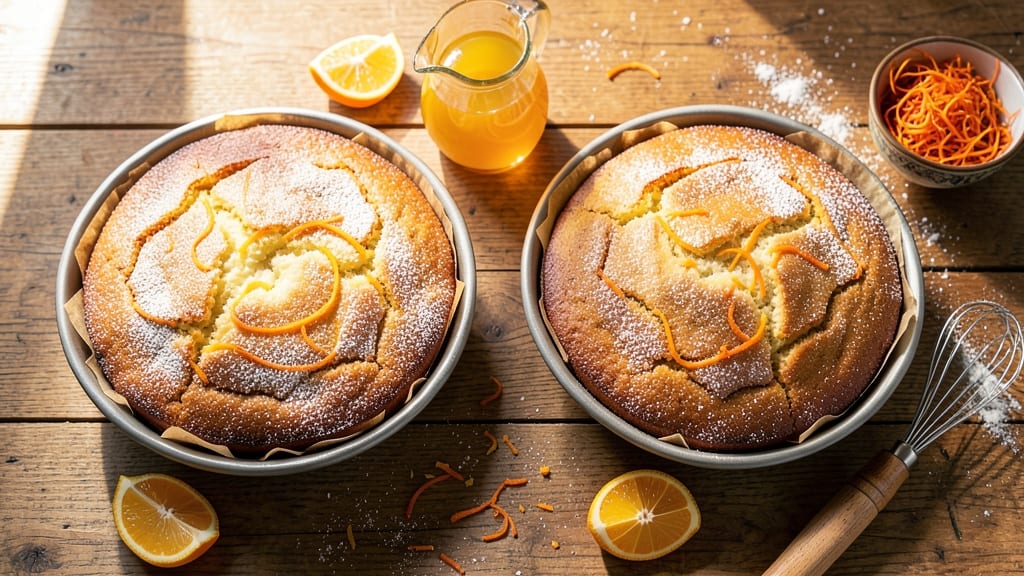
The Amish orange cake recipe brings warmth and tradition to your kitchen with its signature buttery streusel crown and bright citrus layers. This classic dessert combines simple ingredients with timeless techniques, delivering a tender crumb and fragrant orange notes that feel like a homemade hug. The secret lies in the balance of zesty orange zest and juice, which infuse the cake without overpowering its delicate sweetness.
What makes this recipe special is the traditional Amish approach—minimal fuss, maximum flavor. The cake layers are moist and tender, topped with a crumbly streusel that adds texture and richness. It’s the kind of dessert that tastes even better the next day, perfect for potlucks, family gatherings, or a cozy Sunday treat. The recipe relies on everyday pantry staples, ensuring it’s both approachable and foolproof.
By the time you pull this cake from the oven, you’ll have a golden, fragrant masterpiece with a crown of buttery streusel that crumbles at the touch. The orange flavor shines through in every bite, bright and inviting, while the layers remain soft and moist. This is the kind of cake that feels like a celebration—simple enough to make regularly but special enough to impress.
Serve it warm with a scoop of vanilla ice cream or dusted with powdered sugar for a rustic touch. The best part? It’s a recipe that honors tradition while fitting seamlessly into modern baking routines. Let’s get started on creating this timeless dessert.
Ingredients for amish orange cake
Simple pantry staples and zesty citrus transform into a timeless Amish orange cake masterpiece.
| Ingredient | Amount | Notes |
|---|---|---|
| All-Purpose Flour 🌾 | 3 ½ cups | Sifted for light texture |
| Granulated Sugar 🍚 | 2 ½ cups | Divided for layers and streusel |
| Unsalted Butter 🧈 | 1 ½ cups | Room temperature, cubed |
| Large Eggs 🥚 | 4 whole | Room temperature, beaten |
| Orange Zest 🍊 | 2 tbsp | Fresh, finely grated |
| Orange Juice 🍊 | ¾ cup | Freshly squeezed, strained |
| Baking Powder 🧂 | 2 tsp | Diamond Crystal preferred |
| Salt 🧂 | ½ tsp | Fine sea salt |
| Vanilla Extract 🌿 | 2 tsp | Pure, high-quality |
| All-Purpose Flour (streusel) 🌾 | 1 ½ cups | For streusel topping |
| Light Brown Sugar 🍚 | ¾ cup | Packed, for streusel |
| Unsalted Butter (streusel) 🧈 | ½ cup | Cold, cubed for streusel |
| Ground Cinnamon 🌶️ | 1 tsp | For streusel warmth |
| Powdered Sugar 🍚 | ¼ cup | Optional for dusting |
The orange zest and juice are where the magic happens—use freshly zested oranges for maximum flavor. Navel oranges work best, but any sweet orange variety will do. If you're using store-bought juice, go for 100% orange juice with no added sugars. The butter should be room temperature but not melted—cold butter creates pockets for a lighter cake. For the streusel, light brown sugar adds moisture and caramel notes when toasted. If you can't find Diamond Crystal baking powder, any brand works, but measure carefully—it's a leavening agent, not a filler.
No fresh orange juice? Fresh-squeezed lemon juice at half the amount adds brightness, though it won't replicate the orange's complexity. Short on zest? Orange extract at one-third the amount works in a pinch, but fresh is ideal. The vanilla extract matters here—imitation vanilla. For the streusel, walnuts or pecans can replace half the flour for added crunch. If you're baking in a dry climate, increase the orange juice slightly to prevent dryness. The cake layers should be tender but not wet—if the batter seems too runny, add an extra tablespoon of flour.
This cake improves with age—best served 2-3 days after baking when flavors meld. Store wrapped at room temperature for 3 days or refrigerated for 1 week. The streusel topping stays crisp for 2 days before softening slightly. For long-term storage, freeze the fully baked cake (without frosting) for up to 3 months. Thaw at room temperature before serving. Dusting with powdered sugar right after baking keeps the streusel from sticking to your fingers—worth the extra minute.
Why You'll Love This Recipe
- You’re using pantry basics here: flour, sugar, butter. The only splurge is the orange, but one fruit stretches for multiple cakes. Leftovers? They last days, and the flavor only gets better as it sits. My kids beg for seconds, and my wallet stays happy.
- No-Fuss Mixing: This cake comes together with just five ingredients—no fancy techniques, no last-minute grocery runs. I swear, I’ve made it while chatting on the phone, and the only measuring I do is eyeballing the flour. That orange zest? Just grate it fresh from one juicy fruit, and boom—you’re done.
- Bright & Buttery Magic: The butter and sugar create this melt-in-your-mouth texture, but the orange zest? It’s the star. Honestly, the first bite tastes like sunshine—zesty, sweet, and just a little tangy. It’s the kind of flavor that makes people pause mid-slice and go, “Wait, what’s in this?”
- Weekday Hero: I keep this recipe in my back pocket for birthdays, potlucks, or even when I need a quick dessert after church. Slice it fresh, or wrap it up for a picnic—it holds together like a dream. (Yes, even on a Tuesday night when you’re exhausted.)
Step-by-step instructions for Amish orange cake
Here's how to craft the signature layers and buttery streusel topping that defines this classic recipe.
Prepare the Cake Batter
Preheat your oven to 350°F and grease two 9-inch round cake pans, then line the bottoms with parchment paper. In a medium bowl, whisk together the 3.5 cups all-purpose flour, 2 teaspoons baking powder, and 0.5 teaspoon salt. Set aside for now—this dry mixture needs to stay light and airy.
In a large mixing bowl, cream together the 1.5 cups unsalted butter and 2.5 cups granulated sugar using an electric mixer on medium speed until light and fluffy, about 3-5 minutes. This step is crucial for a tender crumb. Add the 4 whole large eggs, one at a time, beating well after each addition. Scrape down the sides of the bowl to ensure everything is fully incorporated.
In a separate small bowl, combine the 2 tablespoons orange zest, 0.75 cup orange juice, and 2 teaspoons vanilla extract. Whisk until smooth, then gradually add this citrus mixture to the butter-sugar-egg combination. With the mixer running on low speed, alternate adding the dry ingredients in 3 additions and the orange mixture in 2 additions, beginning and ending with the flour mixture. Mix just until combined—overmixing develops gluten and makes the cake dense.
Bake the Citrus Layers
Divide the batter evenly between the prepared cake pans. Tap each pan gently on the counter to release any air bubbles, then smooth the tops with a spatula. Bake for 25-30 minutes or until a toothpick inserted into the center comes out clean. The cakes should spring back when gently pressed in the center.
Remove the cakes from the oven and let them cool in their pans for 10 minutes. Then transfer them to a wire rack to cool completely. This cooling step is essential—warm cakes will release too much moisture when you frost them, leading to a soggy result. While the cakes cool, prepare the streusel topping so you can assemble the cake as soon as they're ready.
Make the Buttery Streusel Topping
In a medium bowl, combine the 1.5 cups all-purpose flour (streusel), 0.75 cup light brown sugar, 1 teaspoon ground cinnamon, and 0.5 teaspoon salt. Use your fingers to work the mixture until it's evenly distributed and slightly crumbly. Cut in the 0.5 cup unsalted butter (streusel), using a pastry cutter or your fingers, until the mixture resembles coarse crumbs with pea-sized butter pieces still visible.
Spread the streusel evenly over one of the cooled cake layers, pressing down gently to help it adhere. This layer will form the base for your cake's signature crown. The streusel should be distributed within 1/2 inch of the edge to create a uniform appearance. Place the second cake layer on top of the streusel, aligning the edges neatly.
Assemble and Dust the Cake
Gently press down on the top cake layer to ensure good contact with the streusel. If desired, dust the top and sides of the cake with the 0.25 cup powdered sugar using a fine-mesh sieve. This step adds a delicate finish and enhances the cake's visual appeal. The powdered sugar should be applied lightly—just enough to create a subtle sheen without weighing down the cake.
Slice and serve the cake when it's completely cool. The layers should be moist and tender with bright orange flavor, while the streusel topping provides a delightful crunchy contrast. This cake keeps well at room temperature for 3-4 days or can be refrigerated for up to 1 week, though it's best enjoyed fresh from the oven.
Pro Tips For Making Amish Orange Cake
- Cream Butter Properly: Beat the butter and sugar until it’s pale and fluffy—about 3-4 minutes with a stand mixer. I learned this the hard way: skipping this step means a dense, flat cake instead of that signature tender crumb. (Yes, even if you’re impatient like me.)
- Toast Your Flour: Spread the flour on a baking sheet and bake at 300°F for 5-7 minutes before mixing it in. This removes excess moisture, so your cake stays moist longer. My grandmother swore by this, and she was right: the texture is noticeably better.
- Room-Temp Eggs Matter: Let your eggs sit in warm water for 10 minutes before cracking them—no one wants to scramble them into the batter. Cold eggs can cause the batter to curdle, and you’ll end up with a weird texture. (Your future self will thank you.)
- Check for Doneness Early: Start testing with a toothpick at 25-30 minutes—this cake dries out fast if left in too long. Pull it when the edges are set but the center still jiggles slightly. Overbaking is the fastest way to ruin a cake that’s supposed to be moist.
Essential equipment for amish orange cake
Must-Have Mixing Tools
Start with a stand mixer or hand mixer—I swear by my KitchenAid Artisan Series for creaming butter and sugar to perfect fluffiness. A medium mixing bowl (at least 5-quart capacity) prevents spills when combining wet and dry ingredients. For the streusel, a pastry cutter or your fingers work best to distribute butter evenly without overworking the mixture. 💛
Precision Baking Gear
Two 9-inch round cake pans with removable bottoms make cooling and unmolding easier. I love Wilton Perfect Results pans for even baking. A toothpick and instant-read thermometer (like Thermoworks Thermapen) help gauge doneness—cakes are done at 205-210°F internal temp. Don’t skip the parchment paper liners—they prevent sticking and ensure clean slices.
Citrus Prep Essentials
A microplane or zester is non-negotiable for fresh orange zest—pre-shredded zest lacks intensity. For juice, a manual citrus reamer or juicer (like OXO Good Grips) extracts maximum flavor. Strain the juice through a fine-mesh sieve to remove pulp, which can make your cake dense. I keep a small bowl nearby to whisk zest and juice before adding it to the batter.
Streusel Perfection Tools
Use a fine-mesh sieve to dust the cake with powdered sugar—it creates an even, professional finish. For the streusel itself, a spatula helps spread it evenly over the cake layer. I press down gently with the back of a wooden spoon to ensure it sticks. A bench scraper comes in handy for cleaning up crumbs during assembly. 🌟
Cooling and Storage Setup
Invest in a wire cooling rack—it’s a game-changer for even cooling and preventing soggy bottoms. For storage, airtight containers (like Rubbermaid Brilliance) keep the cake moist for days. If freezing, wrap the cake tightly in plastic wrap before placing it in a freezer bag to prevent freezer burn. Label with the date—this cake stays fresh for up to 3 months in the freezer! ❄️
Nutrition facts
Frequently asked questions
Can I substitute fresh orange juice with bottled juice?
You can use bottled juice, but fresh-squeezed is ideal for authentic flavor. If substituting, choose 100% orange juice with no added sugars. For best results, reduce the amount by 1 tablespoon since bottled juice is often more concentrated. The zest remains crucial—fresh is non-negotiable for that bright citrus aroma!
Why does my streusel topping turn into a paste?
This happens when the butter melts too much during mixing. Use cold butter cubes and work quickly with your fingers or pastry cutter. The streusel should look like coarse crumbs with visible butter pieces—never fully combined. If it gets too soft, chill the mixture for 10 minutes before spreading.
How do I make this cake gluten-free?
Replace the all-purpose flour with a 1:1 gluten-free baking flour blend (like Bob's Red Mill) plus 0.5 teaspoon xanthan gum per cup. For the streusel, use a gluten-free flour blend and add 1 extra tablespoon of flour to compensate for reduced binding. Note: textures will differ slightly, but the orange flavor remains intact!
Can I bake this cake in a single 9x13-inch pan?
Not recommended—the layers won't be as tender, and the streusel won't crown properly. For a single-layer version, use the same batter in a 9x13-inch pan baked for 35-40 minutes, then top with streusel after cooling. The texture will be more like a sheet cake than traditional Amish layers.
What's the secret to keeping the cake moist?
The key is not overbaking—pull the cake when a toothpick comes out with a few moist crumbs. Store in an airtight container with a slice of bread or apple to absorb excess moisture. For extra richness, brush warm layers with orange juice before assembling. The streusel helps lock in moisture too!