
Desserts
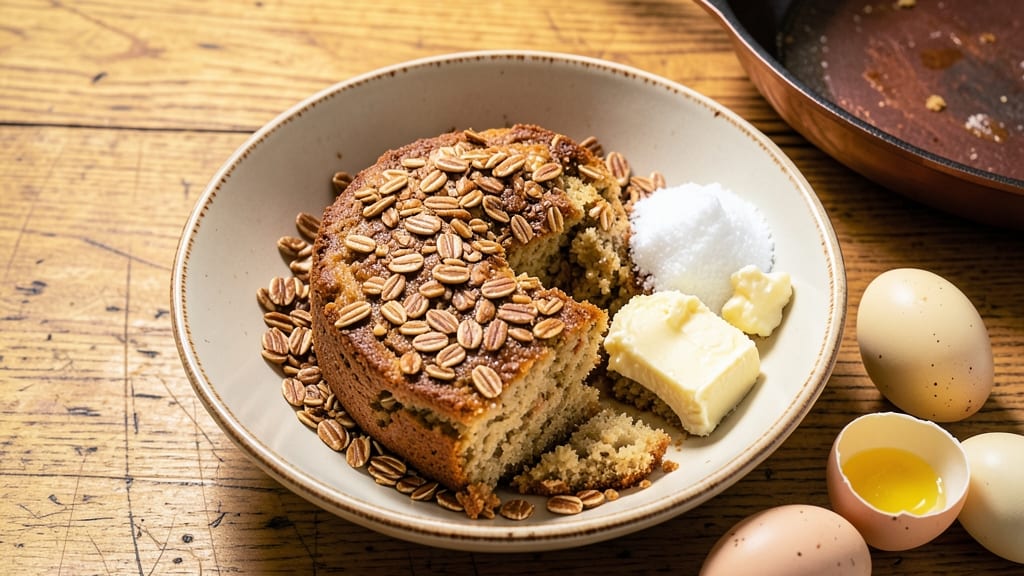
This Amish oatmeal cake recipe brings old-world baking traditions to your kitchen with its signature golden crust and warm spice aroma that fills every room. 🌟 The beauty lies in its simplicity—just a handful of ingredients, minimal mixing, and a baking technique that ensures moist crumb and perfect texture. I first discovered this recipe through a family heirloom cookbook, and it's been my go-to for gatherings ever since.
The secret to its magic is the combination of oats and cinnamon, which creates a tender yet sturdy cake that holds its shape beautifully. Unlike many modern recipes, this one relies on traditional methods like baking soda for leavening and brown sugar for depth, avoiding any artificial ingredients. The cake's simplicity makes it incredibly forgiving, perfect for both beginner and experienced bakers.
What you'll end up with is a cake that's rich with caramel notes from the brown sugar, lightly spiced with cinnamon and nutmeg, and topped with a crackly golden crust that adds just the right amount of crunch. The aroma alone will draw everyone to the kitchen, and the first bite delivers that comforting, home-baked flavor that's hard to resist.
Serve it warm with a dollop of whipped cream or a scoop of vanilla ice cream for the ultimate comfort dessert. This recipe scales easily, making it ideal for family dinners, potlucks, or special occasions. Let's get baking!
Ingredients for amish oatmeal cake
Just twelve simple ingredients transform into a golden, spiced cake that smells like home.
| Ingredient | Amount | Notes |
|---|---|---|
| All-Purpose Flour 🌾 | 2 cups | Sifted for light texture |
| Old-Fashioned Rolled Oats 🥣 | 1 cup | Blended into fine powder |
| Brown Sugar 🍯 | 1 ½ cups | Packed firmly for sweetness |
| Granulated Sugar 🍚 | ½ cup | For balanced sweetness |
| Unsalted Butter 🧈 | 1 cup | Cold, cubed for easier mixing |
| Large Eggs 🥚 | 2 whole | Room temperature for blending |
| Vanilla Extract 🌸 | 2 tsp | Pure, high-quality extract |
| Baking Soda 🧪 | 1 tsp | For traditional leavening |
| Ground Cinnamon 🌶️ | 2 tsp | Freshly ground for warmth |
| Ground Nutmeg 🌿 | ½ tsp | Finely ground for depth |
| Salt 🧂 | ½ tsp | Fine sea salt preferred |
| Milk 🥛 | 1 cup | Warm for easier blending |
| White Vinegar 🍶 | 1 tbsp | For tenderizing oats |
The oats are non-negotiable here—they give that signature Amish texture. Bob's Red Mill rolled oats are my go-to, but any old-fashioned kind works. Blend them into a fine powder first—this is key for that tender crumb. The brown sugar should be packed firmly in the cup, not scooped loosely. For the butter, grab Land O'Lakes unsalted from the dairy case—it's the most reliable for baking. And if you're feeling fancy, Walmart's Great Value vanilla extract is surprisingly good for the price, but McCormick pure extract is worth the splurge if you bake often.
No rolled oats? Quick oats blended into powder works in a pinch, but they won't give the same texture. Short on brown sugar? Substitute dark molasses at half the amount—it adds a deeper flavor. The milk can be swapped for buttermilk or even water, but warm milk blends better. The vinegar is just to tenderize the oats—skip it if you're using pre-blended oat flour. For the spices, Penzeys ground cinnamon has the best warmth, but the regular grocery store stuff is fine. Nutmeg should be freshly ground if possible—it makes all the difference.
This cake keeps beautifully for 5 days in an airtight container at room temperature, but it's even better the next day. For a 3-month shelf life, wrap tightly in plastic and freeze. I always bake two pans at once—one to eat fresh, one to freeze for lazy weeknights. The golden crust? That's all about baking time—don't overbake, or you'll lose that tender crumb. And trust me, the smell alone will have everyone gathering in the kitchen before it's even done.
Why You'll Love This Recipe
- No Mixer Needed: I swear by this recipe on lazy mornings—just fold the oats and flour together dry, then stir in the melted butter and sugars. No electric beaters, no sticky mess, just a few minutes of gentle mixing. The texture comes out just right because the oats absorb the moisture while the butter keeps it tender.
- Warm Spice Hug: That combo of brown sugar and rolled oats gives it a deep, caramelized sweetness with a faint toasty edge. Honestly, it tastes like a hug—especially when you add a pat of butter on top while it’s still warm. The granulated sugar balances it so it’s not cloying, just ridiculously good.
- Breakfast or Dessert: I make this for my kids’ school lunches one day and slice it with ice cream the next. The cake’s sturdy enough to hold up in a thermos but light enough to feel like a treat. (Yes, even on a Tuesday night.)
- Pantry Staple Magic: Between us, this recipe uses things you already have—flour, oats, sugar, butter. No weird ingredients, no last-minute grocery runs. And leftovers? They last forever wrapped in foil, or I freeze slices for quick grab-and-go energy bites. Budget-friendly and foolproof.
Step-by-step instructions for Amish oatmeal cake
This cake delivers that perfect Amish homestyle texture—moist, tender, and packed with warm spice notes. Here's how to nail it every time!
👨🍳 Step 1: Blend Oats into Fine Powder
First, pulse the 1 cup Old-Fashioned Rolled Oats in a food processor until you get a fine powder—like flour. This creates that signature tender crumb. I like to process it in batches if my machine is small, just until no whole oats remain. The texture should resemble coarse sand when you rub it between your fingers.
Transfer the oat powder to a medium bowl and set aside. Here's the thing—if you skip this step, your cake will have chewy oat bits instead of that uniform, melt-in-your-mouth texture. Trust me, it makes all the difference in the final result.
🍳 Step 2: Cream Butter and Sugars Together
In a stand mixer fitted with the paddle attachment, beat the 1 cup Unsalted Butter (cold, cubed) with the 1.5 cups Brown Sugar and 0.5 cup Granulated Sugar on medium speed for 3-4 minutes. You're looking for a light, fluffy mixture that nearly doubles in volume and becomes pale in color.
This creaming process incorporates air, which gives the cake its signature tender crumb. Don't rush this step—I've seen people skip it, and their cakes turn out dense. You'll know it's ready when you lift the paddle and see smooth, ribbon-like streaks that hold their shape for a few seconds.
👨🍳 Step 3: Mix in Wet Ingredients
Add the 2 whole Large Eggs (room temperature) one at a time, mixing on low speed for 30 seconds after each addition. Then stir in the 2 tsp Vanilla Extract, 1 tsp Baking Soda, 2 tsp Ground Cinnamon, 0.5 tsp Ground Nutmeg, and 0.5 tsp Salt. Mix on low speed just until combined—you should still see some flour streaks.
In a separate small bowl, whisk together the 1 cup Milk and 1 tbsp White Vinegar until slightly curdled. This creates a buttermilk-like liquid that tenderizes the oats. Add this mixture to the wet ingredients and mix on low speed for 30 seconds to combine completely.
🥘 Step 4: Combine Dry Ingredients
Gradually add the 2 cups All-Purpose Flour to the wet mixture, mixing on low speed just until combined. Be careful not to overmix—you want to preserve that tender crumb. The dough should be thick but pourable. If it looks too stiff, add 1-2 tablespoons of milk to loosen it.
Here's where it gets fun—fold in the oat powder you prepared earlier. The batter will look like it's too thick, but trust me, it's exactly what you want. The oat powder helps create that signature moist texture that keeps the cake tender for days. At this point, the batter should be smooth and well combined.
🔥 Step 5: Bake to Golden Perfection
Preheat your oven to 350°F and grease two 8-inch round cake pans (or one 9x13-inch pan). Divide the batter evenly between the pans and smooth the tops. Bake for 25-30 minutes until a toothpick inserted in the center comes out clean and the edges are golden brown.
I know it seems like too long, but this ensures the cake bakes through without being dry. The reason we wait until the toothpick test is that oatmeal cakes can sometimes look done on the outside while still being undercooked inside. Let the cakes cool in the pans for 10 minutes, then transfer to a wire rack to cool completely before serving.
Pro Tips For Making Amish Oatmeal Cake
- TOAST THE OATS FIRST: Skip the raw oat texture—lightly toast your rolled oats in a dry skillet over medium heat for 3-4 minutes until they smell nutty and golden. This deepens their flavor and prevents that weird gummy bite in the cake. (Yes, even if you’re impatient like me.)
- CREAM THE BUTTER COLD: Use butter straight from the fridge—don’t soften it first. Mixing cold butter into the sugar creates tiny pockets that make the cake tender, not greasy. If it looks lumpy, don’t panic; those lumps melt into moisture as it bakes.
- DON’T OVERMIX THE BATTER: Stir just until the flour disappears—overmixing turns this cake dense and chewy. The Amish version relies on a rustic crumb, so fold in the oats and any add-ins (like nuts or raisins) with a spatula, not a whisk. Stop when you see dry bits lingering.
- TEST FOR DONENESS WITH A TOOTHPICK: The cake’s edges look done, but the center’s still jiggly? That’s normal—insert a toothpick 1 inch from the middle. If it comes out with moist crumbs (not wet batter), it’s ready. Overbaking dries it out, and this recipe forgives nothing.
Perfect pairings for this recipe
Classic Comfort Toppings
Warm this cake with a scoop of homemade vanilla ice cream or a dollop of whipped cream—the contrast of cold and warm makes every bite magical. I love adding a sprinkle of ground cinnamon or a drizzle of maple syrup for extra coziness. For a rustic touch, crumble Amish-style butterscotch candies on top right before serving. 🍯
Creamy Cheese Glaze
Mix ½ cup powdered sugar, 2 tbsp melted butter, 1 tbsp milk, and 1 tsp vanilla extract for a simple glaze that adds sweetness without overpowering. Drizzle over warm cake slices and let it set for 5 minutes before serving. This glaze pairs perfectly with the cake's warm spices and adds a professional finish. 🥄
Spiced Whipped Cream
Whip 1 cup heavy cream with 1 tbsp powdered sugar, ½ tsp cinnamon, and ¼ tsp nutmeg until soft peaks form. Fold in 1 tsp vanilla extract for extra flavor. This spiced whipped cream elevates the cake into a showstopper dessert, especially during the holidays. It’s easy to make ahead and keeps well in the fridge. ✨
Fruit Compote Pairings
Balance the richness of the cake with a warm apple compote or peach jam made from seasonal fruit. Simmer 1 cup diced apples (or peaches) with 2 tbsp sugar, 1 tsp cinnamon, and 1 tbsp lemon juice until thickened. Serve alongside slices for a refreshing contrast. This works especially well with the cake’s nutmeg and cinnamon flavors. 🍎
Coffee or Tea Pairings
Serve this cake with a strong cup of black coffee to cut through the sweetness and enhance the warm spices. For a cozier experience, pair it with chamomile tea or spiced chai. The caffeine in coffee also helps balance the richness, making it a perfect afternoon treat. ☕
Seasonal Variations
In fall, add candied pecans or pumpkin spice whipped cream for a seasonal twist. During winter, dust the cake with powdered sugar and serve with hot cocoa. For summer, top with fresh berries and a dollop of vanilla yogurt for a lighter option. These variations keep the cake fresh year-round. 🍂
Nutrition facts
Frequently asked questions
Can I make this cake without a food processor?
Yes! If you don't have a food processor, you can grind the 1 cup oats into a fine powder using a heavy skillet or rolling pin. Spread the oats on a baking sheet and crush them with the bottom of a heavy pan until they resemble coarse flour. This method takes a bit more elbow grease but works perfectly. The key is to get the oats as fine as possible for that signature tender texture.
Why does my cake turn out dense instead of tender?
Overmixing the batter is the most common cause of dense cake. Mix just until combined—you should still see some flour streaks. Also, make sure your butter is cold when creaming and that you're using baking soda (not baking powder) for proper leavening. Another tip: don't overbake—remove it when the toothpick comes out clean (around 25-30 minutes at 350°F).
Can I substitute quick oats for old-fashioned rolled oats?
While you can use quick oats, they won't give the same texture. If you must substitute, blend 1 cup quick oats into a fine powder first—this mimics the rolled oats' effect. However, rolled oats create that signature tender crumb that makes this cake special. For best results, stick with old-fashioned rolled oats if possible. The flavor and texture difference is worth it!
How do I store leftovers to keep them fresh?
Store the cake in an airtight container at room temperature for up to 5 days. For longer storage, wrap individual slices tightly in plastic wrap and freeze for up to 3 months. To reheat frozen slices, warm them in the oven at 300°F for 10-15 minutes until thawed. The cake actually tastes better the next day as the flavors meld!
What makes this different from regular oatmeal cake?
This recipe uses traditional Amish techniques like baking soda for leavening (instead of baking powder) and relies on the oats being ground into a powder for texture. The warm spices—cinnamon and nutmeg—are more pronounced, and the brown sugar adds depth. Most importantly, the cake has that signature golden crust that comes from proper baking time and the oat powder's moisture-retaining properties.