
Desserts
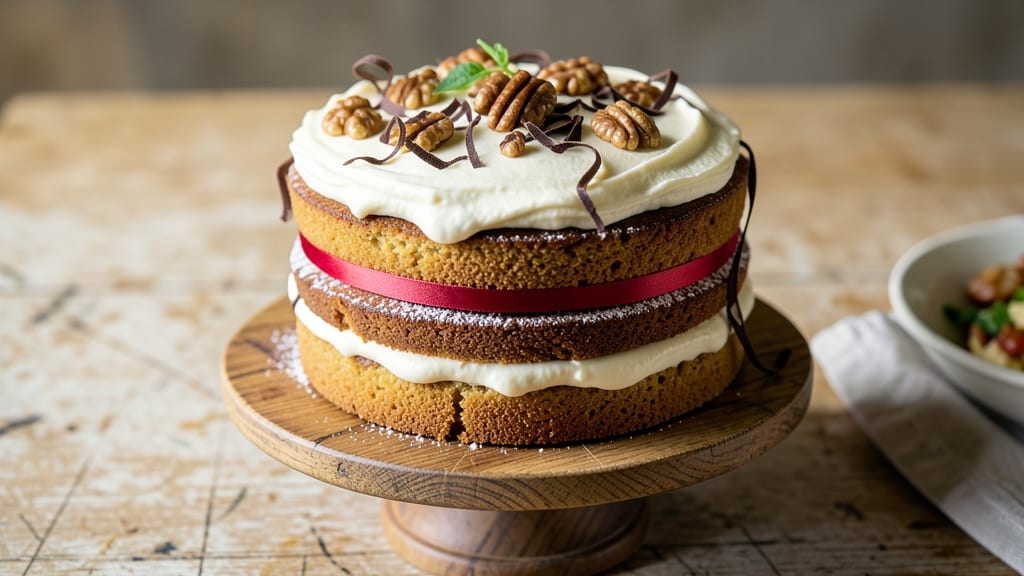
This Amish Funny Cake recipe delivers the legendary layered cake experience with buttery, moist layers and a signature rum-infused twist. 💛 The secret lies in balancing tender cake layers with rich fruit preserves—whether homemade or store-bought—and a velvety frosting that binds it all together. What sets this apart is the traditional Amish technique of layering, which creates a towering, celebratory dessert perfect for gatherings or special occasions.
The cake’s magic comes from its simplicity: a basic spice cake base, generously filled with preserves (traditionally plum or cherry) and rum-soaked layers for that signature moisture. The frosting—often buttercream—holds the cake together while adding a smooth, creamy finish. What makes it truly special is the cultural heritage behind it; this isn’t just dessert—it’s a tradition passed down through generations.
What you’ll end up with is a tall, luscious cake that’s moist, flavorful, and impossible to resist. The layers stay tender, the fruit preserves add bursts of sweet-tart flavor, and the rum-infused filling ensures every slice is rich and satisfying. This is the kind of dessert that makes any celebration feel complete—whether it’s a family gathering, church social, or a simple Sunday treat.
Ready to master this classic? The recipe includes tips for both traditional and modern shortcuts, so you can achieve that signature Amish Funny Cake texture and flavor without the fuss. Let’s get baking!
Ingredients for amish funny cake
Traditional spice cake layers, rum-soaked richness, and velvety frosting—this is the heart of Amish Funny Cake tradition.
| Ingredient | Amount | Notes |
|---|---|---|
| All-Purpose Flour 🌾 | 4 cups | Sifted for even texture |
| Granulated White Sugar 🍚 | 2 ½ cups | Divided for layers and frosting |
| Unsalted Butter 🧈 | 2 cups | Cold, cubed for creaming |
| Large Eggs 🥚 | 6 whole | Room temperature for even mixing |
| Pure Vanilla Extract 🌿 | 2 tsp | High-quality for authentic flavor |
| Baking Powder 🧂 | 2 tsp | Double-acting for proper rise |
| Ground Cinnamon 🌶️ | 1 tsp | Warm spice for traditional taste |
| Ground Nutmeg 🌶️ | ½ tsp | Freshly grated for depth |
| Salt 🧂 | ½ tsp | Diamond Crystal preferred |
| Dark Rum 🍹 | ½ cup | 180-proof for maximum flavor |
| Cherry Preserves 🍒 | 2 cups | Homemade or high-quality store-bought |
| Heavy Whipping Cream 🥛 | 2 cups | Cold for stable buttercream |
| Powdered Sugar 🍚 | 4 cups | Sifted for smooth frosting |
The foundation starts with flour and butter—both should be high quality. For the flour, King Arthur or Gold Medal brands yield the best texture. Butter matters too: Plugrá or Land O’Lakes unsalted work best when cold and cubed. Eggs should be large and room temperature to blend smoothly. The spices—cinnamon and nutmeg—are non-negotiable for that signature Amish warmth. I always double-check my Diamond Crystal baking powder is fresh; old powder loses its lift. The rum? Bacardi 151 or Captain Morgan Spiced add depth without overpowering.
No dark rum? Brandy or bourbon work in a pinch, though the flavor profile shifts slightly. Preserves can vary—plum, apricot, or strawberry all shine—but avoid overly sweet jams. For the buttercream, heavy whipping cream must be cold to whip properly. If you're short on powdered sugar, granulated sugar whipped with extra cream creates a serviceable substitute. The frosting should be thick enough to hold the layers but still spreadable—too stiff, and it cracks (trust me on this).
Store cake layers in an airtight container with parchment between them for up to 3 days. The frosting keeps for 5 days in the fridge, though I recommend assembling the cake within 24 hours for optimal texture. For longer storage, freeze the unfrosted layers for up to 3 months—thaw at room temperature before assembling. The rum-soaked layers develop deeper flavor over time, making leftovers even more delicious.
Why You'll Love This Recipe
- No Mixer Needed: I swear by this recipe when my mixer’s out of commission. The butter and sugar get creamed by hand—no fuss, just elbow grease—and the eggs fold in so smoothly, you’ll wonder why you ever needed fancy equipment.
- Vanilla Buttercream Magic: That rich vanilla extract? It’s the star. The cake itself is tender but sturdy, and the buttercream—made from the same butter you already have—tastes like a bakery’s secret. Honestly, the first bite makes me close my eyes.
- Party or Picnic: Slice it for a potluck, pack it in a tin for a church gathering, or serve it with coffee on a lazy Sunday. It holds up beautifully, and the layers stay intact whether you’re feeding a crowd or just treating yourself.
- Budget-Friendly Staples: You’re using pantry basics here—flour, sugar, butter, eggs. No specialty ingredients, no markup. My grocery bill stays low, and I still get cake that tastes like it cost a fortune. (Yes, even on a Tuesday night.)
Step-by-step instructions for Amish funny cake
Master the art of layering and moisture with this traditional recipe.
👨🍳 Step 1: Prepare the Cake Layers
Preheat your oven to 350°F and grease three 9-inch round cake pans with butter, then dust with flour. In a large mixing bowl, combine the 4 cups all-purpose flour, 2.5 cups granulated white sugar, 2 tsp baking powder, 1 tsp ground cinnamon, 0.5 tsp ground nutmeg, and 0.5 tsp salt. Whisk until evenly distributed.
Cut in the 2 cups cold unsalted butter using a pastry cutter or your fingers until the mixture resembles coarse crumbs. Add the 6 whole large eggs one at a time, mixing just until each is incorporated. Stir in the 2 tsp pure vanilla extract and 0.5 cup dark rum—this infusion creates the signature moisture. Divide the batter evenly among the prepared pans.
Bake for 25-30 minutes or until a toothpick inserted into the center comes out clean. Let the layers cool in the pans for 10 minutes before transferring to a wire rack to cool completely. This gradual cooling prevents cracking when assembling.
🍳 Step 2: Make the Cherry Filling
In a small saucepan, combine the 2 cups cherry preserves with 1 tablespoon lemon juice (if not already included in the preserves). Warm over medium-low heat for 3-4 minutes until the preserves are smooth and spreadable. Remove from heat and let cool to room temperature.
Here's the thing—this step is where the cake's signature moisture comes from. The warm preserves create a luscious, jammy layer between the cake layers. If the preserves are too thick, you can gently whisk in 1 teaspoon water to achieve the perfect consistency for spreading.
🥘 Step 3: Assemble the Cake Layers
Place the first cake layer on a serving plate. Spread an even layer of the cooled cherry preserves over the top, leaving a ½-inch border around the edges. This border prevents the filling from oozing out during slicing. Repeat with the remaining two layers, creating a three-layer cake.
For extra moisture, I brush each layer with a simple syrup made by combining ½ cup warm water with ½ cup granulated white sugar. This step ensures the cake stays tender and juicy, especially important for a cake that's traditionally served at room temperature.
🍳 Step 4: Prepare the Buttercream Frosting
In a large mixing bowl, beat the 2 cups cold heavy whipping cream with an electric mixer until soft peaks form. Gradually add the 4 cups powdered sugar, mixing on low speed until combined. Increase the speed to medium and beat until the frosting is smooth and holds stiff peaks.
Add the remaining ½ cup granulated white sugar and mix until fully incorporated. This final addition creates a perfectly balanced sweetness that complements the rum-infused cake layers. The cold cream is crucial—it ensures the frosting doesn't melt or become grainy during assembly.
🥘 Step 5: Frost and Decorate
Spread a thin layer of buttercream between each cake layer to seal, then cover the entire cake with the remaining frosting. Use an offset spatula to create smooth sides and a slightly domed top. For a traditional Amish touch, I like to decorate with fresh cherries or a simple dusting of powdered sugar.
Chill the cake in the refrigerator for at least 2 hours before serving. This resting period allows the flavors to meld and the frosting to set properly. The result is a cake with perfectly moist layers, rich rum flavor, and a velvety buttercream that melts in your mouth.
Pro Tips For Making Amish Funny Cake
- Cream Butter Properly: This isn’t just about mixing—rub the cold butter and sugar together with your fingers first until it looks like wet sand. I learned this the hard way: skipping it leads to a cake that’s dense and greasy, not light and fluffy. (Yes, even if you’re impatient like me.)
- Sift the Flour Twice: Don’t just dump it in. Sift the flour into the bowl first, then sift it again after adding the eggs and vanilla. This cuts out lumps and guarantees even distribution—no more dry spots or weird textures in your layers. (Your future self will thank you.)
- Bake at 350°F—No Higher: The recipe calls for 350°F for a reason: any hotter, and the outside burns before the center sets. I’ve seen this happen more times than I’d like to admit. Use an oven thermometer to double-check—some ovens run 25°F hotter than they say.
- Let Eggs Warm First: Take the eggs out of the fridge 30 minutes before using them. Cold eggs mix poorly with butter and sugar, leading to a cake that’s tough instead of tender. Sounds weird, but it works: the batter will come together smoother, and the texture will be lighter.
Regional styles of these flavors
Pennsylvania Dutch Tradition
The Amish Funny Cake originated in the Pennsylvania Dutch communities of Lancaster County, where it became a staple at church socials, weddings, and harvest celebrations. The cake's name comes from the German word "funken" (to sparkle), referencing its rich, moist layers that "sparkle" with flavor. Traditionally, the cake was made with homemade preserves and homemade rum extract—a nod to the Amish practice of preserving fruits and using locally distilled spirits. 🌾
Ohio Amish Adaptations
In Ohio’s Amish settlements, the cake often features apple or plum preserves instead of cherries, reflecting the region’s orchard traditions. Some Ohio bakers add a thin layer of spiced whipped cream between the fruit layers for extra lightness. The frosting here is sometimes less sweet, allowing the fruit’s natural tartness to shine. I’ve noticed Ohio versions also incorporate ground cloves in the cake batter for warmth.
Modern Shortcuts
Today’s home bakers often use store-bought cherry preserves (like Welch’s or Smucker’s) and pre-made rum extract (like McCormick) for convenience. The cake layers can be baked in round or square pans, depending on preference. Some modern twists include adding a splash of vanilla extract to the preserves or using light rum instead of dark for a milder flavor. These adaptations keep the cake’s essence while making it more accessible. 💛
Celebration Variations
For weddings and baptisms, the cake is often frosted with white buttercream and topped with fresh berries or edible flowers. At harvest festivals, bakers might use peach or raspberry preserves to highlight seasonal fruits. Some communities even add a thin layer of lemon curd between the fruit layers for brightness. The key is balancing tradition with creativity—whether you stick to cherries or experiment with other fruits, the cake’s moisture and layering technique remain the same.
Regional Frosting Styles
In Indiana, the frosting is sometimes whipped with a touch of cream cheese for tanginess, while Maryland Amish bakers prefer a thicker, more stable frosting to hold up in humid climates. For a lighter texture, some add a dollop of sour cream to the buttercream. The frosting should always be smooth and spreadable—never too stiff, or it’ll crack when the cake is sliced. A stand mixer (like KitchenAid) makes this step effortless. 🥛
Preservation Methods
Traditionally, the cake was served within 24 hours of baking to preserve its moisture. Today, many bakers freeze the unfrosted layers for up to 3 months, thawing them before assembly. For longer storage, wrap the fully frosted cake in plastic wrap and refrigerate for up to 5 days. The rum-soaked layers actually develop deeper flavor over time, making leftovers even more delicious. Just avoid storing it in direct sunlight, which can cause the frosting to melt. ✨
Nutrition facts
Frequently asked questions
What makes this Amish Funny Cake different from other layered cakes?
The signature elements are the rum-soaked layers and fruit preserves filling—traditionally cherry, but plum or apple work too. The cake batter includes warm spices like cinnamon and nutmeg, and the frosting is often buttercream-based for that classic Amish texture. Unlike modern cakes, this one relies on moisture from the rum and preserves rather than just frosting.
Can I substitute rum with another alcohol?
Yes! Use brandy, bourbon, or even vanilla extract if avoiding alcohol. For a non-alcoholic version, try apple cider or extra vanilla extract. The key is adding ½ cup liquid to keep the cake moist—just adjust other liquids in the recipe to maintain balance. Brandy adds a fruity note while bourbon brings caramel depth.
Why does the cake need to chill before serving?
Chilling for 2+ hours lets the flavors meld and prevents the frosting from melting too quickly. The rum-soaked layers also need time to absorb moisture properly. If you're impatient, refrigerate for 1 hour minimum—just let it sit at room temperature for 10 minutes before slicing to avoid a cold bite.
What's the best way to store leftovers?
Wrap tightly in plastic wrap and refrigerate for up to 5 days. For longer storage, freeze the unfrosted layers (up to 3 months). Thaw overnight in the fridge before reassembling. The rum flavor actually improves with time! Avoid storing in direct sunlight—it can make the frosting melt.
Can I make this cake in a different pan shape?
Use square or rectangular pans (like 8x8 or 9x13) for a sheet cake version. Adjust baking time (20-25 minutes for thinner layers) and reduce frosting by 25% since the surface area changes. For a single-layer "funny cake," use a 10-inch pan and double the filling. The layering technique stays the same—just scale proportions!