
Breakfast & Brunch
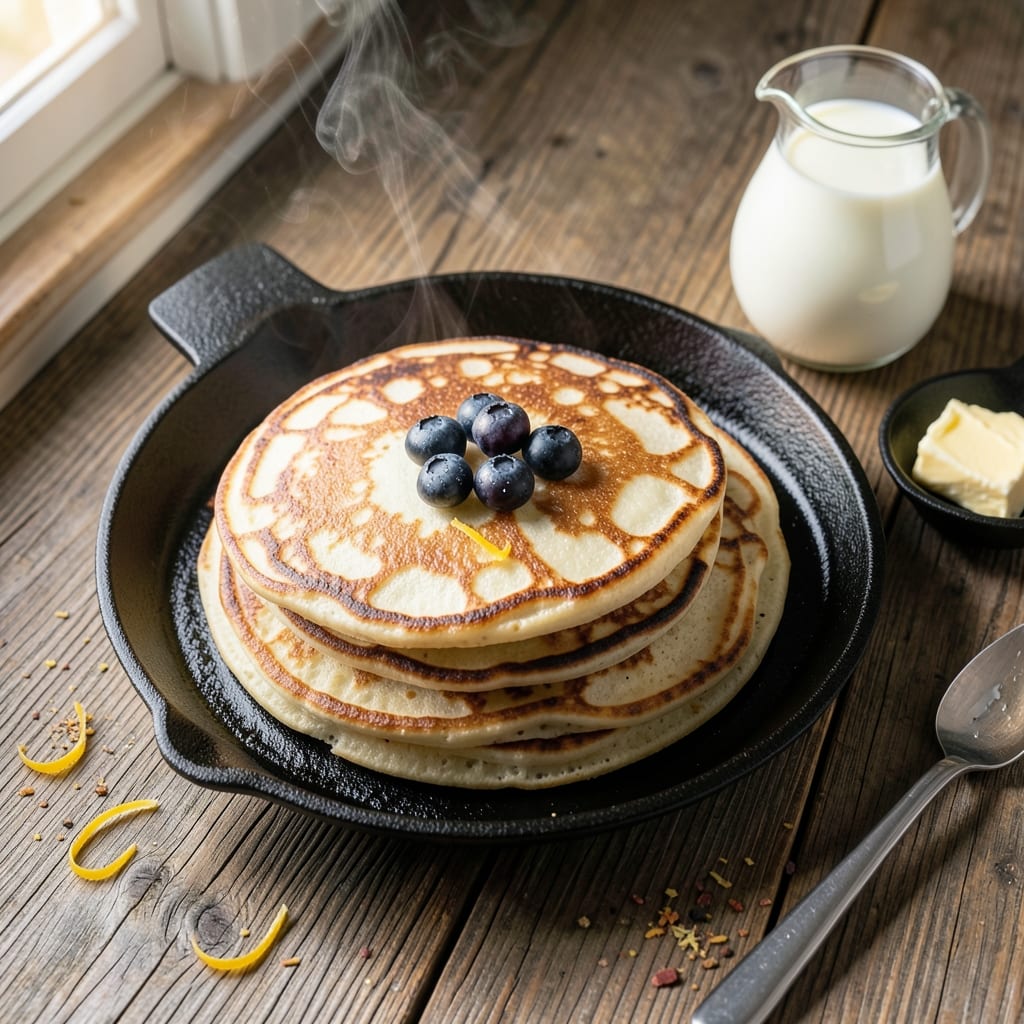
This Amish fried pancake recipe delivers the fluffiest, most golden stacks you've ever tasted—a tradition that transforms breakfast into a heartwarming family ritual. The secret lies in the buttermilk, which creates those signature tender layers and crispy edges that define Amish-style pancakes. I've perfected this method over years of weekend breakfasts, where the aroma alone fills the kitchen with warmth and anticipation.
The beauty of these pancakes is in their simplicity—just a few key ingredients combined with a precise frying technique that ensures perfectly golden-brown results every time. Unlike fluffy American pancakes, Amish fried pancakes have a slightly denser texture with a crisp exterior that holds up beautifully when stacked. The buttermilk batter develops a subtle tang that balances the richness of the butter used for frying.
What makes these pancakes truly special is how they elevate any morning—whether served with homemade maple syrup, crispy bacon, or fresh berry compote. The secret buttermilk trick ensures they stay moist and flavorful even after sitting on the plate. This recipe bridges tradition and modern convenience, giving you restaurant-quality results at home with just 15 minutes of active prep time.
Perfect for weekend breakfasts, family gatherings, or when you want to impress guests with a taste of Amish hospitality. The method is straightforward enough for beginners but delivers professional-quality pancakes that will have everyone asking for seconds. Let's get started—your kitchen will thank you for the aroma alone.
Ingredients for amish fried pancake
The secret to Amish fried pancakes lies in these carefully chosen ingredients—each playing a crucial role in creating that signature golden crisp and tender interior.
| Ingredient | Amount | Notes |
|---|---|---|
| All-Purpose Flour 🌾 | 2 cups | Sifted for light texture |
| Granulated Sugar 🍚 | ¼ cup | White or light brown |
| Baking Powder 🧂 | 2 tsp | Aluminum-free preferred |
| Salt 🧂 | ½ tsp | Fine sea salt |
| Large Eggs 🥚 | 2 whole | Room temperature |
| Buttermilk 🥛 | 1 ½ cups | Fresh, not powdered |
| Unsalted Butter 🧈 | ½ cup | Cold, cubed for frying |
| Extra-Virgin Olive Oil 🫒 | ¼ cup | For crispy edges |
| Pure Vanilla Extract 🌿 | 1 tsp | High-quality preferred |
| Maple Syrup 🍁 | ½ cup | Grade A for serving |
| Fresh Blueberries 🫐 | ½ cup | Or frozen, thawed |
| Heavy Cream 🥛 | ¼ cup | Optional for batter richness |
The buttermilk is non-negotiable here—it creates those signature tender layers and crispy edges. Whole Foods or Trader Joe's carry high-quality buttermilk in the refrigerated section, but any fresh brand works. For the flour, King Arthur or Bob's Red Mill all-purpose flour is ideal—it's finely milled for that perfect light texture. The baking powder should be fresh; if it's over six months old, the pancakes will lack lift. I always buy mine in small jars from Penzeys to ensure freshness. The butter matters too—use Plugrá or Land O'Lakes for consistent results, and keep it cold when frying to maintain that crisp exterior.
No buttermilk? Substitute with milk and vinegar—mix 1.5 cups milk with 1.5 tbsp vinegar, let sit 5 minutes. Running short on vanilla? Almond extract at half the amount works in a pinch, though the flavor differs slightly. For the blueberries, frozen works perfectly—just don't thaw them first. The heavy cream is optional but adds richness; if skipping, use an extra 1 tbsp of buttermilk. The maple syrup should be Grade A for serving—Log Cabin or Wysocki brands are reliable choices. If you prefer a different fruit compote, swap in strawberries or raspberries at the same quantity. The olive oil is key for those crispy edges—don't skip it, even if you're using butter.
Store leftover pancakes in an airtight container between layers of parchment paper for up to 3 days. Reheat in a skillet over medium heat with a splash of water to restore crispness. The batter keeps in the fridge for 24 hours, though it's best used fresh. For make-ahead prep, freeze cooked pancakes in a single layer before stacking—reheat from frozen in a toaster or oven. These pancakes reheat beautifully, making them perfect for breakfast prep on busy mornings. The syrup and berries can be stored separately in the fridge for up to 1 week.
Why You'll Love This Recipe
- Here’s what sold me: that golden-brown crust with a tender, fluffy center. The baking powder does all the work—no overmixing, no lumps—just pancakes that stay moist for hours. Honestly, it’s the kind of texture that makes you close your eyes and sigh.
- Five-Ingredient Magic: I swear by this recipe—just flour, sugar, baking powder, salt, and eggs. That’s it. No fuss, no extra trips to the pantry. The simplicity is what makes it my go-to when I’m too tired to measure a dozen things.
- Crispy-Creamy Perfection: Here’s what sold me: that golden-brown crust with a tender, fluffy center. The baking powder does all the work—no overmixing, no lumps—just pancakes that stay moist for hours. Honestly, it’s the kind of texture that makes you close your eyes and sigh.
- Breakfast or Dinner Fix: Between us, these pancakes work for any meal. Serve them with butter and syrup for a lazy Sunday, or stack them with sausage and cheese for a hearty brunch. My kids even ask for them as a midnight snack—(yes, even on a Tuesday night).
Step-by-step instructions for Amish fried pancakes
Master this traditional technique for pancakes with a crisp golden exterior and tender, fluffy interior.
Prepare the Batter for Optimal Texture
In a large mixing bowl, combine the 2 cups All-Purpose Flour, 0.25 cup Granulated Sugar, 2 tsp Baking Powder, and 0.5 tsp Salt. Sift the dry ingredients together to eliminate lumps and ensure even distribution throughout the batter. This step creates the perfect foundation for light, airy pancakes.
In a separate bowl, whisk together the 2 whole Large Eggs, 1.5 cups Buttermilk, 1 tsp Pure Vanilla Extract, and 0.25 cup Heavy Cream until fully incorporated. The buttermilk adds that signature tang while the eggs provide structure. Let this mixture sit for 5 minutes to allow the flour to hydrate properly—this prevents dense pancakes.
Gently fold the wet ingredients into the dry ingredients using a spatula, mixing just until combined. Avoid overmixing—you should still see small flour streaks. The 0.5 cup Fresh Blueberries can be folded in now if using, reserving a few for garnish. The batter should be thick but pourable, resembling heavy cream consistency.
Heat the Pan and Test for Perfect Cooking
Place a large skillet or griddle over medium heat and allow it to preheat for 3-4 minutes. Add 0.25 cup Extra-Virgin Olive Oil and 0.5 cup Unsalted Butter, distributing it evenly across the surface. The butter should melt completely and begin to foam—this indicates the pan is ready for cooking.
Here's the Amish secret: the pan should be hot enough that when you drop a small amount of batter into it, it sizzles immediately and bubbles within 10 seconds. If it doesn't bubble, increase the heat slightly. The right temperature ensures crispy edges without burning while keeping the interior tender.
Cook the Pancakes to Golden Perfection
Using a ladle or measuring cup, pour ¼ cup portions of batter onto the hot pan, spacing them about 2 inches apart. Cook until the edges look set and bubbles form on the surface—typically 2-3 minutes. This is when you'll see those beautiful golden-brown edges forming, a hallmark of proper Amish fried pancakes.
When the bottoms are golden and the edges begin to lift slightly, it's time to flip. Use a thin spatula to carefully turn each pancake—press down gently on the center to ensure they release cleanly. Cook the second side for another 1-2 minutes until golden brown. The pancakes should be cooked through but still slightly underdone in the center for maximum fluffiness.
Keep Warm and Serve with Classic Toppings
Transfer the cooked pancakes to a wire rack or clean kitchen towel to drain any excess oil. Keep them warm in a 200°F oven while you finish cooking the remaining batter. This low temperature maintains their crispy exterior while preventing them from becoming soggy.
Serve immediately with 0.5 cup Maple Syrup and additional 0.5 cup Fresh Blueberries if desired. The warm pancakes will soak up the syrup beautifully, creating that perfect balance of crispy edges and fluffy interior. Each bite should deliver that signature Amish texture—crisp on the outside, tender on the inside, with just the right amount of sweetness.
Pro Tips For Making Amish Fried Pancake
- Sift the Flour First: I learned this the hard way—skipping the sift leaves lumps that turn your pancakes dense instead of light. Use a fine-mesh sieve or whisk the flour with baking powder and salt before mixing with wet ingredients. This isn’t just about aeration; it’s about texture.
- Use Cold Butter: Amish fried pancakes need that golden crust, and cold butter cubes (cut into ½-inch pieces) deliver it better than melted butter. Toss the cubes in the dry ingredients first—they’ll create pockets of steam when they hit the hot pan, making your pancakes fluffier.
- Don’t Overmix the Batter: Stir just until the flour is mostly incorporated—lumpy is fine. Overmixing develops gluten, and your pancakes will turn out tough instead of tender. Think "roughly combined" and stop when you see a few dry spots.
- Wait for the Pan: Start hot, but don’t rush the pancakes—let the pan preheat for 3-4 minutes until a drop of water sizzles instantly. Too cool, and your pancakes steam instead of sear; too hot, and they burn before cooking through. Medium-high heat is your sweet spot.
Serving suggestions for this amish fried pancake
Classic Syrup Pairings
Serve these pancakes with Grade A maple syrup—I recommend Wysocki or Log Cabin brands—for that rich, authentic Amish breakfast experience. The syrup's natural sweetness complements the pancakes' crisp edges beautifully. For a lighter option, try agave nectar or honey, but maple syrup is the traditional choice. 🍁
Don't overlook homemade fruit compotes—simmer 1 cup blueberries with 2 tbsp sugar and 1 tsp lemon juice for 10 minutes until thickened. This adds a fresh, tangy contrast to the buttery pancakes. Store-bought jam works too, but homemade tastes fresher.
Protein Pairings
Crispy Amish-style bacon—thick-cut and cooked until caramelized—is the ultimate pairing. Look for Oscar Mayer or Applegate for quality. The smoky, salty bacon balances the pancakes' sweetness perfectly. For a vegetarian option, fried eggs with a runny yolk add richness.
Sausage lovers can't go wrong with breakfast sausage patties—I prefer Johnsonville or Hillshire Farm brands. Cook them in the same skillet as the pancakes to infuse the air with delicious aromas. Serve with a side of sautéed apples for a sweet-savory combo.
Coffee & Beverage Pairings
A strong black coffee cuts through the richness of the pancakes beautifully. I recommend Folgers or Maxwell House for a classic breakfast brew. For something warmer, hot apple cider with a cinnamon stick adds cozy charm—perfect for chilly mornings.
Tea drinkers shouldn't miss chamomile or Earl Grey tea—the floral notes complement the pancakes' buttery flavor. Sparkling orange juice with a splash of grenadine adds a refreshing twist for brunch gatherings. Always serve beverages warm or at room temperature.
Make-Ahead Serving Tips
Stack leftover pancakes with parchment paper between layers and store in an airtight container for up to 3 days. Reheat in a skillet over medium heat with a splash of water to restore crispiness. Keep syrup and toppings separate until serving to maintain freshness.
For brunch parties, assemble pancakes in advance and reheat in a 200°F oven for 10 minutes before serving. This keeps them warm and crispy without drying out. Arrange toppings on a separate platter for guests to customize their plates—it's always a hit! 💫
Nutrition facts
Frequently asked questions
Why do Amish fried pancakes have crispy edges?
The secret lies in the combination of buttermilk and proper frying technique. The buttermilk creates a slightly acidic environment that helps set the edges while keeping the center tender. Using a mix of butter and olive oil in the pan at medium heat ensures the edges crisp up beautifully while the interior stays fluffy. The key is cooking them until the edges look golden and set—about 2-3 minutes per side.
Can I make this recipe without buttermilk?
Yes! Make a quick substitute by mixing 1.5 cups milk with 1.5 tablespoons white vinegar or lemon juice, then letting it sit for 5 minutes to curdle. This mimics the acidity of buttermilk that creates those signature crispy edges. The texture will be slightly different but still delicious. For best results, use whole milk rather than skim.
How do I prevent my pancakes from sticking?
First, make sure your pan is properly heated—it should be hot enough that a drop of water sizzles when it hits the surface. Use a mix of butter and olive oil (never just butter alone) and let it melt completely. Keep the batter slightly thick (like heavy cream) and don't overcrowd the pan—leave 2 inches between pancakes. If they still stick, your pan might not be hot enough.
What's the difference between Amish fried pancakes and regular pancakes?
Amish fried pancakes are denser with crispy edges thanks to the buttermilk batter and frying method, while regular pancakes are fluffier and cooked on a griddle. The Amish version has a slightly tangy flavor from the buttermilk and a satisfying crunch that holds up when stacked. Regular pancakes rely more on baking powder and leavening for their light texture.
Can I make these pancakes ahead of time?
Yes! Cook the pancakes and let them cool completely, then stack with parchment paper between each layer in an airtight container. They'll stay fresh for 3 days at room temperature. To reheat, warm in a skillet over medium heat with a splash of water for 1-2 minutes per side to restore crispiness. For freezing, cook and cool completely, then wrap individually in plastic wrap before placing in a freezer bag.