
Desserts
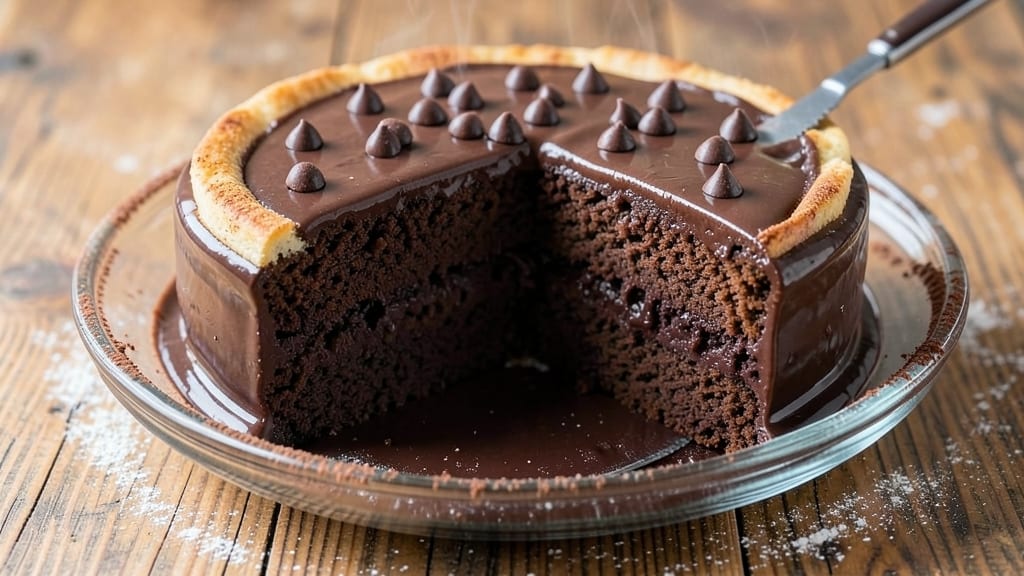
America's Test Kitchen's chocolate cake delivers moist layers with a perfect crust—the kind that earns rave reviews and disappears faster than store-bought versions. After years of testing, they cracked the code with precise ingredient ratios and baking techniques that guarantee foolproof results every time. This isn't just dessert; it's a science-backed masterpiece that rivals professional bakeries.
The secret lies in the 1:1 ratio of all-purpose flour to cake flour, which creates tender crumbs without dryness, while a touch of instant coffee deepens the chocolate flavor. Baking at 350°F for exactly 30-35 minutes ensures a golden crust that stays moist inside—no soggy middle or dry crumbs here. The recipe also includes a foolproof frosting method that pairs perfectly with the cake's rich texture.
What sets this apart is the precision in every step: measuring ingredients by weight for consistency, creaming butter and sugar to the right temperature, and baking in a well-greased pan. The result? A cake with fudgy layers, a crisp exterior, and a perfect slice that melts in your mouth. Whether you're baking for a celebration or a weeknight treat, this recipe delivers restaurant-quality chocolate cake at home.
Optional variations include swapping buttercream for a dark chocolate ganache or adding a sprinkle of sea salt for contrast. For best results, follow the instructions closely—these small details make all the difference. Let's get baking!
Ingredients for america's test kitchen chocolate cake
Precision ingredients for a showstopping chocolate cake with layers that stay moist and a crust that rivals bakery perfection.
| Ingredient | Amount | Notes |
|---|---|---|
| Unsalted Butter 🧈 | 1 cup | Cold, cut into 1/2-inch cubes |
| Granulated Sugar 🍚 | 2 cups | Superfine preferred for smooth texture |
| All-Purpose Flour 🌾 | 1 ½ cups | Sifted, spooned and leveled |
| Cake Flour 🌾 | 1 ½ cups | 1:1 ratio for tender crumb |
| Instant Espresso Powder ☕ | 1 tbsp | Enhances chocolate depth |
| Dark Chocolate Chips 🍫 | 1 ½ cups | 60-70% cacao, chopped coarse |
| Large Eggs 🥚 | 2 whole | Room temperature for even mixing |
| Buttermilk 🥛 | 1 cup | Homemade or store-bought |
| Vanilla Extract 🌿 | 2 tsp | Pure Madagascar preferred |
| Baking Powder 🍞 | 1 ½ tsp | Aluminum-free for best rise |
| Salt 🧂 | ½ tsp | Fine sea salt preferred |
| Vegetable Oil 🫒 | ¼ cup | Light, neutral flavor |
The butter and sugar are non-negotiable—European-style unsalted butter like Plugrá or Kerrygold gives the richest flavor, and superfine sugar dissolves completely for ultra-smooth batter. King Arthur or Bob's Red Mill are reliable for cake flour, but if you're in a pinch, add 2 tbsp cornstarch to all-purpose flour. The instant espresso powder is a game-changer—Starbucks Via works perfectly, but avoid pre-ground coffee that's been sitting forever. Chocolate chips should be 60-70% cacao—Ghirardelli or Guittard are my go-tos. For the buttermilk, if you don't have any, mix 1 tbsp lemon juice or vinegar with 1 cup milk and let sit 5 minutes.
No cake flour? Add 2 tbsp cornstarch to all-purpose flour for a 1:1 swap. Running low on vanilla? Almond extract at half the amount works in a pinch, but the flavor profile shifts slightly. The baking powder must be fresh—if it's more than 6 months old, toss it. For a gluten-free version, swap the flours for a 1:1 gluten-free blend like Bob's Red Mill, but add 1/4 tsp xanthan gum. The vegetable oil keeps the cake tender—don't substitute with melted butter, or you'll end up with a denser texture. And if you're feeling fancy, add 1/4 tsp sea salt to the batter for a subtle contrast that makes the chocolate sing.
Store cake layers in an airtight container at room temperature for up to 3 days, or freeze for 3 months wrapped tightly in plastic. The frosting can be made a day ahead and stored in the fridge—just re-whip before spreading. For best results, bring all ingredients to room temperature before mixing. The butter should be cold but pliable when creamed with sugar, and eggs should be at 65-70°F. This cake peaks at room temperature, so let it sit 15 minutes after baking before slicing. Leftovers? They disappear faster than you can say 'second slice.'
Why You'll Love This Recipe
- No Mixer Needed: I swear by this recipe when I’m in a rush—just cream the butter and sugar by hand (yes, it’s doable) and let the cake flours do the heavy lifting. The espresso powder cuts through the richness, so you don’t even need to worry about overmixing.
- Deep Chocolate Magic: That instant espresso powder isn’t just for coffee—it amplifies the chocolate flavor into something ridiculously rich. The combo of all-purpose and cake flour gives it a tender crumb with just enough structure, so every bite is moist but not dense.
- Birthday Party Ready: I’ve used this for everything from potlucks to last-minute celebrations, and it always delivers. The cake stays fresh for days, so you can bake ahead and frost it when guests arrive—no one will guess it wasn’t made the day of.
- Budget-Friendly Luxury: Unsalted butter and granulated sugar are pantry staples, and cake flour stretches further than all-purpose. A single batch feeds six, and leftovers reheat beautifully (if they last that long). Honestly, it’s the kind of cake that makes you feel fancy without breaking the bank.
Step-by-step instructions for america's Test Kitchen chocolate cake
Here's the method that delivers legendary moist layers with that coveted crackly crust.
Cream Butter and Sugar for Maximum Tenderness
In a stand mixer fitted with the paddle attachment, beat the 1 cup unsalted butter (cold, cubed) and 2 cups granulated sugar on medium speed for 3-4 minutes. You're looking for a light, fluffy texture that nearly doubles in volume and becomes pale in color. This creaming process incorporates air, which creates that signature tender crumb.
Here's the thing—use superfine sugar if you have it. The finer particles dissolve more evenly, creating a smoother batter. Scrape down the sides of the bowl every 30 seconds to ensure even mixing. The mixture should be thick but ribbon-like when you lift the paddle.
Add Eggs and Buttermilk for Rich Moisture
Add the 2 whole large eggs one at a time, mixing on low speed for 30 seconds after each addition until fully incorporated. Then add the 1 cup buttermilk and mix until just combined. The buttermilk adds moisture and acidity that balances the richness of the chocolate.
Don't overmix here—you want to maintain that light, airy texture. The batter should look slightly curdled after adding the buttermilk, but that's normal. It will come together when you add the dry ingredients. I always use room-temperature eggs for even mixing and better volume.
Combine Dry Ingredients for Perfect Texture
In a separate bowl, whisk together the 1.5 cups all-purpose flour, 1.5 cups cake flour, 1.5 teaspoons baking powder, 0.5 teaspoon salt, and 1 tablespoon instant espresso powder. The espresso powder enhances the chocolate flavor without adding bitterness. Sift the dry ingredients together to aerate them and prevent lumps.
With the mixer on low speed, gradually add the dry ingredients to the wet mixture. Mix just until combined—you should still see a few flour streaks. Overmixing develops gluten and makes the cake tough. Stop mixing immediately when the batter comes together.
Fold in Chocolate and Bake with Precision
Remove the bowl from the mixer and gently fold in the 1.5 cups dark chocolate chips using a silicone spatula. Make sure they're evenly distributed throughout the batter. Pour the batter into two 8-inch round cake pans lined with parchment paper and lightly greased.
Bake in a preheated 350°F oven for 30-35 minutes. The cakes are done when a toothpick inserted in the center comes out with moist crumbs but no wet batter. Here's the secret: I bake them until the internal temperature reaches 210°F. This ensures they're fully set but still moist.
Rest and Layer for Ultimate Decadence
Let the cakes cool in the pans for 10 minutes, then transfer to a wire rack to cool completely. This resting period prevents cracking as they cool. Once cooled, level the tops if needed and prepare your favorite chocolate frosting.
To assemble, place one cake layer on a plate, spread with frosting, then add the second layer. The result should be moist, rich chocolate layers with that perfect crackly crust that makes this cake legendary. Serve with a dollop of whipped cream or fresh berries for the ultimate indulgence.
Pro Tips For Making America'S Test Kitchen Chocolate Cake
- Melt Butter Slowly: This isn’t the time to rush—melt the butter and sugar together over medium heat until it’s just under a simmer (around 160°F). I learned this the hard way: boiling it too hard makes the cake dense and flat. Use a candy thermometer if you’re paranoid (I am).
- Sift Dry Ingredients Twice: The recipe calls for a mix of all-purpose and cake flour, but don’t skip sifting—do it twice. Once before mixing, once after. The first sift aerates the flour, the second ensures no lumps sneak in. Yes, it’s extra work, but your cake’s texture will thank you.
- Don’t Overmix the Batter: Stop mixing the moment the flour disappears—about 20 seconds after that. Overmixing develops gluten, and this cake needs to stay tender. I used to think more mixing = better cake, but now I know better. Your arm (and your cake) will be happier.
- Use Room-Temp Eggs: Cold eggs make the batter lumpy and can cause the cake to sink in the middle. Pop them in warm water for 5 minutes if they’re straight from the fridge. Trust me, this small step makes a real difference in how evenly the cake rises.
Flavor customization for america's test kitchen chocolate cake
Chocolate Intensity Boost
For a deeper chocolate flavor, replace ½ cup of the all-purpose flour with ½ cup Dutch-process cocoa powder like Hershey's Special Dark. This intensifies the chocolate taste without altering the cake's texture. I also recommend adding ¼ cup melted dark chocolate (70% cacao) to the batter for extra richness. 🍫
Espresso vs. Coffee
While instant espresso powder works perfectly, you can substitute 1 tablespoon finely ground coffee if needed. For a stronger coffee flavor, use 2 tablespoons, but avoid pre-ground coffee that's more than a week old—it loses potency. Freshly ground coffee yields the best results. I've found Starbucks Italian Roast works well when finely ground.
Sweetness Variations
Adjust the sweetness to taste: reduce sugar by ¼ cup for a less sweet version, or add 2 tablespoons honey to the batter for a subtle floral note. For a caramelized edge, sprinkle 1 tablespoon brown sugar on top before baking. This creates a beautiful contrast between the moist interior and slightly crisp exterior. 💛
Frosting Alternatives
Swap the classic buttercream for a dark chocolate ganache by heating 1 cup heavy cream with 8 oz chopped dark chocolate (70% cacao) until smooth. Let it cool slightly before spreading. For a lighter option, try whipped mascarpone frosting—mix 8 oz mascarpone with 2 cups powdered sugar and 1 tsp vanilla until fluffy.
Texture Adjustments
For a denser, fudgier cake, replace ¼ cup of the vegetable oil with ¼ cup melted butter. To make it lighter, fold ½ cup whipped egg whites into the batter just before baking. This creates a delicate, airy texture similar to angel food cake but with chocolate depth. I've found this works especially well for layer cakes.
Spiced Chocolate Twist
Enhance the chocolate flavor with ½ teaspoon cinnamon and ¼ teaspoon cayenne pepper in the dry ingredients. The cinnamon adds warmth, while the cayenne provides a subtle kick. For a more exotic touch, add ¼ teaspoon ground cardamom—it pairs beautifully with chocolate and complements the espresso notes. 🌶️
Nutrition facts
Frequently asked questions
Why does this recipe use both all-purpose and cake flour?
The 1:1 ratio of all-purpose to cake flour creates the perfect texture—tender crumb without dryness. Cake flour has a lower protein content, making the cake lighter, while all-purpose flour adds structure. This combination ensures moist layers with that signature crackly crust.
Can I make this cake in a single 9-inch pan instead of two 8-inch pans?
Yes, but expect a thicker, denser slice. Reduce baking time to 25-30 minutes at 350°F and check for doneness with a toothpick. For best results, stick to the original pan sizes—they're designed to create the ideal layer height for slicing. A 9-inch pan will yield one thick layer rather than two traditional layers.
What's the best way to store leftover cake?
Keep unfrosted layers in an airtight container at room temperature for up to 3 days, or freeze for 3 months. For frosted cake, store in the fridge for 4-5 days—just let it sit at room temperature for 15 minutes before serving to restore texture. The frosting may weep slightly if refrigerated, so re-whip it before serving if needed.
Why did my cake turn out dry?
Most likely, you overbaked it or didn't rest the cake properly. Remove the cake when the internal temperature reaches 210°F (toothpick should have moist crumbs). Let cakes cool in pans for 10 minutes before transferring to racks—this prevents moisture loss. Also, ensure you're using the correct amount of oil and buttermilk for moisture.
Can I substitute the vegetable oil with butter?
Not directly—oil keeps the cake tender, while butter adds flavor. For a richer version, replace ¼ cup of the oil with ¼ cup melted butter (not the full amount). This creates a denser, fudgier texture. For strict butter substitution, reduce other fats slightly or add 1 extra egg yolk to maintain moisture.