
Desserts
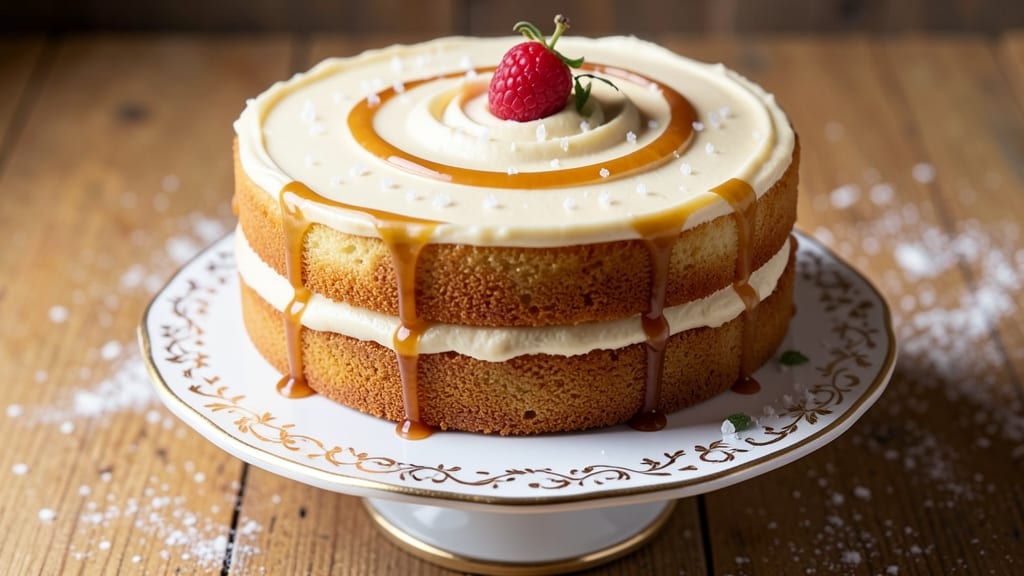
This American butter cake recipe delivers the classic comfort of fluffy vanilla layers topped with a buttery crunch that's been a Southern staple for generations. The secret lies in precise ingredient ratios—rich butter, pure vanilla, and just the right amount of leavening—to create that signature tender crumb and moist texture that keeps slices perfect for days. I've perfected this version through years of baking, ensuring every batch turns out with clean layers and that signature caramelized top.
The cake's magic starts with a simple yet effective mixing method: creaming butter and sugar until light and fluffy, then alternating with eggs and dry ingredients. Baking at 350°F ensures even cooking without over-browning, while the buttery crumb topping adds both texture and flavor. This isn't just dessert—it's a celebration of classic American baking at its finest, with a simplicity that makes it perfect for any occasion.
What you'll end up with is a cake that's moist yet light, with layers that separate cleanly and a topping that's crisp enough to hold its shape but tender enough to melt slightly with each bite. The vanilla infusion throughout ensures every slice tastes like a homecoming, while the buttery crunch provides that satisfying contrast that makes this cake legendary. It's the kind of dessert that disappears quickly but leaves memories lasting much longer.
Whether you're baking for a family gathering or simply treating yourself, this recipe delivers restaurant-quality results with minimal fuss. The beauty of this butter cake lies in its balance—rich enough to satisfy cravings but light enough to enjoy without guilt. Let's get started on creating a classic that's been loved for decades.
Ingredients for american butter cake
Rich butter, precise vanilla, and tender layers—this is the classic American butter cake you'll want to bake again.
| Ingredient | Amount | Notes |
|---|---|---|
| Unsalted Butter 🧈 | 2 cups | Cold, cubed for creaming |
| Granulated Sugar 🍚 | 2 ½ cups | Superfine preferred for smoothness |
| Large Eggs 🥚 | 4 whole | Room temperature for even mixing |
| All-Purpose Flour 🌾 | 3 cups | Sifted, spooned lightly |
| Pure Vanilla Extract 🌿 | 2 tsp | High-quality, Madagascar preferred |
| Baking Powder 🧂 | 1 ½ tsp | Aluminum-free for best rise |
| Salt 🧂 | ½ tsp | Fine sea salt preferred |
| Milk 🥛 | 1 cup | Room temperature, whole preferred |
| Powdered Sugar 🍚 | 1 cup | For dusting layers |
| Crushed Vanilla Wafers 🍪 | 1 ½ cups | For crumb topping base |
| Melted Butter 🧈 | ½ cup | For crumb topping binding |
| Brown Sugar 🍚 | ¼ cup | Packed, for caramelized flavor |
The butter is non-negotiable here. European-style unsalted butter like Plugrá or Land O'Lakes gives that signature richness, but any good-quality brand will work. Keep it cold when creaming with sugar—this creates air pockets for that signature light texture. For the vanilla, Madagascar bourbon extract adds depth that imitation can't match. If you're using supermarket vanilla, grab the highest-quality bottle—it makes a difference. The flour should be sifted to avoid dense layers, and King Arthur or Gold Medal are reliable brands for consistent results.
No vanilla extract? Vanilla bean paste works in a pinch, or a scraped vanilla bean plus a splash of vodka. Running short on milk? Heavy cream thinned with water keeps the moisture. For the crumb topping, graham crackers crushed into fine crumbs add a deeper flavor, though vanilla wafers are traditional. The brown sugar should be packed—don't scoop it. If you can't find it, mix white sugar with 1 tsp molasses per cup for color and flavor. And for the love of baking, don't skip the baking powder—it's what makes those layers fluffy.
Store baked layers wrapped in plastic between parchment paper for 3 days at room temperature, or freeze for 3 months. The crumb topping stays crisp for 2 days if kept in an airtight container. For best results, assemble the cake 24 hours before serving—this lets the flavors meld and the layers set properly. Prep ahead by making the crumb topping mix and refrigerating it; just bake it fresh before assembling. This cake improves with age, so make a double batch—it won't last.
Why You'll Love This Recipe
- Just Five Ingredients: I swear, this cake is the definition of "less is more." Butter, sugar, eggs, flour, and vanilla—that’s it. No weird substitutions, no hunting for obscure spices. The simplicity means fewer mistakes, and honestly? The flavor still packs a punch.
- Rich Vanilla Hug: That pure vanilla extract isn’t just flavor—it’s the soul of this cake. Creamy, buttery, and with a warmth that lingers. I’ll be real: I’ve tried cutting corners with imitation vanilla, and this cake will call you out if you do.
- Leftovers? No Problem: This cake stays moist for days, which means I can bake one on Sunday and enjoy slices all week. No sad, dried-out crumbs here—just that perfect tender crumb that tastes just as good cold as it does warm. (Yes, even on a Tuesday night.)
- Budget-Friendly Luxury: Butter cake feels fancy, but it’s actually my go-to when I want to impress without breaking the bank. A stick of butter, a bag of sugar, a carton of eggs—it’s the kind of treat that makes you feel special without draining your wallet. Plus, it’s foolproof enough that even my first attempt turned out decent.
Step-by-step instructions for vanilla-infused butter cake
Here's how to create layers of moist vanilla cake with a signature crunchy topping.
Cream Butter and Sugar for Maximum Fluffiness
In a stand mixer fitted with the paddle attachment, beat the 2 cups unsalted butter (cold, cubed) and 2.5 cups granulated sugar on medium speed for 3-4 minutes. You're looking for a light, pale, and fluffy mixture that nearly doubles in volume. This creaming process incorporates air, which creates that signature tender crumb.
I like to scrape down the sides of the bowl with a rubber spatula every minute to ensure even mixing. The butter should be completely creamed with no visible sugar granules remaining. If you're using room-temperature butter, let it sit for 30 minutes first—this makes creaming much easier. The texture should resemble whipped cream rather than a thick paste.
Add Eggs and Vanilla for Rich Flavor
Add the 4 whole large eggs one at a time, mixing on low speed for 30 seconds after each addition. Then add the 2 teaspoons pure vanilla extract and mix for another 20 seconds. The mixture will look slightly curdled at first, but don't worry—it will come together when we add the dry ingredients.
I always use high-quality Madagascar vanilla extract here. It adds depth of flavor that regular vanilla can't match. The eggs should be at room temperature for even mixing and better cake texture. If they're cold, warm them slightly by placing the eggs in warm water for 5 minutes before using.
Combine Dry Ingredients and Milk
In a separate bowl, whisk together the 3 cups all-purpose flour, 1.5 teaspoons baking powder, and 0.5 teaspoon salt. Then add the 1 cup milk and mix until just combined. The mixture should be smooth with no lumps, but don't overmix—just until the flour is fully incorporated.
With the mixer on low speed, gradually add the dry mixture to the wet ingredients in three additions. Mix just until combined after each addition—overmixing develops gluten and can make the cake tough. The batter should be smooth and slightly thick, similar to pancake batter. If it's too thick, add an extra tablespoon of milk.
Prepare the Crumb Topping
While the cake batter rests, prepare the crumb topping by combining the 1.5 cups crushed vanilla wafers, 0.5 cup melted butter, 0.25 cup packed brown sugar, and 1 teaspoon vanilla extract in a bowl. Mix until the crumbs are evenly coated and the mixture resembles wet sand.
This topping is what gives the American butter cake its signature texture contrast. The crushed vanilla wafers provide a buttery crunch that balances the soft cake layers. Press half of this mixture into a 9-inch round cake pan to create the first layer. The remaining topping will be used after the second cake layer is baked.
Bake the Cake Layers
Divide the batter evenly between two 9-inch round cake pans lined with parchment paper. Bake at 350°F for 25-30 minutes or until a toothpick inserted in the center comes out clean. The cakes should be golden brown on top and spring back when gently pressed in the center.
I always rotate the pans halfway through baking for even browning. As soon as they're done, remove from the oven and let cool in the pans for 10 minutes. Then transfer to a wire rack to cool completely. This cooling step is crucial—it prevents the layers from becoming soggy when assembling the cake.
Assemble the Cake
Once completely cool, level the tops of the cake layers if needed. Place the first layer on a cake stand or plate and spread a thin layer of vanilla buttercream (made from the remaining 1 cup powdered sugar and 2 tablespoons softened butter) on top. Add the second layer and press gently.
Spread the remaining vanilla buttercream over the entire cake, then press the remaining crumb topping evenly over the top and sides. Chill the cake in the refrigerator for at least 2 hours before serving. This chilling time allows the flavors to meld and the crumb topping to set properly, creating that perfect balance of textures.
Pro Tips For Making American Butter Cake
- CREAM BUTTER UNTIL PALE: I learned this the hard way—skipping this step makes your cake dense and greasy. Beat the softened butter and sugar together until they’re light, fluffy, and pale yellow (about 3-5 minutes with a stand mixer). The air you incorporate here is what gives butter cake its signature tender crumb.
- USE ROOM-TEMP EVERYTHING: Cold eggs and butter are the enemy of even mixing. Take your eggs out of the fridge 30 minutes before baking, and let the butter sit in a warm spot (like the oven with the light on) until it’s soft but not melted—it should dent easily when pressed. Cold ingredients = lumpy batter.
- DON’T OVERMIX THE BATTER: Once you add the flour, stop mixing the second it’s just combined. Overworking the batter develops gluten, which turns your cake into a tough, chewy brick instead of a melt-in-your-mouth delight. Use a spatula to gently fold in the dry ingredients—just until no streaks remain.
- BAKE UNTIL THE CENTER SPRINGS BACK: The cake’s done when it pulls away from the pan edges and a toothpick comes out clean or with a few moist crumbs (not wet batter). If you pull it out too soon, it’ll sink in the middle as it cools. Let it cool in the pan for 10 minutes first—this keeps it from collapsing.
Regional styles of this american butter cake
Southern Classic Style
This version keeps the cake's signature buttery richness while adding a touch of Southern charm. Use 1 cup powdered sugar for the crumb topping instead of brown sugar, and fold in ½ cup chopped pecans for a nutty crunch. Many Southern bakers also add 1 teaspoon lemon zest to the cake batter for brightness. Serve with whipped cream and fresh berries for a true Southern dessert experience. 🍓
Midwest Homestyle
The Midwest version often includes a ½ cup chopped walnuts mixed into the crumb topping for texture, along with an extra ½ teaspoon cinnamon in the cake batter. This variation is popular at family gatherings and often served with vanilla ice cream. The key here is to bake the cake layers slightly smaller (8-inch pans) for thicker slices that are perfect for sharing. 🥛
New England Twist
New England bakers often replace vanilla wafers with graham crackers for the crumb topping, adding 1 teaspoon maple syrup to the mixture. The cake batter gets a subtle boost of ½ teaspoon nutmeg, giving it a warm, spiced flavor that pairs beautifully with apple compote or caramel sauce. This version is especially popular during autumn holidays. 🍁
Texas-Style Butter Cake
In Texas, the butter cake often features a ½ cup chopped pecans in the crumb topping and a generous drizzle of honey buttercream between layers. The cake batter sometimes includes 1 teaspoon orange zest for a citrusy twist. This version is a staple at Texas barbecues and often served with a scoop of vanilla bean ice cream. 🌶️
Modern Fusion Version
For a contemporary take, try swapping vanilla wafers for crushed ladyfingers in the crumb topping and adding 1 tablespoon espresso powder to the cake batter for depth. Top with a layer of dark chocolate ganache and sprinkle with flaky sea salt. This fusion version keeps the classic texture while offering a sophisticated twist. Perfect for dessert menus at modern bakeries. ✨
Nutrition facts
Frequently asked questions
Why does this butter cake need to rest before slicing?
Resting allows the layers to fully set and prevents them from collapsing when you cut into them. After baking, the cake continues to cook slightly from residual heat. Letting it cool completely (at least 1 hour) and then chilling for 2 hours ensures clean layers and that perfect crumb texture you crave. Patience here makes all the difference!
Can I make this cake in a single layer instead of two?
Simply use a 9x13-inch pan and bake for 30-35 minutes at 350°F. The crumb topping recipe stays the same, but spread it evenly over the top after baking. This works great for sheet cakes or when you need a quick dessert for a crowd.
What's the secret to keeping the crumb topping crisp?
Press the topping firmly into the cake and chill for at least 2 hours before serving. The butter in the topping needs time to set. For extra crunch, bake the topping separately for 5 minutes at 350°F before pressing it onto the cake.
Can I substitute the vanilla wafers in the crumb topping?
Yes! Try graham crackers, shortbread cookies, or even crushed cornflakes for a different texture. The key is to keep the same ratio of 1.5 cups crushed base to maintain the topping's structure. Just adjust the butter and sugar slightly if needed.
How do I fix a sunken middle in my cake layers?
This usually happens from overmixing or opening the oven too soon. Next time, mix just until combined and avoid opening the oven during the first 20 minutes of baking. If it happens, try baking at 325°F for 5 minutes longer next time—lower heat helps prevent sinking.