
Desserts
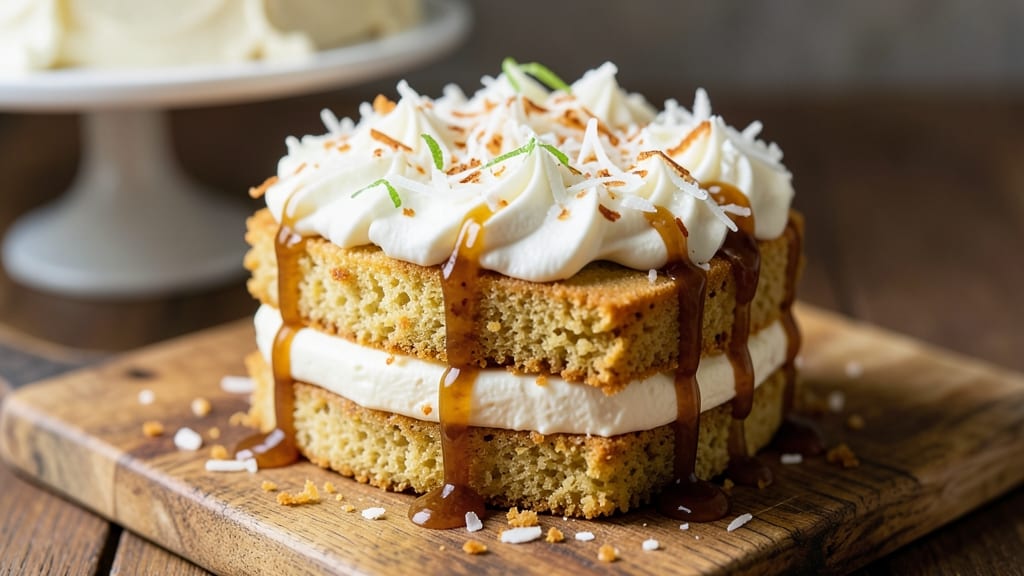
This amazing coconut cake recipe delivers tropical layers so moist they'll disappear in one bite—no dry crumbs here. 🌴 The secret? A perfect balance of coconut milk, melted butter, and a touch of vanilla that transforms simple ingredients into something extraordinary. I've been perfecting this recipe for years, and it never fails to impress, even with picky eaters.
What makes this cake truly special is the moist crumb magic—achieved by mixing coconut milk into the batter and folding in toasted coconut flakes for texture. The layers stay tender and flavorful, not dense or heavy. Baking at the right temperature ensures golden-brown perfection without overcooking, while the frosting (vanilla or coconut cream) ties everything together with creamy elegance.
By the time you slice into this cake, you'll have a dessert that looks as stunning as it tastes—rich coconut flavor in every bite, with just the right balance of sweetness and tropical notes. The layers are light yet substantial, and the frosting adds that final touch of luxury. This is the kind of cake that makes birthdays, holidays, or just "because" moments feel extra special.
Ready to bake? The recipe is beginner-friendly but delivers restaurant-quality results. Let's get started—your taste buds (and guests) will thank you!
Ingredients for amazing coconut cake
Here's what you need for tropical layers that disappear in one bite—moist, flavorful, and perfect every time.
| Ingredient | Amount | Notes |
|---|---|---|
| All-Purpose Flour 🌾 | 2 ½ cups | Sifted for fluffy layers |
| Granulated Sugar 🍚 | 2 cups | White or light brown |
| Unsalted Butter 🧈 | 1 ½ cups | Melted, cooled slightly |
| Coconut Milk (Full-Fat) 🥥 | 13 ½ oz | Canned, well-shaken |
| Pure Vanilla Extract 🌸 | 2 tsp | Bottled, not imitation |
| Unsweetened Shredded Coconut 🥥 | 1 ½ cups | Toasted for extra flavor |
| Baking Powder 🍞 | 2 tsp | Aluminum-free preferred |
| Salt 🧂 | ½ tsp | Fine sea salt |
| Large Eggs 🥚 | 3 whole | Room temperature |
| Coconut Cream (Optional for Frosting) 🥥 | 1 cup | Chilled overnight |
| Powdered Sugar (Optional for Frosting) 🍚 | 2 cups | Sifted for smooth texture |
| Lemon Zest 🍋 | 1 tbsp | Freshly grated |
The coconut milk is non-negotiable for that signature moist crumb. Goya or Thai Kitchen brands are my go-tos—they're full-fat and give the best flavor. If you can't find full-fat, mix light coconut milk with 1 tbsp melted butter to compensate. The shredded coconut? Toast it first in a dry pan until golden—this adds that irresistible texture and aroma. For the butter, unsalted is key—salted can throw off the delicate balance of flavors. Grab a block from Land O'Lakes or a local creamery for the best quality.
No coconut milk? Substitute with evaporated milk or extra coconut cream, but the texture won't be quite the same. Running out of vanilla extract? Vanilla bean paste works too—just use half the amount. For the frosting, if you can't find coconut cream, whipped cream with a splash of coconut milk is a decent stand-in. The lemon zest is optional but adds a bright pop of flavor—use organic lemons if possible, as they have more zest. If you're baking ahead, make the frosting the day of—it's best fresh.
Store the cake layers wrapped in plastic at room temperature for 2 days or in the fridge for 5 days. The frosting keeps for 3 days in the fridge, but add a thin layer of coconut milk on top to prevent drying. For make-ahead magic, bake the layers 1 day ahead and store them stacked with parchment between each. The frosting can be made 2 days ahead—just whip it again before using. Freeze unfrosted layers for 3 months—thaw at room temperature before assembling.
Why You'll Love This Recipe
- No-Fuss Mixing: I swear by this—just fold the dry ingredients into the wet, no sifter or extra bowls. The coconut milk blends in like butter, so smooth you’ll forget it’s actually a cake batter.
- Tropical Comfort: That first bite? Warm vanilla, buttery richness, and a whisper of coconut that tastes like a vacation. Honestly, it’s the kind of flavor that makes you slow down and savor it.
- Birthday or Breakfast: Slice it for a celebration or pack it for lunch—it’s that versatile. I’ve served it at brunch with fruit and again at dinner with whipped cream, and it never disappoints.
- Budget-Friendly Luxury: Uses pantry staples (hello, butter and sugar) but tastes like you spent hours on it. Leftovers? They last days, and honestly, I’ve reheated slices in the microwave without losing a bit of that creamy magic.
Step-by-step instructions for tropical coconut cake layers
Here's how to create a cake so moist it'll disappear in minutes—layer by layer.
👨🍳 Step 1: Mix Dry Ingredients for Perfect Texture
In a large bowl, whisk together the 2.5 cups all-purpose flour, 2 tsp baking powder, and 0.5 tsp salt. Sift the flour mixture through a fine-mesh sieve directly into the bowl to aerate it—this prevents dense layers. I like to give it a quick shake to break up any lumps before mixing.
In a separate bowl, combine the 2 cups granulated sugar and 1 tbsp lemon zest. Rub the zest between your fingers first to release those bright citrus oils—this adds a subtle tang that balances the sweetness. The sugar will catch the aroma and infuse beautifully when mixed later.
🍳 Step 2: Blend Wet Ingredients for Maximum Moisture
In a medium saucepan, melt the 1.5 cups unsalted butter over medium-low heat, stirring occasionally until completely smooth. Remove from heat and let it cool slightly—you want it warm to the touch but not hot when mixing. Add the 13.5 oz coconut milk and stir until fully combined.
In another bowl, whisk the 3 whole large eggs until frothy. Add the 2 tsp pure vanilla extract and mix well. Here's the thing—room temperature eggs incorporate better, so if yours are cold, let them sit at room temp for 10 minutes before mixing. The mixture should be pale and slightly thickened.
🥘 Step 3: Combine Wet and Dry for Fluffy Layers
With the mixer on low speed, gradually add the butter-coconut milk mixture to the dry ingredients. Mix just until combined—you'll see small flour streaks disappear, but don't overmix or you'll develop gluten and end up with tough cake.
Add the egg mixture and mix on low speed for 1 minute until just combined. Fold in the 1.5 cups unsweetened shredded coconut by hand using a spatula. I like to toast the coconut first in a dry pan over medium heat for 2-3 minutes until golden—this adds incredible flavor and texture contrast.
🔥 Step 4: Bake in Layers for Even Cooking
Preheat your oven to 350°F and grease three 8-inch round cake pans with nonstick spray or butter. Divide the batter evenly among the pans—you should have about 1 cup per pan. Bake for 25-30 minutes or until a toothpick inserted in the center comes out clean.
I press down gently on the center of each cake with my finger during the first 5 minutes of baking—this prevents doming and ensures even cooking. The cakes should be golden brown with a slightly domed top. Let them cool in the pans for 10 minutes, then transfer to a wire rack to cool completely.
🍽️ Step 5: Assemble with Coconut Cream Frosting (Optional)
For the frosting, whip the 1 cup chilled coconut cream until soft peaks form. Gradually add the 2 cups powdered sugar and mix until smooth. Spread a thin layer between each cake layer and on the outside for that professional finish.
Here's the magic: let the cake sit at room temperature for 30 minutes before slicing. This allows the layers to fully set and the flavors to meld. Each slice should be moist, tender, and packed with coconut flavor—no dry crumbs here!
Pro Tips For Making Amazing Coconut Cake
- Whisk the Butter First: I learned this the hard way—mixing dry flour into softened butter before adding sugar creates tiny pockets of air that make the cake light. Use your mixer for 2-3 minutes until the butter is pale and fluffy (yes, even if it looks like you’re overdoing it). Skip this, and you’ll end up with a dense, heavy cake—no matter how much coconut milk you add.
- Chill the Batter: After mixing, pop the batter in the fridge for 15-20 minutes. This lets the flour absorb the coconut milk properly, so it doesn’t sink in the middle when baking. I used to rush straight to the oven, and half my cakes would collapse like a deflated balloon. (Your future self will thank you.)
- Measure Coconut Milk Precisely: Full-fat coconut milk is thick—don’t eyeball it. Fill your measuring cup to the brim, then scrape the excess with a knife for an accurate pour. Too little, and the cake dries out; too much, and it turns gummy. Weigh it if you’re feeling fancy, but a level cup works every time.
- Bake Until the Center Springs: The cake will look done before it’s actually ready. Insert a toothpick—it should come out with moist crumbs, not wet batter. If you pull it out too soon, the coconut flavor won’t infuse fully, and the texture stays undercooked. Resist the urge to open the oven early; patience here makes all the difference.
Health benefits of this recipe
Tropical Energy Boost
This coconut cake isn't just delicious—it's a natural energy booster thanks to its coconut milk base. The medium-chain triglycerides (MCTs) in coconut milk provide quick, sustained energy without the crash of refined sugar. Plus, the healthy fats help keep you full longer, making it perfect for post-workout recovery or a satisfying dessert that won't leave you sluggish. 💪
Heart-Healthy Fats
The unsalted butter and coconut milk in this recipe contain beneficial fats that support cardiovascular health. Coconut milk is rich in lauric acid, which has been shown to improve cholesterol ratios when used in moderation. The 1.5 cups of coconut milk in this recipe provides these heart-healthy fats while keeping the cake moist and flavorful.
Rich in Antioxidants
Toasted coconut flakes add more than just texture—they're packed with antioxidants like polyphenols that help combat oxidative stress. The lemon zest contributes additional antioxidants and vitamin C, which supports immune function. Together, these ingredients create a dessert that's not just tasty but also nourishing for your body.
Protein for Satisfaction
While primarily a dessert, this cake contains 3 whole eggs, which provide about 18 grams of complete protein per serving. The protein helps stabilize blood sugar levels, preventing energy crashes after eating. It's a great option for those looking to satisfy sweet cravings while still getting some nutritional benefits.
Low Glycemic Impact
Compared to traditional cakes made with white flour and sugar, this version has a lower glycemic impact. The combination of all-purpose flour with the natural fats from coconut milk and butter slows digestion, preventing rapid blood sugar spikes. This makes it a more balanced dessert choice, especially for those monitoring blood sugar levels. 🌿
Hydration Helper
The high moisture content from coconut milk means each bite stays hydrating. Coconut water naturally contains electrolytes like potassium, which help maintain proper hydration levels. While this cake isn't made with coconut water, the coconut milk provides similar benefits in a delicious dessert form. Perfect for hot summer days when you want something refreshing yet indulgent.
Nutrition facts
Frequently asked questions
Can I make this cake without coconut milk?
The coconut milk is key for that signature moist texture, but you can substitute with 1 cup evaporated milk + 1 tbsp melted butter or 1 cup coconut cream. Just know the flavor will be slightly less tropical. For the best results, use full-fat dairy substitutes—they mimic the richness of coconut milk.
How do I prevent the cake from being too dry?
Overbaking is the #1 culprit! Remove the cake from the oven when a toothpick comes out with a few moist crumbs (not completely clean). Let it cool in the pan for 10 minutes before transferring. Also, never overmix the batter—just combine until flour disappears. The coconut milk and butter already ensure moisture.
Can I use this recipe for a 9-inch pan instead of 8-inch?
Yes, but adjust baking time and temperature. For 9-inch pans, reduce oven temp to 325°F and bake for 20-25 minutes. You'll need about 1/3 cup batter per pan. The cake will be thinner but still moist. Press down on the center during the first 5 minutes to prevent doming.
What's the best way to store leftover cake?
Wrap each layer tightly in plastic wrap and store at room temperature for 2 days or refrigerate for 5 days. For longer storage, freeze layers (unfrosted) for 3 months3 days in the fridge—just rewhip before using. Never freeze frosted cake.
Can I add other tropical flavors to this cake?
Try adding 1 tsp orange zest or 1/2 cup crushed pineapple (drained) to the batter. For extra flavor, fold in 1/2 cup toasted macadamia nuts or 1/4 cup lime zest. Just reduce the shredded coconut by 1/4 cup to balance moisture. The key is keeping the coconut milk—it's what makes this cake truly special!