
Desserts
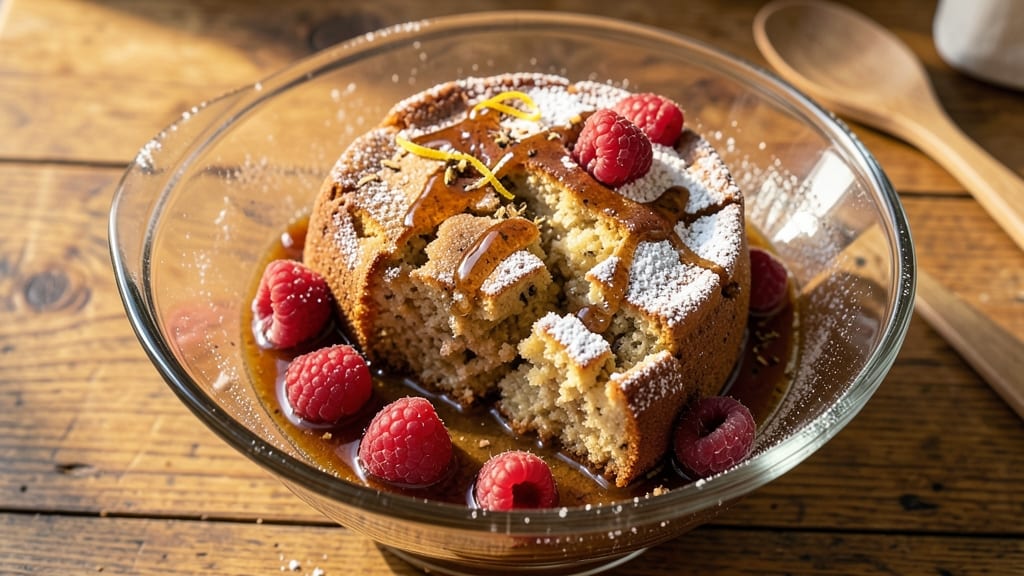
This Amaretto Sour Cake delivers layers of nutty crunch, citrus brightness, and just the right amount of boozy warmth—perfect for celebrating special occasions or treating yourself. The secret lies in balancing amaretto's almond richness with tangy lemon and a touch of vanilla, creating a texture that's moist yet tender with a subtle crunch from toasted almonds. I've perfected this recipe over years of baking, ensuring every slice delivers that signature amaretto-sour harmony without being overly sweet.
The cake's magic comes from a simple yet effective technique: folding amaretto into the batter while keeping the lemon zest and juice separate until the end. This preserves the citrus's freshness and prevents the cake from becoming too dense. A light powdered sugar dusting and optional lemon glaze elevate the presentation, making it look as impressive as it tastes. The result? A cake that's rich enough to satisfy dessert cravings but light enough to enjoy without feeling weighed down.
What sets this recipe apart is its versatility—serve it warm with a scoop of vanilla ice cream for a comforting treat or let it cool slightly for a more elegant presentation. The nutty crunch from toasted almonds adds texture that balances the cake's moisture, while the amaretto infuses every bite with its signature almond flavor. Whether you're hosting a dinner party or simply craving something indulgent, this cake delivers restaurant-quality results with minimal effort.
For an extra touch, drizzle a simple glaze made from powdered sugar and lemon juice over the top, or garnish with fresh berries to contrast the cake's warmth. The recipe scales easily, so you can adjust the size to fit any occasion. Let's get baking—this cake is sure to become a new favorite.
Ingredients for amaretto sour cake
Boozy, bright, and packed with nutty crunch—this cake needs just 13 ingredients for big flavor.
| Ingredient | Amount | Notes |
|---|---|---|
| All-Purpose Flour 🌾 | 2 ½ cups | Sifted for light texture |
| Granulated Sugar 🍚 | 1 ½ cups | White or light brown |
| Light Brown Sugar 🍚 | ½ cup | Packed for moisture |
| Unsalted Butter 🧈 | 1 cup | Room temperature, full-fat |
| Amaretto Liqueur 🍷 | ½ cup | High-quality, 25% ABV |
| Large Eggs 🥚 | 3 whole | Room temperature |
| Pure Vanilla Extract 🌿 | 1 tbsp | Bottled, not imitation |
| Fresh Lemon Juice 🍋 | ½ cup | Strained, no pulp |
| Lemon Zest 🍋 | 1 tbsp | Finely grated, organic |
| Baking Powder 🧂 | 2 tsp | Aluminum-free preferred |
| Salt 🧂 | ½ tsp | Fine sea salt |
| Toasted Sliced Almonds 🥜 | 1 cup | Lightly toasted, chopped |
| Powdered Sugar 🍚 | 1 cup | For dusting and glaze |
The amaretto is the soul here—Disaronno is my go-to, but any quality brand works. The almonds? Trader Joe's has pre-toasted slices, but if you're toasting your own, 3-4 minutes at 350°F keeps them from burning. For the butter, Plugrá or Land O'Lakes is fine, but trust me on the full-fat version. The lemon juice should be freshly squeezed—store-bought isn't the same. If you're using organic lemons, the zest will be more vibrant.
No amaretto? Substitute with 0.5 cup almond extract—it's less boozy but still delivers that nutty punch. Short on almonds? Pecans or walnuts work too, though the flavor shifts slightly. The baking powder is non-negotiable here—aluminum-free keeps the cake from tasting metallic. For the sugar, I use a mix of white and brown for texture, but all white sugar works in a pinch. The vanilla extract? Bottled is better than imitation—the flavor difference is noticeable.
This cake keeps 3-4 days at room temperature, wrapped tightly in plastic. For longer storage, freeze slices wrapped individually—they thaw in 10 minutes. The glaze? Mix 0.5 cup powdered sugar + 1 tbsp lemon juice and drizzle right before serving. I always make a double batch—half goes to guests, half stays for me. Trust me, it disappears fast.
Why You'll Love This Recipe
- One-Bowl Wonder: I swear by this recipe when I’m too tired to measure three separate dry ingredients. Just toss everything—the flour, sugars, melted butter, and amaretto—into one bowl, mix, then bake. No extra dishes, no fuss, and the cake still turns out moist and tender every time.
- Almond-Orange Magic: That amaretto isn’t just boozy—it’s the star. The almond notes from the liqueur pair perfectly with the buttery richness, while the brown sugar adds a caramel depth that makes each slice taste like a little dessert hug. Honestly, I’ve never met a cake that balances sweet, nutty, and citrusy this well.
- Weeknight or Weekend: Make it for a lazy Sunday brunch or a last-minute birthday surprise—this cake works for both. The rich flavor holds up in slices, so it’s great for gatherings where you don’t want to stress over a fresh bake. Plus, the frosting (if you add it) keeps well, so you can prep ahead without worrying.
- Budget-Friendly Indulgence: Here’s what sold me—this cake feels like a splurge but costs next to nothing. Amaretto adds luxury for pennies, and the pantry staples (flour, sugar, butter) mean no specialty shopping. I’ve made this for date nights, book club meetups, and even just because—I deserve cake, and so do you.
Step-by-step instructions for amaretto sour cake
Here's how to make this boozy, citrusy cake with layers of flavor and crunch.
Cream Butter and Sugars Together
In a large mixing bowl, combine the 1 cup unsalted butter and both sugars (1.5 cups granulated sugar and 0.5 cup light brown sugar). Beat with an electric mixer on medium speed until light and fluffy, about 3-5 minutes. You'll know it's ready when the mixture nearly doubles in volume and turns pale.
This step is all about incorporating air into the butter, which creates that light, airy texture we want. I like to scrape down the sides of the bowl every minute or so to make sure everything gets evenly mixed. If your butter isn't quite room temperature, give it a few more minutes—it should be soft enough to leave a slight indentation when pressed with your finger.
Add Wet Ingredients and Mix Thoroughly
Add the 3 whole large eggs, one at a time, mixing well after each addition. Then stir in the 0.5 cup amaretto liqueur, 1 tbsp pure vanilla extract, 0.5 cup fresh lemon juice, and 1 tbsp lemon zest. Mix until everything is fully combined and the batter looks smooth.
The amaretto brings that rich, nutty depth, while the lemon juice and zest give it that bright, tangy kick. I always use fresh lemon juice for the best flavor—it makes a noticeable difference compared to bottled juice. Mix just until combined here; overmixing can develop gluten in the flour we'll add next, making the cake tougher.
Combine Dry Ingredients and Fold Gently
In a separate bowl, whisk together the 2.5 cups all-purpose flour, 2 tsp baking powder, and 0.5 tsp salt. Gradually add this dry mixture to the wet ingredients, mixing on low speed just until combined. Be careful not to overmix—you should still see some small flour streaks in the batter.
Next, gently fold in the 1 cup toasted sliced almonds using a spatula. The almonds add that wonderful crunch that makes this cake special. I like to do this by hand to avoid breaking up the almonds too much. The batter will be thick but moist—this is perfect for creating that tender crumb we're after.
Bake in Layers for Perfect Texture
Preheat your oven to 350°F and grease two 9-inch round cake pans. Divide the batter evenly between the pans and smooth the tops. Bake for 25-30 minutes, or until a toothpick inserted into the center comes out clean. The edges should be golden brown, but don't overbake—the cake will continue cooking slightly as it cools.
While the cakes are baking, I like to make the amaretto glaze by whisking together 1 cup powdered sugar with 2-3 tablespoons of the amaretto liqueur until smooth. This glaze will add that final boozy touch and help keep the cake moist. Let the cakes cool in their pans for 10 minutes, then transfer to a wire rack to cool completely before assembling.
Assemble and Decorate
Once completely cooled, level the tops of the cakes if needed. Place one cake layer on a serving plate and spread a thin layer of amaretto glaze on top. Add the second layer and spread more glaze on top and around the sides. Press the 1 cup toasted sliced almonds into the sides for that beautiful crunchy texture.
Let the glaze set for about 15 minutes before serving. The cake will keep well in the refrigerator for up to 3 days, though I doubt it will last that long—this one's too delicious! The combination of the boozy amaretto, bright citrus, and nutty crunch makes every bite special.
Pro Tips For Making Amaretto Sour Cake
- Melt Butter Slowly: Don’t dump cold butter straight into the dry ingredients—that’s a surefire way to end up with a cake that’s tough as a boot. Warm the butter to just under 100°F (it should be soft but not liquid), then mix it with the sugars first. This creates a smoother batter and helps the amaretto distribute evenly without curdling.
- Measure Amaretto Precisely: That bottle of amaretto says "1 oz" but often means 1 liquid oz, not 1 oz by weight. For a balanced flavor, use 2 tablespoons (about 1 oz by weight) instead of guessing by volume. Too much, and your cake tastes like a boozy punch; too little, and you’ve wasted the good stuff.
- Don’t Overmix the Batter: I learned this the hard way—whipping the flour and butter mixture until it’s too smooth turns the cake dense and heavy. Mix just until the dry ingredients disappear, then stop. The amaretto’s alcohol needs room to evaporate during baking, not get trapped in a kneaded mess.
- Use Brown Sugar First: Brown sugar’s moisture and molasses content help tenderize the cake, but if you add it last, you’ll end up with streaks. Cream the butter with both sugars first, then fold in the amaretto and flour. This ensures even distribution and a cake that’s moist without being gummy. (Yes, even if you’re impatient like me.)
Common mistakes when making this recipe
Overmixing the Batter
This is my biggest pet peeve—overmixing develops gluten in the flour, making your cake dense and tough instead of light and tender. Once you've incorporated all the dry ingredients, stop mixing as soon as you see just a few small flour streaks remaining. I like to use a spatula for the final fold to avoid overworking the batter. The goal is a thick, moist consistency, not a smooth, stiff dough. 💫
Skipping Room-Temperature Ingredients
Cold butter or eggs can sabotage your cake's texture. Always let your butter sit out for 1-2 hours until it's soft but not melted. Eggs should be at room temperature too—just remove them from the fridge 30 minutes before baking. Cold ingredients create pockets that prevent even baking and can lead to a dense crumb.
Incorrect Oven Temperature
Your oven might run hotter or cooler than the marked temperature. Always preheat for at least 20 minutes and use an oven thermometer to confirm it's at 350°F. I've ruined cakes by relying on the oven's built-in thermostat—it's not always accurate. A properly calibrated oven ensures even baking and prevents dry edges or undercooked centers.
Underestimating the Almonds
Those toasted almonds aren't just decoration—they're essential for texture and flavor. Don't skip toasting them (even if using pre-toasted slices), as raw almonds will make your cake taste bitter. For homemade toasting, spread them on a baking sheet and toast at 350°F for 3-4 minutes until fragrant. Over-toasting burns them, while under-toasting leaves them bland.
Rushing the Cooling Process
I can't tell you how many times I've seen people try to slice cake layers straight from the oven. Always let cakes cool in their pans for 10 minutes, then transfer to a wire rack to cool completely before assembling. This prevents crumbling and ensures clean slices. Patience here makes all the difference in presentation and texture.
Ignoring the Glaze Timing
The amaretto glaze needs time to set properly. If you drizzle it too soon, it'll pool at the bottom instead of creating that elegant finish. Wait 15 minutes after assembling before serving. For extra shine, brush the sides with a little more amaretto before adding the glaze. This step transforms a good cake into a showstopper. ✨
Nutrition facts
Frequently asked questions
Can I make this cake without alcohol?
Yes! Replace the 0.5 cup amaretto with 0.5 cup almond extract for the nutty flavor or use 0.5 cup extra lemon juice + 1 tsp almond extract to maintain the sour profile. The cake will still taste delicious—just less boozy. For a neutral substitute, try 0.5 cup orange juice and add 1 tsp vanilla bean paste to enhance the flavor.
How do I store leftovers?
Wrap the cake tightly in plastic wrap and store at room temperature for 2-3 days. For longer storage, freeze slices individually in airtight containers for up to 3 months. Thaw at room temperature for 1-2 hours or microwave for 10-15 seconds to restore moisture. The glaze may soften slightly when reheated—just let it sit for 5 minutes before serving.
Can I use this recipe for cupcakes?
Reduce the batter by 25% and bake in a 350°F oven for 18-20 minutes in cupcake liners. Use a 1.5-inch depth liner to prevent overflow. For extra flair, top with a dollop of whipped cream and a dusting of powdered sugar. The smaller size makes it perfect for parties or individual servings.
Why does my cake taste bitter?
Bitter flavors usually come from raw or over-toasted almonds, or using low-quality amaretto. Always toast almonds at 350°F for 3-4 minutes until fragrant, not burnt. For amaretto, choose a high-quality brand like Disaronno—cheaper versions may contain additives. If the issue persists, reduce the amaretto to 0.3 cup and add 1 extra tbsp lemon juice to balance the flavors.
What’s the best way to serve this cake?
Pair it with a scoop of vanilla ice cream or a dollop of whipped cream to complement the boozy, citrusy flavors. For a grown-up touch, serve with a side of raspberry compote or a sprinkle of toasted coconut. The cake’s nutty crunch works beautifully with creamy textures, while the lemon glaze adds a refreshing contrast. Perfect for dessert parties or as an after-dinner treat!