
Desserts
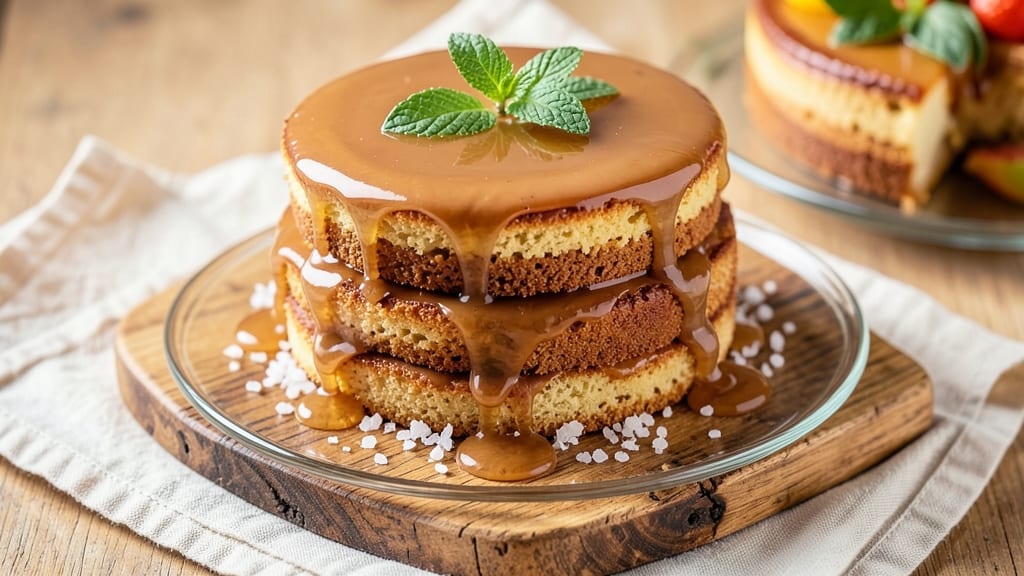
This amaretto cake glaze recipe transforms ordinary desserts into showstopping masterpieces with its rich, nutty depth and glossy finish. The secret lies in balancing amaretto's caramelized sweetness with butter and powdered sugar for a smooth, spreadable consistency that clings beautifully to cakes and cookies. I developed this glaze after years of testing—it's the perfect marriage of simplicity and sophistication for any baker.
The glaze comes together in just 10 minutes with minimal effort, requiring only four ingredients: amaretto liqueur, butter, powdered sugar, and a pinch of salt to enhance flavors. The key technique is gentle heating to dissolve the sugar completely, then cooling to achieve that signature glossy sheen. This version delivers a perfect balance between sweetness and the almond notes of amaretto, making it versatile for everything from layer cakes to individual cupcakes.
What sets this glaze apart is its ability to elevate even the simplest dessert into something extraordinary. The nutty aroma of amaretto infuses every bite, while the glossy finish adds a professional touch that's impossible to resist. Whether you're dressing a birthday cake or adding flair to holiday treats, this glaze brings restaurant-quality results to your home kitchen with minimal fuss.
For best results, apply the glaze when it's still slightly warm but fully set—this ensures even coverage and that coveted mirror-like finish. The glaze keeps well in the refrigerator for up to a week, making it perfect for meal prepping or gifting. Let's create this showstopping topping that will have everyone asking for the recipe.
Ingredients for amaretto cake glaze
Four ingredients transform your desserts into restaurant-quality masterpieces with nutty elegance.
| Ingredient | Amount | Notes |
|---|---|---|
| Amaretto Liqueur 🍷 | ½ cup | High-quality, 25-30% ABV preferred |
| Unsalted Butter 🧈 | ½ cup | Cut into small cubes for even melting |
| Powdered Sugar 🍚 | 3 cups | Sifted for smooth texture |
| Fine Sea Salt 🧂 | ¼ tsp | Enhances flavor balance |
The amaretto liqueur makes or breaks this glaze—Disaronno or Luxardo are my go-tos, but any quality brand with 25-30% ABV works. The butter? European-style (like Plugrá) melts more smoothly, but regular unsalted butter is fine. Powdered sugar needs to be sifted—no lumps allowed, or your glaze will look cloudy. I always grab Domino brand for its fine texture, but any quality powdered sugar works. The salt is crucial—Diamond Crystal is my preference for its fine grain, but any fine sea salt will do.
No amaretto? Almond extract plus a splash of vanilla gets you close, though it won't have the same depth. Butter substitutes? Coconut oil works in a pinch (use the same amount), but it won't have the same richness. Powdered sugar too expensive? Confectioners' sugar is the same thing—just check the label. The glaze needs to be smooth as silk, so if you're nervous about lumps, microwave the butter for 40 seconds to just melt it before mixing. Pro tip: Warm the amaretto slightly (30 seconds in the microwave) to help dissolve the sugar faster—game changer.
This glaze keeps for up to 1 week in the fridge, sealed tightly. For best results, reheat gently (10 seconds in microwave) before using—it thickens as it cools. Store in an airtight container with parchment paper between layers if making extra. Freezes beautifully for 3 months—just thaw at room temperature before using. A little goes a long way, so portion into small containers for easy access.
Why You'll Love This Recipe
- Three-Ingredient Magic: I swear by this glaze—just butter, powdered sugar, and a splash of amaretto. The butter melts into the sugar like it’s meant to be, and that liqueur? It transforms a plain cake into something that tastes like a cozy nightcap in every bite.
- Nutty, Boozy Bliss: The amaretto brings almond warmth and just enough boozy depth to make this glaze irresistible. Honestly, the salt cuts through the sweetness so perfectly, it’s like a flavor hug—rich but balanced, every time.
- Party-Ready in Minutes: Drizzle this over vanilla sheet cake for a birthday, or swirl it into cupcakes for a brunch spread. It’s the kind of finishing touch that makes any dessert feel special without requiring a fancy recipe.
- No-Waste Luxury: A little glaze goes a long way, and what’s left? Store it in the fridge for up to a week—perfect for last-minute cake emergencies. Between us, I’ve used it to jazz up store-bought cookies when I’m in a pinch, and no one ever guessed.
Step-by-step instructions for amaretto cake glaze
This glaze transforms ordinary cakes into luxurious treats with its perfect balance of sweetness and nutty depth.
Melt the Butter and Amaretto Together
In a medium saucepan, combine the 0.5 cup unsalted butter (cut into small cubes) and the 0.5 cup amaretto liqueur. Place the saucepan over medium-low heat and let it warm gently. I like to use a heat diffuser or double boiler here to prevent the butter from burning—this keeps the flavors delicate rather than harsh.
Stir occasionally with a silicone spatula until the butter melts completely and the mixture becomes smooth. You'll notice the aroma of almonds intensify as the alcohol begins to evaporate slightly. This step is crucial because it creates the base flavor profile—don't rush it. Once fully melted, remove the saucepan from heat and let it cool for 5 minutes while you prepare the powdered sugar.
Whisk in Powdered Sugar Gradually
In a separate large mixing bowl, sift the 3 cups powdered sugar through a fine-mesh sieve to eliminate any clumps. This ensures your glaze will be silky smooth, not grainy. Using an electric mixer on low speed, begin whisking the powdered sugar while slowly pouring in the butter-amaretto mixture.
Here's the thing—adding the liquid too quickly creates lumps. I prefer to pour it in a thin, steady stream while mixing continuously. After about 2 minutes, the mixture should thicken to a thick, paste-like consistency—similar to toothpaste but slightly more fluid. If it's too thick, we'll adjust it in the next step.
Adjust Consistency and Season
Return the mixture to medium-low heat (if it's still too thick) and stir in 1-2 tablespoons of water at a time until you achieve a dripable consistency—it should coat the back of a spoon but still flow smoothly. You're aiming for that perfect balance where it drizzles elegantly over cakes without pooling.
Once the texture is right, stir in the 0.25 teaspoon fine sea salt. This might seem counterintuitive, but it enhances all the sweet flavors and balances the richness of the butter and amaretto. Taste the glaze—it should be sweet with a pronounced almond note and just a hint of saltiness. Let it cool completely before using, as it will thicken slightly as it sits.
Strain and Use Immediately
For a flawless finish, strain the glaze through a fine-mesh sieve into a clean pitcher or bowl. This removes any potential lumps and gives you that restaurant-quality smoothness. The glaze is now ready to use—whether you're drizzling it over layers of vanilla cake, swirling it into cheesecake, or using it as a topping for pound cake.
Work quickly once you've strained it, as the glaze will continue to thicken slightly as it cools. If it becomes too thick to drizzle, simply whisk in 1 teaspoon of warm water at a time until you reach the perfect pouring consistency. Store any leftovers in an airtight container in the refrigerator for up to 5 days, though I promise you won't have any leftovers!
Pro Tips For Making Amaretto Cake Glaze
- Warm the Liqueur First: Pour that amaretto into a small saucepan with the butter and heat it just until the butter melts—no more. Cold liqueur makes the glaze seize up like glue, and nobody wants to fight a clumpy mess. (Yes, even if you’re impatient like me.)
- Use Cold Butter: Cut that unsalted butter into tablespoons and refrigerate it for 10 minutes before adding it to the powdered sugar. Cold butter incorporates smoother and keeps the glaze from turning greasy—trust me, your cake will thank you.
- Salt Before Mixing: Sprinkle the fine sea salt over the powdered sugar before adding the butter and liqueur. This way, it dissolves evenly instead of pooling at the bottom like a lazy sprinkle job. (I learned this the hard way after licking a salty glop off my finger.)
- Thin Gradually: Start with 1 tablespoon of amaretto, mix, then add more if needed. Dumping in all the liqueur at once turns the glaze runny and watery—you want it thick enough to drizzle but not puddle. Taste as you go; it’s the only way to know.
Common mistakes when making your amaretto cake glaze
Overheating the Mixture
I’ve seen many bakers rush this step and accidentally burn the butter, which turns the glaze bitter and ruins the delicate almond flavor. Always use medium-low heat and never let the mixture boil or bubble. If you notice the butter starting to brown, remove the pan from heat immediately. A heat diffuser or double boiler is my secret weapon—it keeps the temperature steady and prevents scorching. 🔥
Skipping the Cooling Step
After melting the butter and amaretto, it’s tempting to dive right into mixing with the powdered sugar. But letting the mixture cool for 5 minutes first prevents the sugar from clumping when you add it. The temperature difference causes the sugar to absorb the liquid more evenly, resulting in a smoother glaze. Trust me, those 5 minutes save you from lumps and frustration later.
Adding Liquid Too Quickly
The biggest mistake I see is pouring the butter-amaretto mixture into the powdered sugar all at once. This creates clumps that are nearly impossible to whisk out. Instead, pour it in a thin, steady stream while mixing on low speed. If you accidentally make lumps, don’t panic—just strain the glaze before using. A fine-mesh sieve works wonders for a silky finish.
Ignoring the Salt
Many recipes skip the salt, but that ¼ teaspoon of fine sea salt is non-negotiable. It balances the sweetness and enhances the almond flavor of the amaretto. Without it, the glaze can taste one-dimensional. I always taste-test after adding the salt—you’ll notice how it rounds out the flavors and makes the glaze more complex. 🧂
Using the Wrong Powdered Sugar
Not all powdered sugars are created equal. If yours has lumps or feels gritty, your glaze will look cloudy and uneven. Always sift the powdered sugar before mixing, and choose a high-quality brand like Domino or Culinary Artisan. If you’re in a pinch, you can pulse regular granulated sugar in a food processor for a few seconds to create a makeshift powdered sugar—but sift it thoroughly to avoid texture issues.
Applying Glaze Too Thick
If the glaze is too thick when you drizzle it, it’ll pool on the cake instead of creating that elegant, glossy finish. The ideal consistency is dripable but not runny—it should coat the back of a spoon but still flow smoothly. If yours is too thick, whisk in 1 teaspoon of warm water at a time until it reaches the perfect pouring consistency. Patience here makes all the difference for a professional-looking result.
Nutrition facts
Frequently asked questions
Can I substitute amaretto with another liqueur?
Yes, but the flavor will change. For a similar nutty profile, try 1/4 cup almond extract plus 1/4 cup vanilla extract mixed with 1/2 cup warm water. For a different twist, use 1/2 cup hazelnut liqueur (like Frangelico) or 1/4 cup orange liqueur (like Cointreau) for citrus notes. Just remember, amaretto's distinct almond flavor is irreplaceable for authentic results.
How do I fix a glaze that's too thick or too thin?
For thick glaze, whisk in 1 teaspoon warm water at a time until dripable. For thin glaze, add 1 tablespoon powdered sugar and mix until smooth. Always test consistency by drizzling a small amount on parchment paper—it should flow smoothly but not pool. The ideal texture coats the back of a spoon but still drizzles elegantly.
Can I make this glaze ahead of time?
Store it in an airtight container in the fridge for up to 1 week. Before using, microwave for 10-15 seconds to soften, then whisk until smooth. For longer storage, freeze in 1-tablespoon portions—thaw at room temperature before use. The glaze thickens when chilled, so always reheat gently to restore drip consistency.
What's the best way to apply this glaze?
For cakes, use a fork or offset spatula to create decorative patterns. For cupcakes, drizzle while holding the cupcake at a 45-degree angle. For a glossy finish, apply in thin layers—let each layer set for 5 minutes before adding more. Pro tip: Chill the cake for 30 minutes before glazing to prevent melting.
Can I use this glaze on non-cake desserts?
Yes! It's perfect for cookies, cheesecakes, brownies, or even panna cotta. For cookies, brush on while still warm. For cheesecakes, spread with a spatula and swirl with a knife. The glaze also pairs beautifully with fruit tarts or ice cream sundaes—just drizzle lightly for decoration. The key is moderation to avoid overwhelming other flavors.