
Desserts
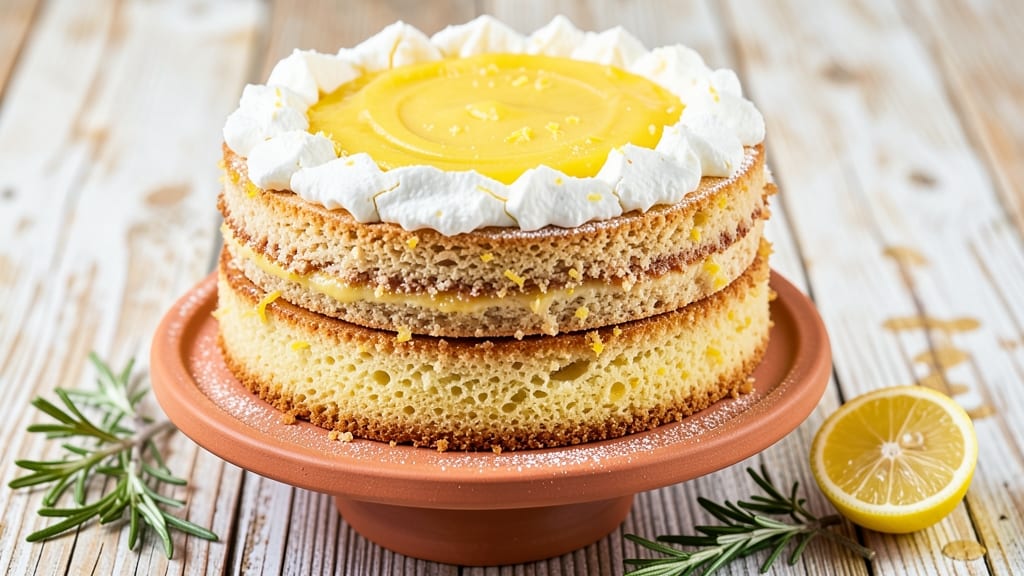
This Amalfi Coast lemon cake recipe transports you to Italy's sun-drenched shores with every bite—bright citrus, delicate almond flour, and layers of zesty lemon buttercream. The secret lies in fresh lemons (juice, zest, and slices) that infuse every component, creating a dessert that's light yet rich, with a tender crumb and fragrant aroma that fills your kitchen. I've perfected this recipe to deliver restaurant-quality results at home, using simple techniques that ensure a moist cake and velvety frosting every time.
The magic begins with a tender lemon cake layer, where almond flour adds a subtle nutty depth that pairs beautifully with the sharp citrus notes. A citrus-infused buttercream ties everything together, creating a harmonious balance of sweet and tart flavors. What makes this recipe special is the attention to detail—from properly zesting lemons to achieving the perfect buttercream consistency—that transforms a simple cake into something truly extraordinary.
By the time you're done, you'll have a stunning dessert that's as beautiful as it is delicious—golden layers dusted with powdered sugar, garnished with lemon slices, and served with a shot of limoncello or espresso for that authentic Amalfi touch. This cake is perfect for special occasions or when you want to impress guests with a dessert that tastes like a vacation.
The best part? This recipe is beginner-friendly yet impressive, with clear instructions that guide you through each step—from mixing the batter to frosting and decorating. Whether you're celebrating a birthday or simply craving a taste of Italy, this lemon cake delivers the perfect balance of brightness and indulgence.
Ingredients for amalfi coast lemon cake
Bright citrus, nutty almond flour, and velvety buttercream—just 13 ingredients transform your kitchen into Amalfi's sunlit shores.
| Ingredient | Amount | Notes |
|---|---|---|
| All-Purpose Flour 🌾 | 1 ½ cups | Sifted for light texture |
| Almond Flour 🌰 | 1 cup | Fine ground preferred |
| Granulated Sugar 🍚 | 1 ½ cups | Superfine for smooth batter |
| Unsalted Butter 🧈 | 1 cup | Room temperature, cubed |
| Fresh Lemons 🍋 | 4 whole | Juiced, zested, and sliced |
| Large Eggs 🥚 | 3 whole | Room temperature |
| Baking Powder 🧂 | 2 tsp | Metal container preferred |
| Salt 🧂 | ½ tsp | Fine sea salt |
| Vanilla Extract 🌿 | 1 tsp | Pure vanilla preferred |
| Powdered Sugar 🍚 | 3 cups | For buttercream |
| Heavy Cream 🥛 | 1 cup | Cold for buttercream |
| Lemon Slices 🍋 | 12 pieces | For garnish, thinly sliced |
| Powdered Sugar 🍚 | 2 tbsp | For dusting cake |
The lemons are non-negotiable here. Four fresh, organic lemons from the farmers market—juice, zest, and slices—make all the difference. Zest the outer yellow part only (the white pith is bitter). Whole Foods or local markets usually carry the juiciest ones. If you can't find organic, give them a good rinse and scrub. The almond flour? Bob's Red Mill is my go-to—it's finely ground and never clumpy. For the butter, Plugrá or Land O'Lakes work perfectly, but avoid salted—we're controlling the salt here.
No fresh lemons? Lemon juice concentrate plus extra zest gets you close, but it won't have that same vibrant brightness. Short on almond flour? Substitute 1/4 cup more all-purpose flour plus 1/4 cup ground almonds, but the texture won't be identical. The buttercream needs heavy cream—half-and-half won't whip properly. For a dairy-free version, coconut cream whipped with powdered sugar works surprisingly well. The vanilla extract should be pure—imitation will taste artificial. If you're feeling fancy, infuse the buttercream with a splash of limoncello (about 1 tbsp) for that authentic Amalfi touch.
This cake keeps beautifully—3 days at room temperature covered loosely, or 1 week refrigerated. For longer storage, freeze the layers (unfrosted) for up to 3 months. The buttercream can be made a day ahead and stored in the fridge—just whip it again briefly before using. To serve, dust with powdered sugar and garnish with lemon slices. Pair with espresso or a shot of limoncello for the full Italian experience. The cake actually tastes better the next day as the flavors meld.
Why You'll Love This Recipe
- No-Zest Struggle: I’ll admit it—I used to dread squeezing lemons for cake. But this recipe? The almond flour keeps it tender while the buttercream (made with that same lemon juice) turns every bite into sunshine. No extra zesting, just bright, buttery perfection.
- Sunshine in a Box: Between us, store-bought lemon desserts taste like artificial lemonade. This one? The fresh lemon juice in the batter and the whipped buttercream layer make it taste like you’re biting into the Amalfi Coast itself—zesty, rich, and impossible to resist.
- Office Picnic Hero: I’ve sent slices to work with zero judgment. The almond flour keeps it light enough for a lunchbox, and the sugar crust? Crumbles like a dream on toast or straight from the box. (Yes, even on a Tuesday.)
- Budget Brightener: Butter and flour are pantry staples, and lemons? They’re cheaper than they look. I’ve made this for birthdays, book club, and just-because cravings—always with leftovers. The buttercream even freezes well, so I’m never scrambling for dessert.
Step-by-step instructions for Amalfi Coast lemon cake
Here's how to create a vibrant, citrusy masterpiece that captures the essence of the Amalfi Coast.
Prepare the Lemon Components
Start by juicing all 4 whole fresh lemons—you should yield about ½ cup of juice. I like to use a citrus reamer for maximum yield, and strain the juice through a fine-mesh sieve to remove any pulp. Zest the lemons as well, using a microplane to create 2 tablespoons of fine zest. These vibrant yellow strands are what will give your cake that authentic Amalfi Coast brightness.
While you're working with the lemons, slice 12 pieces for garnish. Thinly slice them and pat them dry with paper towels to remove excess moisture. This ensures they'll stay crisp on top of your cake rather than turning soggy. Set the juice, zest, and slices aside—you'll need them all in the next steps.
Cream Butter and Sugar for Light Texture
In a stand mixer fitted with the paddle attachment, beat the 1 cup unsalted butter (at room temperature) and 1.5 cups granulated sugar on medium speed for 3-4 minutes. You're looking for a light, fluffy mixture that nearly doubles in volume and becomes pale in color. This creaming process incorporates air, which creates that signature tender crumb in lemon cakes.
I press down gently on the butter mixture with a spatula every now and then—this helps break up any butter lumps and ensures everything comes together smoothly. The mixture should look like pale yellow ribbon when you lift the spatula. Don't rush this step; proper creaming is what gives your cake that perfect texture.
Combine Wet Ingredients and Fold in Dry
Add the 3 whole large eggs one at a time, mixing on low speed for 30 seconds after each addition. Then stir in the 1 teaspoon vanilla extract, ½ cup lemon juice, and 2 tablespoons lemon zest. The mixture will look slightly curdled at first, but don't worry—it will come together when you add the dry ingredients.
In a separate bowl, whisk together the 1.5 cups all-purpose flour, 1 cup almond flour, 2 teaspoons baking powder, and ½ teaspoon salt. Sift the dry ingredients directly into the wet mixture and mix on low speed for just 30 seconds until combined. Overmixing develops gluten, which can make your cake dense. You should still see some flour streaks—this ensures a tender crumb.
Bake the Lemon Layers
Preheat your oven to 350°F and grease two 8-inch round cake pans, then line the bottoms with parchment paper. Divide the batter evenly between the pans. Bake for 25-30 minutes, or until a toothpick inserted in the center comes out clean. The edges should be golden brown, but the top might still look slightly underbaked—don't overbake, or your cake will dry out.
Let the cakes cool in the pans for 10 minutes, then transfer them to a wire rack to cool completely. This gradual cooling prevents cracking. While they cool, you can prepare the buttercream—it's the perfect time to whip up the 3 cups powdered sugar and 1 cup heavy cream for that luscious lemon frosting.
Assemble and Decorate with Lemon Elegance
Once the cakes are completely cool, level the tops if needed with a serrated knife. Spread a layer of lemon buttercream between the two cake layers, then place the second layer on top. Crumb coat the entire cake with a thin layer of buttercream, then chill in the refrigerator for 15 minutes to firm up.
After chilling, apply the final layer of buttercream and smooth it with an offset spatula. Dust the top and sides with the 2 tablespoons powdered sugar for a delicate finish. Arrange the 12 lemon slices on top in a circular pattern for that authentic Amalfi Coast presentation. This cake isn't just delicious—it's a feast for the eyes, just like the coastal views that inspired it!
Pro Tips For Making Amalfi Coast Lemon Cake
- Sift the Almond Flour: I learned this the hard way—skipping it means a dense, brick-like texture. Pulse almond flour in a food processor for 10-15 seconds first, then sift it with the all-purpose flour. This lightens the crumb and mimics the airiness of classic lemon cakes.
- Use Room-Temp Butter: Cold butter creates pockets that won’t melt evenly, leading to a cake that’s greasy in spots and dry in others. Let your unsalted butter sit out for 1-2 hours (or microwave for 20 seconds) until it’s soft but not liquid. Trust me, your crumb will thank you.
- Don’t Overmix the Batter: After mixing the wet and dry ingredients, stop as soon as the flour disappears—overmixing develops gluten and turns your tender cake into a chewy mess. Give it 10-12 strokes max with a spatula, then fold in the lemon zest gently.
- Bake Until Springy: The cake’s done when a toothpick comes out with moist crumbs, not wet batter. Most recipes say 30-35 minutes, but ovens vary—start checking at 25. If the edges brown too fast, tent with foil early. A slightly underbaked center sets beautifully while cooling.
Serving suggestions for this dish
Espresso Pairing
Serve slices of this lemon cake with a strong Italian espresso—the bold, slightly bitter notes of the coffee perfectly complement the cake's bright citrus and delicate almond flavors. I like to pair it with a Neapolitan-style espresso from a local café, or even a cold brew concentrate for a refreshing twist during summer gatherings. The caffeine helps cut through the richness of the buttercream, creating a balanced flavor experience. 💫
Limoncello Shot
For an authentic Amalfi Coast touch, offer a small limoncello shot alongside each slice. The lemon liqueur's sweet-tart profile mirrors the cake's flavors while adding an elegant, boozy finish. I recommend using Capo di Limone brand for its authentic lemon taste. Serve it chilled in small glasses, and watch your guests' faces light up with delight. This pairing feels like a mini vacation in every bite!
Fresh Berries
Add a side of fresh berries—strawberries, raspberries, or blueberries—to create a vibrant contrast against the golden cake. The berries' natural acidity enhances the lemon flavors while adding a pop of color. I like to toss them in a light honey-sugar syrup (just mix 2 tablespoons honey with 1 tablespoon water and warm until dissolved) to make them even more enticing. This is especially lovely for brunch or afternoon tea.
Vanilla Bean Ice Cream
For a decadent dessert pairing, serve the lemon cake with a scoop of vanilla bean ice cream. The creamy coldness balances the cake's richness, while the vanilla's subtle sweetness harmonizes with the lemon. I prefer homemade vanilla ice cream with real Madagascar vanilla beans, but store-bought brands like Ben & Jerry's work in a pinch. This combination feels like a true Italian dessert experience.
Citrus-Inspired Tea
If you prefer non-alcoholic options, a citrus-infused tea like Earl Grey or a homemade lemon-infused iced tea is perfect. Steep 2 Earl Grey tea bags in 2 cups hot water for 5 minutes, then add 1 tablespoon lemon juice and 1 tablespoon honey to taste. Serve chilled over ice for a refreshing accompaniment that enhances the cake's lemon notes.
Presentation Tips
To elevate your serving, dust the cake with powdered sugar just before presenting, and arrange the lemon slices in a circular pattern on top. Serve on a white marble cake stand or a wooden board for a rustic touch. I also like to add a few fresh mint leaves around the plate to bring in a fresh, herbal note that complements the lemon. This attention to detail makes your dessert look as impressive as it tastes! ✨
Nutrition facts
Frequently asked questions
Can I substitute regular flour for almond flour in this lemon cake?
The recipe uses almond flour for its delicate nutty flavor and tender texture, but you can substitute 1 cup all-purpose flour plus ¼ cup ground almonds if needed. The cake will still be delicious, though the texture will be slightly denser. For the best results, keep the total flour measurement at 2.5 cups (1.5 all-purpose + 1 almond flour).
How do I prevent my lemon cake from tasting too sour?
Balance the tartness by adjusting the sugar in the buttercream or adding 1 teaspoon honey to the cake batter. The key is fresh lemons—use 4 ripe but not overly sour lemons and strain the juice to remove excess pulp. Taste the batter before baking; if it's too sharp, add 1-2 tablespoons extra sugar to the dry ingredients.
Can I make this cake gluten-free?
Yes! Replace the 1.5 cups all-purpose flour with 1.5 cups gluten-free 1:1 baking flour (like Bob's Red Mill) and ensure your baking powder is gluten-free. The almond flour remains unchanged. Note that gluten-free cakes tend to be denser, so bake for 2-3 extra minutes and avoid overmixing the batter to maintain moisture.
Why did my cake sink in the middle?
Oven temperature fluctuations or opening the oven too soon are common culprits. Always preheat for 15-20 minutes and avoid opening the oven in the first 20 minutes of baking. For extra insurance, place a baking tray with 1 cup water on the lower rack to add moisture. If using aluminum pans, switch to glass for even heat distribution.
How can I make this cake ahead of time?
Assemble the cake layers 1 day ahead and store it in an airtight container at room temperature. For longer storage (3-4 days), refrigerate. Bring to room temperature before serving. The buttercream can be made 2 days ahead and refrigerated—just rewhip briefly before using. Lemon slices should be added fresh before serving.