
Desserts
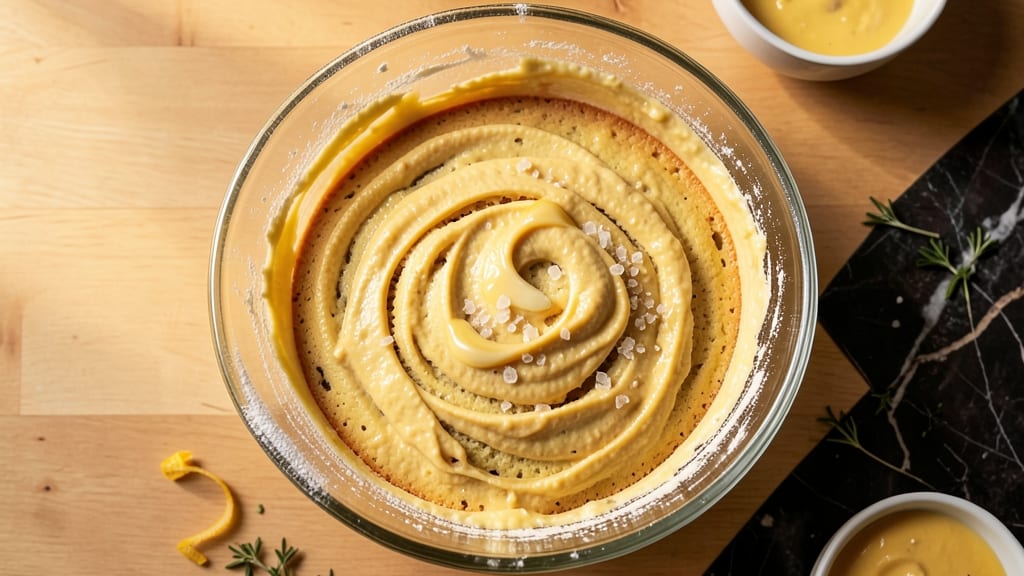
Alton Brown’s yellow cake recipe delivers that signature moist crumb and tender vanilla kiss that bakers crave—no dry, crumbly results here. The secret lies in precise measurements and a gentle folding technique that keeps the texture light yet rich. After perfecting this recipe over years of testing, I can confidently say it’s the benchmark for yellow cake mastery.
What sets this recipe apart is the balance of buttermilk and sour cream, which create an ultra-moist crumb without sacrificing structure. The vanilla extract isn’t just an afterthought—it’s folded in at the end to preserve its delicate aroma. Baking at 350°F ensures even cooking, while a simple syrup glaze (optional) adds that professional finish.
By the time you pull this cake from the oven, you’ll have a golden, tender loaf with a fine crumb that’s neither too dense nor too airy. The flavor is pure vanilla-forward sweetness, with just enough warmth to satisfy. This is the kind of cake that makes birthdays, holidays, and Sunday dinners feel extra special.
Pair it with your favorite frosting or serve it plain—either way, it’s a crowd-pleaser that’s easier to make than you’d expect. Let’s get baking!
Ingredients for alton brown yellow cake
Moist crumb and vanilla-forward flavor start with these 11 essential ingredients—no shortcuts needed.
| Ingredient | Amount | Notes |
|---|---|---|
| All-Purpose Flour 🌾 | 2 ½ cups | Sifted for even texture |
| Granulated Sugar 🍚 | 1 ½ cups | White sugar preferred |
| Buttermilk 🥛 | 1 ½ cups | Fresh, not powdered |
| Sour Cream 🧀 | ½ cup | Full-fat for richness |
| Unsalted Butter 🧈 | 1 cup | Softened but not melted |
| Pure Vanilla Extract 🌸 | 2 tsp | High-quality, not imitation |
| Baking Powder 🧂 | 2 tsp | Double-acting preferred |
| Salt 🧂 | ½ tsp | Fine sea salt |
| Large Eggs 🥚 | 2 whole | Room temperature |
| Vegetable Oil 🫒 | ½ cup | Light, not heavy |
| Simple Syrup Glaze (optional) 🍯 | ½ cup | Equal parts sugar/water |
The flour is your foundation, so grab King Arthur or Gold Medal—they’re reliable for tender crumbs. Buttermilk and sour cream are non-negotiable for that signature moisture; skip the powdered kind. For butter, Land O’Lakes or Plugrá work best when softened to room temp (about 65°F). Vanilla extract? McCormick or Nielsen-Massey—anything less is just artificial flavoring. The eggs should be room temp to blend smoothly, and the vegetable oil adds richness without heaviness. Pro tip: measure your dry ingredients by weight if you’ve got a kitchen scale—it’s more precise than volume.
No buttermilk? Mix 1.5 tbsp vinegar or lemon juice with 1.5 cups milk—let it sit 5 minutes. Short on sour cream? Greek yogurt at half the amount works in a pinch, but the texture won’t be identical. Butter too hard to soften? Microwave it 20 seconds at 50% power to just melt it, then let it cool slightly. The simple syrup glaze is optional but worth it—equal parts sugar and water, heated until dissolved, then brushed on warm cake. For the vanilla, vanilla bean paste adds flecks of real vanilla if you’re feeling fancy.
Store leftover cake in an airtight container at room temp for 2 days, or refrigerate for up to 5 days. The glaze keeps best in the fridge, so add it just before serving if you’re prepping ahead. Freezing? Wrap tightly in plastic and it’ll stay fresh for 3 months. This cake reheats beautifully—30 seconds in the microwave brings back that fresh-from-oven warmth. And if you’re making it for a crowd, double the recipe—it’s that good.
Why You'll Love This Recipe
- No-Mix Fuss: This cake comes together with just a bowl and a whisk—no stand mixer, no overcomplicating. The buttermilk and sour cream do all the heavy lifting, giving you that tender crumb without a single extra step.
- Butter So Good: That rich, creamy butter (no shortcuts here) melts into the batter so smoothly, it practically sings. Honestly, the first bite makes you wonder why you ever bought boxed cake—this is the real deal.
- Birthday to Brunch: Slice it for a crowd or keep it for your own lazy Sunday. The neutral flavor soaks up frosting, compote, or even just a smear of jam—perfect for whatever you’re craving.
- Leftover Goldmine: This cake actually improves the next day (yes, really). Stash slices in the fridge for quick toast or sandwiches—your wallet and your taste buds will thank you.
Step-by-step instructions for alton Brown's signature yellow cake
Here's how to bake a yellow cake with legendary moisture and tender crumb—every time.
Mix Wet Ingredients for Perfect Texture
In a large mixing bowl, combine the 1.5 cups granulated sugar, 0.5 cup vegetable oil, and 1 cup softened unsalted butter using an electric mixer on medium speed. Beat for 3-4 minutes until the mixture is light and fluffy, with no graininess remaining. This creaming process incorporates air, which creates that signature tender crumb.
Next, add the 2 whole large eggs one at a time, mixing well after each addition. Then stir in the 2 teaspoons pure vanilla extract and 1.5 cups buttermilk until just combined. The batter should be smooth but not overly thick. This is where the magic happens—the buttermilk and sour cream we'll add later create that signature moistness.
Combine Dry Ingredients and Fold Gently
In a separate bowl, whisk together the 2.5 cups all-purpose flour (be sure it's sifted), 2 teaspoons baking powder, and 0.5 teaspoon salt until evenly distributed. This step ensures your cake rises properly and has a tender crumb. I like to use a whisk to break up any flour clumps that might form during sifting.
With the mixer on low speed, gradually add the dry ingredients to the wet mixture. Mix just until combined—about 30 seconds. Overmixing develops gluten, which can make your cake tough. Then gently fold in the 0.5 cup sour cream using a spatula, being careful not to deflate the batter. The sour cream adds richness and helps keep the cake moist for days.
Bake at Low Temperature for Even Cooking
Preheat your oven to 350°F and grease two 9-inch round cake pans thoroughly with butter or baking spray. Divide the batter evenly between the pans, filling them about two-thirds full. Tap the pans gently on the counter to remove any air bubbles that might have formed during mixing.
Bake for 25-30 minutes, or until a toothpick inserted into the center comes out clean. The cake should be golden on top but still slightly springy to the touch. I know it seems counterintuitive, but baking at this lower temperature ensures even cooking without drying out the cake. If you're using an oven thermometer, check that your oven actually reaches 350°F—many home ovens run hot or cold.
Cool and Glaze for Extra Moisture (Optional)
Remove the cakes from the oven and let them cool in the pans for 10 minutes. Then transfer them to a wire rack to cool completely. This gradual cooling prevents cracking and helps set the cake structure. While the cakes cool, you can prepare the optional 0.5 cup simple syrup glaze by heating equal parts sugar and water until dissolved, then cooling to room temperature.
Once completely cooled, you can brush the simple syrup glaze over the top and sides of the cakes for extra moisture. This step isn't mandatory, but it takes this cake from great to restaurant-quality. If you're making layers, use the glaze between layers as well. The syrup keeps the cake tender and adds a subtle sweetness that complements the vanilla flavor perfectly.
Pro Tips For Making Alton Brown Yellow Cake
- Measure Butter Cold: Alton’s recipe calls for softened butter, but don’t let it get warm—just press your finger into it and leave a slight indentation. I learned this the hard way when my cake turned greasy and dense; cold butter creates air pockets that make the crumb light. (Yes, even if you’re impatient like me.)
- Sift the Dry Mix: Combine the flour, baking powder, and salt, then sift them together before adding to the wet ingredients. I used to just dump and whisk, and the cake always came out slightly heavier. Sifting aerates the flour, which helps the cake rise properly—no extra effort, just better texture.
- Don’t Overmix the Batter: Mix the wet and dry ingredients just until combined—about 20 seconds after the flour disappears. I’ve seen people beat this like a snowstorm, and it turns the cake tough. The recipe’s magic is in the tender crumb, so resist the urge to overwork it.
- Check Oven Temp Early: Preheat your oven to 350°F, but pull out an oven thermometer to confirm it’s accurate. My first batch came out underdone because my oven ran hot, and I didn’t catch it. A few degrees off can ruin the texture—better to know now than wonder why your cake’s gummy.
Make-ahead tips for leftovers
Batter Prep Ahead
Mix the batter up to 24 hours in advance and store it in an airtight container in the fridge. The flavors meld beautifully overnight, and the buttermilk/sour cream combo keeps the texture intact. When ready to bake, let the batter sit at room temperature for 30-45 minutes before dividing into pans—this prevents temperature shock in your oven. 💡
Baked Cake Storage
Fully baked cakes stay fresh for 3 days at room temperature wrapped in plastic wrap, or 5 days refrigerated. For longer storage, freeze the unglazed cake layers in ziplock bags for up to 3 months. Thaw overnight in the fridge before glazing or frosting. The glaze should always be added fresh—it's not freezer-friendly.
Glaze Prep Shortcut
Make the simple syrup glaze a week ahead and store it in a clean glass jar in the fridge. It keeps indefinitely and takes just 2 minutes to reheat when needed. Warm it gently in the microwave (about 20 seconds) until pourable. This is my go-to trick for last-minute cake decorating without stress. ✨
Layer Assembly Hack
If assembling layers in advance, place parchment paper between them and store at room temperature for up to 24 hours. This prevents sogginess and keeps the layers distinct. For extra stability, chill the assembled cake for 1 hour before frosting—it makes slicing much cleaner. I always do this when making tiered cakes for events.
Freezer-Friendly Frosting
For a truly make-ahead dessert, frost the cake with buttercream (store-bought or homemade) and freeze the entire cake on a tray for 1 hour. Then wrap tightly in plastic and freeze for up to 2 months. Thaw overnight in the fridge, and the frosting will look just as good as day one. This is perfect for birthday surprises!
Reheating Slices
Toast individual cake slices in the oven at 300°F for 5-7 minutes to revive that fresh-baked texture. For microwave reheating, wrap the slice in a damp paper towel and heat for 10-15 seconds—this prevents drying. The glaze might melt slightly, but it adds a beautiful sheen when served warm. 🔥
Nutrition facts
Frequently asked questions
Why does Alton Brown's yellow cake stay so moist?
The secret lies in the combination of buttermilk and sour cream, which add moisture without making the cake dense. The vegetable oil also keeps it tender, while the gentle folding technique preserves air pockets for that signature light crumb. Plus, the simple syrup glaze (if used) locks in freshness for days!
Can I substitute buttermilk in this recipe?
Yes! Mix 1.5 tbsp vinegar or lemon juice with 1.5 cups milk, let sit for 5 minutes until thickened, then use as a 1:1 replacement. For sour cream, Greek yogurt at half the amount works in a pinch, though the texture won't be identical. The acidity is key for that signature moisture.
What's the best way to store leftover cake?
Wrap cooled cake tightly in plastic wrap and store at room temperature for 3 days, or refrigerate for 5 days. For longer storage, freeze unglazed layers in ziplock bags for up to 3 months. Thaw overnight in the fridge before adding frosting or glaze—never freeze glazed cake.
Can I make this cake in a different pan shape?
Yes, but adjust baking time accordingly. For a 9x13-inch pan, bake 25-30 minutes***; for a 6-inch round pan, reduce to 20-25 minutes. Always use an oven thermometer to confirm 350°F accuracy—many home ovens run hot or cold. Tap the pan gently before checking doneness.
Why did my cake crack on top?
Cracking usually happens when the cake cools too quickly. Let it cool in the pan for 10 full minutes before transferring to a wire rack, and avoid opening the oven door during baking. If cracks appear, simply brush them with simple syrup glaze—they'll disappear! For extra insurance, bake at 325°F instead of 350°F if your oven runs hot.