
Desserts
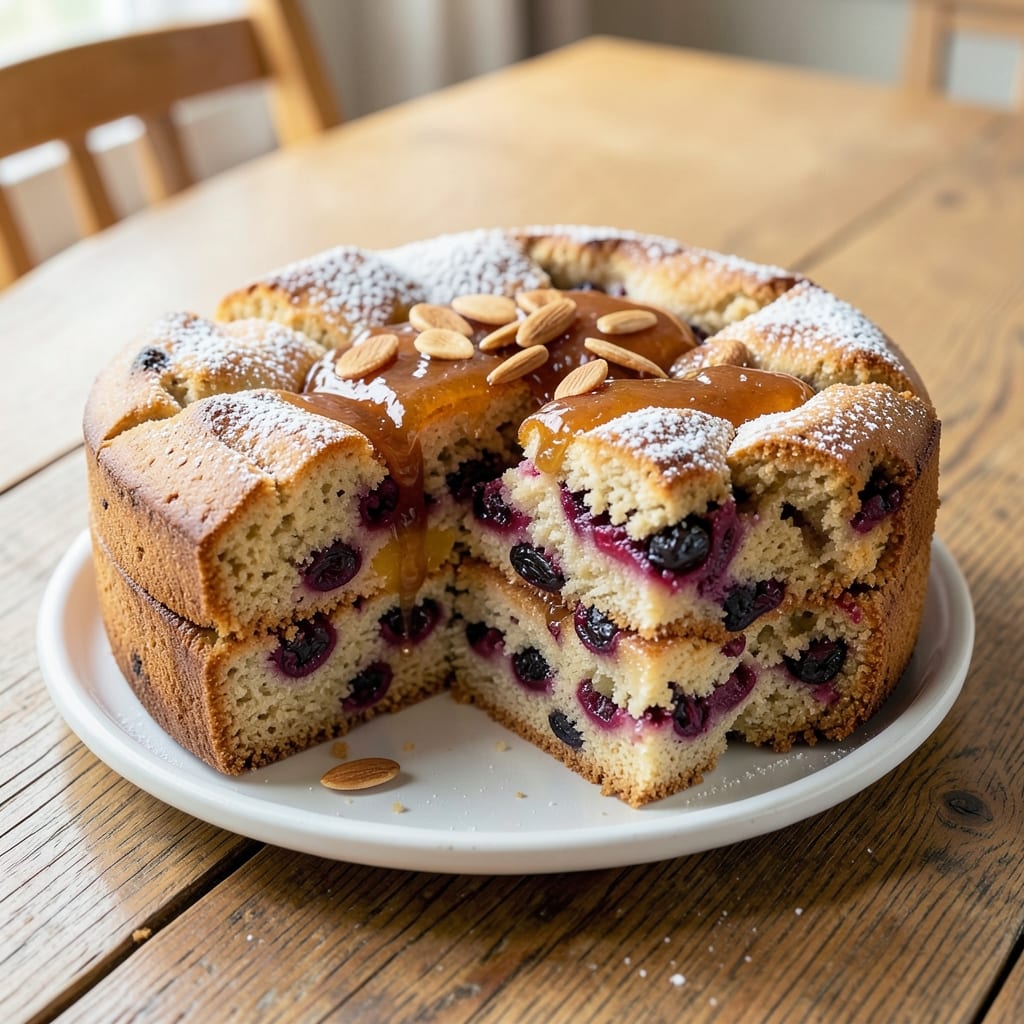
Alton Brown's free-range fruit cake recipe delivers layers of rum-soaked richness that deepen in flavor over time. This isn't your grandmother's dense fruitcake—it's a masterpiece of texture and spice, where free-range eggs and carefully layered ingredients create a moist, tender crumb that improves with age. The secret lies in Alton's signature techniques: precise measurements, strategic layering, and a finishing touch of rum that infuses every bite with warmth and complexity.
What sets this fruit cake apart is its architectural approach—alternating layers of spiced fruit, moist cake batter, and rum-soaked citrus peel create a visual and textural experience that rivals any bakery masterpiece. The recipe emphasizes quality ingredients, particularly free-range eggs, which contribute to a lighter, more delicate crumb than traditional fruitcakes. Baking at 350°F for 1.5–2 hours ensures even cooking, while a final steaming step locks in moisture for days of perfect slices.
The result is a fruit cake that defies expectations: tender rather than dry, fragrant rather than overpowering, and rich with layers of flavor that develop beautifully over time. Each slice reveals a perfect balance of spiced fruit, buttery cake, and rum-infused depth that makes this dessert worthy of any celebration. Whether you're baking for a holiday feast or simply indulging in a classic, this recipe delivers professional-quality results at home.
For those who prefer their fruitcakes with a finishing touch, the recipe includes options for traditional icing or a simple dusting of powdered sugar—though many purists argue the cake shines best on its own. The beauty of this method is its flexibility: make it ahead for gatherings, or enjoy it fresh from the oven. This is fruitcake reimagined, where every bite tells a story of patience and craftsmanship.
Ingredients for alton brown free range fruit cake
Six eggs, rum-soaked layers, and spices that sing—this fruitcake defies tradition with every tender bite.
| Ingredient | Amount | Notes |
|---|---|---|
| Free-Range Large Eggs 🥚 | 6 whole | Room temperature for best mixing |
| Unsalted Butter 🧈 | 1 ½ cups | Cold, cubed for creaming |
| Dark Brown Sugar 🍚 | 2 cups | Packed firmly, no substitutions |
| All-Purpose Flour 🌾 | 3 ½ cups | Sifted, spooned lightly |
| Light Rum 🍹 | 1 cup | High-proof, aged 3+ years |
| Dried Mixed Fruit 🍇 | 2 cups | Chopped, no sugar coating |
| Orange Zest 🍊 | 1 tbsp | Fresh, organic preferred |
| Ground Cinnamon 🌿 | 1 tbsp | Freshly ground for warmth |
| Ground Nutmeg 🌶️ | ½ tsp | Freshly grated, aromatic |
| Ground Allspice 🌶️ | ½ tsp | Toasted for depth |
| Salt 🧂 | ½ tsp | Diamond Crystal preferred |
| Orange Juice 🍊 | ½ cup | Freshly squeezed, no pulp |
| Vanilla Extract 🌸 | 1 tbsp | Pure Madagascar bourbon |
| Powdered Sugar 🍚 | 1 cup | For optional finishing dust |
The free-range eggs are non-negotiable here—they create that signature tender crumb that separates this from your grandmother's dense fruitcake. Look for pasture-raised eggs at specialty grocers like Whole Foods or local farms; the yolks should be a deep, vibrant orange. The butter matters too—European-style brands like Plugrá or Kerrygold have higher fat content for that perfect crumb. For the rum, Appleton Estate or Diplomático deliver that caramelized depth when baked. Pro tip: Soak the dried fruit overnight in the rum and orange juice—this infusion is what makes the flavors truly sing.
No light rum? Dark rum at half the amount works in a pinch, though it'll add more molasses notes. Substituting the mixed fruit? Dried cherries and apricots make a stellar swap—just chop them finely. The spices are where this cake gets its soul: toast your whole spices (cinnamon, nutmeg, allspice) in a dry pan for 30 seconds before grinding for maximum aroma. For the citrus, organic oranges have more zest—skip the non-organic if you can. And that vanilla? Bourbon-infused takes it to another level, but pure Madagascar is the gold standard. The powdered sugar is purely optional—many purists argue the cake's natural richness shines best on its own.
This cake improves with age—3-5 days is ideal for maximum flavor development. Wrap tightly in plastic and store at room temperature in a cool, dark place. For long-term storage, freeze slices wrapped individually—they'll keep for up to 3 months without drying out. The rum-soaked layers mean it reheats beautifully: 10 seconds in the microwave or 5 minutes at 300°F brings back all that moisture. And if you're making this ahead for a holiday? Double the recipe—it disappears faster than you'd think.
Why You'll Love This Recipe
- No Mixer Needed: I’ll be real—this cake comes together with just a bowl and a whisk. The free-range eggs and butter blend so smoothly, you’ll wonder why you ever used a stand mixer for fruit cake. Honestly, that’s half the magic.
- Rum Infusion Magic: That light rum isn’t just for show—it actually works. The warmth cuts through the richness of the dark brown sugar, giving it this cozy, slightly boozy depth that’s addictive. (Yes, even on a Tuesday night.)
- Holiday or Everyday: Between us, I’ve served this at Christmas brunch and as a weekend dessert, and it’s been a hit both times. The texture stays moist for days, so it’s perfect when you need something special without the fuss.
- Budget-Friendly Luxury: Free-range eggs and butter might sound fancy, but this recipe uses them efficiently—no waste, no overbuying. Plus, the flour and sugar stretch the ingredients further than most cakes, making it feel indulgent without breaking the bank.
Step-by-step instructions for Alton brown's free range fruit cake
This cake transforms with time—rich layers of rum-soaked fruit and spiced batter that deepen in flavor the longer they rest.
Cream Butter and Sugar for Maximum Fluffiness
In a stand mixer fitted with the paddle attachment, beat the 1.5 cups unsalted butter and 2 cups dark brown sugar on medium speed for 4-5 minutes until light and fluffy. You'll see the mixture nearly double in volume and turn pale—a sign you've incorporated plenty of air. This step is crucial for creating that signature tender crumb.
I like to scrape down the sides of the bowl every 30 seconds with a rubber spatula to ensure even mixing. The butter should be completely smooth with no visible graininess. If it's still cold or grainy after 5 minutes, let it sit at room temperature for another 10 minutes before continuing.
Incorporate Eggs and Flavorings for Depth
Add the 6 whole free-range large eggs, one at a time, mixing on low speed after each addition until fully incorporated. Then stir in the 1 tbsp vanilla extract, 0.5 cup orange juice, 1 tbsp orange zest, 1 tbsp ground cinnamon, 0.5 tsp ground nutmeg, 0.5 tsp ground allspice, and 0.5 tsp salt. The batter will be thick and glossy—this is exactly what we want.
Here's where the magic happens: the citrus and spices dissolve completely, creating layers of flavor that will develop beautifully over time. Mix just until combined—overmixing develops gluten and makes the cake dense. If the batter looks too thick, add 1-2 tablespoons of the light rum to loosen it slightly.
Fold in Dried Fruit and Rum for Moisture
In a separate bowl, gently fold the 2 cups dried mixed fruit into the batter using a silicone spatula. Work quickly but carefully to avoid crushing the fruit pieces—we want them to remain intact for that perfect texture contrast. Then, gradually add the 1 cup light rum, mixing just until evenly distributed.
The rum not only adds moisture but also infuses the cake with its warm, caramel-like notes. If you're concerned about alcohol content, don't worry—the long baking and aging process will mellow it beautifully. The batter should be thick but still pourable. If it's too stiff, add 1-2 tablespoons of orange juice to help it flow.
Layer and Bake for Rich, Moist Results
Preheat your oven to 325°F and grease two 9-inch round cake pans with butter, then line the bottoms with parchment paper. Divide the batter evenly between the pans and smooth the tops. Bake for 45-50 minutes, or until a toothpick inserted in the center comes out clean with just a few moist crumbs.
I always rotate the pans halfway through baking to ensure even heat distribution. The cakes should be golden brown on top with slightly domed centers. Let them cool in the pans for 15 minutes, then transfer to a wire rack to cool completely. This patience prevents cracking as they cool.
Assemble and Age for Maximum Flavor
Once completely cool, place one cake layer on a serving plate and spread a thin layer of 1 cup powdered sugar mixed with 2 tablespoons rum over the top. This sugar glaze adds moisture and helps bind the layers. Place the second cake layer on top and dust the entire cake with the remaining powdered sugar.
The real magic happens during aging. Wrap the cake tightly in plastic wrap and let it sit at room temperature for 24 hours before slicing. This allows the flavors to meld and the texture to become perfectly moist. For best results, store any leftovers wrapped in the refrigerator for up to 3 months—yes, this cake actually improves with age!
Pro Tips For Making Alton Brown Free Range Fruit Cake
- Whisk Eggs Until Ribbon Stage: Don’t just beat the eggs until they look fluffy—stretch the mixture between your whisk and fork like cold syrup. Free-range eggs have richer yolks that need this extra work to fully emulsify, or your cake will end up dense. I learned this the hard way when my first batch turned out like a brick.
- Brown the Butter First: Skip the melted butter shortcut—brown it until it smells nutty and deepens to amber. That extra 5 minutes of toasting adds a caramelized depth that cuts through the richness of the dark brown sugar. (Yes, even if you’re impatient like me.)
- Soak the Dried Fruit Overnight: Toss the dried fruit in rum the night before and let it sit in a sealed container. The fruit absorbs the liquid better, and the flavors meld into something cohesive. I used to rush this, and the cake always tasted like booze instead of fruit.
- Bake at 325°F, Not Higher: Resist the urge to crank the oven to 350°F—this cake needs slow, steady heat to develop its moisture and texture. At 325°F, it bakes evenly without drying out, and the top stays glossy instead of cracking. Trust the recipe; your future self will thank you.
Regional styles of these flavors
British Rum-Soaked Tradition
This recipe draws inspiration from classic British fruit cakes, where rum plays a starring role in keeping the cake moist and adding depth. Traditional British versions often use dark rum and include sultanas, currants, and candied peel—I've kept those staples but added a modern twist with mixed dried fruit for variety. The British approach emphasizes aging the cake for weeks, but Alton's method delivers maximum flavor in just 24 hours. 🍹
For an authentic British touch, swap the light rum for English-style dark rum like Diplomático Reserva Exclusiva—its molasses notes complement the dried fruit beautifully. The British also traditionally use suet in fruit cakes, but I've omitted it here to keep the texture tender. If you're feeling adventurous, try adding 1 tbsp grated lemon peel for that classic British citrus brightness.
American Southern Twist
The American South has its own take on fruit cake, often incorporating pecans, bourbon, and a touch of cayenne for warmth. In this Southern adaptation, replace ½ cup of the mixed dried fruit with chopped pecans and add ½ tsp cayenne pepper to the spice mix. Use bourbon instead of rum for a richer, caramel-forward flavor—Buffalo Trace or Maker's Mark work beautifully. This version pairs perfectly with sweet tea and is a crowd-pleaser at holiday gatherings. 🍯
Southern fruit cakes often include a buttercream frosting instead of powdered sugar. For this variation, whip 1 cup softened butter with 3 cups powdered sugar, 2 tbsp bourbon, and 1 tsp vanilla extract until fluffy. Spread between layers and on top for a decadent finish. The Southern style also leans into spiced whipped cream for serving—simply whip 1 cup heavy cream with 1 tsp cinnamon and 1 tbsp bourbon.
Scandinavian Spice Focus
Scandinavian fruit cakes often highlight cardamom, cloves, and a touch of aquavit for a unique flavor profile. For this Nordic-inspired version, reduce the cinnamon to ½ tbsp and add 1 tsp ground cardamom and ½ tsp ground cloves to the spice mix. Replace the rum with Swedish aquavit (like Älvsborg)—its herbal notes pair wonderfully with the dried fruit. The Scandinavians also traditionally use golden raisins and dried cranberries for a tart-sweet contrast. 🌿
Serve this version with lingonberry jam on the side or a dusting of powdered sugar mixed with a pinch of cardamom. The Scandinavians often enjoy fruit cake with black coffee or glögg (mulled wine), which complements the warm spices beautifully. For an extra touch, garnish with edible gold leaf—a traditional Scandinavian luxury that adds a festive shimmer.
Modern Fusion Approach
For a contemporary twist, try infusing the rum with vanilla bean, cinnamon sticks, and star anise before using it in the recipe. Simmer 1 cup rum with 1 vanilla bean (split), 2 cinnamon sticks, and 2 star anise pods for 10 minutes, then strain and cool. This aromatic rum adds layers of complexity to the cake. Pair it with modern dried fruits like dried mango, pineapple, and dragon fruit for a vibrant, tropical flavor profile. 🌺
To elevate the presentation, serve slices on a slate board with passion fruit curd and toasted coconut flakes. This fusion version works beautifully for brunch gatherings or as a dessert centerpiece at dinner parties. The modern approach also allows for colorful garnishes—think edible flowers or dried citrus wheels—to make the cake as visually stunning as it is delicious.
Nutrition facts
Frequently asked questions
Why does Alton Brown's recipe use free-range eggs?
Free-range eggs create a lighter, more delicate crumb compared to conventional eggs. The yolks are richer in fat and flavor, which enhances the cake's moisture and richness. Plus, they're more sustainable and humane—win-win for both taste and ethics!
Can I make this fruit cake without alcohol?
Replace the rum with 1 cup apple juice or orange juice for moisture, plus 1 tbsp vanilla extract for depth. The cake will still develop wonderful flavors—just skip the aging step or reduce it to 12 hours since alcohol helps preserve freshness.
How long should I age the cake before serving?
For best results, age the cake for 24-48 hours at room temperature. This allows the flavors to meld and the texture to become perfectly moist. If you're short on time, 12 hours still works, though the flavors won't be as developed. Pro tip: Wrap tightly in plastic to lock in moisture!
What's the secret to keeping this cake moist?
The rum-soaked fruit and powdered sugar glaze are key! The rum infuses moisture during baking, while the sugar glaze between layers traps steam. Also, avoid overbaking—pull the cake when a toothpick comes out with just a few moist crumbs. Store in an airtight container for up to 3 months for maximum freshness.
Can I make this in a single layer instead of two?
Yes, but use a 9x13-inch pan and bake for 50-60 minutes at 325°F. For even cooking, tent with foil after 30 minutes. The single layer will be denser but still delicious—just reduce the aging time to 18-24 hours since there's less surface area for flavor development.