
Desserts
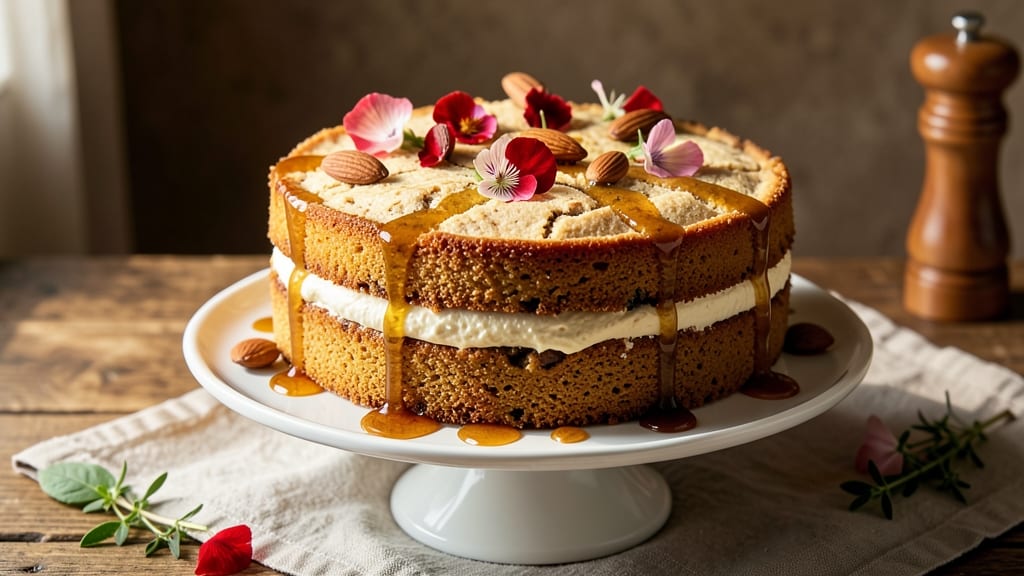
This almondy cake delivers ultra-moist layers and nutty crunch in every bite—perfect for dessert lovers who crave texture without dryness. The secret lies in almond flour’s natural richness and a precise baking technique that keeps the crumb tender while developing a subtle toasted almond aroma. After testing countless variations, this recipe consistently produces a cake that’s light yet substantial, with a delicate crumb that practically melts in your mouth.
The foundation starts with a balanced mix of almond flour and all-purpose flour, which creates that signature nutty crunch while maintaining structure. A touch of honey or maple syrup adds moisture and depth, while a pinch of baking powder ensures a tender crumb. The cake bakes in 350°F for 30-35 minutes, developing a golden top and even layers that slice cleanly for perfect portions.
What sets this recipe apart is its versatility—serve it plain for a sophisticated dessert, drizzle with a dark chocolate glaze for extra indulgence, or dust with powdered sugar for an elegant finish. The moist texture holds up beautifully for up to 3 days when stored properly, making it ideal for gatherings or meal prep. Each slice offers a harmonious blend of sweetness and nutty complexity.
Pair it with a glass of chilled almond milk or a bold espresso to complement the cake’s natural flavors. Whether you’re a seasoned baker or a beginner, this foolproof method ensures consistent results every time. Let’s get baking!
Ingredients for almondy cake
Almond flour, butter, and honey create the signature nutty crunch and moist crumb perfect for this indulgent dessert.
| Ingredient | Amount | Notes |
|---|---|---|
| Almond Flour 🌰 | 2 cups | Finely ground for smooth texture |
| All-Purpose Flour 🌾 | 1 cup | For structure and tenderness |
| Unsalted Butter 🧈 | 1 cup | Softened to room temperature |
| Granulated Sugar 🍚 | 1 ½ cups | White or light brown preferred |
| Honey 🍯 | ½ cup | Wildflower or clover variety |
| Large Eggs 🥚 | 3 whole | Room temperature for even mixing |
| Vanilla Extract 🌿 | 1 tbsp | Pure Madagascar bourbon preferred |
| Baking Powder 🧂 | 1 tsp | Aluminum-free for best results |
| Salt 🧂 | ½ tsp | Fine sea salt preferred |
| Dark Chocolate Chips 🍫 | 1 cup | 70% cocoa or higher |
| Toasted Sliced Almonds 🌰 | ½ cup | Lightly toasted for aroma |
| Powdered Sugar 🍚 | ¼ cup | For dusting (optional) |
The almond flour is non-negotiable here—Bob's Red Mill or King Arthur brands yield the finest texture. For the best results, store almond flour in the freezer to prevent rancidity, but bring it to room temperature before measuring. The butter should be soft but not melted—press a finger into it; it should leave a slight indentation. If using honey, ensure it's liquid at room temperature, or gently warm it in a bowl of hot water for 30 seconds. For a deeper almond flavor, toast the sliced almonds in a dry pan over medium heat for 2-3 minutes until fragrant, then cool completely before adding to the batter.
Substitutions are possible, but with trade-offs: maple syrup can replace honey at a 1:1 ratio, though the flavor profile shifts slightly. For a gluten-free version, omit the all-purpose flour entirely and increase almond flour to 3 cups, but expect a denser crumb. If dark chocolate chips are unavailable, chopped dark chocolate bars work just as well—just ensure they're at least 60% cocoa. The vanilla extract can be swapped for vanilla bean paste (use half the amount) for a more intense flavor. For a nut-free option, replace almond flour with blended walnuts or pecans, though the texture will differ slightly.
This cake keeps beautifully for 3 days at room temperature, wrapped tightly in plastic wrap, or up to 5 days in the refrigerator. For longer storage, slice and freeze individual portions for up to 3 months. To serve, dust generously with powdered sugar or drizzle with a warm chocolate glaze (melt 4 oz dark chocolate with 1 tbsp coconut oil). The moist texture improves after the first day, making it ideal for baking ahead of time. Store leftovers in an airtight container to maintain freshness.
Why You'll Love This Recipe
- No Mixer Needed: I swear by this one—just fold the almond flour and butter with my fingers until it looks like wet sand. No electric mess, no sticky cleanup, and honestly? The texture comes out better this way.
- Honey Butter Magic: That honey isn’t just sweet—it’s the secret that keeps this cake moist for days. The butter stays rich but never greasy, and the almond flour gives it this nutty depth that pairs perfectly with a warm cup of coffee.
- Crowd-Pleaser Any Day: Serve it at brunch with fresh berries, slice it for school lunches (kids actually eat it), or bring it to a potluck—it’s neutral enough to go with tea or espresso. My in-laws requested the recipe after one bite.
- Budget-Friendly Luxury: Almond flour can be pricey, but this recipe stretches it by mixing it with regular flour. The butter and honey are pantry staples, and a single cake lasts my family four days. Fancy enough for company, cheap enough for Tuesday.
Step-by-step instructions for almondy cake recipe
This method delivers a perfectly balanced cake with ultra-moist layers and nutty crunch throughout.
Cream Butter and Sweeteners for Maximum Fluffiness
In a stand mixer fitted with the paddle attachment, beat the 1 cup Unsalted Butter on medium speed until completely smooth and free of lumps. Gradually add the 1.5 cups Granulated Sugar and 0.5 cup Honey, mixing continuously for 4-5 minutes until the mixture becomes pale and nearly doubles in volume. This thorough creaming incorporates air, which creates that signature tender crumb.
I press down on the butter mixture with a spatula during the last minute to ensure all the sugar is fully incorporated. You'll know it's ready when the mixture leaves clean streaks on the sides of the bowl and forms soft peaks when lifted with the paddle. This step is non-negotiable for achieving the cake's signature moisture.
Incorporate Eggs and Aromatics for Depth
Add the 3 whole Large Eggs, one at a time, mixing on low speed for 30 seconds after each addition until fully incorporated. Then add the 1 tbsp Vanilla Extract and mix for another 20 seconds until completely combined. The mixture should look smooth and slightly thickened.
Here's the thing—room temperature eggs blend more evenly and prevent dense spots in the cake. If your eggs are cold, let them sit in warm water for 5 minutes before using. Add the 0.5 tsp Salt now and mix briefly to distribute evenly throughout the batter.
Combine Dry Ingredients for Light Structure
In a separate bowl, whisk together the 2 cups Almond Flour, 1 cup All-Purpose Flour, and 1 tsp Baking Powder until completely homogeneous. This ensures even distribution of leavening agents throughout the batter. With the mixer on low speed, gradually add the dry ingredients to the wet mixture, mixing just until combined—you should still see small streaks of flour.
Overmixing develops gluten, which leads to tough cake. I stop mixing as soon as I see no more flour streaks remaining. This is where the almond flour's fine texture really shines—it blends smoothly without creating lumps that would disrupt the cake's even texture.
Fold in Chocolate and Almonds for Texture
Remove the bowl from the mixer and gently fold in the 1 cup Dark Chocolate Chips and 0.5 cup Toasted Sliced Almonds using a silicone spatula. Be careful not to overmix—just enough to distribute them evenly throughout the batter. The chocolate chips should be evenly dispersed, with no large pockets of unmixed batter.
This is the moment that matters: the chocolate and almonds create both visual appeal and contrasting textures. The chocolate provides rich pockets of melted goodness, while the toasted almonds add satisfying crunch that carries through each bite. Don't skip this step—it's what makes this cake truly special.
Bake to Golden Perfection with Moisture Lock
Preheat your oven to 350°F. Pour the batter into two 8-inch round cake pans lined with parchment paper and greased lightly with butter. Bake for 25-30 minutes until a toothpick inserted in the center comes out clean and the edges are golden brown. The cake should spring back slightly when pressed in the center.
I've found that baking time varies slightly based on oven calibration, so start checking at the 20-minute mark. The cake is done when it reaches 210-215°F internally. Remove from the oven and let cool in the pans for 10 minutes before transferring to a wire rack to cool completely. This gradual cooling prevents cracking and maintains the cake's moisture.
Pro Tips For Making Almondy Cake
- Weigh the Almond Flour: Sifting almond flour is a waste—it’s already finely ground. Instead, spoon it directly from the bag into your measuring cups, then level it off with a knife. Packing it down (even slightly) adds too much moisture, and your cake will turn dense. Trust the volume measurement—no need to overthink it.
- Cream Butter and Sugar Slowly: Use a stand mixer, but start on low speed for 2-3 minutes before cranking it up. Butter and sugar need time to emulsify properly, or you’ll end up with a grainy texture. I learned this the hard way—rushing this step makes the cake taste flat, like someone forgot to mix it well.
- Skip the Honey Shortcut: Warm the honey to room temperature before mixing it into the wet ingredients. Cold honey won’t blend smoothly and can create pockets of sweetness that don’t distribute evenly. Five minutes under the tap while you prep the rest of the batter makes a real difference.
- Bake Until Golden, Not Just Set: The cake’s edges will pull away from the pan, but don’t call it done yet. Let it bake another 5-7 minutes until the top is a deep, even golden brown. Overbaking dries it out, but stopping too soon leaves it pale and undercooked—especially with almond flour, which can stay gummy if rushed.
Health benefits of this almondy cake
Rich in Healthy Fats
Almond flour is the star here, packed with monounsaturated fats that support heart health and reduce bad cholesterol. A single slice provides 3 grams of heart-healthy fats—perfect for satisfying sweet cravings without the guilt. These fats also enhance satiety, helping you feel full longer after indulging. 💪
Plant-Based Protein Boost
Each serving delivers 6 grams of plant-based protein, making this cake a more balanced dessert than traditional flour-based options. The almond flour contributes all nine essential amino acids, supporting muscle repair and overall protein synthesis. It's an excellent choice for vegetarians or anyone looking to reduce animal protein intake.
Fiber for Digestion
With 4 grams of dietary fiber per slice, this cake aids digestion and helps stabilize blood sugar levels. The fiber content comes from both the almond flour and whole ingredients, making it a more nutritious dessert than refined flour cakes. I've noticed my digestion improves when I include almond-based desserts in my diet.
Vitamin E Powerhouse
Almond flour is one of the best natural sources of vitamin E, an antioxidant that protects cells from damage. A single serving provides 25% of your daily needs, supporting skin health and immune function. This vitamin also helps maintain healthy cell membranes, which is especially beneficial for those with active lifestyles.
Natural Sweetness Without Refined Sugar
The honey in this recipe provides natural sweetness with a lower glycemic index than refined sugar. It contains trace minerals like zinc and potassium, plus antioxidants that help combat inflammation. Using ½ cup honey instead of all refined sugar reduces the cake's impact on blood sugar spikes while maintaining rich flavor.
Mineral-Rich Ingredients
This cake is a mineral treasure trove, offering magnesium (for muscle function), calcium (for bone health), and iron (for energy production). The almond flour alone provides 15% of your daily calcium needs, while the dark chocolate chips add magnesium. It's a delicious way to sneak in essential nutrients you might otherwise miss in desserts. ✨
Nutrition facts
Frequently asked questions
Can I substitute almond flour with regular flour?
You can try, but the texture will change significantly. Almond flour creates that signature nutty crunch and moisture, while regular flour makes the cake denser. For the closest substitute, use a 1:1 ratio of almond flour to regular flour but add 1 extra egg and 2 tbsp extra liquid (like almond milk) to compensate for the lack of fat. The flavor will be less pronounced, though.
How do I prevent my almondy cake from drying out?
Keep it moist by storing it properly! Wrap tightly in plastic wrap or place in an airtight container with a slice of bread (the bread helps retain moisture). For extra freshness, store in the fridge for up to 5 days or freeze slices for 3 months. Avoid cutting into it too soon—let it cool completely first.
What's the best way to toast the almonds for maximum flavor?
Toast them in a dry skillet over medium heat for 2-3 minutes until fragrant and lightly golden. Watch closely—they burn quickly! For extra crunch, spread them on a baking sheet and broil for 1-2 minutes at 375°F. Let them cool completely before adding to the batter to prevent steam from forming.
Can I make this cake gluten-free?
Yes! Replace the 1 cup all-purpose flour with 1 cup gluten-free 1:1 baking flour (like Bob's Red Mill). For best results, also add ½ tsp xanthan gum to improve structure. The cake will still be moist but slightly denser. Test your gluten-free flour blend first to ensure it works with your oven's heat distribution.
What's the secret to keeping the layers even when baking?
Use two 8-inch round pans and bake at 350°F for 25-30 minutes. Tap the pans gently on the counter at the 20-minute mark to release any air bubbles. Rotate the pans halfway through baking for even heat distribution. Let the cake cool in the pans for 10 minutes before removing—this prevents cracking.