
Desserts
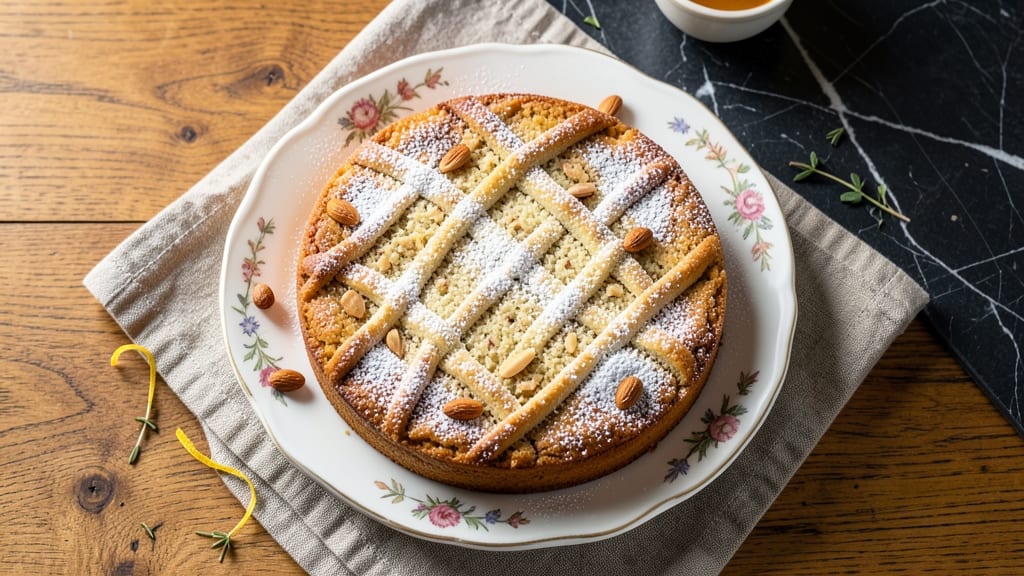
This almond semolina cake recipe delivers the perfect balance of textures—crispy golden top and moist, tender crumb—that makes every slice unforgettable. The secret lies in the semolina crust, which creates that signature crunch while the almond-infused sponge stays silky. I developed this recipe after years of testing, ensuring it's foolproof for home bakers with standard kitchen tools.
The beauty of this cake is its simplicity—just a handful of ingredients transformed into something extraordinary. Semolina provides the crunch, almonds add nutty depth, and a touch of citrus brightens the rich flavors. Baking time is precise: 350°F for 40-45 minutes, yielding a cake that's perfectly set with a crackly top.
What you'll achieve is a dessert that's elegant enough for special occasions but easy enough for weeknight treats. The almond flavor shines through without overpowering, while the semolina crust gives each bite satisfying texture contrast. Serve with a dusting of powdered sugar or fresh berries for a touch of freshness.
This recipe scales beautifully—whether you're baking for a crowd or treating yourself to a single slice. The method is straightforward, with no special techniques required. Let's get started on creating your perfect almond semolina cake.
Ingredients for almond semolina cake
Twelve essential ingredients create a cake with signature crunch and silky tenderness.
| Ingredient | Amount | Notes |
|---|---|---|
| All-Purpose Flour 🌾 | 2 ½ cups | Sifted for even texture |
| Fine Semolina 🌾 | 1 cup | For signature crust texture |
| Ground Almonds 🥜 | 1 ½ cups | Finely ground for smoothness |
| Granulated Sugar 🍚 | 1 ½ cups | Superfine preferred for blending |
| Unsalted Butter 🧈 | 1 cup | Cold, cubed for proper creaming |
| Large Eggs 🥚 | 3 whole | Room temperature for even mixing |
| Lemon Zest 🍋 | 1 tbsp | Freshly grated for brightness |
| Lemon Juice 🍋 | 2 tbsp | Freshly squeezed for acidity |
| Baking Powder 🧂 | 1 tsp | Diamond Crystal preferred |
| Salt 🧂 | ½ tsp | Fine sea salt for balance |
| Vanilla Extract 🌿 | 1 tsp | Pure, high-quality extract |
| Powdered Sugar 🍚 | ½ cup | For final dusting |
The semolina is non-negotiable for that signature crust—Bob's Red Mill or King Arthur brands deliver the finest grind. Ground almonds should be freshly processed (or finely ground yourself) to avoid grit. For butter, Plugrá or Land O'Lakes unsalted cubes work best when cold. Lemon zest from organic lemons adds vibrant brightness, so avoid pre-grated zest from jars. The baking powder must be fresh—test by dropping a pinch in hot water; it should fizz immediately.
No semolina? Fine cornmeal at half the amount mimics some texture, though it lacks the signature crunch. Substitute almonds with finely ground walnuts or hazelnuts, but flavor will shift slightly. Pre-grated zest works in a pinch, but fresh is always superior. For a richer texture, add 0.25 cup sour cream to the batter. The powdered sugar can be swapped for confectioners' sugar—just sift it well to avoid lumps. Always measure flour by scooping and leveling, never packing the cup.
Store the cake in an airtight container at room temperature for up to 3 days or refrigerate for 5 days. For longer storage, freeze slices wrapped individually for up to 3 months. The semolina crust hardens as it cools, so bring to room temperature before serving. I recommend slicing with a serrated knife for clean cuts. Leftovers reheat beautifully in a 350°F oven for 5-10 minutes to restore that crispy top.
Why You'll Love This Recipe
- No Mixer Needed: I swear by this recipe when my mixer’s on the fritz—just cream butter and sugar by hand, then fold in the dry ingredients. The semolina and ground almonds blend like butter, so no lumps or stress.
- Nutty Crunch Magic: That first bite? The semolina gives it a delicate crumb, while the almonds add a buttery, toasty crunch that sticks around even after a few days. Honestly, it’s the kind of cake that makes me reach for seconds without guilt.
- Crowd-Pleaser Any Day: I’ve served this to book clubs, potlucks, and even my mom’s picky dinner guests—no one’s ever turned it down. The neutral flavor lets it shine with fruit compotes, whipped cream, or even a drizzle of honey.
- Budget-Friendly Luxury: Ground almonds and semolina stretch the batter further than flour alone, and you’ll use less butter than in a traditional cake. Leftovers? They keep for days, and slices reheat beautifully—my go-to for lazy mornings.
Step-by-step instructions for almond semolina cake
Mastering this recipe delivers a perfect balance of crunchy semolina crust and tender almond sponge.
Prepare the Dry Ingredients with Precision
In a medium bowl, combine the 2.5 cups all-purpose flour, 1 cup fine semolina, 1.5 cups ground almonds, 1 tsp baking powder, and 0.5 tsp salt. Whisk vigorously for 1 full minute to eliminate any lumps and ensure even distribution of the semolina, which creates that signature crust texture. Sift the mixture through a fine-mesh sieve directly back into the bowl to aerate the ingredients—this step prevents dense pockets in your cake.
In a separate small bowl, mix the 1.5 cups granulated sugar, 1 tbsp lemon zest, and 1 tsp vanilla extract. The lemon zest adds brightness that cuts through the richness of the almonds, while the vanilla enhances the overall complexity. Set both bowls aside—you'll need them in the next step.
Cream Butter and Eggs for Maximum Lightness
In the bowl of a stand mixer fitted with the paddle attachment, combine the 1 cup cold, cubed unsalted butter and 3 whole large eggs at room temperature. Beat on medium speed for 3-4 minutes until the mixture is pale, fluffy, and has nearly doubled in volume. This creaming process incorporates air, which is crucial for that silky sponge texture you're after.
With the mixer running on low speed, gradually add the sugar-vanilla mixture in three additions, allowing each to fully incorporate before adding the next. The butter should be completely emulsified with no visible streaks of fat remaining. Scrape down the sides of the bowl with a rubber spatula to ensure even mixing—this prevents underdevelopment in the center of your batter.
Combine Wet and Dry Ingredients Gently
With the mixer still running on low speed, add the dry ingredient mixture in three portions, mixing just until combined after each addition. Be careful not to overmix—you're looking for a smooth, thick batter with no flour streaks remaining. The moment the flour disappears completely, stop mixing immediately to prevent developing gluten, which would make your cake dense.
In a small measuring cup, combine the 2 tbsp lemon juice with 1 tbsp water. Slowly pour this liquid into the batter while mixing on low speed until just incorporated. The lemon juice adds moisture and acidity that enhances the almond flavor while keeping the cake tender. The batter should be thick but pourable—if it's too stiff, you may need to add 1-2 teaspoons of milk to achieve the proper consistency.
Bake with Precision for Perfect Texture
Preheat your oven to 350°F and position a rack in the center position. Generously grease and flour a 9-inch round cake pan (or line with parchment paper for easier removal). Pour the batter into the prepared pan and smooth the top with a spatula. Tap the pan gently on the counter 3-4 times to eliminate any air bubbles that might cause uneven rising.
Bake for 45-50 minutes, or until a toothpick inserted into the center comes out clean with just a few moist crumbs clinging to it. The edges should be golden brown, and the top should have a slight crust with a crackly semolina texture. For even baking, rotate the pan 180 degrees after 25 minutes. If the top browns too quickly, tent loosely with aluminum foil.
Finish with Powdered Sugar and Cool Properly
Remove the cake from the oven and let it cool in the pan for 10 minutes. Then, invert the cake onto a wire rack and carefully peel away the parchment (if used). While still warm, sift the 0.5 cup powdered sugar evenly over the top of the cake. The heat from the cake will help the powdered sugar adhere beautifully, creating that signature dusted finish.
Allow the cake to cool completely on the wire rack before slicing. This resting period is crucial—it lets the internal structure set properly and prevents a gummy texture. The contrast between the crunchy semolina top and the silky almond sponge will be most pronounced when served at room temperature. Cut into 8 equal wedges for perfect portions that showcase both textures in harmony.
Pro Tips For Making Almond Semolina Cake
- Sift the Semolina First: I used to just dump the semolina in and wonder why my cake turned out dense. Fine semolina clumps like a stubborn toddler—sift it through a fine-mesh sieve directly into your mixing bowl before adding anything else. This guarantees even distribution and a lighter texture. (Yes, even if you’re impatient like me.)
- Toast the Almonds Lightly: Ground almonds can taste bland if they’re straight from the jar. Pulse them in a food processor, then spread them on a baking sheet and toast in a 325°F (160°C) oven for 5–7 minutes until they smell nutty. Let them cool completely before mixing—this step makes a real difference in flavor without overpowering the cake.
- Don’t Overmix the Batter: The moment you add the eggs, stop folding. I learned this the hard way—overmixing turns the ground almonds into a gummy mess. Use a spatula to gently combine just until the flour is barely incorporated. The batter should look shaggy, not smooth. Trust me, your cake will thank you.
- Use Room-Temp Butter: Cold butter creates tunnels in the cake; melted butter makes it greasy. Take the butter out of the fridge 1–2 hours before baking (or microwave it in 10-second bursts until soft but not liquid). Cream it with the sugar until it’s pale and fluffy—this isn’t the time to rush. (Your future self will notice the crumb.)
Serving suggestions for leftovers
Powdered Sugar Finish
Dusting the warm cake with ½ cup powdered sugar is my signature touch—it creates that elegant, snowy finish while adding a delicate sweetness. Use a fine-mesh sieve for an even distribution, and tap gently on the counter to settle it. For extra flair, add a few drops of almond extract to the powdered sugar before sifting. This enhances the nutty aroma without overpowering the cake's natural flavors. 💫
Fresh Berries Pairing
Raspberries or strawberries make perfect companions to this cake—their tartness balances the richness beautifully. Arrange 8-10 fresh berries on a platter around the cake slices, or create a quick coulis by blending 1 cup berries with 1 tbsp honey and 1 tsp lemon juice. Drizzle lightly over the cake for a vibrant presentation. I love using organic berries from local farmers' markets when in season.
Creamy Lemon Curd
A spoonful of homemade lemon curd elevates this cake to restaurant-quality. Whisk 3 egg yolks, ½ cup sugar, ¼ cup lemon juice, and 3 tbsp butter over a double boiler until thickened. Spread a thin layer on each slice or serve on the side for dipping. The citrusy tang complements the almond flavor perfectly while adding a luxurious texture. Store any leftovers in the fridge for up to 5 days.
Whipped Cream Variations
Lightly sweetened whipped cream is a classic pairing, but I like to customize it. For vanilla lovers, whip 1 cup heavy cream with 1 tbsp powdered sugar and ½ tsp vanilla extract. For a nutty twist, fold in 1 tbsp toasted almond butter into the whipped cream before serving. This creates a cohesive flavor profile that ties back to the cake's almond base. Use a piping bag for elegant swirls or simply dollop with a spoon.
Espresso Infusion
If you enjoy coffee flavors, try adding 1 tsp instant espresso powder to the batter during mixing. This subtle infusion pairs wonderfully with the almond and creates a sophisticated dessert. Serve with a small cup of cold brew coffee on the side for dipping. The bitterness of the coffee cuts through the cake's sweetness while enhancing the nutty depth. This variation works especially well for after-dinner servings. ☕
Seasonal Garnishes
Adjust your garnishes based on what's fresh. In summer, top with toasted sliced almonds and fresh mint leaves. For fall, sprinkle with cinnamon sugar and a few chopped walnuts. Winter calls for a dusting of cocoa powder and a few cranberries. These seasonal touches keep the presentation exciting while complementing the cake's natural flavors. Always garnish just before serving to maintain freshness. 🍂
Nutrition facts
Frequently asked questions
Why does this recipe use both semolina and almonds?
The semolina creates that signature crunchy golden crust on top, while the ground almonds add nutty richness to the tender sponge layer. Together, they create the perfect texture contrast—crispy exterior and moist interior. The almonds also enhance the cake's natural sweetness without needing extra sugar.
Can I make this cake without a stand mixer?
Use a hand mixer or even a sturdy whisk. For the butter and eggs, beat by hand for 5-7 minutes until light and fluffy. Mix the dry ingredients in a large bowl first, then gradually incorporate them into the wet mixture using a spatula. Just be patient—it'll take a bit more elbow grease, but you'll still get that perfect texture.
What's the secret to getting that crackly semolina top?
The key is baking at 350°F for 40-45 minutes until the edges are golden brown. Don't overbake—the cake should be just set when a toothpick comes out clean. The semolina needs time to crisp up, so let it cool completely in the pan for 10 minutes before transferring. Patience here makes all the difference!
How can I tell if my cake is done?
Insert a toothpick into the center—it should come out with just a few moist crumbs, not wet batter. The edges should be golden brown, and the semolina top should look crackly but not overly dark. If it browns too quickly, tent with foil after 25 minutes. The cake will continue setting as it cools.
Can I substitute semolina with something else?
For a similar texture, try ½ cup fine cornmeal (though it won't be as crispy) or ½ cup crushed graham crackers for a sweeter variation. The semolina's unique graininess is hard to replicate, but these alternatives work in a pinch. Just don't skip it entirely—the crust is what makes this cake special!