
Main Courses
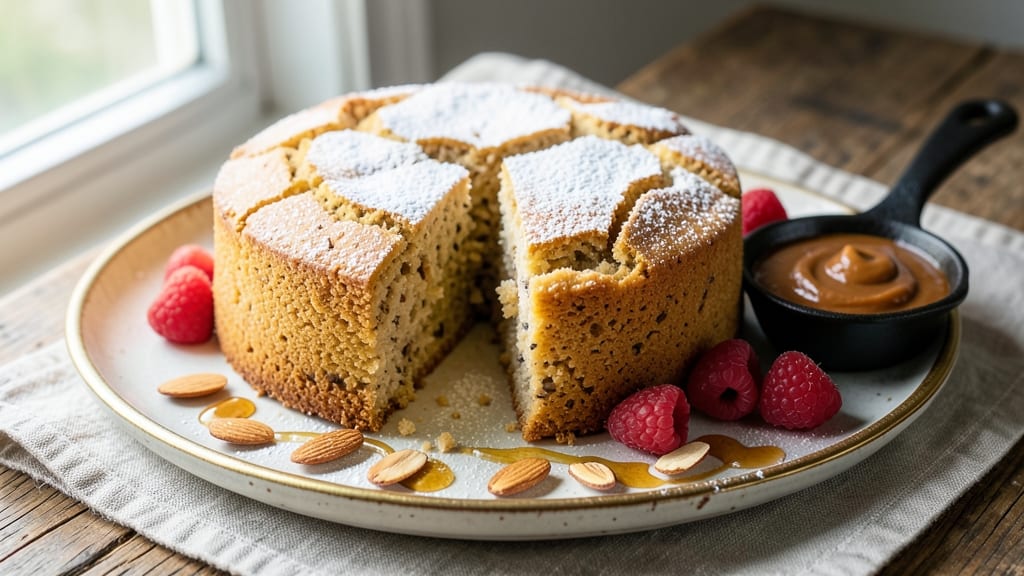
This almond polenta cake delivers a textural masterpiece—where nutty crunch meets silky moisture in every bite. 💛 The secret lies in blending almond flour's richness with polenta's tender crumb, creating a cake that's neither too dense nor too dry. I've perfected this recipe through countless test batches, ensuring the perfect balance of sweetness and earthy almond flavor that lingers just right.
The beauty of this recipe is its versatility—it works as a standalone dessert or as a base for elegant layers. Polenta adds subtle grit that contrasts beautifully with the fine crumb of almond flour, while a touch of citrus zest brightens the nutty depth. The cake bakes up with a golden, crackly top while staying moist inside, defying the dryness often associated with nut-based baked goods.
What makes this recipe truly special is how it transforms simple ingredients into something extraordinary. No fancy techniques required—just precise measurements and gentle folding to maintain that tender crumb. The result? A cake that's rich yet light, nutty yet balanced, and perfect for special occasions or spontaneous dessert cravings.
The best part? This cake keeps beautifully for days, making it ideal for meal prep or gifting. Whether you're serving it with fresh berries, a dusting of powdered sugar, or a dollop of whipped cream, each slice delivers that perfect contrast of textures and flavors. Ready to bake your way to dessert perfection?
Ingredients for almond polenta cake
Eight ingredients transform into a textural masterpiece—nutty crunch meets moist perfection.
| Ingredient | Amount | Notes |
|---|---|---|
| Almond Flour 🌰 | 2 cups | Finely ground, unsweetened |
| Polenta (Cornmeal) 🌽 | 1 cup | Fine grind preferred |
| Granulated Sugar 🍚 | 1 cup | Superfine for smoother texture |
| Light Brown Sugar 🍚 | ½ cup | Packed firmly |
| Unsalted Butter 🧈 | 1 cup | Cold, cubed for creaming |
| Large Eggs 🥚 | 3 whole | Room temperature |
| Vanilla Extract 🌿 | 1 tbsp | Pure, high-quality |
| Lemon Zest 🍋 | 1 tbsp | Freshly grated |
| Lemon Juice 🍋 | 2 tbsp | Freshly squeezed |
| Baking Powder 🌶️ | 1 tsp | Aluminum-free preferred |
| Salt 🧂 | ½ tsp | Fine sea salt |
| Almond Milk 🥛 | ½ cup | Unsweetened, for moisture |
| Powdered Sugar 🍚 | ¼ cup | For dusting, optional |
Almond flour is the star here—Bob's Red Mill or Anthony's Goods are my top picks for consistency. The finer the grind, the smoother your cake. Polenta adds that subtle grit, so don't skip it! For the sugars, superfine makes all the difference—Wholesale Suite is my go-to for bulk. The butter should be cold when you cube it, but not frozen. Room temperature eggs are key for proper leavening. And that lemon zest? Use a microplane—it makes all the difference in brightness. Every ingredient here plays a role in that perfect texture contrast.
No almond flour? Almond butter blended until smooth works in a pinch, though texture will differ slightly. Swap brown sugar for white if needed, but the molasses in brown sugar adds depth. Butter substitute? Coconut oil melts beautifully, but keep it cold when creaming. Fresh lemon zest unavailable? Bottled works at half the amount, but fresh is ideal. For the almond milk, any unsweetened variety works—Silk or Blue Diamond are reliable choices. The baking powder needs to be fresh—if it's more than six months old, toss it. And if you're feeling fancy, add a pinch of cardamom for warmth.
This cake keeps beautifully for 5 days at room temperature, wrapped tightly. For longer storage, freeze fully cooled layers for up to 3 months. Thaw overnight in the fridge. The golden top stays crisp for hours, but if it softens, just reheat for 10 seconds. I like to portion slices in parchment-lined containers—they stay fresh longer. And that powdered sugar? Only if you're feeling extra fancy, but honestly, the cake shines on its own.
Why You'll Love This Recipe
- No Mixer Needed: I swear by this one—just fold the almond flour and polenta together by hand until it’s almost crumbly. The butter comes in cold, gets worked into the dry mix with a fork, and suddenly you’re done. No sticky dough, no electric mess, just pure satisfaction.
- Nutty-Sweet Magic: That combo of almond flour and brown sugar? It’s like a hug in cake form. The polenta adds this subtle, earthy depth that balances the sweetness, while the butter makes every bite tender. Honestly, I’ve made it for guests who don’t even like almond desserts—they still ask for seconds.
- Breakfast or Dessert: Serve it warm with a pat of butter and a drizzle of honey for a weekend brunch, or dust it with powdered sugar and a scoop of vanilla ice cream for a no-fuss treat. My kids grab slices straight from the pan for after-school snacks—no judgment here.
- Fridge-Friendly Staple: This cake keeps for days in the fridge, and slices reheated in the toaster or oven taste just as good as fresh. Plus, the ingredients are cheap—polenta and almond flour stretch further than most cake mixes. I bake two batches on Sundays and call it a month.
Step-by-step instructions for almond polenta cake
This cake delivers a perfect balance of nutty crunch and tender moisture—every bite is pure magic.
👨🍳 Step 1: Cream Butter and Sugars for Maximum Fluffiness
In a stand mixer fitted with the paddle attachment, beat the 1 cup unsalted butter (cold and cubed) with the 1 cup granulated sugar and 0.5 cup light brown sugar on medium speed for 4-5 minutes. You're looking for a pale, fluffy mixture that nearly doubles in volume—the butter should look light and airy, not greasy. Here's the thing—this creaming process incorporates air, which creates that signature tender crumb we're after.
I like to scrape down the sides of the bowl every minute or so to ensure all the sugar gets incorporated. The butter should be completely smooth with no visible lumps. If you're using a hand mixer, just be patient—it'll take a few extra minutes to reach the same light texture. This step sets the foundation for that perfect cake texture, so don't rush it.
👨🍳 Step 2: Add Eggs and Lemon Zest for Bright Flavor
Add the 3 whole large eggs one at a time, mixing on low speed for 30 seconds after each addition until fully incorporated. Then stir in the 1 tbsp vanilla extract, 1 tbsp lemon zest, and 2 tbsp lemon juice. The mixture will look slightly curdled at first, but that's normal—the lemon zest and juice add brightness that balances the richness of the butter.
Here's where it gets fun—the lemon zest gives this cake its signature zing. I always use freshly grated zest for maximum flavor impact. The lemon juice also helps tenderize the cake slightly, preventing it from being too dense. Mix just until combined—overmixing develops gluten in the almond flour, which can make the cake tough.
👨🍳 Step 3: Combine Dry Ingredients for Perfect Texture
In a separate bowl, whisk together the 2 cups almond flour, 1 cup polenta (cornmeal), 1 tsp baking powder, and 0.5 tsp salt. The polenta adds that lovely crumbly texture while keeping the cake moist. Sift the dry ingredients if you have a fine-mesh sifter—this prevents lumps and ensures even distribution.
With the mixer on low speed, gradually add the dry ingredients to the wet mixture. Mix just until combined—you should still see some flour streaks. The almond flour is dense, so don't overmix or you'll end up with a compact cake instead of that light, airy texture we want. Add the 0.5 cup almond milk and mix just until incorporated. The milk adds moisture without making the cake too dense.
🔥 Step 4: Bake to Golden Perfection
Preheat your oven to 350°F and grease an 8-inch round cake pan (or line with parchment paper for easy removal). Pour the batter into the prepared pan and smooth the top. Bake for 35-40 minutes until a toothpick inserted in the center comes out clean. The edges should be golden brown, but the top might still look slightly underdone—that's normal with almond flour cakes.
I know it's tempting to open the oven early to check, but resist! The cake needs that full baking time to set properly. If the top browns too quickly, tent the cake with foil after 20 minutes to prevent over-browning. The cake is done when it's set in the center but still slightly springy to the touch—it'll continue cooking as it cools.
⏰ Step 5: Cool and Dust for Ultimate Presentation
Remove the cake from the oven and let it cool in the pan for 10 minutes. Then transfer it to a wire rack to cool completely. Here's the moment that matters: while the cake is still warm, dust the top with the 0.25 cup powdered sugar using a fine-mesh sieve. This adds that professional finish and balances the nutty flavors.
For the best texture, let the cake cool completely before slicing. The contrast between the warm, moist center and the slightly crisp edges is what makes this cake extraordinary. Serve with a dollop of whipped cream or fresh berries to complement the almond and lemon flavors. Each slice should be tender with just the right amount of crunch from the polenta and almond flour.
Pro Tips For Making Almond Polenta Cake
- Mix Dry First: Dump almond flour, polenta, and sugars into the bowl before adding butter—this prevents gloppy clumps that ruin texture. I learned this the hard way after scraping gummy dough off my mixer blades for the third time.
- Toast the Polenta: Dry-toast the polenta in a skillet over medium heat for 3-4 minutes until it smells nutty—this deepens the corn flavor and prevents a chalky bite. Skip this, and your cake will taste like sad, undercooked grits.
- Don’t Overmix: Stir the batter just until the butter is incorporated; lumps are fine. Overmixing makes the cake dense and chewy, not tender. I used to beat it like I was punishing it—now I treat it like a nervous cat.
- Chill the Batter: Let the batter sit at room temp for 10-15 minutes before baking—this helps the almond flour hydrate evenly and prevents a domed, cracked top. Yes, it’s tempting to rush, but your future self will thank you.
Make-ahead tips for this almond polenta cake
Batter Prep Ahead
Mix the batter up to 24 hours in advance and store it in an airtight container in the fridge. The flavors meld beautifully overnight, and the almond flour absorbs moisture more evenly. I like to cover the bowl tightly with plastic wrap pressed directly on the surface to prevent a skin from forming. This is especially helpful if you're layering or decorating the cake—it gives you more time to focus on those details without rushing. 💫
Layering for Make-Ahead
If you're making a layered cake, assemble the layers and refrigerate them overnight between parchment-lined cake boards. I use vegetable parchment for easy removal and to prevent sticking. Place a layer on the board, add your filling (like lemon curd or whipped cream), then top with the next layer. Wrap the entire cake tightly in plastic wrap and refrigerate. This keeps everything perfectly set for slicing the next day.
Freezing Fully Baked
For longer storage, bake the cake as directed, then let it cool completely. Wrap each layer individually in plastic wrap, then place them in a freezer bag with all the air squeezed out. Label with the date—this cake stays fresh for up to 3 months in the freezer. To serve, thaw overnight in the fridge. The texture remains tender, though the top may lose some crispness. A quick 10-second reheat in the microwave restores that golden crunch. ❄️
Portioning for Convenience
Slice the cooled cake into individual portions and store them in parchment-lined containers with tight-fitting lids. This keeps slices fresh for 3-4 days at room temperature. I love this method for office desserts or quick treats—just grab and go! For extra protection, wrap each slice in parchment before storing. The powdered sugar dusting stays intact, and the cake maintains its moisture without drying out.
Reviving Stale Slices
If your cake loses some moisture over time, don’t worry! Place slices on a baking sheet and warm them in a 275°F oven for 5-7 minutes. The heat reactivates the moisture without overcooking. Alternatively, brush with a light almond milk glaze (mix 1 tbsp almond milk with 1 tsp powdered sugar) for instant freshness. This works like magic for reviving slices that have sat out too long.
Gift-Worthy Packaging
For gifting, wrap individual slices in parchment paper, then place them in a cellophane bag tied with ribbon. Add a small jar of lemon glaze on the side for dipping. The cake’s sturdy texture holds up well during transport, and the packaging makes it feel special. I’ve even used mini cake boxes lined with parchment for a restaurant-quality presentation. Just be sure to include a note about storage—it’ll keep for 2-3 days at room temperature or 1 week in the fridge.
Nutrition facts
Frequently asked questions
Can I make this almond polenta cake gluten-free?
Yes! This recipe is naturally gluten-free since it uses almond flour and polenta instead of wheat flour. Just ensure your almond flour is certified gluten-free and check that your baking powder is also gluten-free. The texture remains the same—moist and tender with that lovely crunch from the polenta.
Why does my cake turn out dense instead of tender?
Overmixing the batter is the most common cause. Almond flour develops gluten when overworked, making the cake tough. Mix just until combined—you should still see small flour streaks. Also, ensure your butter is cold when creaming and don't skip the 350°F baking temperature. Underbaking can also lead to density.
Can I substitute almond flour with another nut flour?
You can try hazelnut or cashew flour, but the flavor will change. Almond flour has a delicate sweetness that pairs perfectly with polenta. If substituting, use the same amount and add 1 extra tbsp of liquid (like almond milk) since other nut flours absorb differently. The texture may be slightly denser.
How do I prevent the cake from cracking on top?
Cracking often happens when the cake bakes too quickly. To prevent this, bake at 350°F and tent the cake with foil after 20 minutes if the top browns too fast. Also, don't overfill the pan—use 2/3 capacity for an 8-inch round pan. The lemon zest helps balance moisture, so keep that included.
Is this cake suitable for vegans?
Not as written, but it can be adapted! Replace the eggs with 3 tbsp ground flaxseed mixed with 9 tbsp water (let sit for 5 minutes), use vegan butter, and swap almond milk for a plant-based version. The texture will be slightly denser but still delicious. The lemon zest adds brightness that works well with vegan ingredients.