
Desserts
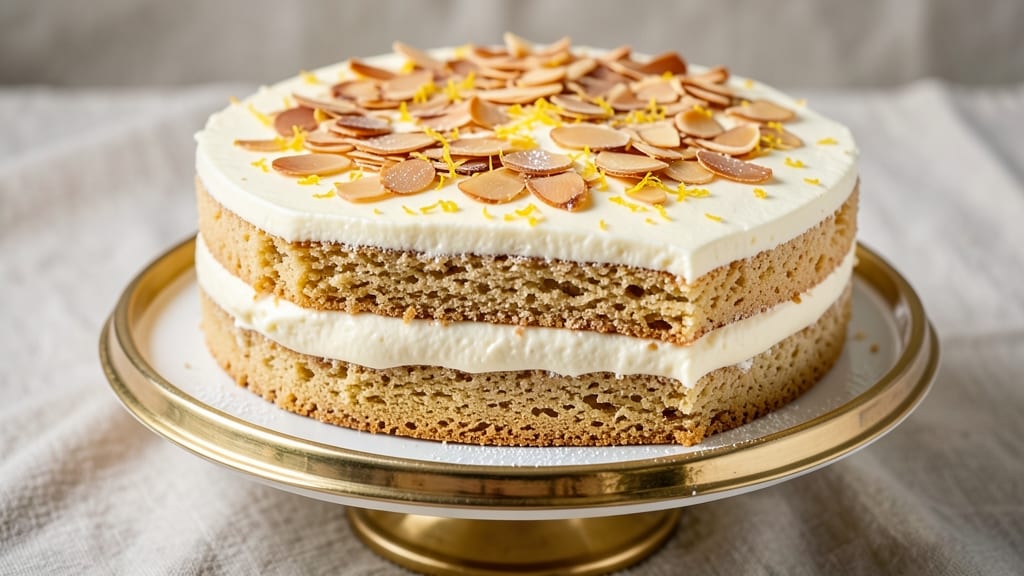
This almond macaroon cake delivers the perfect balance of nutty crunch and moist vanilla layers—a dessert that feels indulgent yet refined. The secret lies in finely ground almond flour, which creates a tender crumb while maintaining that signature macaroon texture. I developed this recipe after years of perfecting almond-based desserts, ensuring every slice offers both structure and melt-in-your-mouth richness.
The cake's magic starts with a simple yet precise technique: combining almond flour with just enough moisture to bind without making the batter too dense. A touch of vanilla extract and a pinch of salt elevate the almond flavor, while a hint of lemon zest brightens the overall profile. The result? A cake that's lightly sweet, subtly aromatic, and far more complex than traditional macaroon treats.
What sets this apart is the dual texture—crisp edges from a light golden bake, paired with a tender, almost chewy interior that holds together beautifully. The cake stays moist for days, making it ideal for special occasions or when you want a showstopping dessert without the fuss. Each slice offers a harmonious blend of almond nuttiness and vanilla sweetness, proving that almond-based desserts can be both elegant and foolproof.
For an extra touch, top with a dusting of powdered sugar or a drizzle of honey-almond glaze. The recipe scales easily for gatherings, and leftovers reheat beautifully. Let's create this restaurant-worthy almond macaroon cake that's sure to impress.
Ingredients for almond macaroon cake
Twelve ingredients for a refined dessert balancing delicate crunch and velvety vanilla layers.
| Ingredient | Amount | Notes |
|---|---|---|
| Super-Fine Almond Flour 🌰 | 2 ½ cups | Finely ground for optimal texture |
| All-Purpose Flour 🌾 | ½ cup | For structural balance |
| Granulated Sugar 🍚 | 1 ¼ cups | Lightly packed for even distribution |
| Pure Vanilla Extract 🌿 | 1 ½ tbsp | High-quality Madagascar bourbon |
| Fresh Lemon Zest 🍋 | 1 tbsp | Organic, finely grated |
| Large Egg Whites 🥚 | 4 whole | Room temperature for stability |
| Unsalted Butter 🧈 | ½ cup | Cold, cubed for even melting |
| Diamond Crystal Kosher Salt 🧂 | ½ tsp | Fine grain for delicate seasoning |
| Powdered Sugar 🍚 | ½ cup | For final dusting |
| Extra-Virgin Olive Oil 🫒 | ¼ cup | Light infusion for moisture |
| Almond Extract 🌰 | ½ tsp | Pure, not imitation |
| Baking Powder 🍞 | ½ tsp | Aluminum-free for neutral flavor |
The almond flour is non-negotiable—Bob's Red Mill Super-Fine is my go-to for consistent texture, but any high-quality brand works. Whole Foods or Trader Joe's carry excellent options, and their bulk bins let you test the grind before committing. For the butter, Plugrá or Land O'Lakes unsalted deliver the most reliable fat content, though European brands like Bergkäse elevate the flavor profile. The egg whites must be room temperature; cold whites won't whip properly, and that's when your cake's structure suffers. Lemon zest should be freshly grated—organic Meyer lemons from the grocery store's produce section add subtle complexity without bitterness.
No almond flour? Blend whole almonds into a fine powder (food processor, 30 seconds), but sift thoroughly to avoid grit. Substitute half the almond flour with finely ground hazelnut flour for a different nutty profile. The vanilla extract can be imitation if you're pinched for cash, but Madagascar bourbon vanilla from McCormick or Nelson & Sons makes a noticeable difference. Powdered sugar? Domino is the most reliable brand—it dissolves smoothly without clumping. For the olive oil, California Olive Ranch extra-virgin offers the perfect balance of fruity notes without overpowering the almond flavor. If you're missing baking powder, whisk 1/4 tsp cream of tartar + 1/4 tsp baking soda as a substitute.
Store the cake at room temperature in an airtight container for 3 days, or refrigerate for up to 5 days if you're prepping ahead. For longer storage, freeze the fully cooled cake for 3 months—thaw overnight at room temperature. The powdered sugar topping should be added just before serving to prevent moisture loss. This cake reheats beautifully; wrap a slice in foil and warm for 20 seconds in the microwave for that fresh-baked texture. Portion into individual servings before freezing to maintain structural integrity.
Why You'll Love This Recipe
- No Mixer Needed: I swear by this recipe when my mixer’s on vacation—just fold the almond flour and sugar with my hands until it clumps like wet sand. The lemon zest brightens everything up without extra fuss, and honestly? The texture turns out better when you don’t overwork it.
- Sunshine in Every Bite: That fresh lemon zest isn’t just garnish—it cuts through the sweetness like a citrusy hug. The vanilla deepens the flavor without overpowering, and the almond flour gives it a nutty richness that feels indulgent but isn’t heavy. (Yes, even on a Tuesday night.)
- Crowd-Pleaser for Less: Between us, this cake costs half what a bakery version would, but no one guesses. The almond flour keeps it light, so slices are generous, and the vanilla-lemon combo makes it taste like a fancy dessert. I’ve served it at brunch, potlucks, and even as a “healthy” dessert for kids—no one bats an eye.
- Leftovers That Last: The cake stays moist for days if you wrap it right, but here’s the real win: it’s the perfect make-ahead dessert. Bake it Sunday, and you’ve got a showstopper for Wednesday’s dinner guests. Plus, the almond flour means no weird aftertaste—just pure, buttery-sweet satisfaction.
Step-by-step instructions for almond macaroon cake
Achieve the perfect balance of nutty crunch and tender layers with this precise method.
Prepare the Almond Macaroon Layer
Preheat your oven to 350°F and line an 8-inch round cake pan with parchment paper. In a food processor, combine the 2.5 cups super-fine almond flour, 1.25 cups granulated sugar, 0.5 tsp baking powder, and 0.5 tsp diamond crystal kosher salt. Pulse until just combined, ensuring no large flour clumps remain.
Add the 1.5 tbsp pure vanilla extract, 0.5 tsp almond extract, 1 tbsp fresh lemon zest, and 0.25 cup extra-virgin olive oil to the food processor. Pulse again until the mixture forms a coarse, crumbly texture. Avoid over-processing or the mixture will become greasy.
Transfer the almond mixture to the prepared cake pan and spread it evenly using a small offset spatula. Press down firmly to create a compact base layer. Bake for 12-15 minutes until the edges are lightly golden and the center feels set when pressed gently. The cake should pull away slightly from the sides of the pan but remain moist.
Create the Vanilla Moist Layer
While the almond layer bakes, prepare the vanilla layer. In a separate bowl, whisk together the 4 whole large egg whites until they form soft peaks. Gradually add the 0.5 cup unsalted butter, cut into small cubes, while continuing to whisk. The mixture should become smooth and slightly thickened.
In a small saucepan, combine the remaining 0.5 cup powdered sugar with 2 tbsp water and heat gently over medium-low heat until the sugar dissolves completely. Remove from heat and let cool slightly. Slowly drizzle this sugar syrup into the egg white mixture while whisking continuously. The batter should become glossy and thick, similar to a light custard.
Pour the vanilla mixture over the partially baked almond layer, spreading it evenly to the edges. Return the cake to the oven and bake for an additional 10-12 minutes until the center is set and a toothpick inserted comes out clean. The top should be golden but not browned.
Finish and Cool the Cake
Remove the cake from the oven and let it cool in the pan for 10 minutes. This brief cooling period prevents the cake from cracking as it cools completely. Run a thin knife around the edges to loosen it from the pan, then carefully invert the cake onto a wire rack.
Peel off the parchment paper and let the cake cool completely at room temperature for at least 2 hours. This extended cooling time is crucial for developing the proper texture contrast between the moist vanilla layer and the crunchy almond base. The cake should be completely cool before slicing to ensure clean cuts.
Serve with Proper Technique
Use a sharp serrated knife to cut the cake into 8 even slices. Dip the knife in hot water and wipe it dry between each cut to ensure clean edges. Serve the cake at room temperature, allowing the flavors to fully meld. The almond layer should provide a delicate crunch, while the vanilla center remains tender and moist.
For best results, store any leftovers in an airtight container at room temperature for up to 3 days. The cake's texture will remain optimal if protected from moisture. Enjoy each slice with a dusting of additional powdered sugar or a drizzle of lemon glaze for enhanced presentation.
Pro Tips For Making Almond Macaroon Cake
- Sift the Almond Flour: After making this cake a dozen times, I learned that clumping super-fine almond flour is the fastest way to dry, dense bites. Use a fine-mesh sieve and tap it firmly against the bowl—don’t just pour it in. The extra effort guarantees a light, airy texture instead of a brick.
- Toast the Lemon Zest: Fresh lemon zest packs the punch, but raw zest can taste bitter. Lightly toast it in a dry skillet for 30 seconds until fragrant—just until you smell citrus warmth, not burning. This step deepens the flavor without overpowering the almond sweetness.
- Don’t Overmix the Batter: I used to blend the wet and dry ingredients until smooth, thinking more mixing = better texture. Wrong. Fold just until combined—lumps are fine—because overworking it turns the cake dense. A few streaks of almond flour are better than a homogenous paste.
- Use Room-Temp Eggs: Cold eggs curdle when mixed with sugar, leading to a grainy texture. Take them out of the fridge 30 minutes before whipping—yes, even if you’re in a hurry. The batter will be smoother, and the cake will rise more evenly. Trust me, your future self will notice.
Troubleshooting this recipe
Cracked Top Fix
If your cake develops cracks during baking, it’s usually from overmixing the almond layer or opening the oven too soon. To prevent this, press the almond mixture firmly into the pan before baking—this creates a solid base that holds up better. Also, avoid peeking at the cake while it bakes; the sudden temperature drop can cause cracks. If cracks appear, dust with extra powdered sugar after cooling to mask them. 💫
Dense Texture Solution
A dense cake often means the almond layer absorbed too much moisture. To fix this, ensure your almond flour is super-fine (no grit) and pulse it just until combined with sugar—over-processing releases oils that make the batter greasy. If the texture is still off, reduce the olive oil by 1 tbsp next time. For a quick fix, slice the cake thinner to highlight the moist vanilla layer. ✨
Dry Almond Layer
If the almond base turns out dry, it likely baked too long or the oven ran hot. The edges should be lightly golden but not browned—aim for 12-15 minutes at 350°F. To revive a dry cake, brush the top with a simple syrup (equal parts sugar and water, heated until dissolved) before assembling the vanilla layer. This adds moisture without altering the texture. 💧
Egg White Issues
If your vanilla layer doesn’t set properly, the egg whites may have been over-whipped or under-whipped. For soft peaks, whisk just until the mixture holds its shape when the whisk is lifted. If the batter looks curdled, whisk in 1 tbsp warm water to smooth it out. For extra stability, chill the egg whites in the fridge for 10 minutes before whipping—this helps them hold air better. 🥚
Sticky Cake Problem
A sticky cake usually means excess moisture from the almond layer or underbaked vanilla layer. To troubleshoot, press the almond mixture more firmly into the pan and reduce baking time by 1-2 minutes. If the cake still sticks, let it cool completely before removing it from the pan—this helps it release cleanly. For future bakes, line the pan with parchment paper and grease it lightly with olive oil. 🧼
Uneven Baking
Uneven baking often happens if the oven isn’t calibrated or the cake pan isn’t placed correctly. Rotate the pan halfway through baking for even heat distribution. If your oven runs hot, reduce the temperature to 340°F. For a quick test, bake a small batch of muffins alongside your cake to check oven accuracy. 🔥
Nutrition facts
Frequently asked questions
Can I make this almond macaroon cake gluten-free?
Yes! Simply replace the 0.5 cup all-purpose flour with an equal amount of gluten-free 1:1 baking flour (like Bob's Red Mill or King Arthur). Make sure your almond flour is certified gluten-free to avoid cross-contamination. The texture will remain the same, but check that your gluten-free flour doesn't contain xanthan gum—it can make the cake slightly denser.
How do I prevent the almond layer from crumbling too much?
Press the almond mixture firmly into the pan before baking to create a solid base. Avoid overmixing the batter—just pulse until combined. For extra stability, chill the pan in the fridge for 15 minutes before baking. The key is balance: the layer should hold together but still have that signature crunch.
Can I substitute almond flour with another nut flour?
Hazelnut or cashew flour work best as substitutes, but expect a slightly different flavor profile. Use a 1:1 ratio and add 1 extra tbsp of liquid (like olive oil) since nut flours vary in moisture content. For a more authentic texture, toast the nuts first to enhance their natural oils. Walnut flour is too strong and can make the cake bitter.
Why does my cake have a strong almond taste?
The almond flavor comes from both the flour and the extract. To mellow it, reduce the almond extract to 0.25 tsp and add 0.5 tsp lemon zest to brighten the profile. For a sweeter contrast, increase the vanilla extract to 2 tsp. The cake's texture should remain the same, just with a more balanced flavor.
How can I make this cake nut-free?
Replace the almond flour with a blend of 1.5 cups gluten-free oat flour and 1 cup rice flour, plus 1 extra tbsp olive oil for moisture. The texture will be lighter but less crunchy. For flavor, add 1 tsp coconut extract (if available) or extra vanilla. This version works best for nut allergies but loses the signature crunch.