
Desserts
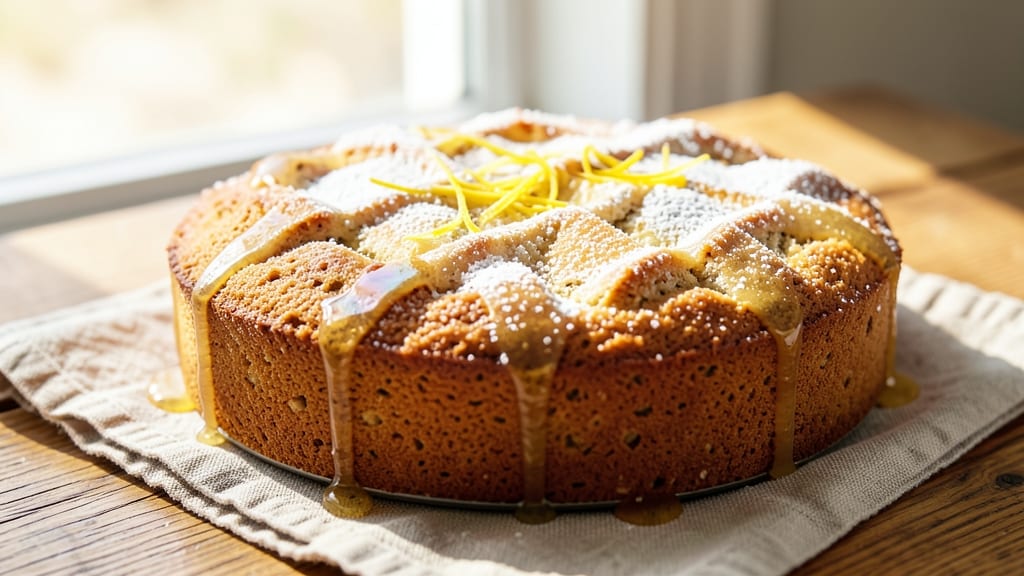
This almond flour tea cake recipe delivers a lightly sweetened, citrus-kissed dessert that’s perfectly balanced—moist yet tender, with a delicate crumb and subtle nutty depth. The secret lies in the almond flour base, which creates a naturally rich texture without overpowering sweetness, while fresh lemon zest adds a bright, refreshing contrast. What makes this recipe stand out is its simplicity: just a handful of ingredients, minimal mixing, and a baking time of 25 minutes at 350°F for a golden, fragrant cake that’s ready in time for afternoon tea.
The cake’s magic comes from the combination of almond flour and a touch of citrus—whether lemon or orange—that keeps it light yet satisfying. Unlike traditional tea cakes, this version skips heavy butter or sugar, making it a great option for those watching their intake without sacrificing flavor. The result is a cake that’s elegant enough for guests but easy enough for a weeknight treat, with a subtle crunch from toasted almonds on top for added texture.
Once baked, the cake stays moist for days, making it ideal for meal prep or gifting. Serve it warm with a dusting of powdered sugar or a light glaze for extra elegance, and pair it with a cup of Earl Grey or chai for the perfect afternoon indulgence. The citrus notes elevate the almond flavor, creating a dessert that’s both comforting and refreshing—proof that simple ingredients can deliver extraordinary results.
Whether you’re hosting a tea party or simply craving a lighter dessert, this recipe is designed to impress with minimal effort. The almond flour base ensures a naturally gluten-free option, while the citrus zing keeps it vibrant and full of character. Ready in just 30 minutes from start to finish, it’s the perfect balance of effortless and extraordinary.
Ingredients for almond flour tea cake
Lightly sweetened with citrus and almond flour for a delicate, gluten-free tea cake.
| Ingredient | Amount | Notes |
|---|---|---|
| Almond Flour 🥜 | 1 ½ cups | Finely ground, unsweetened |
| Unsalted Butter 🧈 | ½ cup | Cold, cubed for texture |
| Granulated Sugar 🍚 | ½ cup | Light brown preferred |
| Large Eggs 🥚 | 2 whole | Room temperature |
| Vanilla Extract 🌿 | 1 tsp | Pure Madagascar preferred |
| Fresh Lemon Zest 🍋 | 1 tbsp | Finely grated |
| Unsweetened Almond Milk 🥛 | ½ cup | Room temperature |
| Baking Powder 🧂 | ½ tsp | Diamond Crystal preferred |
| Salt 🧂 | ¼ tsp | Fine sea salt |
| Toasted Sliced Almonds 🥜 | ¼ cup | For topping |
| Powdered Sugar 🍚 | 2 tbsp | For dusting |
The almond flour is the star here—Bob's Red Mill or Anthony's Goods are my go-tos for the finest grind. If you can't find unsweetened, pulse regular almond flour in a food processor for 30 seconds to remove excess oils. Trader Joe's often carries pre-ground almond flour at a good price. For the butter, Plugrá or Land O'Lakes work well, but avoid salted—you want to control the seasoning yourself. The lemon zest should be vibrant yellow, not pale or bitter; organic lemons from the store's produce section usually deliver the best flavor.
No almond flour? Oat flour (blend rolled oats) or coconut flour (reduce other liquids by 2 tbsp) can work, but texture will differ. Short on almond milk? Coconut milk adds richness, or plain Greek yogurt for tang. The baking powder is non-negotiable—Diamond Crystal measures differently than other brands (use 1/4 tsp less if using aluminum-free brands). For extra zing, add 1 tsp orange zest instead of lemon. The toasted almonds? Lightly brown in a dry pan for 3-4 minutes—they should smell nutty, not burnt.
Batter keeps for 2 days in the fridge, covered tightly. For longer storage, freeze the batter in an airtight container for up to 3 months. Once baked, the cake stays moist for 4-5 days at room temperature, wrapped in foil. To revive, warm for 20 seconds in the microwave with a damp paper towel. The powdered sugar topping? Sift it for a flawless finish. Store leftovers in the fridge for up to 5 days—perfect for quick tea-time slices.
Why You'll Love This Recipe
- No Mixer Needed: I swear by this recipe when my stand mixer’s on strike—just cream the butter and sugar by hand until fluffy. The almond flour’s fine texture means no lumps, and the eggs bind everything together without fuss. Honestly, it’s the kind of recipe that makes me question why I own fancy appliances at all.
- Buttery-Vanilla Bliss: That first bite? Warm, tender crumb with a whisper of vanilla that lingers like a hug. The almond flour gives it a subtle nuttiness, while the butter keeps it rich without being heavy. Between us, I’ve made this for brunch, dessert, and even as a snack—it’s that good.
- Weekend Brunch Star: Slice it thin for elegant tea sandwiches, or serve it whole with a dollop of whipped cream for a showstopper. It’s the kind of cake that feels special but doesn’t require a cake stand—just a plate and good company. (Yes, even on a Tuesday night.)
- Lasts All Week: The almond flour keeps it moist for days, so I bake a batch on Sundays and stash slices in the fridge. No sad, dry crumbs here—it’s still tender after five days. Plus, the ingredients are cheap enough that I don’t feel guilty about making two batches. My secret weapon for lazy afternoons.
Step-by-step instructions for almond flour tea cake
Here's how to create a tender, citrus-infused cake with perfect texture every time.
Preheat and Prepare Your Pan
Preheat your oven to 350°F and grease an 8-inch round cake pan with butter or line it with parchment paper. I like to use a light layer of the 0.5 cup unsalted butter from the recipe, rubbing it around the pan with my fingers to ensure even coverage. This prevents sticking and makes removal effortless later. Place the prepared pan on a baking sheet to catch any potential drips.
While the oven heats, measure out all your dry ingredients: 1.5 cups almond flour, 0.5 cup granulated sugar, 0.5 tsp baking powder, and 0.25 tsp salt. Sift them together in a medium bowl to remove any lumps and create a fine, airy mixture. This step ensures your cake will rise evenly and have a light, delicate crumb.
Cream Butter and Sugar
In a separate large bowl, combine the 0.5 cup cold, cubed unsalted butter and 0.5 cup granulated sugar. Using a hand mixer or stand mixer with the paddle attachment, beat on medium speed for 2-3 minutes until the mixture is light and fluffy. You'll notice the butter soften and the mixture nearly double in volume—this incorporates air that will help create a tender crumb.
If your butter isn't cold enough, the mixture might not cream properly. I find that leaving the butter in the fridge for 15 minutes before measuring ensures it stays cold enough to create the perfect texture. Add the 2 whole room-temperature eggs one at a time, mixing just until each is fully incorporated after about 15 seconds per egg.
Combine Wet Ingredients
In a small measuring cup, whisk together the 0.5 cup unsweetened almond milk, 1 tsp vanilla extract, and 1 tbsp fresh lemon zest. The lemon zest will add a bright citrus note that pairs beautifully with the almond flavor. Add this mixture to the butter-egg combination and mix on low speed for 30 seconds to combine everything smoothly.
With the mixer still running on low, gradually add the sifted dry ingredients to the wet mixture. Mix just until combined—you should still see small streaks of flour. Overmixing develops gluten in the almond flour, which can make the cake dense. The batter should be thick but pourable, similar to a well-stirred cake batter. If it looks too thick, add 1-2 tablespoons more almond milk.
Bake to Golden Perfection
Pour the batter into your prepared cake pan and smooth the top with a spatula. Sprinkle the 0.25 cup toasted sliced almonds evenly over the top for added texture and flavor. Bake in the preheated oven for 25-30 minutes, or until a toothpick inserted into the center comes out clean. The cake is done when the edges are lightly golden and the top springs back when gently pressed.
I know it seems counterintuitive, but don't open the oven door during the last 10 minutes of baking. This prevents the cake from sinking in the middle. When the cake is done, transfer it to a wire rack to cool for 10 minutes in the pan before removing it completely. This gradual cooling helps maintain the cake's structure.
Dust and Serve
Once the cake has cooled completely, dust the top generously with 2 tbsp powdered sugar using a fine-mesh sieve. This adds a delicate, sweet finish that complements the citrus notes. Serve the cake at room temperature with a cup of hot tea or coffee for the perfect afternoon treat.
The cake should be tender with a slightly moist crumb and a subtle citrus aroma. Each slice should hold its shape well but still be light and airy. If stored properly in an airtight container, this cake keeps well at room temperature for up to 3 days or can be refrigerated for up to 5 days. The flavors actually improve slightly as it sits, making it perfect for making ahead of time.
Pro Tips For Making Almond Flour Tea Cake
- MEASURE ALMOND FLOUR BY WEIGHT: Spooning almond flour from a bag packs it down, giving you way more than you need—think 1/3 more volume than called for. Use a kitchen scale instead; 1 cup of almond flour is about 120 grams, not the 140-150 grams you’d get by scooping. I learned this the hard way when my first batch turned into a dense brick.
- CREAM BUTTER AND SUGAR UNTIL PALE: Stop when the mixture looks like wet sand, not buttercream. Over-whipping introduces air that collapses later, leaving a cake that’s dense and greasy. Use a stand mixer with the paddle attachment—about 2-3 minutes on medium-high should do it. If you’re by hand, arm yourself with patience and a strong wrist.
- DON’T OVERMIX THE BATTER: Once you fold in the eggs and vanilla, mix just until combined—maybe 10-12 strokes with a spatula. Overmixing develops gluten in the almond flour, which makes the cake tough instead of tender. The batter will look streaky, but that’s normal. Smoothness comes from folding, not stirring like you’re making pancakes.
- BAKE AT 325°F, NOT HIGHER: Almond flour burns faster than wheat flour, and 350°F is too aggressive for this recipe. Stick to 325°F and bake until the edges are golden but the center still jiggles slightly—about 25-30 minutes. A toothpick should come out with a few moist crumbs, not wet batter. Resist the urge to crank the heat; slow and steady wins here.
Troubleshooting great almond flour tea cake
Dense or Gummy Texture
If your cake turns out dense or gummy, the almond flour might have absorbed too much liquid. First, ensure you're using finely ground almond flour—coarse flour can create uneven texture. Also, check your baking powder—expired or low-quality powder won't lift the cake properly. For next time, reduce the almond milk by 1-2 tablespoons or add ½ tsp extra baking powder. Overmixing the batter is another common culprit, so mix just until combined. 💡
Cake Sinks in Middle
A sunken center usually means the cake wasn't fully baked or the oven wasn't hot enough. Double-check your oven temperature with an infrared thermometer—many ovens run 10-20°F cooler than set. If your cake sinks, try baking for 5 extra minutes next time or place a small water bath in the oven (a tray with 1 inch of water) to create even heat. Avoid opening the oven door during the last 10 minutes of baking, as temperature drops cause sinking. ⚡
Dry or Crumbly Cake
Dryness often happens when the cake is overbaked or the almond flour is too finely ground (releasing excess oils). To fix this, reduce baking time by 2-3 minutes and check for doneness at 22 minutes. If the cake still feels dry, try adding 1 tablespoon unsweetened applesauce to the batter for moisture. Store-bought almond flour can vary in oil content—if possible, toast the flour in a dry pan for 2 minutes before using to reduce oiliness. 🥜
Bitter or Harsh Aftertaste
A bitter flavor usually means the almond flour was over-toasted or old. Always use freshly ground almond flour—pre-ground flour loses flavor quickly. If you suspect bitterness, add ½ teaspoon extra vanilla extract or 1 teaspoon orange zest to balance the taste. Avoid using sweetened almond flour, as it can make the cake taste off. For a smoother flavor, pulse the flour in a food processor for 10 seconds to even out the texture. 🍋
Cracked Top or Uneven Rise
Uneven baking or sudden temperature changes cause cracks. Ensure your oven is fully preheated before baking and avoid placing the cake on the middle rack—use the top rack for even heat distribution. If cracks appear, try whisking the egg whites separately and folding them into the batter at the end for a lighter texture. For extra insurance, place the cake pan on a baking sheet to catch drips and stabilize the pan. ✨
Nutrition facts
Frequently asked questions
Can I make this tea cake vegan?
Yes, but with a few adjustments! Replace the 2 eggs with 2 tablespoons ground flaxseed mixed with 6 tablespoons water (let sit for 5 minutes to thicken). Use vegan butter and unsweetened almond milk (already in the recipe). The texture will be slightly denser but still delicious. For extra moisture, add 1 tablespoon applesauce to the batter.
How do I store leftovers?
Wrap the cake tightly in plastic wrap or place it in an airtight container to keep it fresh. At room temperature, it stays moist for 3-4 days. For longer storage, refrigerate for up to 5 days or freeze slices for 2 months. To revive, warm for 10-15 seconds in the microwave with a damp paper towel.
Can I use coconut flour instead of almond flour?
Not recommended for this recipe—coconut flour absorbs much more liquid and has a different texture. If you must substitute, use oat flour (blend rolled oats) and reduce the almond milk by 2 tablespoons. However, the flavor and crumb won't be the same. Almond flour gives this cake its signature tender, nutty quality.
Why does my cake taste bitter?
Bitterness usually comes from old or over-toasted almond flour. Always use freshly ground, unsweetened almond flour (store-bought loses flavor quickly). If needed, balance the taste by adding ½ teaspoon extra vanilla extract or 1 teaspoon orange zest. Avoid sweetened almond flour—it can make the cake taste off.
Can I make this cake gluten-free?
This recipe is already gluten-free since it uses almond flour. Just ensure all other ingredients (like vanilla extract) are certified gluten-free. The cake's naturally tender crumb stays intact without gluten. For extra insurance, check your baking powder label—some brands contain gluten.