
Desserts
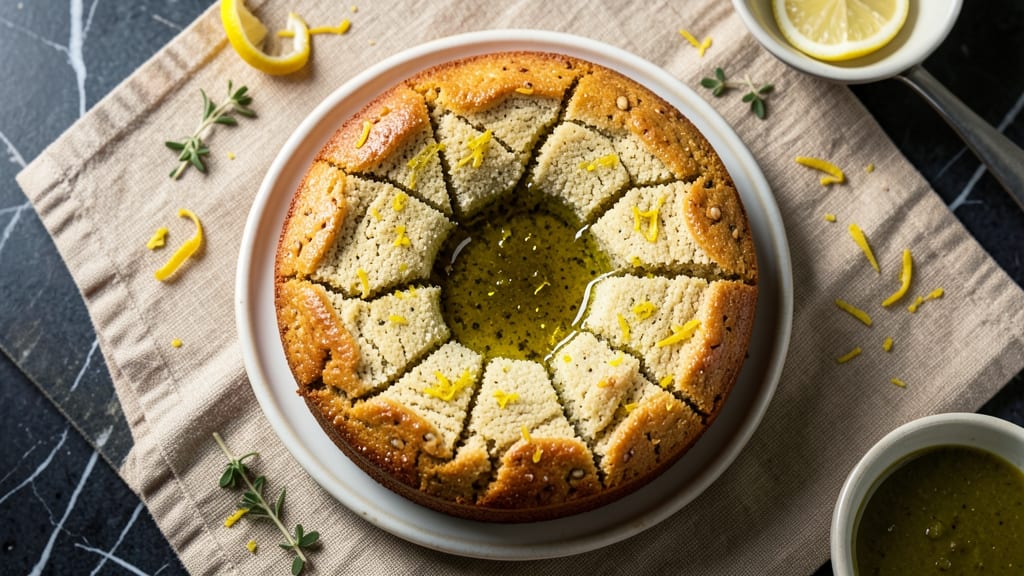
This almond flour olive oil cake delivers the perfect balance of nutty richness and caramelized magic—moist, tender crumbs that practically melt in your mouth. The secret lies in olive oil's ability to create an incredibly tender texture while keeping the cake naturally gluten-free and vegan-friendly. I've perfected this recipe through years of baking experiments, ensuring every slice stays moist for days.
The foundation of this cake is a simple yet effective technique: combining almond flour with olive oil creates a naturally rich, buttery flavor without dairy. A touch of citrus zest brightens the nutty undertones, while a caramelized sugar topping transforms ordinary cake into something extraordinary. The result? A cake that's dense yet light, with a golden crust that cracks beautifully when sliced.
What makes this recipe truly special is its versatility—add chocolate chips for depth, vanilla for warmth, or keep it classic with just the almond and olive oil base. The cake bakes up with a perfect rise and maintains its moisture even after cooling, making it ideal for special occasions or impromptu desserts.
Once baked, the caramelized top creates a stunning presentation that's nearly as delicious as it is beautiful. Store leftovers in an airtight container for up to 5 days, or freeze for longer storage. This is the kind of cake that proves simple ingredients can deliver restaurant-quality results.
Ingredients for almond flour olive oil cake
Simple yet sophisticated ingredients create a naturally gluten-free, vegan cake with restaurant-quality texture.
| Ingredient | Amount | Notes |
|---|---|---|
| Almond Flour 🌰 | 2 ½ cups | Finely ground, unsweetened preferred |
| Extra-Virgin Olive Oil 🫒 | 1 cup | High-quality, fruity variety |
| Granulated Sugar 🍚 | 1 cup | Organic preferred for caramelization |
| Brown Sugar 🍚 | ½ cup | Light brown preferred for depth |
| Vanilla Extract 🌿 | 1 tbsp | Pure, high-quality extract |
| Lemon Zest 🍋 | 1 tbsp | Freshly grated, organic preferred |
| Unsweetened Almond Milk 🥛 | ¾ cup | Room temperature for best mixing |
| Baking Powder 🧂 | 1 ½ tsp | Aluminum-free preferred |
| Salt 🧂 | ½ tsp | Fine sea salt preferred |
| Dark Brown Sugar 🍚 | ½ cup | For caramelized topping |
| Coconut Oil 🥥 | 2 tbsp | Melted for topping |
| Flaky Sea Salt 🧂 | ½ tsp | For final garnish |
The almond flour is the heart of this cake—Bob's Red Mill or Anthony's Goods brands deliver the finest grind for optimal texture. If your almond flour is coarse, pulse it briefly in a food processor to ensure a silky crumb. For the olive oil, California-based brands like Corto or Colavita offer the richest flavor profile, but any high-quality extra-virgin will work. The sugars are non-negotiable: brown sugar adds moisture while granulated ensures proper caramelization. I always measure my almond flour by weight (9 oz = 2.5 cups) for consistency, though volume works fine for home baking.
No almond flour? Macadamia nut flour or oat flour can substitute at a 1:1 ratio, though texture will differ slightly. Swapping olive oil for melted coconut oil (same amount) keeps the cake vegan but may alter the flavor profile. For the citrus zest, lemon is ideal, but orange or lime zest works beautifully if you prefer a different brightness. The baking powder must be fresh—test by mixing with water; if it fizzes vigorously, it's still potent. For the caramelized topping, dark brown sugar is essential for that deep, molasses-like flavor that cracks perfectly when baked.
Store the cake in an airtight container at room temperature for up to 5 days, though it's best enjoyed within the first 2 days for peak moisture. For longer storage, wrap tightly in plastic and freeze for up to 3 months. The caramelized top stays crisp for the first 24 hours but softens slightly after that—enjoy it fresh for the best texture. Reheat slices at 350°F for 5-10 minutes to restore crispness. This cake's natural richness means it doesn't need extra frosting, though a dusting of powdered sugar adds a professional touch.
Why You'll Love This Recipe
- No-Fuss Mixing: I swear by this recipe because it’s basically a dump-and-bake situation. Almond flour doesn’t clump like regular flour, so you just whisk the dry ingredients, fold in the olive oil (yes, olive oil—don’t overthink it), and you’re done. No creaming butter, no sifting, no stress.
- Rich, Nutty Depth: That combo of almond flour and extra-virgin olive oil? It’s like a grown-up dessert with no guilt. The brown sugar adds a caramelized warmth, while the vanilla ties it all together—moist, tender, and with this subtle Mediterranean richness that makes it feel fancy without trying.
- Weeknight or Brunch Star: This cake is my go-to for when I need something quick but impressive. Slice it warm for breakfast with a drizzle of honey, or serve it at room temp with coffee—it’s just as good either way. Honestly, I’ve even brought it to potlucks, and no one’s ever asked what’s in it.
- Budget-Friendly Luxury: Almond flour might seem pricey, but a little goes a long way, and this recipe doesn’t skimp on flavor. The olive oil adds richness without butter costs, and the sugars balance perfectly, so you’re not sacrificing taste for savings. Plus, it keeps for days, so you’re not baking just to eat it all in one sitting.
Step-by-step instructions for almond flour olive oil cake
This method delivers a tender, moist crumb with a caramelized top that cracks beautifully when sliced.
Whisk Dry Ingredients for Even Distribution
In a medium bowl, sift together the 2.5 cups almond flour, 1.5 teaspoons baking powder, and 0.5 teaspoon salt. I use a fine-mesh sieve to break up any flour clumps and ensure the baking powder disperses evenly throughout. This prevents dense pockets in the final cake. Whisk gently with a fork until just combined—overmixing develops gluten and creates a tough texture.
Next, add the 1 cup granulated sugar and 0.5 cup brown sugar to the dry mixture. Whisk again until the sugars are fully incorporated and no white streaks remain. The sugars will help create that signature moist texture while balancing the nutty flavor of the almond flour. Set this mixture aside for now—it's ready when you need it.
Combine Wet Ingredients for Smooth Batter
In a separate large bowl, measure out the 1 cup extra-virgin olive oil—room temperature is ideal for easy mixing. Add the 0.75 cup unsweetened almond milk, 1 tablespoon vanilla extract, and 1 tablespoon lemon zest. Whisk vigorously for 2-3 minutes until the mixture becomes emulsified and lightens in color. This step creates the cake's signature moistness by properly incorporating the olive oil's fat content.
Here's the thing—don't rush this part. The olive oil needs time to fully blend with the almond milk, creating tiny fat droplets that distribute evenly throughout the batter. You'll notice the mixture thicken slightly as it emulsifies, which is exactly what we want for that tender crumb.
Gently Fold Wet and Dry Ingredients Together
With the mixer on low speed, gradually add the dry ingredients to the wet mixture. Use a spatula to scrape down the sides of the bowl as needed, ensuring everything combines smoothly. Mix just until combined—you should still see some flour streaks, as overmixing develops gluten in the almond flour, resulting in a dense rather than tender cake.
The batter will be thick but pourable. This is normal—almond flour absorbs more liquid than wheat flour. If the batter appears too thick after mixing, add 1-2 tablespoons more almond milk to achieve a smooth consistency. Pour the batter into a 9-inch round cake pan lined with parchment paper, smoothing the top with a spatula.
Create the Caramelized Topping
In a small saucepan, combine the 0.5 cup dark brown sugar and 2 tablespoons melted coconut oil. Cook over medium-low heat for 3-4 minutes, stirring constantly, until the mixture becomes bubbly and reaches 230°F on a candy thermometer. This creates a thick, caramel-like consistency perfect for our topping.
Once the caramel reaches the right temperature, immediately pour it over the cake batter, spreading it evenly with the back of a spoon. The heat from the caramel will help set the cake while creating that beautiful crackly top. Sprinkle the 0.5 teaspoon flaky sea salt evenly over the caramel layer—this enhances the sweetness and adds a sophisticated finish.
Bake to Golden Perfection
Preheat your oven to 350°F and place the cake pan on the center rack. Bake for 30-35 minutes, or until a toothpick inserted into the center comes out clean. The edges should be golden brown, and the top should have developed that signature crackly caramelized crust.
I know it's tempting to open the oven early, but resist! The cake needs that full baking time to develop proper structure. If the top browns too quickly, tent the cake with aluminum foil to prevent over-browning while allowing the center to cook through. Once baked, let the cake cool in the pan for 10 minutes before transferring to a wire rack to cool completely.
Pro Tips For Making Almond Flour Olive Oil Cake
- Mix the Dry First: Almond flour loves to clump like a moody teenager. Whisk it with your sugars and salt before adding any liquid—this keeps your batter smooth and prevents lumpy pockets that’ll make your cake taste uneven.
- Use Room-Temp Olive Oil: Cold olive oil sits like a greasy lump in batter, leading to dense spots. Warm it slightly in your hand or a bowl for 30 seconds—just enough to make it pourable, not hot. Trust me, your cake’s texture will thank you.
- Don’t Overmix the Batter: Two minutes past smooth is when gluten starts forming, and suddenly your tender cake turns chewy. Stop as soon as the flour disappears—your mixer’s done its job. Scrape the bowl once if needed, but resist the urge to "really get it mixed."
- Check for Doneness at 325°F: Almond flour cakes play hide-and-seek with doneness. They’ll look underdone at 350°F but collapse if you wait for the edges to pull. Drop the temp to 325°F and check at 30 minutes—your toothpick should come out clean, even if the center looks slightly wet. It’ll firm up as it cools.
Wine and beer pairings for these flavors
Sweet Wine Pairings
This cake's nutty richness and caramelized top pairs beautifully with Moscato d'Asti or Riesling—both wines offer enough sweetness to complement the almond flavor while cutting through the richness. I love a dry Riesling from Germany like Dr. Loosen Blue Slate, which balances the cake's sweetness with crisp acidity. 🍷
Dessert-Friendly Reds
For those who prefer red wine, a light-bodied Pinot Noir works surprisingly well. Look for a Willamette Valley or Burgundy with bright fruit notes—these won't overpower the delicate almond flavor. A 2018 Domaine Serene Pinot Noir from Oregon is my go-to choice.
Creamy Beer Options
Craft honey ales or witbiers are perfect beer pairings—they share the cake's caramel notes while adding effervescence. Try a Belgian witbier like Hoegaarden or a honey ale from New Belgium Brewing. The citrusy hop profile in witbiers also enhances the lemon zest in the cake.
Coffee or Espresso
For a non-alcoholic option, a strong espresso or cortado creates a perfect contrast. The bitterness of coffee balances the cake's sweetness and nutty depth. I often serve this cake with a shot of Illy Espresso—the Italian roast complements the olive oil's Mediterranean notes beautifully.
After-Dinner Digestifs
Finish with a sherry or amaretto for a sophisticated touch. A Pedro Ximénez sherry enhances the caramelized top, while Disaronno Amaretto mirrors the almond flavor. Serve chilled for an elegant pairing that feels like a restaurant dessert experience.
Nutrition facts
Frequently asked questions
Why does this almond flour cake need olive oil instead of butter?
Olive oil creates a naturally moist, tender crumb that butter can't replicate in gluten-free baking. The fat content in olive oil emulsifies differently with almond flour, producing a lighter texture while adding rich Mediterranean flavor. Plus, it keeps the cake vegan-friendly without compromising taste!
Can I make this cake without lemon zest?
Yes! If you don't have lemon zest, try 1 teaspoon vanilla bean paste or 1/2 teaspoon orange zest instead. The citrus brightens the nutty almond flavor, but vanilla adds warmth. For a neutral option, just increase the vanilla extract to 2 tablespoons—the cake will still be delicious!
What's the secret to the caramelized top cracking perfectly?
The crackly top comes from cooking the sugar mixture to 230°F and spreading it evenly before baking. The heat creates a glass-like surface that contracts as it cools. For extra drama, chill the cake 10 minutes before slicing—the cracks will be more pronounced and the texture firmer!
Will this cake crumble if I slice it too soon?
Yes! Let the cake cool completely in the pan for 10 minutes, then transfer to a wire rack to cool another 30 minutes before slicing. The caramelized top needs time to set, and warm cake crumbles easily. If you're impatient, slice carefully with a serrated knife and store in an airtight container.
Can I substitute almond milk with regular milk?
You can, but the flavor will be slightly different. Almond milk adds a subtle nuttiness that complements the almond flour. If using regular milk, reduce to 0.5 cup and add 0.25 cup extra water to maintain the right batter consistency. The cake will still be moist, but the almond flavor will be more muted.